Owen Bradley
 Most people know roughly what their washing machine cost to buy, and almost nobody knows what it costs to run. Yet across a decade of ownership, the electricity, water, and detergent poured into a machine can easily rival its purchase price. Laundry running costs are made of small, repeated decisions: how hot you wash, how full you load the drum, how fast the machine spins, and whether the clothes finish their journey on a line or in a tumble dryer. This guide breaks the cost of a single load into its parts, shows which parts actually matter, and explains which habits and machine features trim the yearly total without leaving your clothes any less clean.
What You Are Actually Paying For in a Load
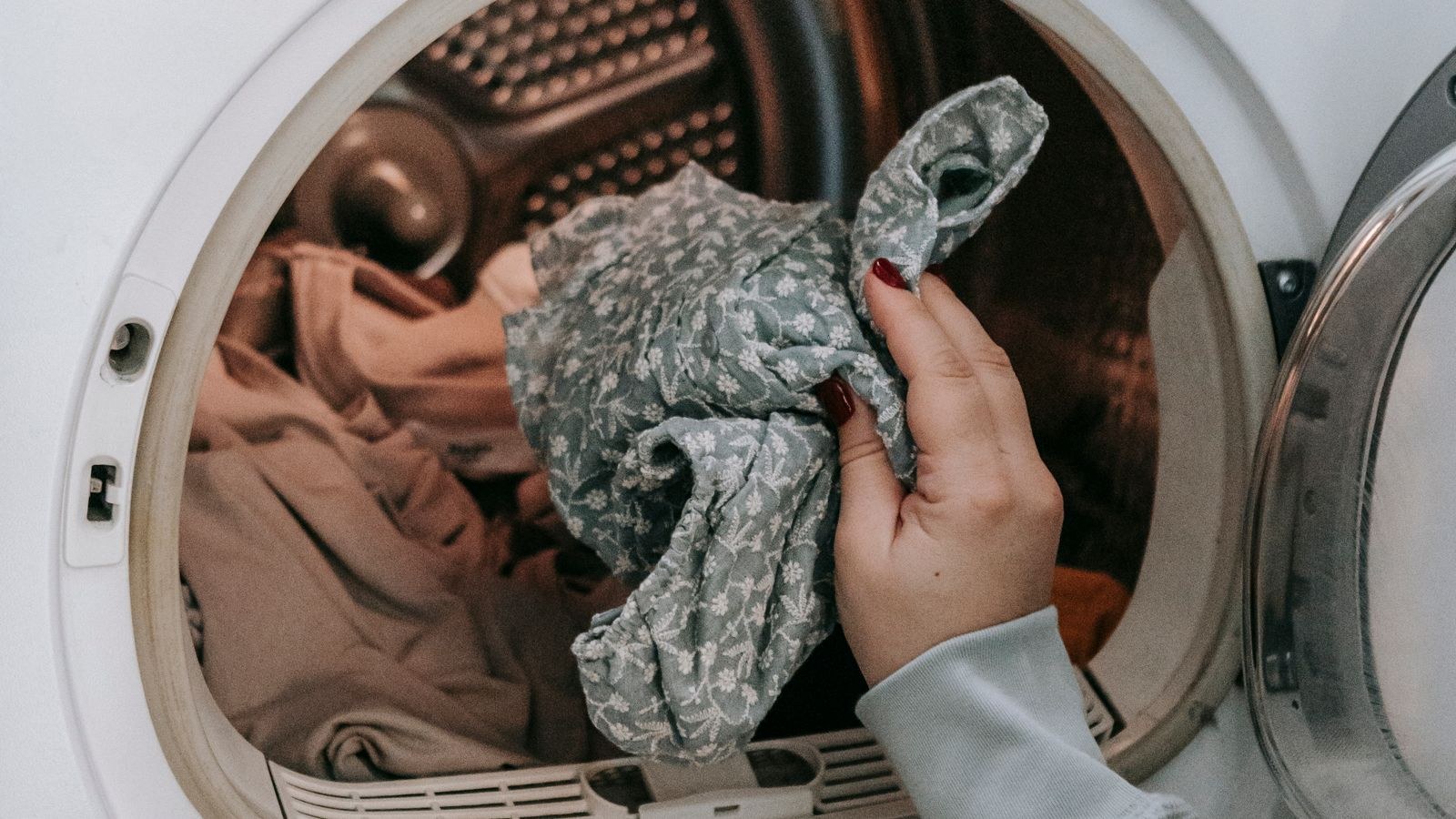
A wash cycle bills you in four separate currencies. The largest by far is electricity used to heat water, which typically accounts for the bulk of the energy a washing machine consumes. Second is the water itself, both the supply charge and, in many areas, a wastewater charge calculated from your metered volume. Third is detergent and additives, a cost people rarely count because it leaves the wallet at the supermarket rather than on a utility bill. Fourth is drying, which is not technically part of the wash at all but is where the biggest single chunk of laundry energy usually disappears.
Understanding that split immediately changes where you should focus. Chasing a cheaper detergent saves pennies. Dropping the wash temperature or improving how much water the spin cycle removes before drying saves substantially more. The mechanical work of tumbling clothes around a drum is comparatively cheap; it is the thermodynamics of heating and evaporating water that dominate the bill.
Temperature: The Single Biggest Lever
Heating water from cold to a hot wash setting takes a great deal of energy, and the relationship is close to linear. A 60°C wash uses far more electricity than a 40°C wash, which in turn uses more than a 30°C or cold wash. Because the drum motor, pump, and electronics draw only modest power, cutting the target temperature cuts most of the cycle’s total consumption.
The practical question is whether cooler washing gets clothes clean. For everyday loads, the answer is yes. Modern enzyme-based detergents are formulated to work at low temperatures, and normal soiling from body oils, light food marks, and general wear lifts perfectly well at 30°C or 20°C. Reserve hot washes for the cases where they genuinely earn their cost: heavily soiled workwear, bedding after illness, cloth nappies, and kitchen textiles where hygiene matters. If you are shopping for a detergent that performs at lower temperatures, our roundup of the best washing machine detergents compares formulations designed for cold and quick cycles.
The Cold-Wash Caveat
Washing exclusively cold has one downside: biofilm and detergent residue can build up in the drum, seal, and drain, producing a musty smell over time. The fix is cheap. Run one hot maintenance wash every month or two, with the drum empty, and leave the door ajar between loads so the seal dries. That single monthly cycle costs far less than washing everything hot all year.
Load Size and Why Half-Empty Drums Waste Money
A washing machine does not scale its consumption neatly with how much is inside it. Sensors adjust water and time somewhat, but a half-full drum still costs a large fraction of what a full one does. Running two half loads therefore costs meaningfully more than running one full load, in electricity, water, and detergent alike.
The goal is a properly full drum, not an overstuffed one. A useful rule of thumb: you should be able to fit a flat hand between the top of the laundry and the roof of the drum. Overfilling past that point restricts tumbling, so clothes do not move through the detergent solution properly, and you end up rewashing items, which erases every saving you just made. Sorting by fabric type is worth it, but sorting into three tiny loads because of colour anxiety usually is not.
Spin Speed: The Cheapest Way to Cut Drying Costs
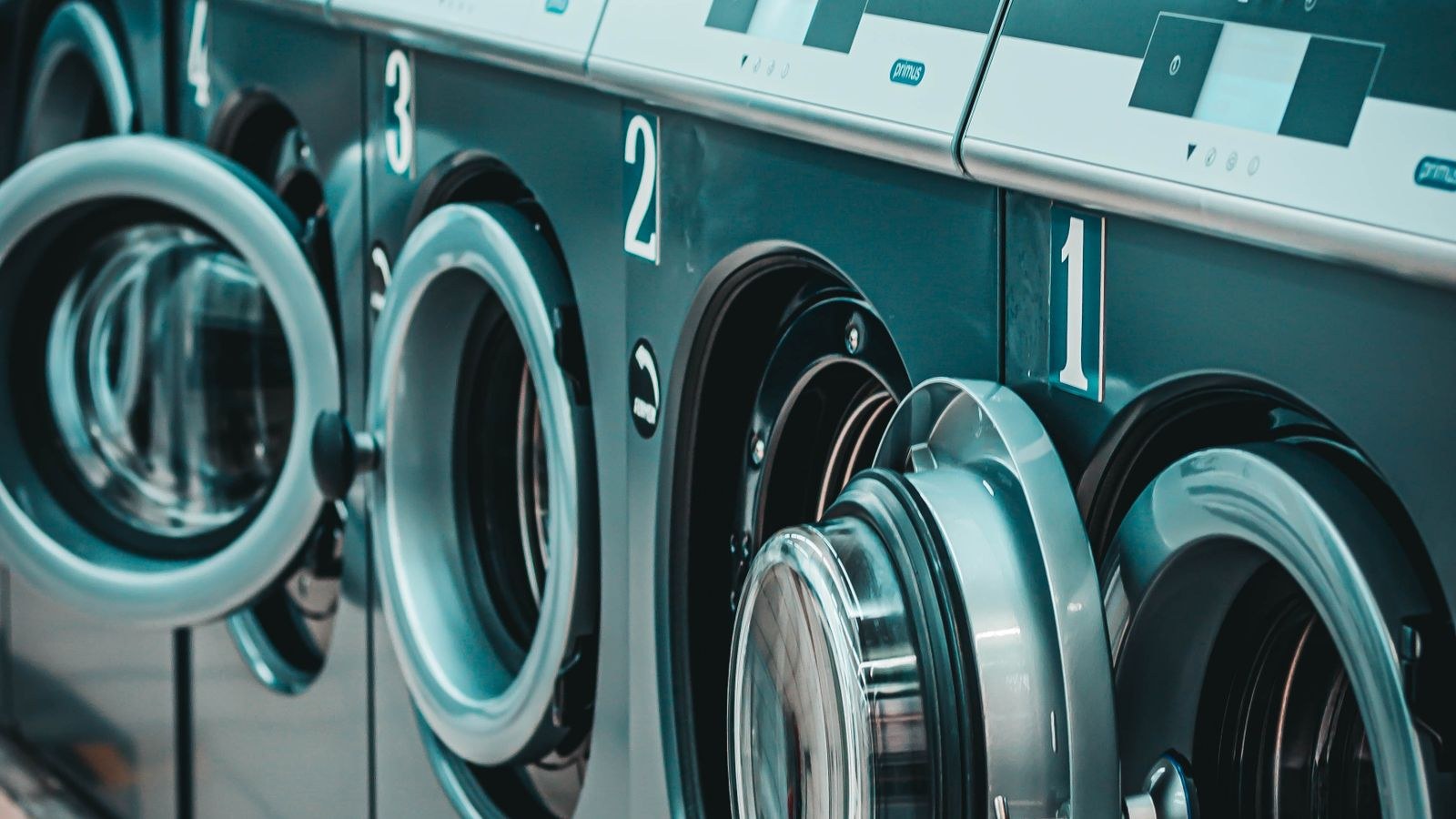
Spin speed is the most underrated economic feature on a washing machine. Every extra revolution per minute pulls more water out of the fabric mechanically, and mechanical water removal is dramatically cheaper than thermal water removal. Spinning at 1400 rpm instead of 1000 rpm leaves clothes noticeably drier, which shortens tumble drying time or line drying time considerably.
Because drying is often the most expensive step in the whole laundry chain, a high final spin can save more money per year than any change to the wash itself. The trade-off is creasing and wear on delicate fabrics, so use the highest spin your load can tolerate rather than the highest the machine offers. Towels, jeans, and bedding handle full spin easily; knitwear and technical fabrics do not.
Drying: Where the Money Really Goes
Evaporating water requires a large amount of energy no matter how it is done. Air drying on a rack or line costs nothing but time and space. A condenser tumble dryer costs the most per load. A heat pump dryer typically uses roughly half the energy of a conventional condenser model because it recycles heat rather than venting it, which is why they command a price premium and repay it over the years. If you dry indoors on racks, be aware of the humidity you are adding to the room, and ventilate accordingly to avoid damp problems that cost more to fix than the drying saved.
How Machine Efficiency Ratings Translate to Money
Energy labels quote consumption for a standard test cycle, usually expressed per 100 cycles. That figure is genuinely useful for comparison, but treat it as a benchmark rather than a prediction of your bill, because the test uses a specific programme and load that may not match how you wash. What the label reliably tells you is the relative gap between two machines under identical conditions.
The same label carries a water consumption figure in litres per cycle, and the difference between an older machine and a current efficient one can be substantial. If you are weighing a replacement, our guide to the best energy efficient washing machines explains how to read those figures and what they mean over a machine’s lifetime, while the washing machine buying guide covers capacity, drum type, and features in more depth.
High-Efficiency Machines and Detergent
High-efficiency designs use far less water by tumbling clothes through a shallow bath rather than submerging them. Less water means less to heat, which is where the energy saving comes from. They do, however, require low-foaming detergent, because excess suds cushion the tumbling action and confuse the machine’s rinse sensors, triggering extra rinse cycles that waste both water and time. If you are considering the format, compare the best high efficiency washing machines and the wider selection of best HE washing machines to see how capacity and cycle options differ across the range.
Detergent Dosing and the Cost of Overuse
Most households use more detergent than the dose instructions call for, often by a wide margin. Extra detergent does not make clothes cleaner past the point of saturation; it simply leaves residue in fabric, feeds odour-causing bacteria in the machine, and sometimes triggers additional rinses. Dosing correctly for your water hardness and soil level is a straight saving with no downside.
Water hardness matters more than people expect. In hard water areas, minerals bind with detergent and reduce its cleaning power, which is why the dosing table on the box lists a higher amount. In soft water areas you can often use noticeably less than the headline dose. Check your local water hardness once, then set your standard dose accordingly, and use the half-load or lightly-soiled dose when the load genuinely is light.
Cycle Choice: Eco, Quick, and Everything Between
Eco cycles look counterintuitive because they run longer, sometimes two or three hours. The logic is that a longer soak at a lower temperature achieves the same cleaning result as a shorter hot wash, and since heating dominates consumption, the slow cycle wins on energy despite the extra runtime. If your schedule allows it, the eco programme is usually the cheapest way to wash a normal load.
Quick cycles are the opposite trade. They finish fast by using more water and often a higher temperature over a compressed period, and they are best reserved for lightly worn items that need freshening rather than genuine cleaning. Speciality cycles such as heavy duty, sanitise, or allergy programmes add extra rinses and higher temperatures, each of which adds cost, so use them when the situation warrants and not as a default.
Maintenance That Protects Efficiency
An efficient machine that is poorly maintained gradually becomes an inefficient one. Limescale on the heating element makes it work harder to reach temperature. A clogged filter slows draining and lengthens cycles. A blocked detergent drawer means less of what you pay for actually reaches the wash.
- Clean the drain filter every couple of months to keep pump performance and draining efficient.
- Run a hot maintenance wash regularly to clear residue and biofilm from the drum and hoses.
- Descale in hard water areas so the heating element does not have to fight an insulating mineral layer.
- Level the machine properly, because an unbalanced drum cannot reach full spin speed and leaves clothes wetter.
Common Mistakes That Inflate the Bill
The most expensive habit is defaulting to a hot wash for everything out of caution. It roughly doubles the energy of a typical load compared with a warm wash, for a cleaning benefit that most laundry never needed. Close behind is running frequent small loads because a specific garment is wanted, which multiplies the fixed cost of a cycle across far fewer items.
A third mistake is treating drying as an afterthought. Pulling clothes out at a low spin speed and putting them straight into a tumble dryer stacks the cheapest possible water removal with the most expensive one, in exactly the wrong order. A fourth is buying a machine on capacity alone. A very large drum is only economical if you routinely fill it; if your household generates modest laundry, a large machine mostly runs part-loaded and never repays its extra consumption.
Frequently Asked Questions
Is a cold wash really enough for everyday clothes?
For normal wear with light soiling, yes. Modern detergents are designed to activate at low temperatures. Keep hot washes for heavily soiled items, bedding after illness, and hygiene-critical textiles, and run an occasional empty hot cycle to keep the machine itself fresh.
Does a longer eco cycle use more electricity?
No. Longer runtime mostly means more low-power tumbling, while the energy-hungry part is heating water. Because eco cycles heat less and compensate with time, they typically consume less overall than a shorter, hotter programme.
Is it cheaper to run the machine at night?
Only if you are on a tariff that charges less off-peak, since the machine uses the same energy at any hour.
Will a new efficient machine pay for itself?
It depends on how old and how thirsty your current machine is and how often you wash. A household running several loads a week and replacing a decade-old inefficient model usually sees meaningful annual savings, but replacing a reasonably efficient machine purely for running costs rarely adds up.
Does using more detergent get clothes cleaner?
Past the recommended dose, no. Excess detergent leaves residue in fabric and inside the machine, and it can trigger additional rinse cycles that waste water. Dose according to load size, soil level, and your local water hardness.
Final Thoughts
Laundry running costs come down to a short list of levers, and they are not all equal. Wash cooler, fill the drum properly, spin as fast as the fabric allows, and treat drying as the expensive step it is. Dose detergent to the instructions rather than by habit, keep the filter and drum clean so the machine performs as designed, and choose cycles deliberately instead of always reaching for the same preset. When it is genuinely time to replace a machine in 2026, read the energy and water figures on the label as comparison tools and match the drum size to the laundry you actually generate. Get those basics right and the yearly total falls without your clothes, or your routine, suffering for it.