Owen Bradley
 Hiring someone to care for your child at home is an act of trust, and a nanny cam is how many parents verify that trust without hovering. But the category is genuinely tricky. The hardware ranges from obvious ceiling-mounted cameras to devices disguised as clocks and air purifiers, the recording quality varies wildly at similar prices, and — most importantly — the legal rules differ sharply depending on where you live and whether the camera records sound. This nanny cam buying guide covers what to look for in the hardware and what the law actually permits, so you can set up monitoring that is both useful and defensible. Read the legal section before you buy anything in 2026, because it may change which device you choose.
Hidden or Visible: Decide This First
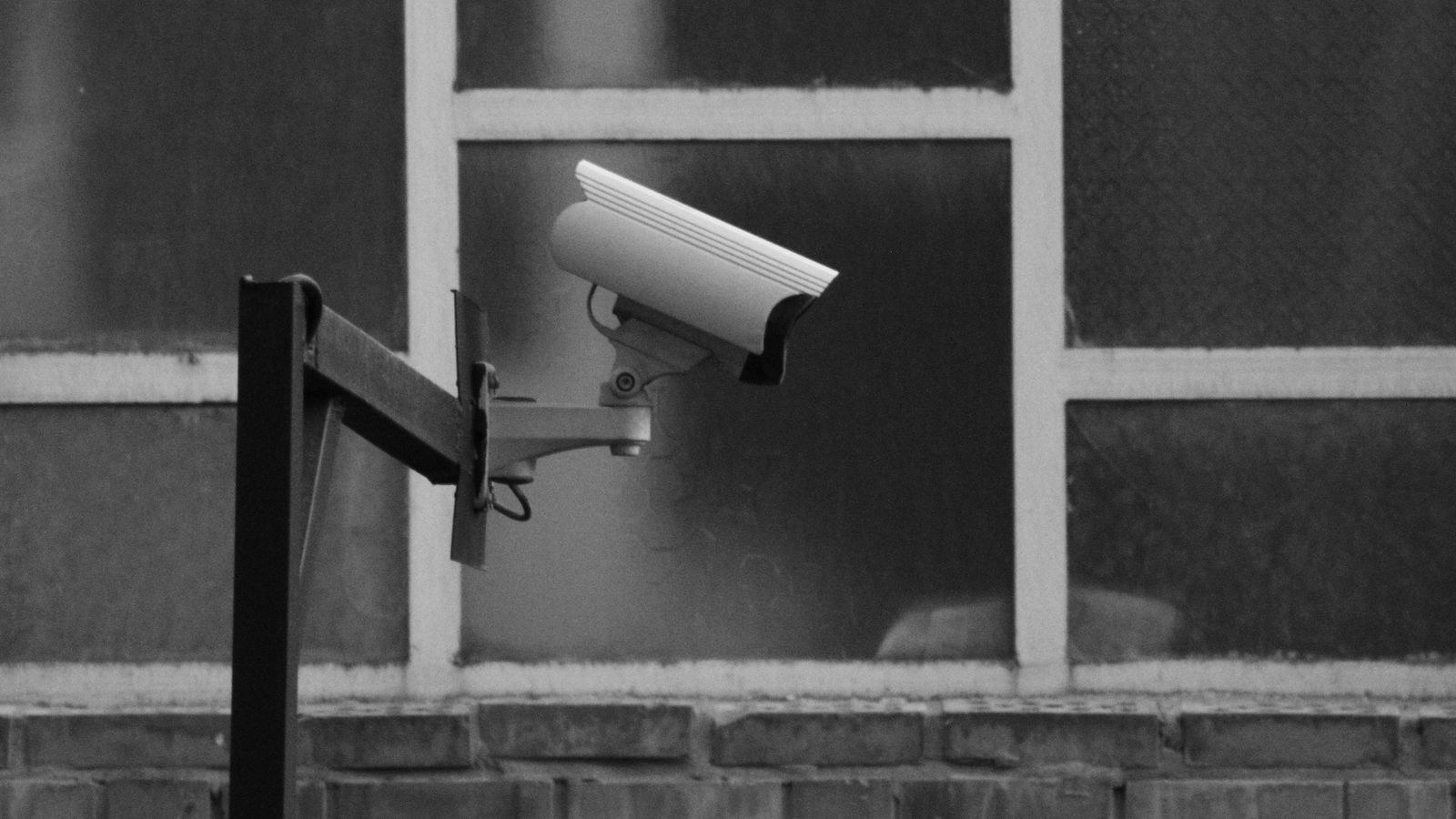
The most consequential choice is whether the camera is concealed. A visible camera is simpler in every way. It is legal essentially everywhere for video in your own home, it deters problems rather than merely documenting them, and it avoids the trust damage that comes from a caregiver discovering a hidden device months into the job. Many families tell the nanny about the camera on day one and find that the conversation goes fine — professional caregivers generally expect it.
A concealed camera captures behavior that a visible one might suppress, which matters if you already have a specific concern. The costs are real, though: disguised units usually have narrower lenses, weaker night vision, and worse mounting flexibility because they must fit inside a plausible object. They also require careful placement, since a clock aimed at nothing useful is just a clock. If you are set on this route, our hidden camera buying guide covers disguise formats and their practical limitations in depth.
Common Disguise Formats
Clocks and USB chargers are the two most common, because both belong on a shelf or outlet without explanation and can be plugged in permanently. Smoke-detector-style housings offer an excellent ceiling vantage but look wrong if placed somewhere a detector would not normally go. Picture frames, air purifiers, and speakers appear frequently but are bulkier and easier to notice being repositioned. The rule that governs all of them: the object must make sense in that room, at that height, aimed that direction. A charger plugged into an outlet nobody uses draws attention precisely because it is out of place. Our roundup of the best hidden cameras compares these formats on image quality rather than just concealment.
Image Quality That Actually Helps
Resolution is where nanny cams disappoint most often. 1080p is the realistic minimum, and it is genuinely enough for a room-sized view where you want to see what happened. 2K and 4K matter when you need to identify detail across a large open-plan space, or when you plan to digitally zoom into a corner of the frame. Beyond that, resolution mostly inflates storage costs without improving what you learn.
Field of view deserves more attention than resolution. A 90-degree lens covers a slice of a room; 120 to 130 degrees covers most of a living room from a corner; anything wider introduces heavy fisheye distortion at the edges. For a nursery or a single play area, a moderate wide angle mounted in a corner beats an ultra-wide lens mounted centrally. Also check low-light performance separately from daytime specs — naps and evenings are exactly when you want footage, and infrared night vision on small concealed units is frequently weak, with a useful range of only eight or ten feet.
Frame Rate and Motion Handling
Many compact cameras record at 15 frames per second to save bandwidth, which turns fast movement into a blur. Look for 20 to 30 frames per second if you want clear footage of a toddler in motion. Similarly, check whether the camera records continuously or only in motion-triggered clips. Event clips save storage but routinely miss the two seconds before detection, which is often the part you needed.
Audio: The Feature That Creates Legal Risk
Audio transforms a nanny cam from a mildly useful tool into a genuinely informative one. Tone of voice tells you far more about how a caregiver treats your child than silent video ever will. It is also the single feature most likely to put you on the wrong side of the law, because wiretapping and eavesdropping statutes treat recorded conversation very differently from recorded images.
In the United States, states divide into one-party consent and all-party consent jurisdictions. In a one-party consent state, a recording is generally permissible if at least one participant in the conversation knows it is happening — which, in a home where you are not present, usually means you are not a participant, so the exception may not protect you. In all-party consent states, every person in the conversation must agree. Several states impose criminal penalties for violations, not merely civil ones. The practical takeaway is straightforward: disable audio recording unless you have explicit written consent from your caregiver, or you have confirmed your specific state’s rules.
Getting Consent the Simple Way
The cleanest solution is a short written clause in your employment agreement stating that the home has video and audio recording in common areas, which the caregiver signs before starting. That single paragraph resolves nearly every legal concern, preserves the audio feature, and starts the relationship honestly. Most professional nannies sign without hesitation. If you would rather not deal with the question at all, choose a camera that lets you disable the microphone in software and confirm in the app that it is genuinely off rather than merely muted during playback.
Where You May and May Not Point a Camera
Video rules are more permissive than audio rules, but they are not unlimited. The governing concept is reasonable expectation of privacy. Living rooms, kitchens, playrooms, hallways, and nurseries are areas where recording is broadly acceptable in your own home. Bathrooms and any room where a live-in caregiver sleeps or changes clothes are not — recording there can constitute a serious criminal offense in most states regardless of who owns the property.
If your nanny lives in, treat their bedroom and bathroom as entirely off-limits, with no exceptions and no “just in case” placement. The same applies to a guest room used for changing. Keep cameras in shared spaces where childcare actually happens, which is also where they produce useful footage. This restraint is not just legal caution — a camera in an inappropriate location undermines any complaint you might later raise, because it reframes you as the party who overstepped.
Storage, Access, and Keeping Footage Private
Nanny cam footage is unusually sensitive: it shows your child, your home layout, and your daily routine. Choose storage deliberately. Local microSD recording keeps everything in the house and works without internet, but the card is lost if someone takes the camera. Cloud storage protects against theft and makes review easy from your phone, at the cost of a monthly fee and trusting a provider with intimate footage.
Whichever you pick, secure the account properly. Use a unique password that appears nowhere else, enable two-factor authentication, and keep firmware current — compromised camera accounts are one of the more common and disturbing home security failures. Decide a retention policy too: most families keep a rolling week or two and let older footage age out, which limits exposure if an account is ever breached. For compact models built specifically for discreet indoor placement, our list of the best mini security cameras is a good starting point.
Power and Placement Practicalities
Battery-powered concealed cameras sound appealing and disappoint quickly — a device inside a small housing has a small cell, and continuous recording drains it in hours rather than weeks. For a nanny cam that runs all day every day, plug-in power is effectively mandatory. That constrains placement to within cable reach of an outlet, which is another reason clock and charger formats dominate the category.
Mount or place the camera at adult chest height or higher, aimed slightly downward across the room rather than at a wall. Avoid pointing directly at a window, since backlight turns everyone in frame into a silhouette. Check the live view at different times of day before you settle on a position, because a spot that looks fine at noon may be badly backlit at four in the afternoon.
Mistakes to Avoid
The biggest is enabling audio without checking state law or getting consent — it can convert a reasonable precaution into a criminal exposure. Second is choosing a device purely on how well it is disguised, ending up with 720p footage and six feet of night vision that shows nothing when you finally need it. Third is placing a camera in a bathroom or a live-in caregiver’s bedroom, which is indefensible regardless of intent.
Fourth is neglecting account security, leaving default credentials or a reused password on a camera pointed at your child’s room. Fifth is treating the camera as a substitute for reference checks and judgment; footage tells you what happened yesterday, not whether someone should be in your home at all. For a survey of purpose-built options in this category, our picks for the best nanny cams and the best spy cameras cover both the overt and covert ends of the market.
Frequently Asked Questions
Do I have to tell my nanny about the camera?
For video in common areas of your own home, usually no. For audio, disclosure and consent are frequently required and always the safer path. Many family attorneys recommend disclosing regardless, because it protects you legally and preserves the working relationship.
Is footage from a hidden camera usable as evidence?
Video from common areas is generally admissible. Illegally recorded audio may be excluded and can expose you to liability, which is why the audio decision deserves real care rather than a default setting left switched on.
Can a nanny cam work without Wi-Fi?
Yes, if it records to a local microSD card. You lose live viewing and instant alerts, and you must physically retrieve the card, but the recording itself continues independently of your internet connection.
How much storage do I need?
Continuous 1080p recording consumes roughly 25 to 40 GB per day depending on compression and motion. A 128 GB card holds a few days of continuous footage, or several weeks of motion-triggered clips.
Final Thoughts
Buy for image quality and low-light performance first, disguise second. Decide the audio question deliberately — either get written consent and keep the feature, or turn it off entirely — and never place a camera in a bathroom or a live-in caregiver’s private room. Secure the account as carefully as you would a bank login, since the footage is far more personal. Handled that way, a nanny cam gives you reassurance without turning your home into a surveillance project, and it produces footage that is actually useful on the rare day you need it.