Owen Bradley
 A washing machine is one of the few appliances you will interact with several times a week for a decade or more, and the top-load versus front-load decision shapes that entire experience. It affects how well your clothes get clean, how much water and electricity you use, how long a cycle takes, whether your laundry room can accommodate a stacked dryer, and even whether the machine develops a musty smell. Neither format is universally better — they genuinely suit different households. This guide explains how each type works, compares them on the criteria that matter in daily use, and walks through the specifications and features worth paying for so you can make the choice confidently.

How the Two Formats Actually Work
A top-load machine has a vertically oriented drum. Traditional models use a central agitator — a finned post that twists back and forth, physically dragging clothes through the water. High-efficiency top-loaders replace the agitator with a low-profile impeller plate at the base, which spins to move the load in a rolling motion using far less water.
A front-load machine has a horizontally oriented drum with a door on the front. It uses gravity: baffles inside the drum lift clothes to the top and drop them into a shallow pool of water at the bottom, over and over. This tumbling action cleans effectively while using a fraction of the water, and because the drum is not full, the machine can spin at much higher speeds.
Nearly every practical difference between the formats flows from those two mechanical facts.
Cleaning Performance
Front-loaders generally clean better. The tumbling action works clothes through detergent repeatedly, and because less water is used, the detergent is more concentrated. Longer cycle times also contribute — more time in contact with detergent means better stain removal. Independent testing consistently places good front-loaders ahead on overall cleaning.
Agitator top-loaders clean aggressively and are excellent at heavy soil, but that aggression comes at a cost: the agitator is hard on fabrics, and it is the reason clothes washed in these machines tend to show wear sooner. High-efficiency impeller top-loaders sit in between — gentler than an agitator, but generally not matching front-load cleaning on difficult stains.
Water and Energy Use
Front-loaders are the clear efficiency winner. A typical front-load cycle uses roughly a third to a half the water of a traditional agitator top-loader. Less water means less water to heat, which is where most of a washing machine’s energy consumption actually goes. Over a decade of several loads a week, the difference in utility bills is substantial and often exceeds the higher purchase price.
High-efficiency top-loaders close much of that gap but rarely match front-loaders outright. Traditional agitator models are the least efficient by a wide margin, which is why they have become harder to find at larger capacities.
Spin Speed and Drying Time
This is an underappreciated advantage of front-loaders. Because the drum is horizontal and only partly filled, it can spin at far higher speeds — commonly 1,200 to 1,600 RPM against roughly 700 to 1,100 for a top-loader. Faster spinning extracts more water, so clothes come out of the washer significantly drier and spend less time in the dryer. That reduces dryer energy use and wear on fabrics, and it makes line drying far more practical.
Ergonomics and Loading
Top-loaders win here for most people. You load standing upright, without bending, and you can open the lid mid-cycle to add a forgotten item. There is no door seal to wipe, and the drum is easier to reach into for small items. For anyone with back or knee problems, this is a genuine daily advantage.
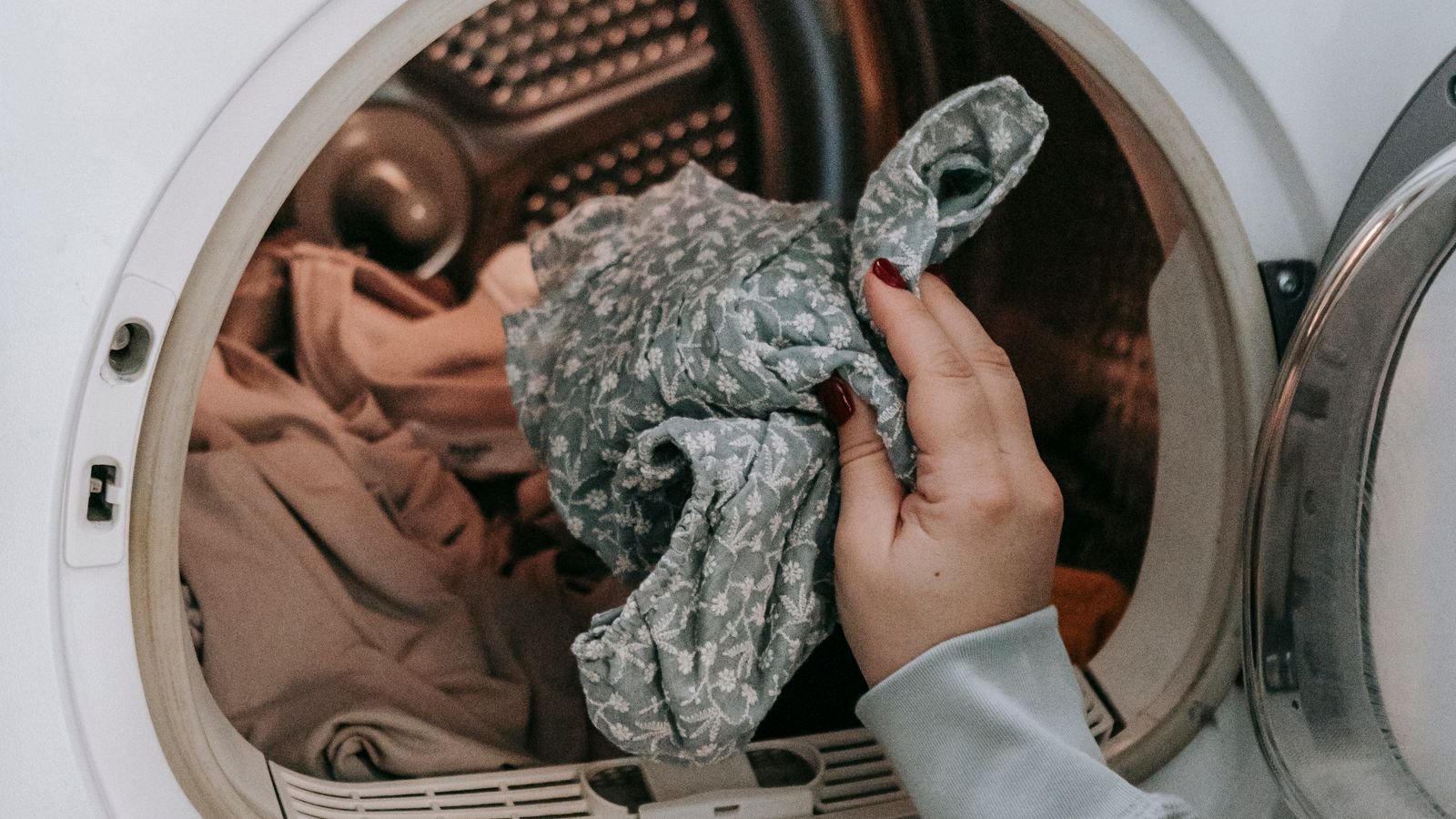
Front-loaders require bending or kneeling unless you install them on pedestals, which adds cost and height. Most modern models allow mid-cycle additions through a pause function or a small door, but it is less spontaneous than simply lifting a lid. In exchange, the flat top surface becomes usable counter space, and the machine can be stacked with a matching dryer — often decisive in a small home.
Cycle Time and Noise
Front-load cycles typically run longer — often 60 to 100 minutes for a normal wash against 40 to 60 for a top-loader. Much of that time is what delivers the better cleaning and lower water use, so it is a genuine trade rather than a defect. Quick-wash cycles exist on both formats for lightly soiled loads.
On noise, front-loaders are usually quieter during the wash because there is no agitator slamming back and forth, but their high-speed spin can be loud and can transmit vibration through the floor if the machine is not perfectly level. Top-loaders make more noise through the wash phase but spin more gently. If your laundry is next to a bedroom or in an open-plan space, look specifically for models with reinforced suspension and vibration control.
The Odor Issue and How to Prevent It
Front-loaders have a deserved reputation for developing a musty smell. The cause is the airtight rubber door gasket, which traps moisture, lint and detergent residue after the cycle ends. It is entirely preventable with three habits: leave the door and detergent drawer ajar between washes, wipe the gasket dry occasionally, and use a monthly cleaning cycle with a proper machine cleaner. Use only HE detergent and only the recommended dose — excess detergent is the single biggest contributor to residue buildup.
Top-loaders are naturally more ventilated and rarely suffer this problem, though HE top-loaders can still develop residue if overdosed with detergent. Whichever you choose, a periodic clean with a dedicated washing machine cleaner keeps the drum, seals and dispensers clear.
Which Format Suits Your Household?
Choose a Front-Loader If
- Efficiency and long-term running costs matter to you.
- You need to stack a dryer to save floor space.
- You wash delicate fabrics and want gentler treatment.
- You want clothes to come out drier and spend less time in the dryer.
- You are willing to leave the door ajar and wipe the gasket occasionally.
Choose a Top-Loader If
- Bending to load would be a daily strain.
- You want shorter cycles and the ability to add items mid-wash.
- Your budget is tighter, particularly at larger capacities.
- You prefer a simpler machine with a lower maintenance routine.
- You wash heavily soiled work clothes and value aggressive agitation.
Our dedicated roundups cover both sides: the best front load washing machines for efficiency-focused buyers, and the best top load washing machines if ergonomics and cycle speed are your priorities. The broader best washing machines guide compares across both formats.
Capacity and Sizing
Capacity is measured in cubic feet of drum volume. Roughly speaking, 3.5 cubic feet suits a couple or a small household, 4.5 covers a typical family of four comfortably, and 5.0 or more handles large families, bulky bedding and comforters. Bigger is not automatically better: an oversized drum washing small loads wastes water and energy, and a very deep top-load drum can be hard to reach the bottom of.
Measure your space before shopping, and measure the path to it. Note the doorways, stair turns and hallway width the machine has to pass through. Allow clearance behind for hoses and in front for the door swing — a front-load door needs substantial room to open fully. If you plan to stack, confirm the models are certified as a stackable pair and check total height against your ceiling. Standard machines are around 27 inches wide; compact units around 24 inches suit apartments and closets.
Features Worth Paying For
- Steam cycles. Genuinely effective on set-in stains, odors and allergens, and useful for refreshing clothes without a full wash.
- Automatic load sensing. Adjusts water to the actual load size, saving water on partial loads without you thinking about it.
- Sanitize cycle. Reaches high temperatures to kill bacteria — worthwhile for households with allergies, babies or medical needs.
- Automatic detergent dispensing. Doses correctly from a bulk reservoir, which prevents the overdosing that causes residue and odor.
- Vibration control and reinforced suspension. Important on upper floors or suspended wooden floors.
- Delay start. Lets you shift running time to off-peak electricity rates.
- Smart connectivity. Cycle-complete alerts are more useful than they sound — laundry left sitting damp is where odor starts.
- Quick wash. A well-implemented 15 to 30 minute cycle handles lightly worn clothes and is the feature most owners use most often.
Mistakes to Avoid
- Buying maximum capacity by default. A drum far larger than your typical load wastes resources and money.
- Using regular detergent in an HE machine. Excess suds prevent proper rinsing and cause residue, odor and error codes.
- Overdosing detergent. More detergent does not mean cleaner clothes. It means residue in the machine and in your fabrics.
- Skipping levelling. An unlevel front-loader will vibrate violently at spin speed and damage itself over time. Adjust the feet properly at installation.
- Closing a front-load door immediately after use. This is how the musty smell starts. Leave it ajar.
- Ignoring the drain pump filter. Front-loaders have one, it collects coins and lint, and it needs clearing a few times a year.
- Forgetting to measure the delivery path. Machines that fit the laundry room but not the stairwell are a well-known and avoidable problem.
Frequently Asked Questions
Do front-load washers really clean better than top-loaders?
On average yes, particularly against difficult stains, thanks to the tumbling action, concentrated detergent and longer cycles. A good high-efficiency top-loader is close enough that other factors — ergonomics, budget, cycle time — may reasonably outweigh the difference for your household.
Why does my front-load washer smell musty?
Moisture trapped by the door gasket, combined with detergent residue. Leave the door and detergent drawer open between washes, wipe the gasket occasionally, use only the recommended dose of HE detergent, and run a monthly cleaning cycle.
Are agitator top-loaders still worth buying?
They remain effective on heavily soiled work clothes and have short cycles and low purchase prices. But they use far more water, are harder on fabrics, and offer less usable capacity than an impeller model of the same drum size. For most households an HE top-loader or a front-loader makes more sense.
How long should a washing machine last?
Roughly ten to thirteen years with normal use and basic maintenance. Levelling the machine correctly, avoiding chronic overloading and cleaning the drum and filter regularly all extend service life meaningfully.
Can I stack a dryer on a top-load washer?
No — the lid opens upward, so stacking is only possible with front-loaders using a manufacturer-approved stacking kit. If floor space is your binding constraint, that alone often decides the format.
Final Thoughts
The honest summary is that front-loaders win on efficiency, cleaning quality, spin extraction and space flexibility, while top-loaders win on ergonomics, cycle speed, purchase price and simplicity of upkeep. Decide which of those columns describes your daily reality. If bending is painful or you frequently need to toss in a forgotten sock, a top-loader will make you happier regardless of what the efficiency tables say. If you are stacking in a closet, watching utility costs and washing good clothes, front-load is the better machine. Measure your space and your delivery path, size the capacity to your actual loads rather than your largest imaginable one, and check our washing machine comparisons for 2026 to narrow the field to specific models.