Owen Bradley
 Setting up a nursery is one of the few furniture projects with a hard deadline and a long list of safety rules attached. It is also the one where new parents are most likely to overbuy, because every retailer has a checklist and most of those checklists are longer than they need to be. This nursery furniture guide separates the pieces that genuinely earn their space from the ones that sit unused, explains how gliders differ from rockers, covers crib and storage safety in plain terms, and lays out anchoring and lighting rules that matter from the first night. The result should be a room that works at three in the morning, not just one that photographs well.
What You Actually Need Before the Baby Arrives
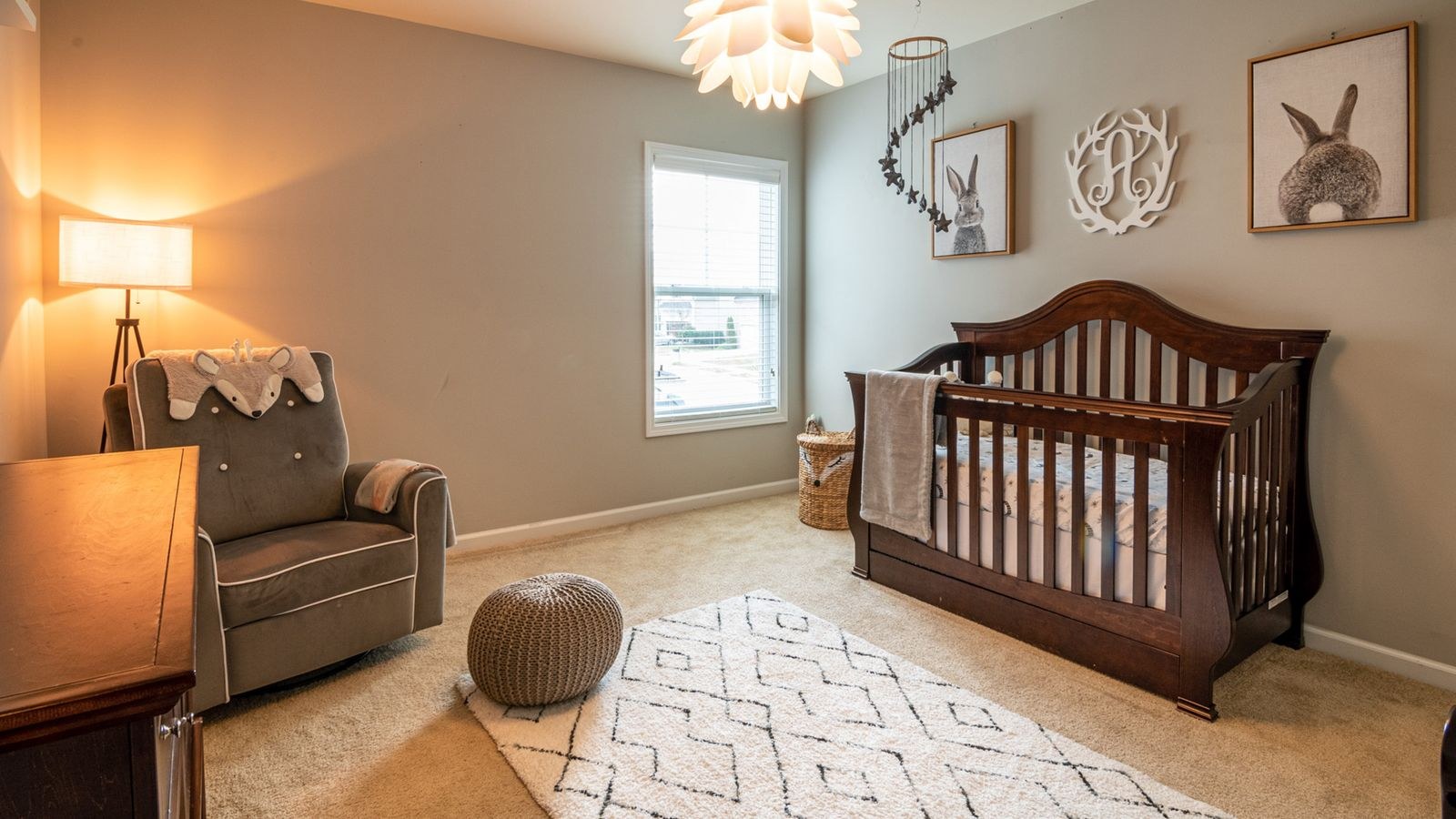
Strip the shopping list to essentials and it is short. A safe sleep surface, a place to change a diaper, a comfortable adult seat for feeding, storage for clothes and supplies, and controllable lighting. Everything else is optional and can wait until you know how you use the room.
- Crib or bassinet. The one non-negotiable. A full-size crib works from birth, so a bassinet is a convenience rather than a requirement.
- Changing surface. A dedicated table or a dresser fitted with a contoured pad and a safety strap.
- Seating. A glider or rocker, because you will spend hundreds of hours in it.
- Dresser or storage. Drawers beat open shelves for clothing; bins beat baskets for bulk supplies.
- Lighting. A dimmable main source plus a warm, low-level night light.
What you can skip initially: a wipe warmer, a full toy storage system, a second seat, and decorative items that need to leave the crib before sleep anyway. Buy the seat and the crib well; economize elsewhere.
Choosing a Crib Safely
Modern cribs sold new meet mandatory safety standards, so the main decisions are practical rather than regulatory. Slat spacing must not exceed 2 3/8 inches, corner posts should be flush, and the mattress must fit snugly with no more than roughly two fingers of gap at any edge. Drop-side cribs are banned and should never be bought secondhand.
Adjustable mattress height matters more than parents expect. Start at the highest setting for easy lifting of a newborn, then lower it as soon as the baby can push up on hands and knees, and again before they can pull to stand. Convertible cribs that become a toddler bed and later a daybed are good value if you intend to keep the frame, but check whether the conversion kit is included or sold separately, because that changes the real price considerably.
The mattress itself should be firm, flat and free of pillowy toppers. A soft mattress is a suffocation risk regardless of how comfortable it looks. Keep the crib empty apart from a fitted sheet: no bumpers, no loose blankets, no pillows and no plush toys during sleep.
Gliders Versus Rockers Versus Recliners
This is the single decision that most affects how the room feels to use at night. All three move, but they move differently and suit different bodies and rooms.
Gliders
A glider moves on a fixed horizontal track, producing a smooth forward-and-back motion at a constant height. Because the base stays flat on the floor, there are no curved runners to catch a toe or a pet tail, and the motion is quiet and easy to sustain with a sleeping baby on your chest. Most gliders are upholstered, wider than a traditional rocker and available with a matching ottoman. The trade-off is the mechanism: pinch points between the moving seat and the base are a genuine concern once the child is crawling, so look for a design with enclosed or shielded linkages and a locking function.
Rockers
A traditional rocker sits on curved runners and tips slightly as it moves. The arc is more pronounced, which some babies settle to faster. Wooden rockers take up less floor area, cost less and have no mechanism to fail or pinch, but they are harder on hard floors and require a rug or floor protectors. Upholstered rockers split the difference. Our comparison of the best rocking chairs for nursery use covers runner shapes and seat depths in more detail, while the best glider chairs roundup focuses on mechanism quality and locking features.
Reclining and Swivel Options
A glider that also reclines and swivels costs more and takes more clearance, but for night feeds it is the most comfortable option available, effectively a bed you can doze in without leaving the room. Measure carefully: a reclining glider needs several inches behind it and a wide arc in front. Whatever style you choose, sit in it for at least ten minutes before deciding. Arm height is the detail that decides comfort during feeding, and it is impossible to judge from a photograph. Broader options across all three styles appear in our list of the best nursery chairs.
Changing Tables and Dressers
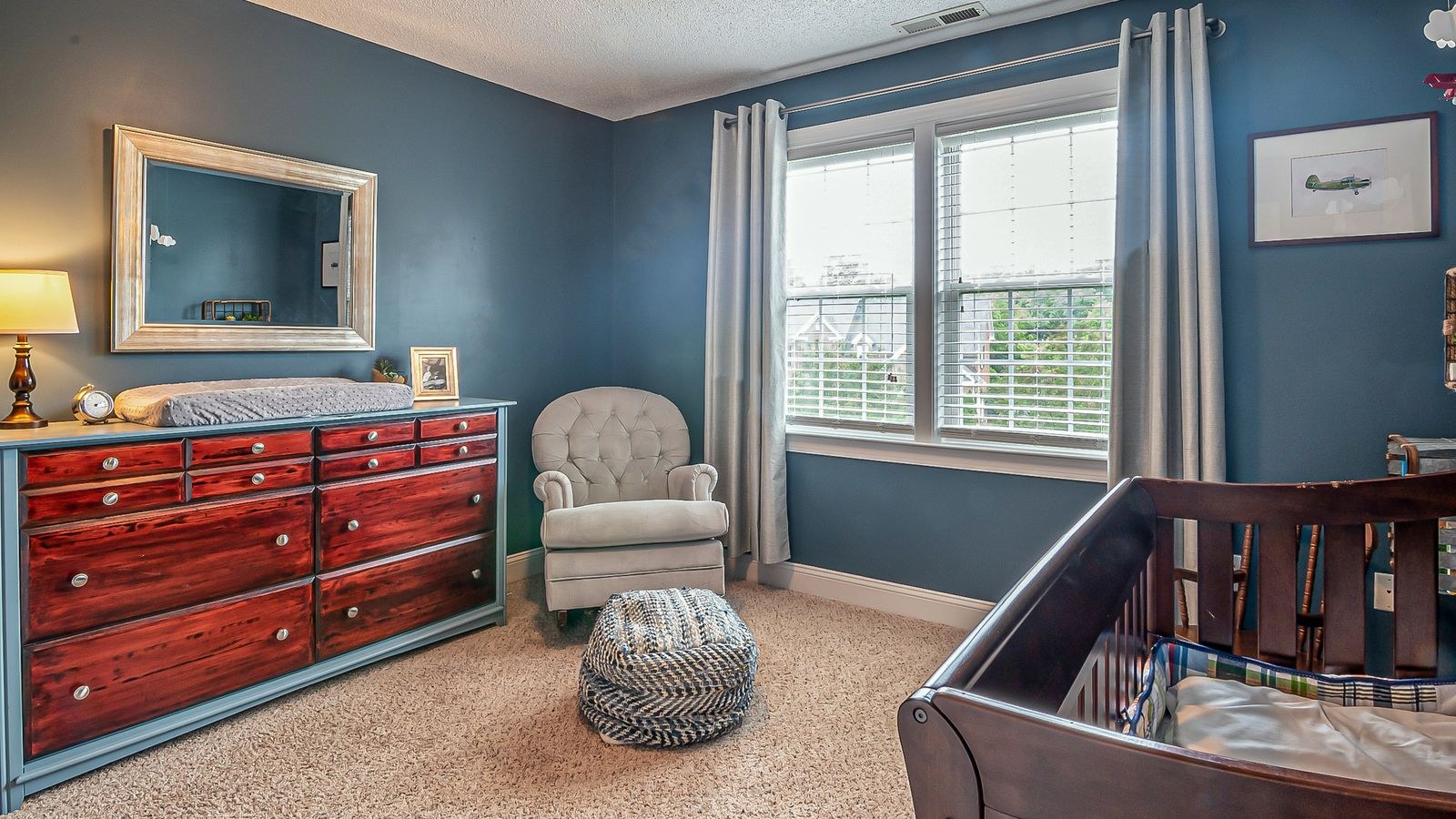
A dedicated changing table has a raised safety rail on all sides and open shelving beneath. A dresser topped with a contoured changing pad does the same job and remains useful for a decade after diapers end, which makes it the better long-term buy for most families. Whichever you choose, three rules apply: the surface should sit near waist height so you are not bending, the pad must be secured to the furniture, and the safety strap must actually be used every time.
Never step away from a changing surface, even for a moment, and keep supplies within arm’s reach so you are never tempted to. Store creams, powders and anything else out of the baby’s reach but within yours, typically in a top drawer or a shelf behind you rather than on the changing surface itself.
For drawers, look for smooth glides with a stop that prevents the drawer pulling all the way out, and a design where only one drawer opens at a time if available. Both features reduce tip-over risk considerably once the child is mobile.
Anchoring, Placement and Room Layout
Every tall piece in the nursery must be anchored to a wall stud with the supplied hardware. Dressers, bookcases and changing tables all qualify. Check the straps twice a year, because wood movement and repeated drawer use loosen them over time.
Placement matters as much as anchoring. Keep the crib away from windows, blind cords, wall-mounted shelves, curtains and heat sources. Cords are a strangulation hazard and should be cordless or fully secured out of reach. Leave clear walking space between the door, the crib and the chair, since you will navigate that path in the dark. Put the changing station near the door if possible so supply runs are short, and keep the chair in the quietest corner with a small side table within reach for a bottle, a phone and a glass of water.
Lighting the Nursery
Lighting is the most underrated element of a nursery. Bright, cool overhead light at 2am wakes everyone fully and makes settling harder. Aim for layers: a dimmable ceiling fixture for daytime and diaper changes, a warm lamp beside the chair for feeding, and a very low night light for orientation.
Color temperature is the specification to check. Warm light in the 2200K to 2700K range signals evening to the body and is far less disruptive than daylight-white bulbs. Save cooler light for daytime play. Dimmable bulbs paired with a dimmer switch, or simply a lamp with a low-wattage warm bulb, give you the control you need without rewiring. Our light bulbs for nursery guide explains the color temperature and dimming choices in detail, and the best light bulbs for nursery roundup narrows it to specific warm, flicker-free options. Avoid any lamp that can be pulled from a surface, and keep cords secured behind furniture.
Materials, Finishes and Air Quality
Babies spend more hours in this room than anyone else in the house, so finishes matter. Look for low-VOC or GREENGUARD Gold certified furniture, particularly for engineered wood pieces that can off-gas formaldehyde. Solid hardwood with a water-based finish is the safest and most durable option, though it costs more.
If furniture arrives with a strong chemical smell, air the pieces in a ventilated space for several days before the baby uses the room. Avoid painted secondhand furniture manufactured before 1978 unless you are certain the finish is lead-free, and repaint any older piece with a certified child-safe finish rather than assuming the original is fine.
Budget Tiers and What to Prioritize
Entry-level nursery sets use engineered wood and basic upholstery. They meet the same safety standards and are perfectly adequate, especially for a single child. Mid-range spending buys solid hardwood cribs, better drawer hardware and a glider with a decent mechanism and washable cover, which is where most families get the best value. High-end pieces add hand-applied finishes, premium fabrics and heirloom construction.
If the budget is tight, spend it on the chair. It is used more hours than any other item in the room, and a cheap seat with thin foam becomes uncomfortable within months. The crib can be modest as long as it is new, certified and correctly assembled. Storage is the easiest place to economize, since a plain dresser and fabric bins do the job perfectly.
Common Nursery Mistakes
The most frequent is buying a matched five-piece set for the visual effect and discovering that the changing table becomes useless within two years. The second is choosing the chair last and on price, when it deserves the largest share of the budget. The third is decorating the crib with bumpers, quilts and plush toys that must be removed before every sleep. The fourth is installing bright, cool overhead lighting with no dimmer, guaranteeing a full wake-up at every night feed. Finally, many parents postpone anchoring furniture until the baby is mobile, which leaves a window where a heavy piece is unsecured in a room a toddler suddenly explores.
Frequently Asked Questions
Is a glider or a rocker better for a nursery?
A glider gives smoother, quieter motion and no curved runners to trip over, which suits most modern nurseries. A traditional rocker costs less, takes less space and has no mechanism to pinch small fingers. Comfort during feeding, especially arm height, should decide it.
Do I need a changing table or will a dresser work?
A dresser with a secured contoured pad works just as well and stays useful long after diapers end. The important factors are waist height, a pad that is fixed to the surface, and a safety strap you use every time.
When should I lower the crib mattress?
Lower it as soon as the baby can push up on hands and knees, and move it to the lowest setting before they can pull to stand. Waiting until they are already standing is the most common timing error.
What lighting is best for night feeds?
A warm, dimmable low-level light around 2200K to 2700K. Warm light is far less disruptive to settling than cool daylight-toned bulbs, and a dimmer lets you keep the room dark enough that everyone can go back to sleep.
Is secondhand nursery furniture safe?
Dressers and gliders are usually fine if they are structurally sound and can be anchored. Cribs are the exception: buy new so you know the frame meets current standards, has no recalled drop side and comes with complete original hardware.
Final Thoughts
A nursery works when the essentials are chosen carefully and everything else is kept simple. Buy a certified crib with a firm, snug mattress and adjust its height on schedule. Spend generously on the glider or rocker, because that is where the hours go. Use a dresser as a changing station so the piece outlives the diaper years, anchor everything tall, and layer warm dimmable lighting so night feeds do not become full wake-ups. Get those five decisions right and the room will serve you well through 2026 and long past the newborn stage, without the clutter of pieces bought only because a checklist suggested them.