Owen Bradley
 Bed sizes look like a simple list until you try to put one in an actual room. A queen sounds obviously better than a full until you realise it leaves 14 inches of walkway on one side. A king sounds generous until you discover it needs two separate mattresses’ worth of bedding logic and a doorway wide enough to get it upstairs. Choosing well means matching three things at once: the dimensions of the mattress, the floor area of the room, and the clearance you need to walk, open doors, and pull out drawers. This bed size guide gives the exact measurements for every standard size, the room dimensions each one realistically needs, and the trade-offs nobody mentions in the showroom. Use it before you buy anything in 2026.
Standard Bed Dimensions at a Glance
These are the standard sizes used across North America. Manufacturing tolerances mean an inch of variation is normal, so measure the specific mattress if the fit is tight.
- Twin: 38 by 75 inches. The smallest standard adult size.
- Twin XL: 38 by 80 inches. Same width, five inches longer.
- Full (double): 54 by 75 inches. Sixteen inches wider than a twin, same length.
- Queen: 60 by 80 inches. The most popular size sold.
- King (standard or eastern): 76 by 80 inches. Effectively two twin XL mattresses side by side.
- California King: 72 by 84 inches. Four inches narrower and four inches longer than a standard king.
Two comparisons are worth internalising. A queen gives each of two sleepers 30 inches of width, which is less than a single twin bed each. And a California king is not bigger than a king; it trades width for length, which only benefits people over about six feet tall.
Room Size Requirements
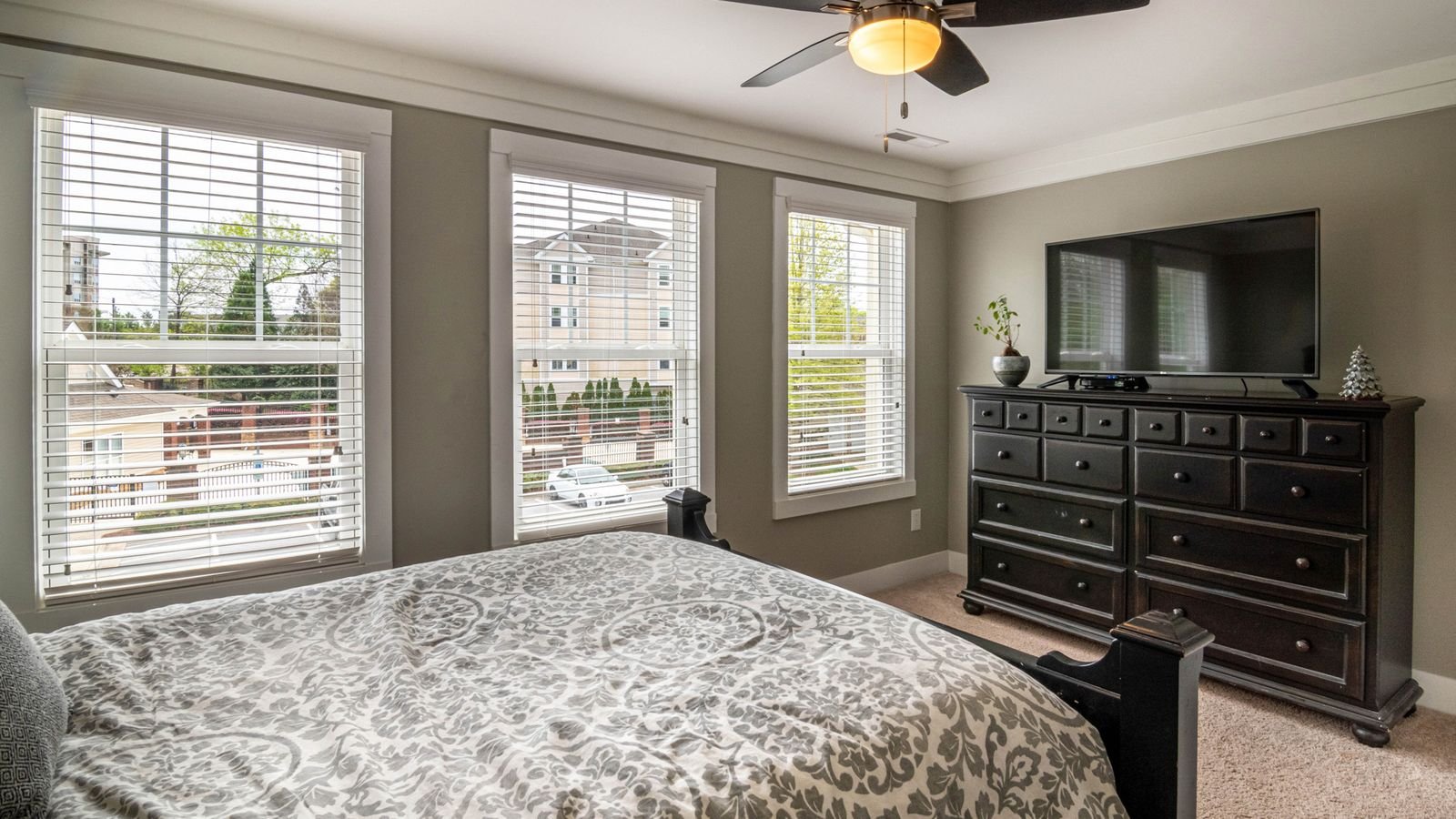
The rule that governs bedroom layout is clearance: you want at least 24 inches of walking space on every side you use, and 30 to 36 inches on the main route in and out. Apply that and the minimum room dimensions become concrete.
- Twin: minimum 7 by 10 feet. Comfortable at 8 by 10 feet with a nightstand.
- Twin XL: minimum 7 by 10.5 feet.
- Full: minimum 9 by 10 feet. Comfortable at 10 by 12 feet.
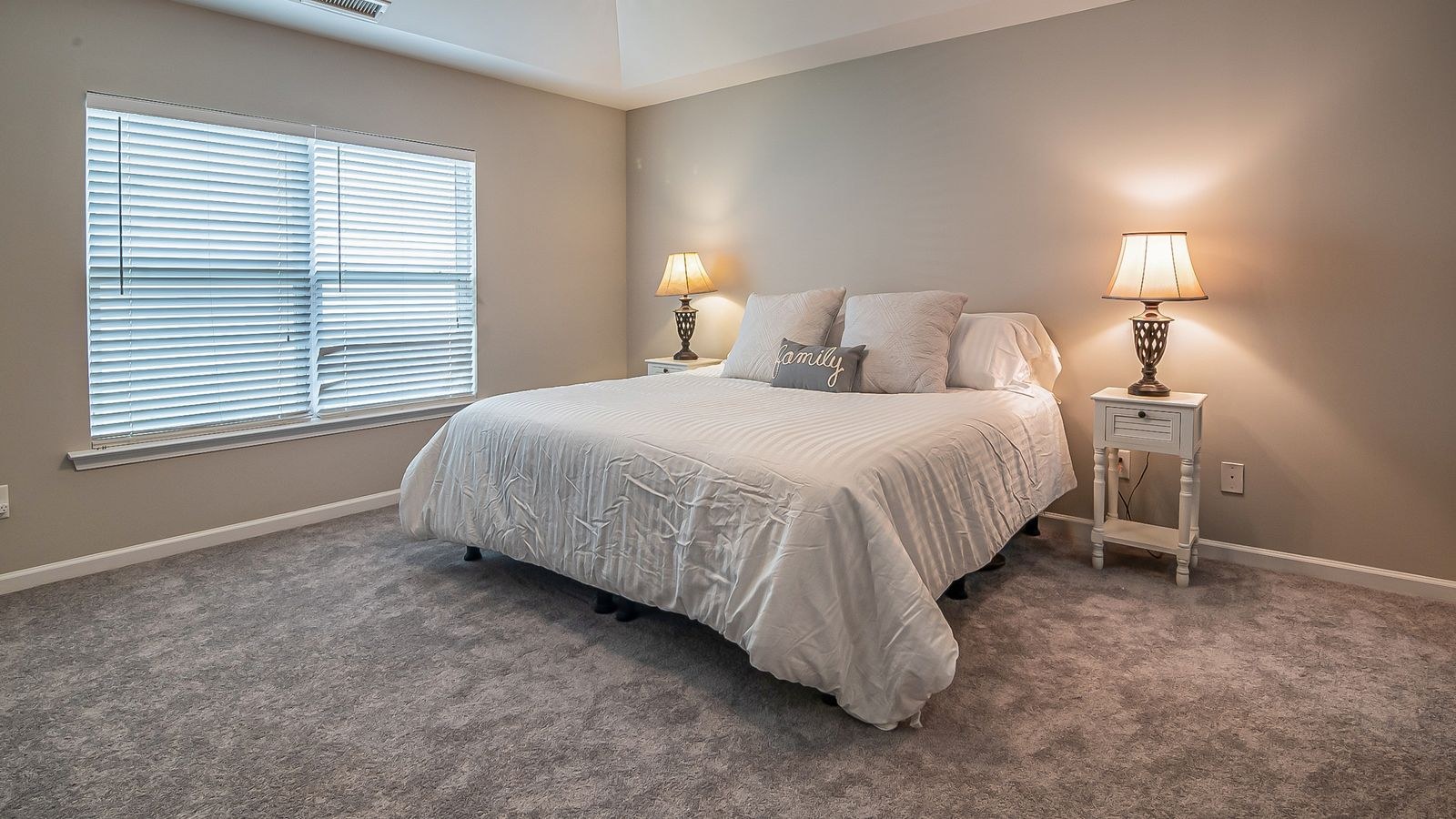
- Queen: minimum 10 by 11 feet. Comfortable at 12 by 12 feet with nightstands on both sides.
- King: minimum 12 by 12 feet. Comfortable at 13 by 13 feet.
- California King: minimum 12 by 12.5 feet, given the extra length.
Those minimums assume nothing else is in the room. Add a dresser and you need another 3 feet of depth along one wall for the unit plus drawer pull-out clearance. Add a wardrobe with swinging doors and budget 2 feet of arc in front of it.
Check the Obstacles, Not Just the Area
Square footage is misleading because doors, windows, and radiators dictate where a bed can physically go. A 12 by 12 room with a door swinging into the only long wall may not take a king at all. Before committing, tape the mattress footprint onto the floor and walk the route you take at night. Test opening the door fully, opening a wardrobe, and pulling a dresser drawer out with the tape in place.
Choosing by Who Sleeps in It
One Adult
A twin works but feels tight for anyone who moves in their sleep. A full gives a single adult genuinely comfortable room and is the sweet spot for a small bedroom. A queen for one person is luxurious and usually the size people upgrade to and never regret, provided the room supports it.
Two Adults
A queen is the practical default and the reason it outsells everything else. A full for two adults gives each person 27 inches of width, which is narrower than a crib mattress and works only as a compromise. A king is the right answer if either sleeper moves a lot, if a child or pet joins the bed, or if one partner’s movement wakes the other.
Tall Sleepers
Anyone over about six feet should look at the 80-inch lengths: twin XL, queen, or king. A 75-inch twin or full leaves a tall sleeper’s feet hanging off. If height is the primary issue for a couple, a California king’s 84 inches is the longest standard option available.
Children and Guest Rooms
A twin suits a child’s room and leaves the most floor for play. Twin XL is the standard in college dormitories, so it is worth matching if the bed will move with them. For guest rooms used a few nights a year, a full is the efficient compromise between comfort and floor space.
Sofa Bed Sizes Follow the Same Rules
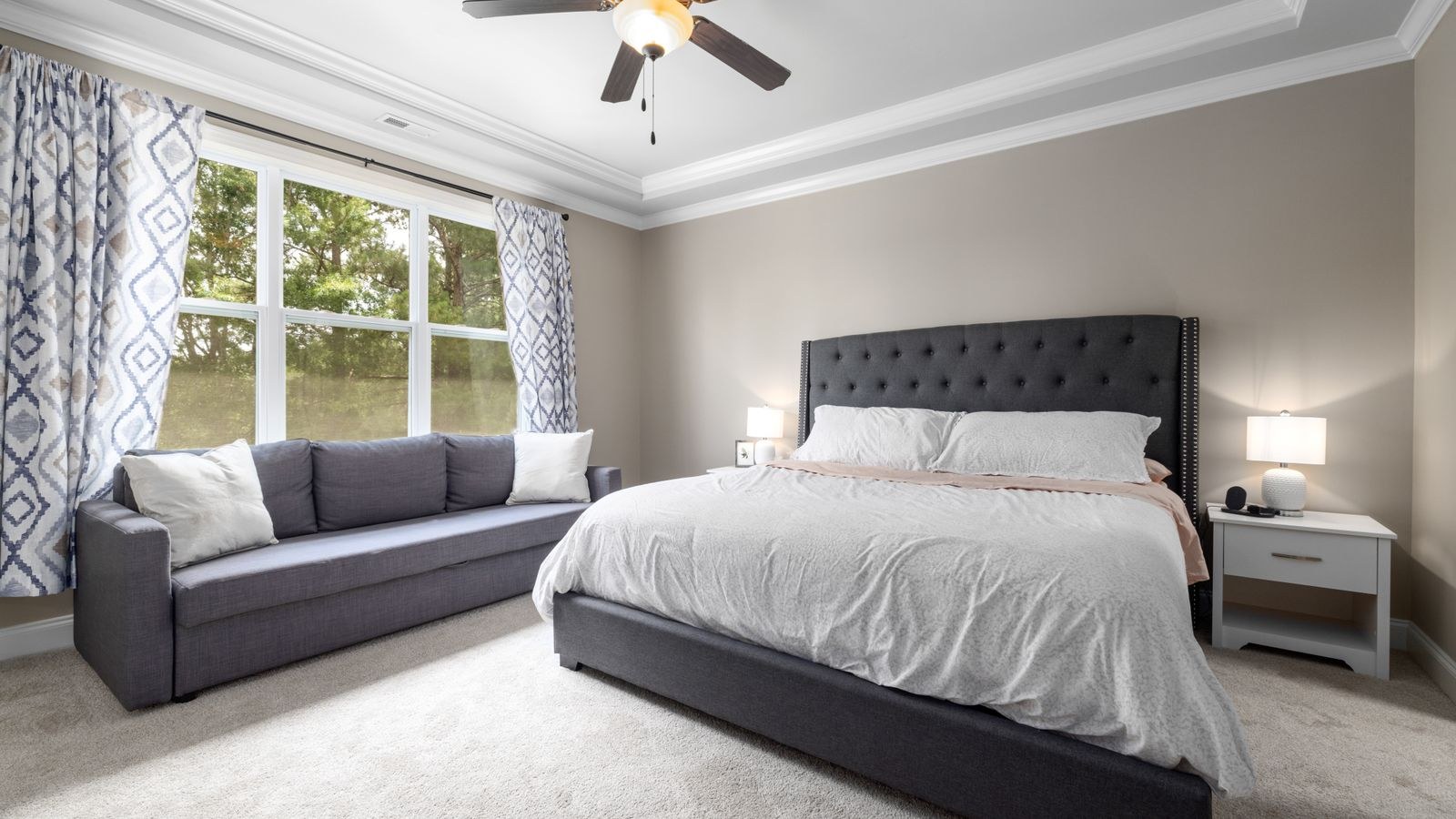
Convertible beds use the same size names, but the mattress inside is thinner and the open footprint is longer than the mattress alone because the frame extends forward. Measure the deployed depth, not the mattress, when planning clearance in a small room.
Size selection follows the same sleeper logic. A queen convertible gives couples the same 60-inch width as a standard bed, which is why the best queen sleeper sofas are the most common choice for guest-heavy homes with no spare bedroom. In narrow rooms and home offices, the best twin sleeper sofas open into a much smaller footprint and often fit where nothing else will. Between the two sits the full, and the best full-size sleeper sofas accommodate a single adult comfortably or two at a squeeze while consuming noticeably less floor when deployed than a queen.
One caveat applies across all of them. Sofa bed mattresses are typically 4 to 5 inches thick over a metal mechanism, so comfort depends far more on the mattress and frame quality than on the size. Comparing the best queen size sofa beds on mechanism type and mattress thickness matters more than the extra six inches of width. If the room can take a permanent bed at all, the best furniture for bedroom route delivers more comfort per pound spent than any convertible.
The Costs That Follow the Size Decision
The mattress price is only part of the bill, and larger sizes carry knock-on costs that are easy to overlook.
- Bedding. Sheets, duvets, and mattress protectors all scale in price with size, and king bedding is often more than double queen pricing rather than proportionally more.
- Frame and support. Queen and king frames require a centre support rail with legs to the floor, which cheaper frames sometimes omit.
- Delivery access. A king mattress is 76 inches wide and, if it is not a foam bed-in-a-box, must be carried up stairs and around landings in one piece. Measure the narrowest turn on the route.
- Nightstands. A king plus two nightstands needs roughly 116 inches of wall. Many bedrooms simply do not have it.
- Room resale flexibility. A bed sized to fill a room leaves no arrangement options later.

King Versus California King
The naming is unhelpful, so treat this as a straightforward trade. A standard king is 76 inches wide by 80 long. A California king is 72 by 84. You are exchanging 4 inches of width for 4 inches of length.
Choose a standard king if width matters most: two sleepers who want maximum personal space, or a bed shared with children or pets. Choose a California king only if one or both sleepers are tall enough that 80 inches leaves their feet at the edge, or if the room is long and narrow so the extra length fits better than extra width.
Practically, standard king bedding and frames are far easier to find and cheaper than California king equivalents, so the narrower option carries an ongoing convenience penalty. Do not choose it simply because the name sounds larger.
Common Bed Sizing Mistakes
- Buying the biggest bed the room technically fits. Clearance is what makes a bedroom feel restful, not mattress area.
- Forgetting the door swing. A bed that blocks a door from opening fully is a daily irritation and sometimes a safety issue.
- Assuming a California king is bigger. It is narrower than a standard king, just longer.
- Ignoring the delivery route. Stairwell turns defeat rigid mattresses and box springs regularly.
- Sizing a full for two adults long term. It works short term and becomes a source of poor sleep over years.
- Overlooking nightstand wall length. The bed fits, then there is nowhere to put a lamp.
- Not budgeting for bedding. The jump from queen to king adds a meaningful ongoing cost.
A Quick Decision Sequence
- Measure the room and mark obstacles. Doors, windows, radiators, and closet swings.
- Subtract clearance first. 24 inches on used sides, 30 to 36 on the main route.
- See which sizes remain. The room usually eliminates options before preference does.
- Apply the sleeper test. Number of people, heights, and how much anyone moves at night.
- Check the delivery path. Narrowest doorway, stairwell turn, and ceiling clearance.
- Tape the footprint and live with it for a day. The cheapest test available.
Frequently Asked Questions
What size room do I need for a king bed?
At least 12 by 12 feet to keep 24 inches of clearance on both sides and the foot. Thirteen by 13 feet is comfortable and leaves room for nightstands and a dresser without crowding the walkways.
Is a queen big enough for two adults?
For most couples, yes. A queen gives each sleeper 30 inches of width. If either partner moves a lot, or children and pets join the bed, a king is worth the extra room.
What is the difference between a king and a California king?
A standard king is 76 by 80 inches; a California king is 72 by 84. The California version trades 4 inches of width for 4 inches of length, so it suits tall sleepers rather than those wanting more space.
How much space should be around a bed?
At least 24 inches on any side used for getting in and out, and 30 to 36 inches on the main circulation route. Add extra depth in front of any dresser or wardrobe for drawers and doors.
Is a full bed big enough for two people?
Only as a compromise. A full gives each sleeper 27 inches of width, which is narrower than a twin bed each. It works in a small room or for occasional use, but couples sleeping together nightly usually want a queen.
Final Thoughts
Bed sizing works best in reverse. Measure the room, subtract the clearance you need to walk and open things, and let what remains determine the shortlist. Then apply the sleeper test for number of occupants and height, and check the delivery route before you order. A queen suits most couples in most rooms; a full suits one adult or a compact space; a king earns its footprint only when the room genuinely holds it with clearance intact. Tape the footprint on the floor and live with it for a day before committing, and the bed you choose in 2026 will make the room feel larger rather than smaller.