Owen Bradley
 The pitch for DIY home security is simple: buy the kit once, install it yourself in an afternoon, and never pay a monthly fee again. The pitch for professional monitoring is equally simple: when the alarm sounds at three in the morning and your phone is face-down on silent, somebody else is awake and dialling the police. Both arguments are true, and the right answer depends far more on your household’s habits than on the hardware. This comparison breaks down the real costs over five years, the response-time difference that actually matters, the contract traps to check before signing, and a decision framework for choosing between them.
What Each Option Actually Means
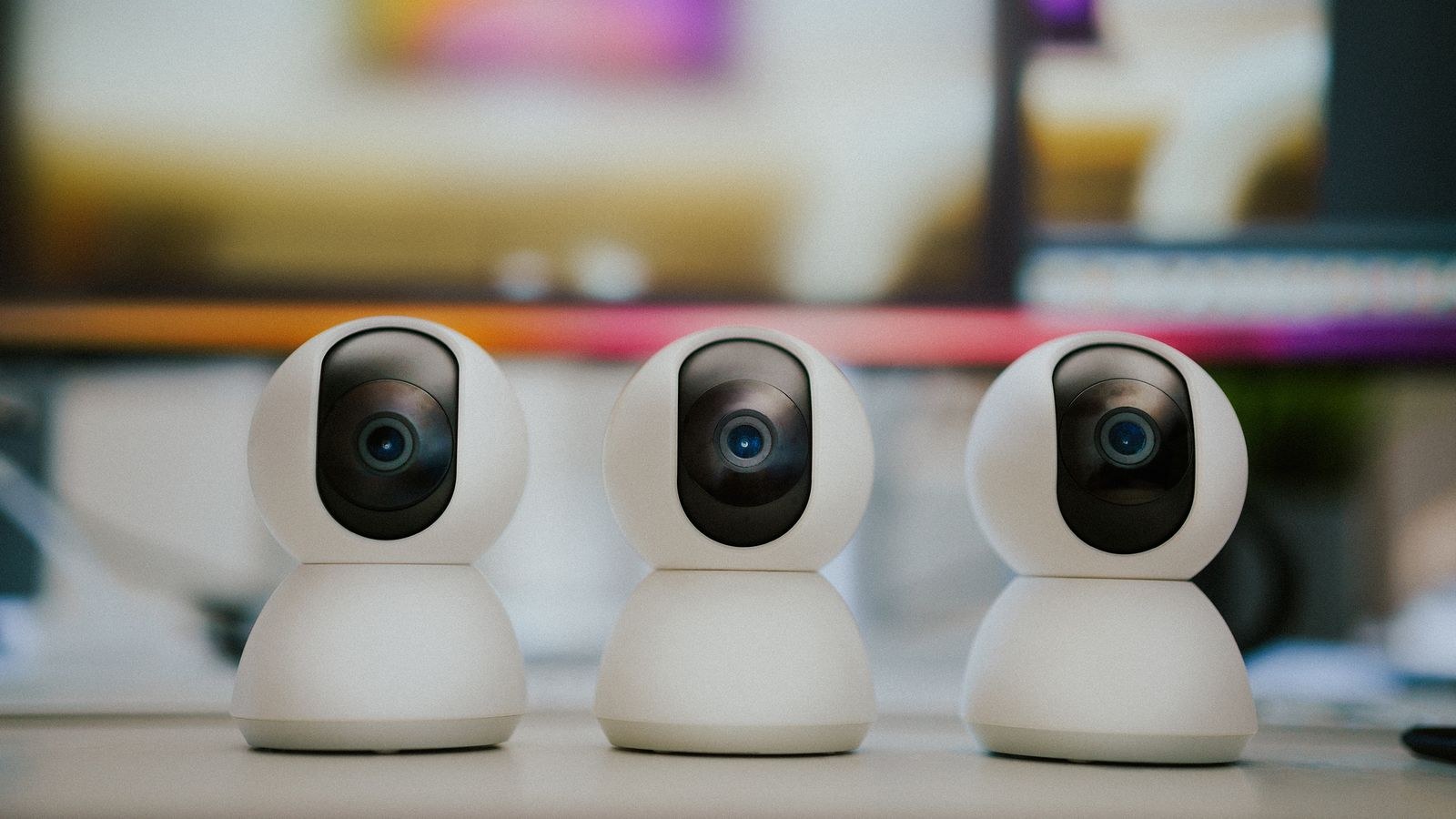
A DIY self-monitored system is hardware you buy outright: a hub, door and window contacts, motion sensors, a siren, and usually cameras. Alerts go to your phone through an app. You decide whether to call the police, check a camera feed, or ignore it. There is no contract and often no recurring fee beyond optional cloud video storage.
A professionally monitored system adds a central station staffed around the clock. When a sensor trips, the station receives the signal, attempts to verify by calling you, and dispatches emergency services if you do not respond or give the wrong passphrase. The hardware may be identical; you are paying for the humans and the redundant communication path.
The middle ground has grown considerably. Many DIY brands now sell optional monitoring on a rolling monthly basis with no contract, letting you switch it on for a holiday and off again afterwards. That flexibility has quietly made the old binary choice much less binary.
The Real Cost Over Five Years
Compare total cost of ownership rather than sticker price, because the two models front-load and back-load expense differently.
A DIY route typically means a few hundred dollars for a starter kit covering a door, a couple of windows, and a motion sensor, plus roughly $50 to $150 per additional sensor or camera. Optional cloud video storage runs from a few dollars a month to around $20 for multi-camera plans. Over five years, a modest self-monitored setup with one video subscription commonly lands somewhere between $600 and $1,200 all in, and the hardware remains yours.
Professional monitoring usually costs $20 to $60 per month depending on features such as cellular backup, video verification, and smart home control. Over five years that is $1,200 to $3,600 in fees alone, on top of equipment that may be free, discounted, leased, or financed. Leased equipment is the detail people miss: if the hardware is not yours, cancelling means returning it and starting over.
The crossover point usually arrives around the second year. Beyond that, DIY is clearly cheaper in pure dollars. Whether the saving is worth it depends entirely on what happens when the alarm goes off.
Response: The Difference That Justifies the Fee
This is the heart of the comparison. Self-monitoring works only if someone reliably sees and acts on the alert. In practice, phones are on silent during meetings, dead overnight, in aeroplane mode on holiday, or in a cinema. Central stations answer signals in seconds and follow a documented escalation script every single time, regardless of the hour.
There is also a verification advantage. Many police forces now respond faster to alarms that come with verification, meaning a person at the monitoring station has confirmed activity via video or audio before dispatching. Unverified alarms sit lower in the priority queue in some areas, and several jurisdictions charge fines for repeated false alarms. A monitoring service that filters false alarms before calling is worth more than the raw dispatch capability.
Finally, monitored systems normally include cellular backup and battery power, so cutting the phone line or the electricity does not disable them. Many DIY kits also offer this, but often as a paid tier, so check rather than assume.
Installation and Practical Effort
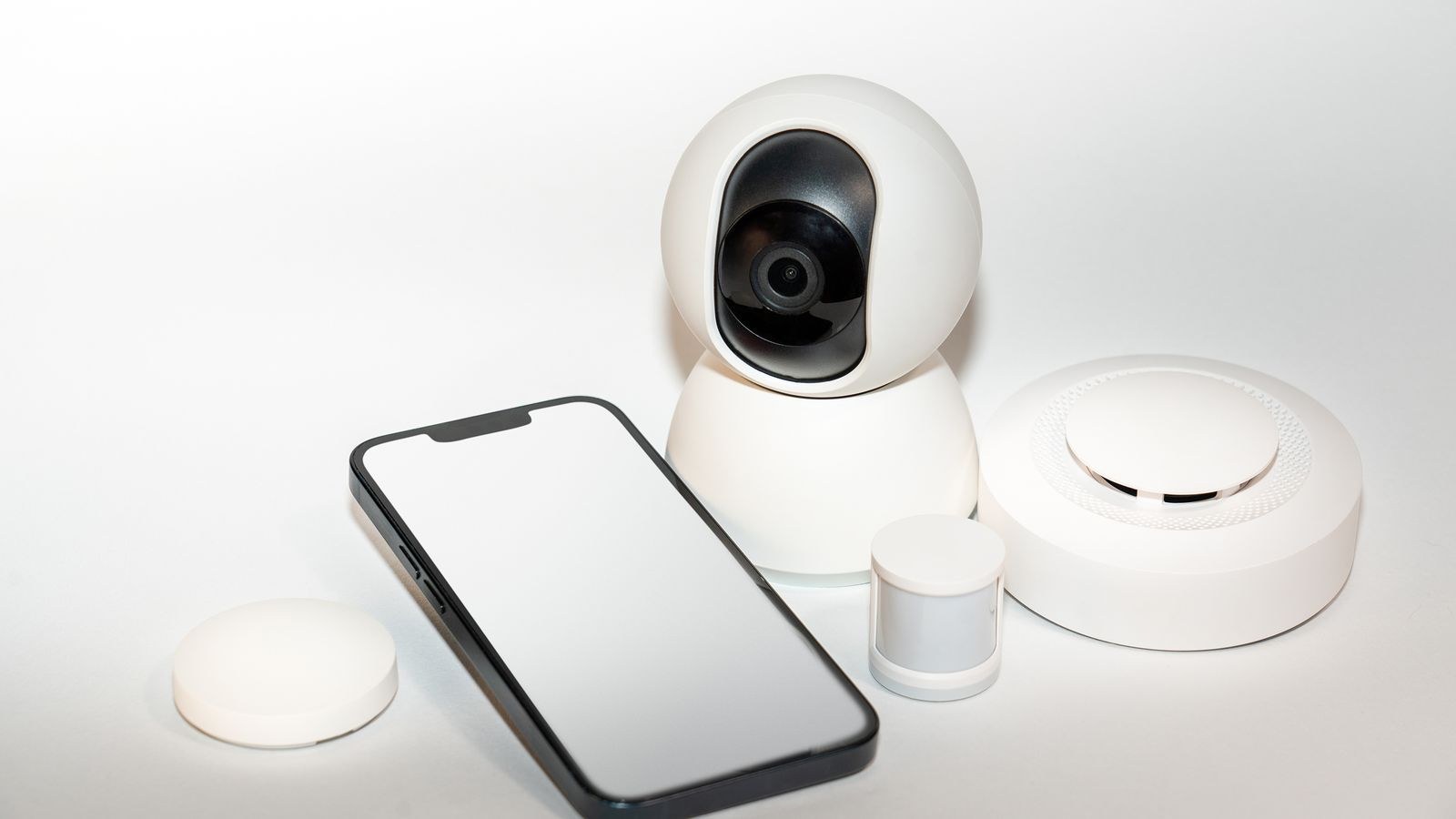
Modern DIY kits are genuinely easy. Sensors are adhesive-mounted, pairing is done by scanning a code, and a typical three-bedroom house takes two to three hours to fit and test. The main effort is planning: deciding which doors and windows matter, where a motion sensor covers the most ground without seeing the cat, and where the hub gets both power and signal.
Professional installation removes that planning burden and usually includes a walkthrough of your property’s weak points, which is genuinely valuable if you have an unusual layout, outbuildings, or existing wiring from an old system. It also means a technician tests every device on a schedule. The tradeoff beyond cost is appointment scheduling and, in some cases, drilling into walls that a renter cannot justify.
For anyone renting or likely to move, DIY has a decisive practical advantage: the whole system comes off the wall in twenty minutes and goes up again at the next address. That portability is why the category grew so quickly, and the kits featured in the best DIY home security systems are largely designed around exactly that use case.
Contract Terms to Read Before Signing
- Contract length. Multi-year agreements are common with subsidised equipment. Find the early termination fee before you sign, not after.
- Equipment ownership. Leased hardware must be returned; owned hardware can be repurposed or sold.
- Price escalation. Some agreements permit annual increases. Ask for the cap in writing.
- Moving clause. Check whether the contract transfers to a new address and whether relocation carries a fee.
- Cancellation notice. Some services require written notice weeks ahead or auto-renew for another term.
- Cellular backup. Confirm whether it is included or an upgrade, because it is the feature that keeps the system alive during an outage.
- Video storage. Ask how many days are retained and how many cameras the plan covers.
Rolling monthly monitoring with no contract has become common enough that a long lock-in should be treated as a negotiating point rather than an industry norm.
Insurance, Permits, and Local Rules
Many home insurers discount premiums for a professionally monitored alarm, typically a modest percentage, and some offer a smaller discount for self-monitored systems with cameras. Ask your insurer for the exact figures before deciding, since a discount can offset a meaningful share of the monthly fee.
Check local alarm regulations too. Some municipalities require a permit for a monitored alarm system and levy escalating fines for repeated false dispatches. That is another reason verification matters: a monitoring service that filters accidental trips protects you financially as well as practically.
Which One Fits Your Household
DIY Self-Monitoring Suits You If
You rent or expect to move within a few years. Someone is usually home or reachable. You already run a smart home and want security to integrate with it. Your priority is deterrence and evidence rather than guaranteed dispatch. You are comfortable testing your own equipment periodically. In these cases, the fee saving is real and the response gap is small, and the options in the best wireless home security systems cover kits that install without any drilling.
Professional Monitoring Suits You If
The house sits empty for long stretches, whether for work travel, a second property, or a rental you manage. Someone in the household is elderly, has a medical condition, or would struggle to call for help. Your insurer offers a discount large enough to narrow the gap. You live somewhere with slow unverified alarm response or a genuine burglary rate. Or, simply, you do not want responsibility for reacting at three in the morning. Full-service options are compared in the best home security systems, and the equipment-focused breakdown in the best alarm systems for home helps if you want to match sensors to your layout first.
The Hybrid Approach
Buying DIY hardware and adding optional monitoring on a monthly basis is now the most sensible default for many households. You own the equipment, avoid lock-in, and can enable monitoring during holidays or after a local break-in, then switch it off again. Some homeowners also keep monitoring on the intrusion sensors only, while self-monitoring cameras to avoid paying for video verification they do not need. Reviewing the best security systems across both models makes the hybrid options easier to spot.
What Matters More Than the Monitoring Question
Coverage quality outweighs the monitoring decision. A monitored system with two sensors is worse than a self-monitored one that actually covers every ground-floor entry point. Prioritise contacts on all exterior doors and accessible windows, a motion sensor in the main circulation path, a loud interior siren, and a camera at the primary entrance.
Deterrence also matters more than most people expect. Visible cameras, a yard sign, exterior lighting, and solid locks prevent far more incidents than any alarm resolves, because most opportunistic intruders simply move to an easier target. Spend on the basics before spending on tiers.
Frequently Asked Questions
Will police respond to a self-monitored alarm?
They respond to your call, not to your app. That means the response starts only once you notice the alert and dial, which is the core difference from a monitored service.
Can I switch monitoring on and off?
With many DIY brands, yes, on a rolling monthly basis. Traditional providers with subsidised equipment usually require a contract term instead.
Does a self-monitored system lower my insurance?
Sometimes, but the discount is typically smaller than for professional monitoring. Ask your insurer for both figures before you choose, since the gap varies widely by provider.
What happens during a power or internet outage?
Look for battery backup and cellular failover. Without them, a self-monitored system goes silent exactly when it is most needed, and this is a common gap in cheaper kits.
Is DIY equipment lower quality?
Generally no. Sensors and sirens are comparable, and many DIY kits use the same underlying components. The difference is the service wrapped around them, not the hardware.
Final Thoughts
Frame the decision around one honest question: if the siren sounded while you were unreachable, what would you want to happen? If the answer is that you would rather someone else made the call, monitoring earns its fee. If the answer is that a phone alert and a camera clip would be enough, DIY saves you thousands over a decade with no meaningful loss.
Whichever way you lean, buy the coverage first and the service second. Cover every entry point, insist on battery and cellular backup, read the contract terms before signing anything, and check with your insurer for a discount. Do that, and either path will serve you well through 2026 and beyond, because the system that protects a home is the one that is actually complete, tested, and switched on.