Owen Bradley
 Three appliances, three similar-looking boxes, three very different jobs. Air purifiers, dehumidifiers, and humidifiers are constantly confused in shops and in search results, partly because they all sit in the same aisle and partly because their marketing all promises healthier air. In reality only one of them removes anything from the air, and the other two move moisture in opposite directions. Getting the choice wrong wastes money and sometimes makes the original complaint worse. This guide on air purifier vs dehumidifier vs humidifier explains what each machine physically changes, which household symptoms point to which device, and when you genuinely need more than one running at the same time.
The One-Line Difference
- An air purifier removes particles and gases from the air. It does not change humidity or temperature at all.
- A dehumidifier removes water vapor from the air. It does not filter dust or odors in any meaningful way, and it warms the room slightly.
- A humidifier adds water vapor to the air. It filters nothing and can make particle problems marginally worse if the tank is dirty.
If you remember only that, you will already choose correctly most of the time. Purifiers deal with what is floating in the air; the other two deal with how much water is in it.
How an Air Purifier Works
A purifier is a fan that pulls room air through a stack of filters and pushes it back out. A pre-filter catches hair and coarse dust, a true HEPA element captures at least 99.97 percent of fine particles including pollen, mold spores, pet dander, and smoke, and an activated carbon stage adsorbs odor and vapor molecules that pass straight through the HEPA media.
The performance figure to read is clean air delivery rate, quoted in cubic feet per minute for smoke, dust, and pollen. Divide the room volume by that flow to work out air changes per hour; five is the benchmark for allergy relief. Nothing about this process touches humidity. Run a purifier all winter in a dry house and the air stays exactly as dry as it was, just cleaner.
Buy one if your complaints are sneezing, itchy eyes, visible dust settling quickly, lingering cooking or pet odor, or smoke from outdoors. If you want the underlying specifications explained in more depth before shortlisting, our general air purifier buying guide covers CADR, filter grades, and sizing, while the best air purifiers for rooms groups models by the coverage they actually deliver at usable fan speeds.
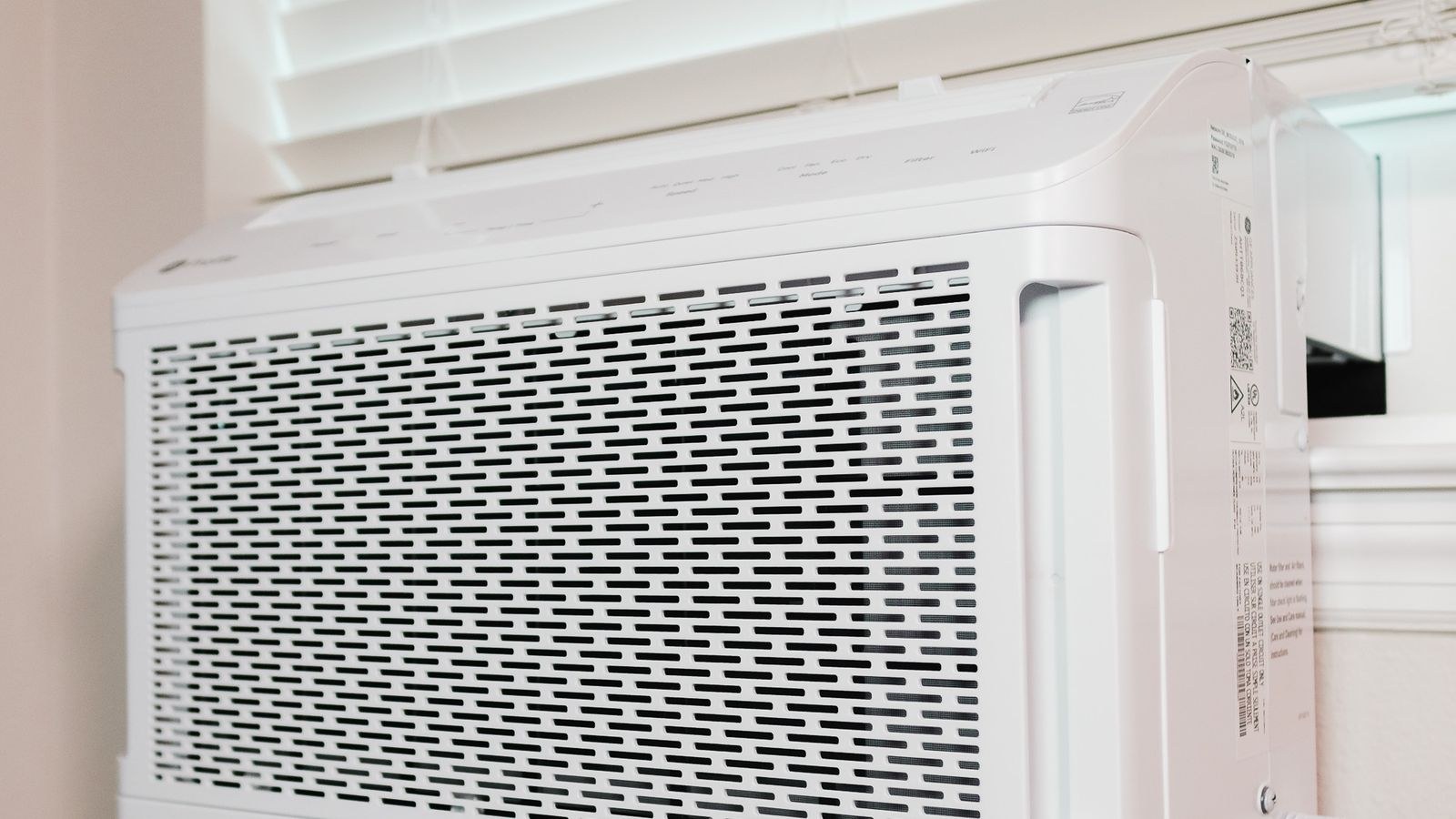
How a Dehumidifier Works
Most home dehumidifiers are refrigeration machines. A fan draws room air over a cold evaporator coil, water condenses out onto the coil and drips into a bucket or a drain hose, and the now-dry air passes over a warm condenser coil on its way back into the room. Because the compressor dumps heat, a dehumidifier raises room temperature by a couple of degrees, which is welcome in a basement and unwelcome in an August bedroom.
Desiccant models use a moisture-absorbing wheel instead of refrigeration. They are quieter, work far better in cold spaces below about 60 degrees where compressor units frost up, and use somewhat more electricity.
Capacity is rated in pints of water removed per day. A moderately damp room might need a 20-pint unit; a wet basement can call for 50 pints or more. Buy one if you have condensation on windows in summer, a musty smell, damp patches or efflorescence on basement walls, laundry that never dries, or persistent mold in a bathroom. For sizing by room and dampness level, the best dehumidifiers for bedrooms covers the quieter, smaller end of the range that suits living spaces.
How a Humidifier Works
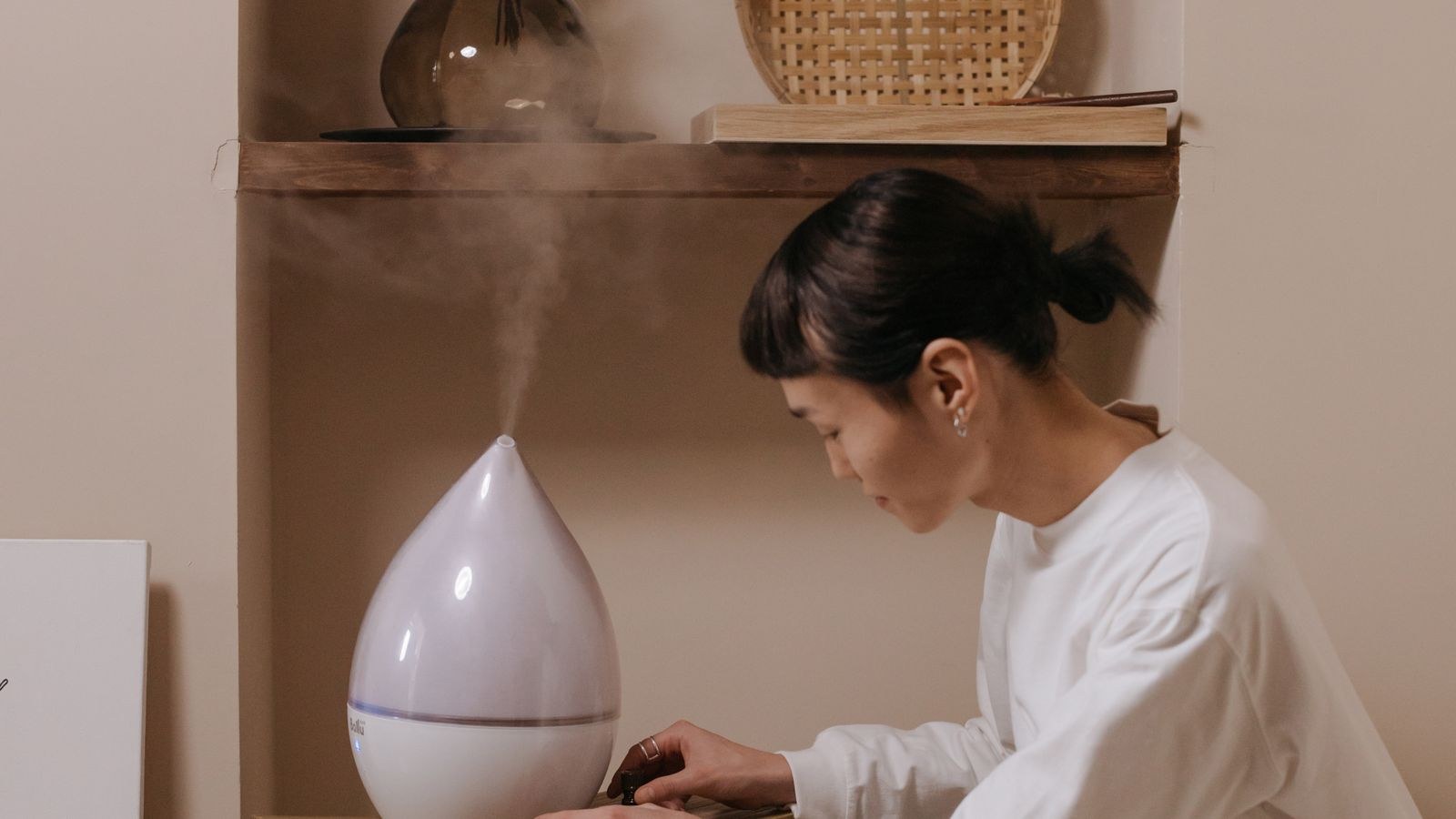
A humidifier does the reverse, introducing water vapor into dry air. Evaporative models blow air through a wet wick, ultrasonic models vibrate water into a fine mist, and warm mist models boil water into steam. Output is limited by tank size and the coverage rating in square feet, and a built-in humidistat lets the machine hold a target rather than running until dry.
Buy one if you get static shocks, cracked lips and dry sinuses, morning nosebleeds, gaps appearing in hardwood floors or furniture, or instruments that drift out of tune. These complaints cluster in winter, when cold outdoor air infiltrates a heated house and its relative humidity collapses. For most households a portable cool mist unit in the bedroom addresses the symptoms that matter; our roundup of the best cool mist humidifiers sorts candidates by room coverage and noise.
Diagnosing Which One You Need
Before buying anything, spend a few dollars on a digital hygrometer and place it in the affected room away from vents and exterior walls. The reading answers most of the question immediately.
- Below 30 percent: too dry. You need a humidifier, and air sealing will help for free.
- 30 to 50 percent: the healthy band. If you still have symptoms, they are almost certainly caused by particulates, so a purifier is the right buy.
- Above 55 to 60 percent: too damp. You need a dehumidifier and better ventilation.
Symptoms map cleanly too. Sneezing and itchy eyes point to allergens and a purifier. A musty smell points to moisture and a dehumidifier. A dry throat and static point to a humidifier. Odors from cooking or pets are a carbon filtration problem. Condensation on glass is a moisture problem, never a filtration one.
The Overlap Everyone Misses: Mold and Dust Mites
The most common allergy triggers in a home are dust mites and mold, and neither is fundamentally solved by a purifier. Both populations depend on humidity. Dust mites cannot survive sustained relative humidity below about 50 percent, and mold needs roughly 60 percent at a surface to establish itself.
That means a household with mite or mold allergies in a damp climate should often buy a dehumidifier first and a purifier second. The purifier catches spores and mite debris already airborne, which brings real relief, but only the dehumidifier stops them being produced in the first place. Treating the symptom with filtration while leaving the room at 65 percent is an endless job.
The reverse trap exists too. Running a humidifier hard to relieve a dry throat can push a bedroom past 60 percent, which grows the dust mite population and worsens the allergy symptoms you were also trying to fix. Target 40 to 45 percent and stop there.
When You Genuinely Need Two Machines
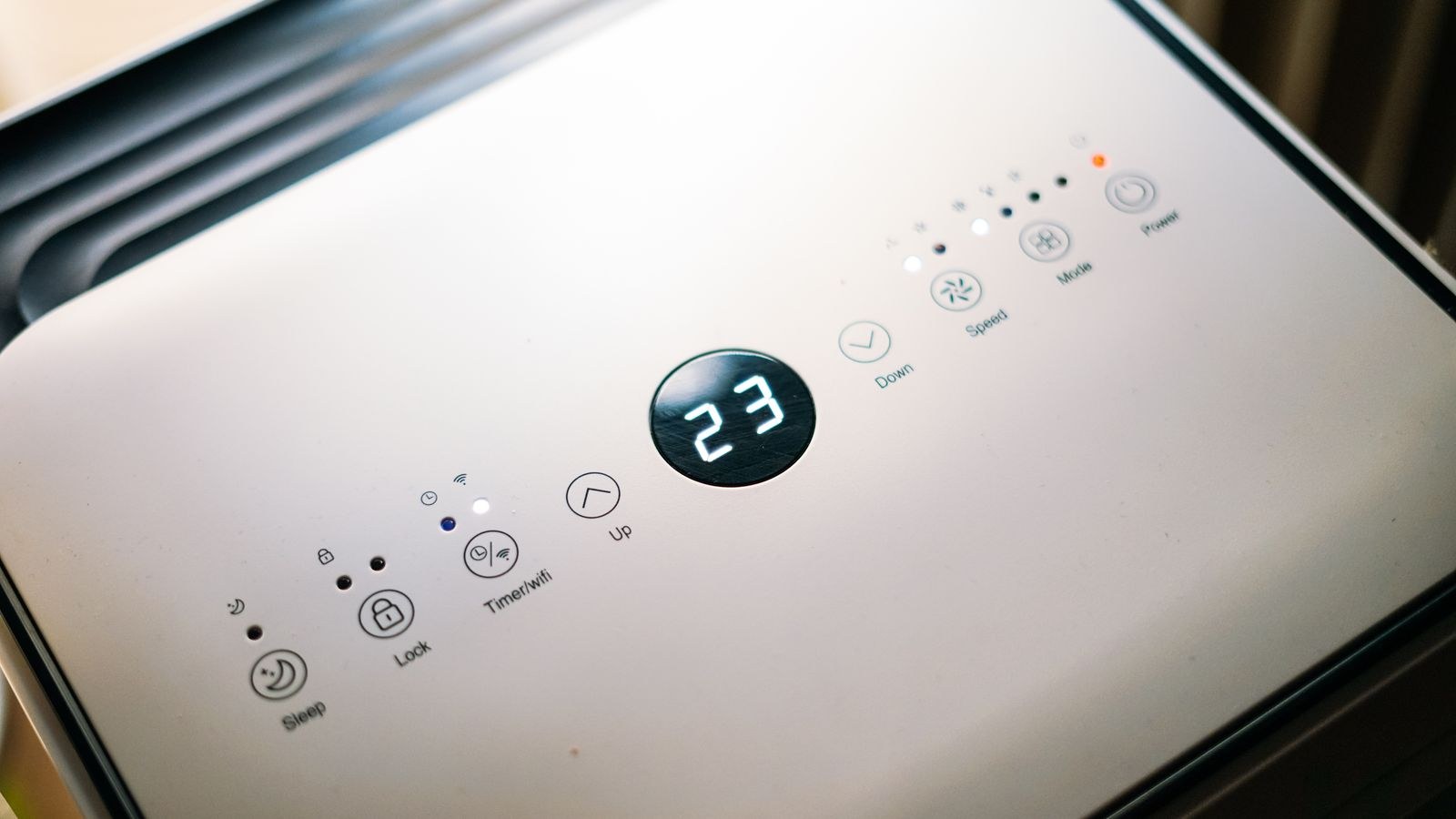
Plenty of homes need a purifier plus one moisture appliance, and that combination is entirely sensible because they address independent variables. A purifier and a dehumidifier running together in a damp basement workshop is a common and effective pairing. A purifier and a humidifier in a dry winter bedroom is equally reasonable.
What almost never makes sense is a humidifier and a dehumidifier in the same room at the same time. They will fight, cycling against each other and consuming electricity to achieve nothing. Running one in a damp basement while another runs in a dry upstairs bedroom is fine, since those are separate zones with genuinely different conditions.
Seasonal alternation is the normal pattern in most climates: dehumidifier from late spring through early autumn, humidifier from late autumn through early spring, purifier year-round. Store the idle one rather than leaving it plugged in.
Combination Units: Worth It or Not?
Manufacturers sell hybrids, most commonly a humidifier with a filter stage bolted on. They save floor space and a power outlet, which matters in a small bedroom. The tradeoff is that combination machines usually compromise on both functions: the filtration is smaller than a dedicated purifier’s and the humidifier output is modest.
There is also a maintenance issue. Filters near a moisture source can dampen, and damp filter media grows microbial life. If you go this route, choose a design that keeps the filter physically separated from the mist path and follow the cleaning schedule strictly. For an honest look at what these units do well and where they fall short, see our comparison of the best humidifiers and air purifiers.
As a general rule, buy separates if you have the space and the outlets. Two dedicated machines will outperform one hybrid at similar total cost, and you can replace or retire either one independently.
Running Costs and Noise Compared
A purifier draws roughly 20 to 60 watts on moderate settings, so electricity is trivial; the real cost is filters, typically $50 to $120 a year for HEPA and carbon combined. A humidifier draws even less if it is ultrasonic, more if it is a warm mist unit boiling water, and its consumables are wicks or demineralization cartridges. A dehumidifier is the expensive one, drawing 300 to 700 watts with the compressor running, which can add noticeably to a summer power bill, though it has no consumables beyond an occasional filter rinse.
On noise, ultrasonic humidifiers are the quietest, often under 30 dB. Purifiers are quiet on low and loud on high, which is why sizing up and running slow is the standard advice. Compressor dehumidifiers are the loudest of the three and vibrate, so they belong in a basement or utility area rather than beside a bed where possible.
Common Mistakes
The most frequent error is buying an air purifier to fix a musty smell. Carbon will mask a little of it, but the odor is coming from active mold or mildew and will persist until the moisture is controlled. The mirror image is buying a dehumidifier for hay fever, which does nothing about pollen entering through a window.
Other traps include running a humidifier without a hygrometer and quietly creating a condensation problem, sizing a dehumidifier by price rather than by pints per day so it runs constantly and never catches up, closing a purifier into a corner where restricted airflow halves its output, and assuming any of the three will improve carbon dioxide levels or stuffiness, which only fresh-air ventilation fixes.
Frequently Asked Questions
Can a dehumidifier clean the air?
Only incidentally. Its filter is a coarse mesh protecting the coil, not a HEPA element. It improves air quality indirectly by suppressing mold and dust mites, but it does not remove pollen or smoke.
Does an air purifier help with mold?
It captures airborne spores, which helps symptoms, but it cannot stop mold growing. Controlling humidity below 50 percent is the actual solution.
Which should I buy first if I can only afford one?
Check the hygrometer. If humidity is outside 30 to 50 percent, fix that first. If it is already in range and you still have symptoms, buy the purifier.
Can an air conditioner replace a dehumidifier?
Partly. Cooling condenses moisture as a side effect, and a correctly sized system removes a lot. An oversized unit short-cycles and leaves the air damp, so some homes need both.
Is it safe to run a purifier and humidifier together?
Yes, provided you keep them a few feet apart so mist does not settle on the purifier’s filter, and you hold humidity below 50 percent.
Final Thoughts
Buy a hygrometer before you buy an appliance. The number it shows tells you whether you have a moisture problem in one direction or the other, and if humidity is already healthy, your problem is particles and a purifier is the answer. Match the machine to the actual measurement rather than to the symptom you find most annoying, size it for the room instead of the hallway, and resist the temptation to solve a damp basement with filtration or a pollen allergy with a dehumidifier. Most homes end up with a purifier running year-round and one moisture appliance rotating with the seasons, which is a sensible and inexpensive setup.