Owen Bradley
 Your body clock does not read the calendar; it reads light. For most of human history that meant bright blue-tinted daylight in the morning, gradually warming toward sunset, then near-total darkness. Modern homes deliver the opposite: dim, warm light all day indoors, then bright cool light from screens and ceiling fixtures right up until bedtime. A circadian lighting schedule reverses that mismatch by scheduling brightness and colour temperature to follow the sun rather than your light switch. This tutorial covers how to plan the schedule, which bulbs to buy, how to program the transitions, and how to troubleshoot the mistakes that make people abandon the setup in the first week.
The Two Numbers That Matter
Everything in circadian lighting comes down to colour temperature and intensity. Colour temperature, measured in kelvin, describes whether light appears warm and orange or cool and blue. Candlelight sits near 1800K, a traditional incandescent bulb around 2700K, midday sunlight around 5500K to 6500K. Intensity is simply how much light reaches your eyes, measured in lux at eye level rather than lumens at the bulb.
Blue-rich light in the morning suppresses melatonin and signals alertness. Warm, dim light in the evening allows melatonin to rise. Both signals need to be strong enough to register, which is why a single warm lamp in a dark room in the morning does nothing useful, and why one bright cool ceiling fixture at eleven at night can undo an otherwise perfect evening routine.
What You Will Need
- Tunable white or full-colour smart bulbs covering at least 2200K to 5000K, in the rooms you occupy most.
- An app or hub that supports scheduled scenes and gradual fades, not just on and off timers.
- A room-by-room list of every fixture, noting which you actually use at which times of day.
- A lux measurement, available from a free phone app, to check whether your mornings are genuinely bright.
- Optional: warm amber or red bedside lamps for the final hour before sleep.
- Optional: motion sensors for hallways and bathrooms so night trips do not trigger bright white light.
Step-by-Step: Building the Schedule
- Fix your wake and sleep times first. The schedule anchors to your body, not the clock face. Write down your target wake time and target sleep time, and be honest about what you actually do rather than what you aspire to. Every transition below is defined relative to those two anchors.
- Audit your rooms by time of use. Walk through the house and note when each space is occupied. A kitchen and home office are morning and daytime rooms and need cool, bright capability. A bedroom and living room are evening rooms and need deep warm dimming. A bathroom needs both, which makes it the hardest room to get right.
- Buy tunable bulbs for the rooms that matter. You do not need to convert the whole house. Prioritise the space where you spend your first waking hour and the space where you spend your last waking hour. Everything else can follow later. A comparison of the best smart bulbs is useful here, since tuning range and dimming floor vary considerably and both determine how well the schedule works.
- Set the morning wake block. From your wake time through the following two hours, aim for the brightest, coolest light you can comfortably tolerate: 4000K to 5000K and full output. This is the strongest signal in the entire schedule and the one most people underspecify. If your morning room is dim, add a lamp rather than turning up a single fixture. Bulbs in the daylight bulb range are ideal for a fixed morning lamp if you would rather not make every fitting tunable.
- Program a sunrise fade if the bulbs support it. Rather than snapping to full brightness, schedule a twenty to thirty minute ramp starting before your alarm, moving from a dim warm glow to bright cool white. Waking during a rising light level is markedly gentler than waking to a bright room, and it is the feature people miss most if they later remove it.
- Hold neutral light through the working day. From mid-morning until late afternoon, settle around 3500K to 4000K at a comfortable working brightness. This is a maintenance level rather than a signal, so it should not be fatiguing. Let daylight from windows do as much of the work as possible and open blinds fully.
- Begin the evening wind-down about three hours before bed. Step down to roughly 2700K and reduce output to somewhere near sixty percent. This is where the schedule starts doing real work, and it should feel like the room is relaxing rather than switching off. Choosing bulbs from a range of natural light bulbs with good colour rendering keeps skin tones and food looking right even at these warmer settings.
- Go deeply warm and dim for the final hour. Target 2200K or lower and around twenty percent output. Turn off overhead fixtures entirely and use lamps at or below eye level, since light coming from below the horizon is a far weaker circadian signal than light coming from above. Amber and red-shifted lamps are the strongest option here, and a look at red light bulbs for sleep covers the models made specifically for this last hour.
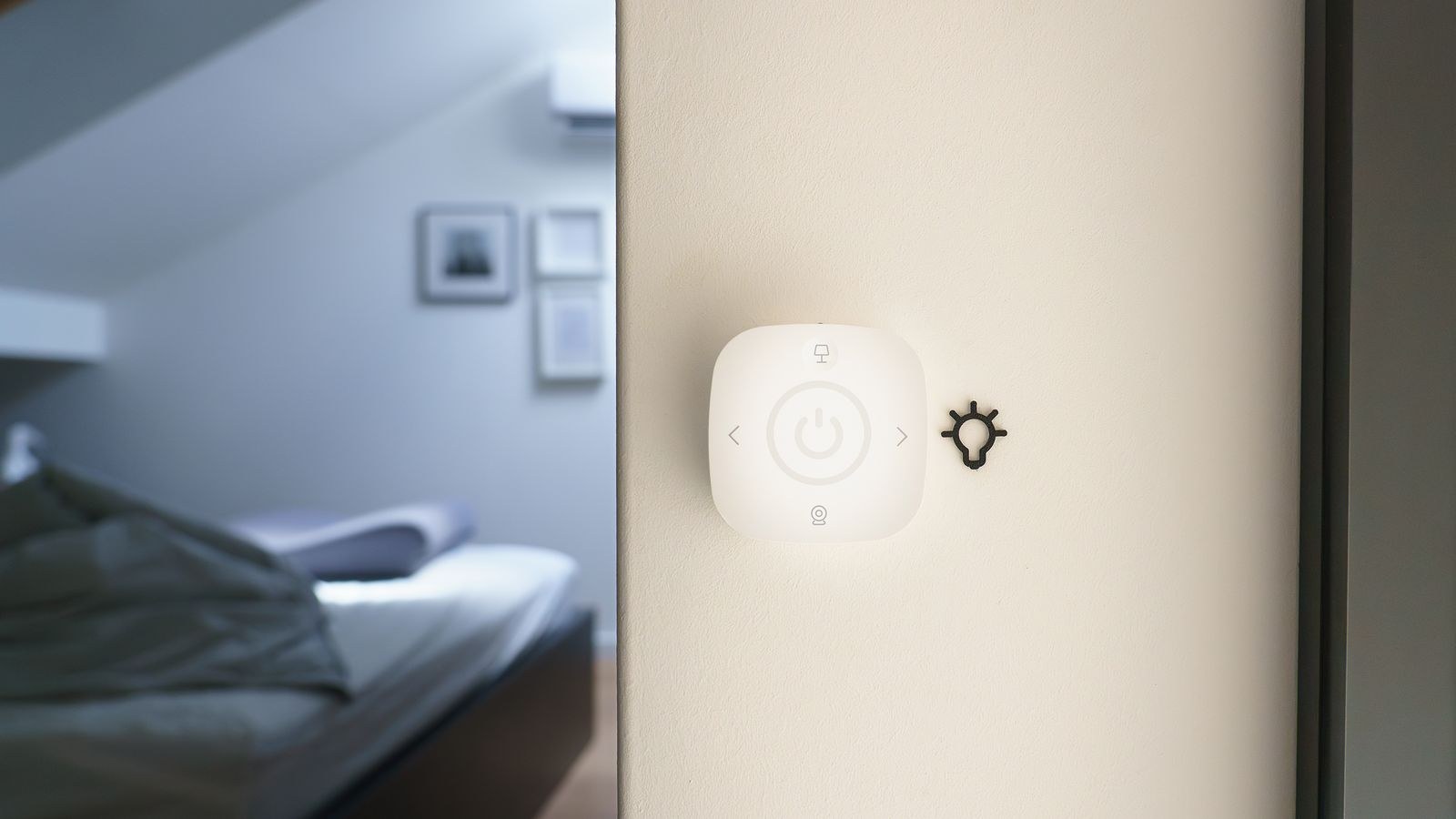
- Handle night-time trips separately. Set bathroom and hallway lights to trigger at their lowest possible brightness and warmest colour between bedtime and wake time, ideally on motion sensors. A single bright bathroom visit at three in the morning can flatten melatonin for the rest of the night, and this is the easiest fix in the whole project.
- Set a sensible power-on default. Configure what the bulbs do after an outage. Restoring the previous state is usually best; defaulting to full cool white means a storm at midnight lights the house like noon.
- Test for one week without changing anything. Live with the schedule as programmed. Note when the light feels too dim to work by, too bright to relax in, or wrong for a specific activity like cooking or reading. Resist the urge to tweak daily, since you cannot evaluate a schedule you keep changing.
- Adjust once, then leave it alone. After the week, make a single round of corrections based on your notes. Add an override scene for tasks that genuinely need bright light in the evening, such as cleaning or a work deadline, so you break the schedule deliberately rather than dismantling it.
A Sample Daily Schedule
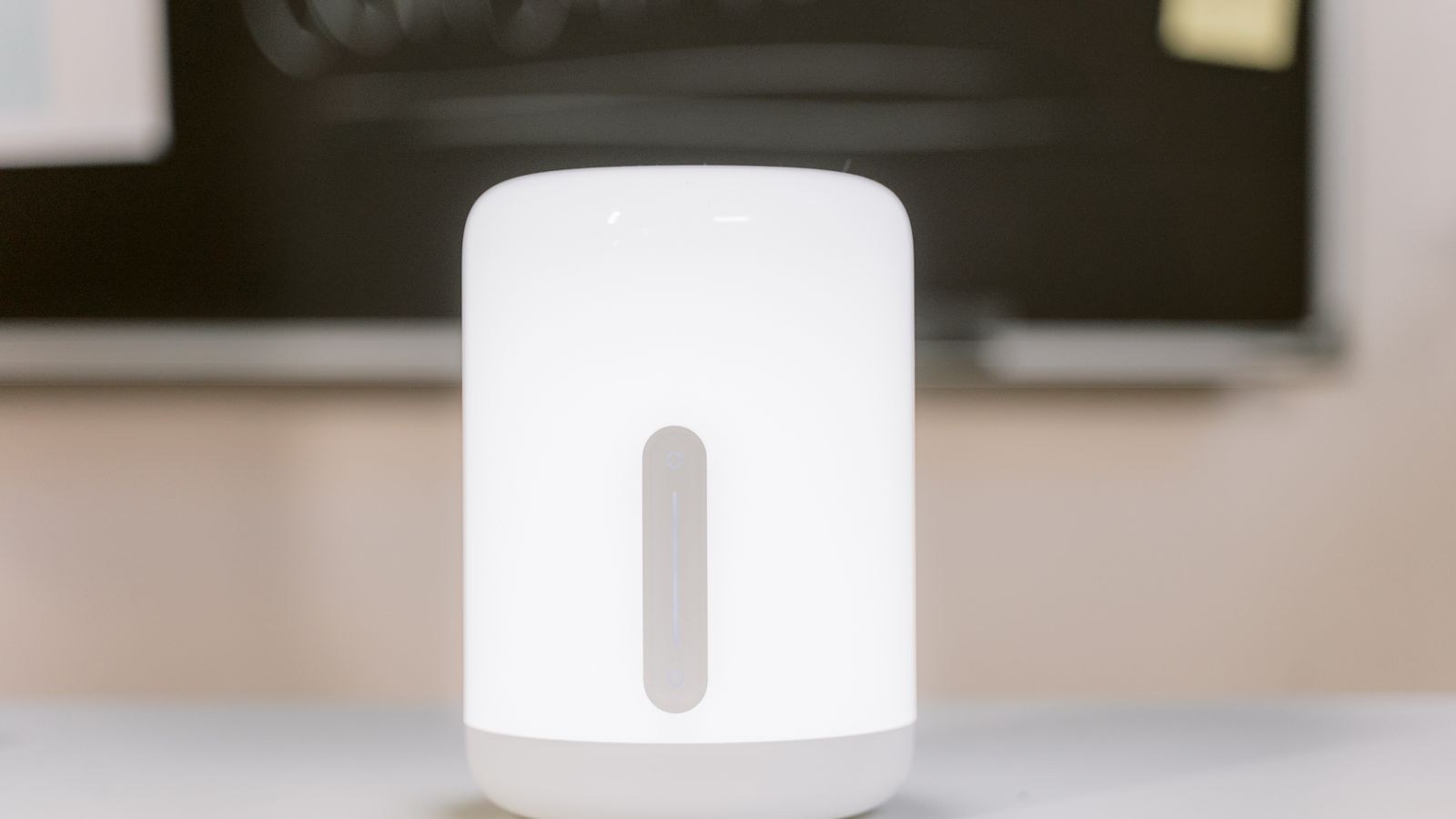
For a household waking at seven and sleeping at eleven, a workable pattern looks like this. From six forty to seven, a gradual sunrise fade from 2200K at five percent to 4500K at eighty percent. From seven to nine, full brightness at 5000K in the kitchen and bathroom. From nine until five, 4000K at a comfortable working level. From five to eight, easing back to 3000K at seventy percent. From eight to ten, 2700K at fifty percent with overheads off. From ten until bedtime, 2000K to 2200K at twenty percent using lamps only. Overnight, any triggered light comes on at the minimum output in the warmest available tone.
Shift that whole pattern earlier or later to match your own anchors. What matters is the shape of the curve and the contrast between the two ends of the day, not the specific clock times.
Safety and Practical Notes
Circadian lighting supports good sleep but is not a medical treatment, and persistent insomnia or suspected seasonal depression warrants a conversation with a doctor rather than a bulb purchase. Bright light therapy devices are far more intense than household lighting and should be used according to their own instructions. Do not fit smart bulbs in enclosed fixtures unless they are explicitly rated for it, since heat destroys the radio and driver electronics. Keep smart bulbs off dimmer circuits, as the two dimming systems conflict. Check damp-location ratings before using them in bathrooms. And remember that screens are part of your light environment, so a perfect lighting schedule undone by a bright phone at midnight will not deliver much.
Common Mistakes
The biggest is making mornings insufficiently bright. People focus almost entirely on dimming the evening, but the morning signal is what actually sets the rhythm, and an under-lit start weakens everything that follows. Measure your morning lux and add light until it is genuinely bright.
The second is leaving overhead fixtures in the evening schedule. Ceiling light enters the eye from above and registers far more strongly than a table lamp, so warming it is not enough; it needs to go off. A third mistake is over-programming, building fifteen transitions that produce constant visible shifts and become irritating within days. Four or five blocks is plenty. A fourth is ignoring the bathroom, which is usually the brightest, coolest room in the house and gets used immediately before bed. Finally, many people give up after two nights because sleep did not transform instantly; circadian adjustment typically takes one to two weeks to show.
Frequently Asked Questions
Do I need colour bulbs or is tunable white enough?
Tunable white covering roughly 2200K to 5000K does everything the schedule requires. Full-colour bulbs are useful only if you also want the deep amber and red tones for the final hour, or ambient colour for other reasons.
How long before I notice a difference?
Most people report easier evenings within a few days and better wake times after one to two weeks. Circadian shifts are gradual, so judge the setup over a fortnight rather than a single night.
Does this replace getting outside?
No. Even an overcast day outdoors is far brighter than any indoor lighting, so a short walk in the morning is the strongest signal available. Indoor scheduling supplements that, particularly in winter and for anyone working indoors all day.
Will warm evening light make it hard to read?
Not if you keep a dedicated task lamp. Use a small directed reading light at moderate brightness while the ambient light stays warm and low. The circadian effect depends mainly on the overall light field, not a focused beam on a page.
Final Thoughts
A circadian lighting schedule is one of the few home automation projects with a genuinely noticeable payoff, but only if you get the shape right. Make mornings bright and cool, keep the middle of the day neutral, start warming three hours before bed, and finish with dim amber light from lamps rather than ceiling fixtures. Convert the two rooms that bracket your day before worrying about the rest of the house, then live with the schedule for a full week before adjusting. Set it once, set it properly, and the lighting quietly does its work every day without you thinking about it again.