Owen Bradley
 Choosing the right vacuum for hardwood floors without scratching them comes down to a handful of design details that are easy to check before you buy. Hardwood is far more delicate than it looks: a factory finish is only a few thousandths of an inch thick, and the damage almost never comes from the vacuum motor. It comes from a spinning brush roll flinging grit across the surface, from hard plastic wheels rolling over trapped debris, and from a nozzle edge dragging directly on the boards. Get those three things right and vacuuming becomes the safest way to clean a wood floor.
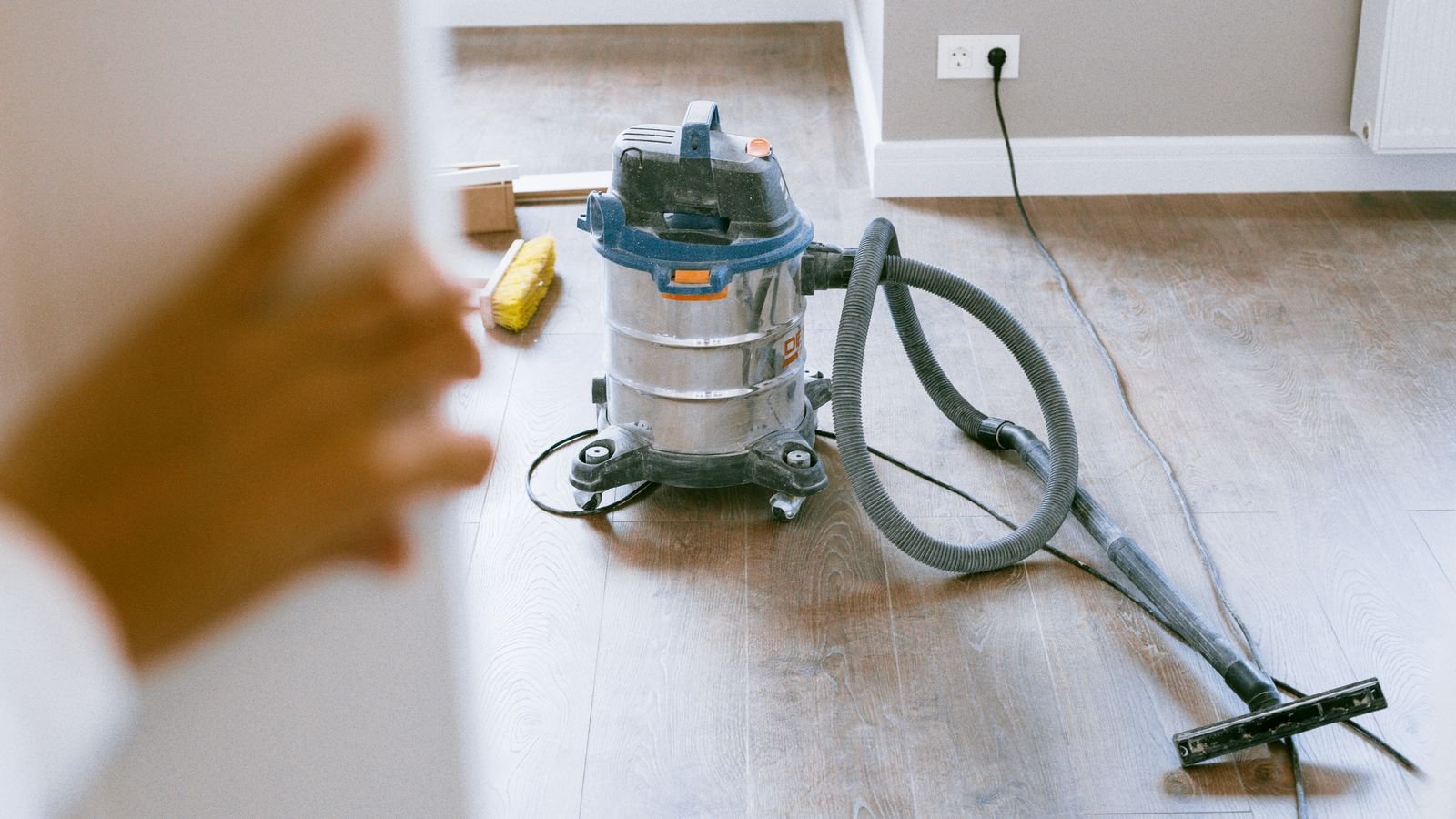
Why Vacuums Scratch Wood Floors in the First Place
Understanding the mechanism makes every later decision obvious. Three culprits do nearly all the damage:
- Stiff nylon brush rolls. A carpet beater bar is designed to agitate fibres. On bare wood it whips sand and grit sideways at speed, and those particles act as sandpaper against the finish. Fine scratch patterns that follow your cleaning path are the giveaway.
- Hard wheels and skids. Cheap vacuums use bare plastic or metal wheels. Once a grain of sand embeds itself in the wheel, every pass cuts a line into the floor.
- Metal nozzle edges and hose clips. The lip of a bare-floor tool, a metal wand end, or a hose that drags behind you can all gouge softwoods like pine and older, worn finishes.
The heat and weight of the vacuum itself are almost never the issue. Focus on contact points and the type of agitation.
The Features That Actually Matter
Brush roll control
This is the single most important specification. You want one of three arrangements: a switch or floor-mode setting that turns the brush roll off completely, an automatic sensor that stops the roll when it detects a hard surface, or a soft roller head made from woven microfibre or plush felt instead of nylon bristles. Soft rollers are excellent on wood because they sweep fine dust into the airflow while cushioning any grit they pick up. If a vacuum has a fixed, always-on nylon beater bar with no override, it is the wrong tool for hardwood regardless of how well it cleans carpet.
Rubberised wheels
Look for wheels wrapped in rubber or soft TPU rather than raw plastic. Wider wheels distribute weight better and are less likely to trap debris. Check the wheels of any vacuum you already own — cleaning them with a damp cloth once a month prevents most rolling scratches.
Suction that is strong but adjustable
Bare floors need less suction than carpet, and too much of it makes the head suction-lock to smooth wood so you have to shove it around. Variable suction control, or a simple bleed valve on the wand, keeps the head gliding. High suction is still valuable for pulling dust out of the gaps between boards, so the ideal is plenty of power with the ability to dial it down.
Sealed filtration
Hard floors do not trap dust the way carpet does, so anything the vacuum leaks goes straight back into the air and settles on your floor again within hours. A properly sealed system with a fine post-motor filter makes a visible difference to how long the floor stays clean.
Weight and manoeuvrability
A lighter machine is less likely to be dropped, dragged or slammed into baseboards. For a home that is mostly hardwood, a cordless stick vacuum with a soft roller head is often ideal; for larger homes with a mix of surfaces, a canister with a dedicated parquet brush is the classic answer.
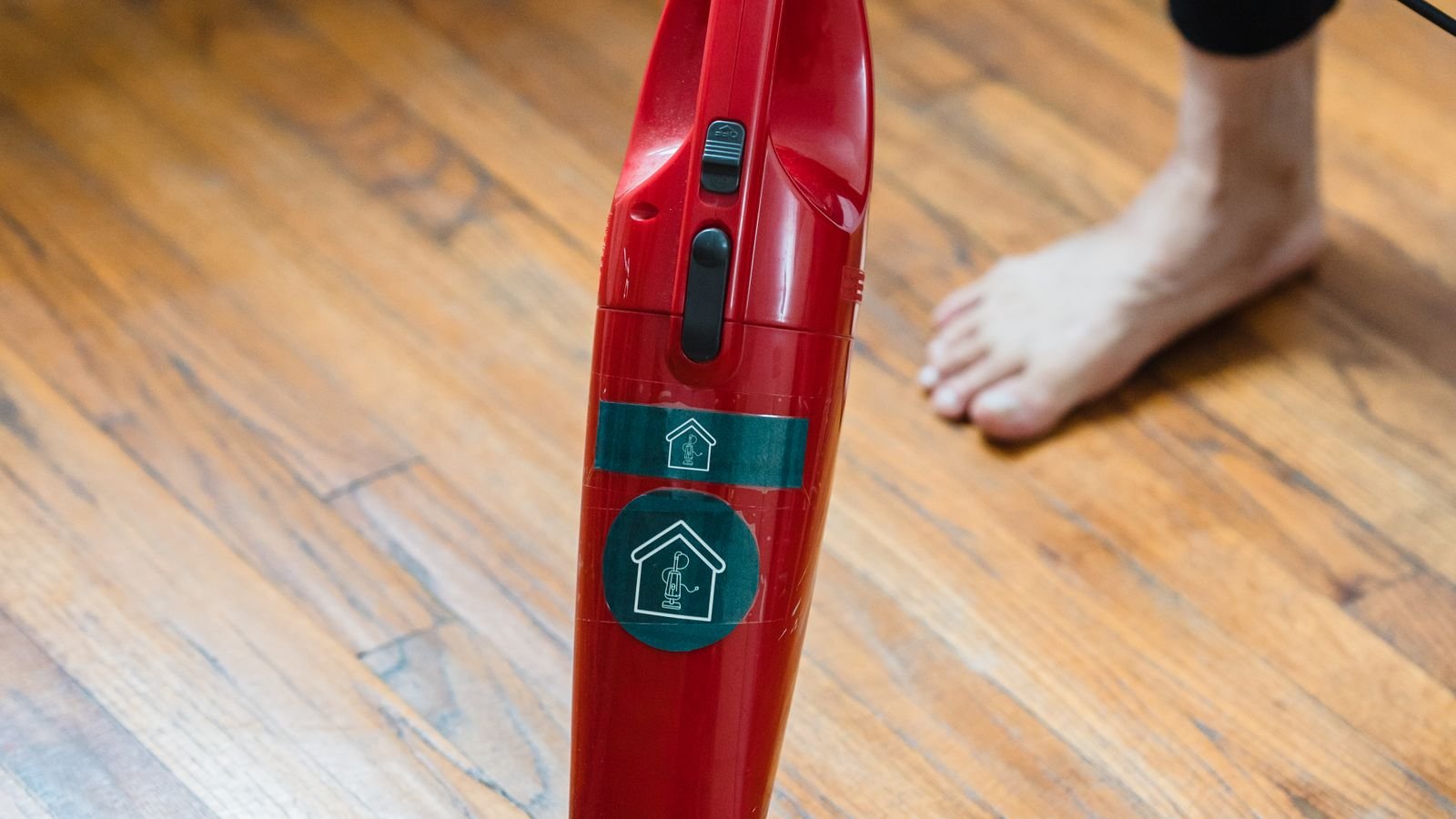
Matching the Vacuum Type to Your Home
- Cordless stick with a soft roller: Best for daily quick passes on an all-hardwood home. Grab-and-go convenience means you clean more often, which is itself the best scratch prevention.
- Canister with a bare-floor brush: The gentlest option available. The floor tool has natural bristles and no motor, so there is nothing to fling grit. Excellent for antique or unfinished floors.
- Upright with brush-roll shutoff: Practical for homes with several rugs. Just be disciplined about switching the roll off before you leave the carpet.
- Robot vacuum: Superb for maintenance between deep cleans, since frequent light passes remove the grit that causes scratching. Choose one with rubber wheels and a soft or rubber-finned roller.
If you are comparing models, a curated list of the best vacuum for hardwood floors is a good starting point because it filters out machines with fixed beater bars. For homes with a mix of engineered wood, laminate and plank flooring, a roundup of the best vacuum for wood floors covers models that switch cleanly between surface types.
How to Test a Vacuum Before Committing
If you can try a machine in person or during a return window, run these checks. Tilt the head and look at the underside — you should see either soft fabric or bristles you can flex easily with a fingertip, and no exposed metal edge that sits below the wheel line. Press the head onto a smooth surface and push it; it should glide, not stick or judder. Run your fingernail across the wheels: soft and slightly tacky is good, hard and glassy is not. Finally, vacuum a small patch in a low-traffic corner and inspect it under a raking light before doing the whole room.
Technique: How You Vacuum Matters as Much as What You Buy
- Sweep the grit first in high-traffic entries. A quick pass with a dust mop removes the coarse sand that does the real damage before the vacuum head ever touches it.
- Vacuum with the grain. Any micro-marks that do occur become far less visible when they follow the wood’s direction.
- Use the crevice tool along baseboards. Forcing the main head into corners is how baseboards and board edges get chipped.
- Lift, do not drag, over transitions. Thresholds and door tracks collect grit that gets pressed into the finish when you push through them.
- Clean more often, more lightly. Two short passes a week beat one aggressive one, because grit never accumulates.
Maintenance That Keeps Your Vacuum Floor-Safe
A vacuum that was safe when new can become a scratching hazard within a year. Cut hair and thread off the roller monthly — wound-on debris stiffens the roll and changes its contact height. Wipe the wheels and axles to remove embedded grit. Replace a soft roller when the fabric matts down or wears thin, typically every 12 to 18 months in a busy home. Empty the bin before it is full, since an overfull bin reduces airflow and tempts you to push harder. And check the underside of the head for cracked plastic, which can expose a sharp edge.
Common Mistakes to Avoid
- Using a carpet vacuum on wood “just this once.” One pass with an aggressive beater bar over a gritty floor can leave marks that need refinishing to remove.
- Buying on suction numbers alone. Airwatt figures say nothing about whether the head is safe on wood.
- Ignoring the wheels. Buyers scrutinise the brush and forget the wheels, which cause a large share of long scratches.
- Adding water. Wet-dry vacuums and steam heads can drive moisture into seams and cause cupping. Damp-mop sparingly with a wood-specific cleaner instead.
- Leaving the vacuum parked on the floor. A machine stored on its wheels in one spot can leave pressure marks on softer finishes over months.
Frequently Asked Questions
Can a vacuum really scratch hardwood?
Yes, though almost always indirectly. The vacuum drags or flings grit that already sits on the floor. A machine with a soft roller and rubber wheels essentially removes that risk.
Are robot vacuums safe on wood floors?
Generally yes, provided the model has rubber wheels and a soft or rubber-finned brush. Their light weight and frequent runs make them one of the gentlest ways to keep grit off a floor.
Should I turn off the brush roll on hardwood?
If the roll has stiff nylon bristles, absolutely. If it is a soft microfibre roller designed for bare floors, leave it on — it improves fine-dust pickup without risk.
Is a canister vacuum better than an upright for wood?
Canisters with a non-powered parquet head are the gentlest choice and easier to steer around furniture. Uprights are fine as long as the brush roll can be switched off.
How often should I vacuum hardwood floors?
Twice a week in main living areas, and daily in entryways or homes with pets. Frequency is the most effective scratch prevention there is, because grit never has time to accumulate.
Final Thoughts
The right vacuum for hardwood is not the most powerful one — it is the one whose contact points are kind to a thin finish. Insist on a brush roll you can disable or a soft roller head, rubberised wheels, adjustable suction and sealed filtration. Then back that up with good habits: sweep the entry grit, vacuum with the grain, clean the roller and wheels regularly, and go over the floor often rather than hard. Do that and your boards will still look good long after the vacuum has been replaced.