Owen Bradley
 Seasonal clothing takes up an absurd amount of space for something you use four months a year. Winter coats, wool jumpers, ski gear and spare bedding fill wardrobes that could be holding the clothes you actually wear, and the traditional answer of stuffing everything into bin bags in the loft produces creased, musty garments that smell of dust by spring. Vacuum storage bags compress bulky textiles by a large margin and seal them against moisture, dust, moths and light. They work well, but only if you match the bag type to the garment and to where it will be stored. A cashmere jumper crushed flat for eight months in a hot loft comes out in worse shape than it went in. This guide covers how to choose the right bags and use them without damaging what is inside.
How Vacuum Storage Bags Work
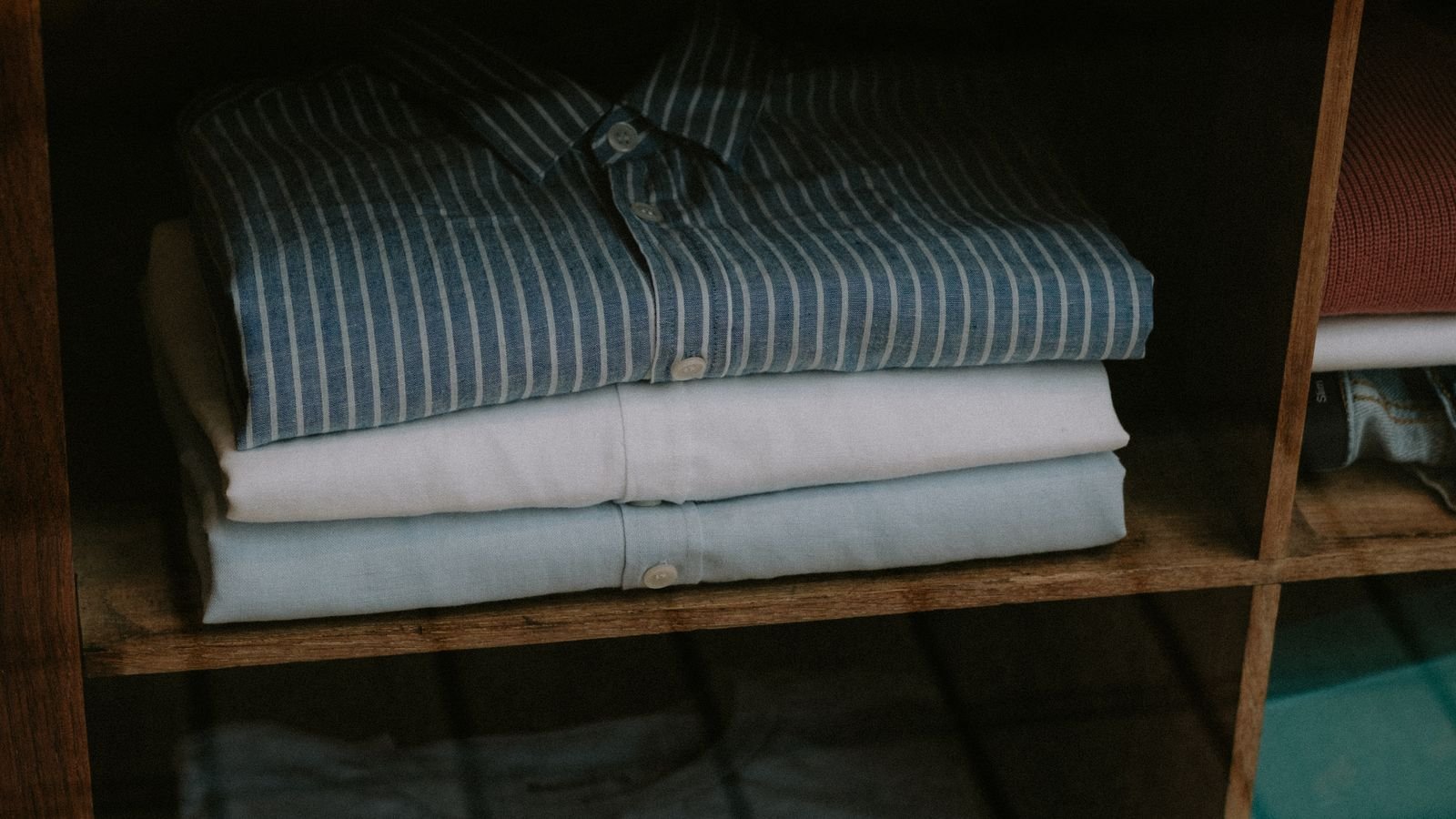
A vacuum storage bag is a multi-layer plastic envelope with a zip closure and a one-way valve. You fill it, close the zip, then draw the air out with a vacuum cleaner hose or a hand pump. The valve holds the vacuum while atmospheric pressure compresses the contents. Textiles are mostly trapped air, which is why the volume reduction is so dramatic, often to a third or a quarter of the original bulk.
The compression is also what causes the problems. Natural fibres rely on loft for their insulating and structural properties. Down, wool and cashmere all recover from short periods of compression but suffer if held flat for many months, particularly in warm conditions. Synthetics and flat woven cottons are far more tolerant.
Types of Vacuum Storage Bag
- Flat valve bags — the standard type, evacuated with a vacuum cleaner hose. Cheapest, highest compression, ideal for bedding, coats and bulk jumpers going under a bed.
- Hand-pump bags — include a small manual pump, so they work without a vacuum cleaner. Useful for travel and for storing at a location without power, though the effort is real for large bags.
- Roll-up bags — no valve at all; you roll the bag to push air out through a one-way channel. Best for suitcases and short-term travel rather than long-term storage.
- Tote-style bags — a vacuum bag inside a rigid fabric case with handles. They hold a neat rectangular shape, stack properly on shelves and protect against punctures, at the cost of some capacity.
- Hanging garment bags — a vacuum bag with a hanger bar at the top, so suits, coats and dresses compress without being folded. The right answer for anything that must not crease.
Choosing the Right Bag
- Match the size to the space, not the pile. Measure the under-bed clearance, shelf depth or box interior first. An overfilled jumbo bag that will not fit anywhere is the most common purchase mistake.
- Look for thickness in mils or microns. Thicker material resists punctures from zips, buttons and rough loft boards. Anything intended for long-term storage should be at the heavier end.
- Prefer a double-slider zip with a separate clip. Single-track zips are the usual point of failure, since a small gap anywhere along the closure lets the bag re-inflate within days.
- Check the valve design. A wide valve that accepts a standard vacuum hose without an adaptor is far less frustrating than a narrow one requiring a specific fitting.
- Buy a mix of sizes. Small bags for individual jumpers and accessories, medium for a season’s clothing, jumbo for duvets and pillows. One size never suits everything.
- Choose transparent or labelled bags. Being able to see the contents saves opening three bags to find one scarf.
- Consider a tote or hanging format for anything delicate rather than maximum compression.
Step-by-Step: Packing Seasonal Clothing
- Wash and fully dry everything first. This is not optional. Body oils, perspiration and food residue attract moths and set into permanent stains over months. Any residual dampness will produce mildew in a sealed bag.
- Skip the fabric softener and heavy starch. Both leave residues that can yellow over long storage.
- Sort by fibre and by season. Keep wool and cashmere together, synthetics together, and pack one bag per category so you can open only what you need.
- Fold rather than roll. Flat folds compress more evenly and produce fewer permanent creases than rolls, which crease along the roll line.
- Layer heaviest at the bottom. Coats and thick jumpers first, lighter items on top, so the bag holds a stable shape.
- Do not overfill. Fill to the marked line, or about three-quarters full. An overpacked bag puts strain on the zip and rarely seals properly.
- Add a moisture absorber and a natural moth deterrent. A silica gel sachet and a cedar block are enough. Avoid mothballs, whose odour is extremely difficult to remove from textiles.
- Close the zip carefully. Run the slider along the full length twice, then check by feel for any section that has not engaged. Most vacuum failures are zip failures.
- Evacuate the air. Open the valve cap, seat the vacuum hose firmly and run it until the bag is compressed but not rock hard. Stop while the contents still have a little give.
- Cap the valve promptly. Remove the hose and close the cap in one motion so minimal air returns.
- Label and date the bag. Write the contents on a tag or a strip of tape on the outside. Compressed clothing is unrecognisable through the plastic.
- Store somewhere cool, dry and dark. Under a bed, in a wardrobe top, or in a dry cupboard. Check the bags after a week to confirm none have re-inflated, then again mid-season.
What Not to Vacuum Pack
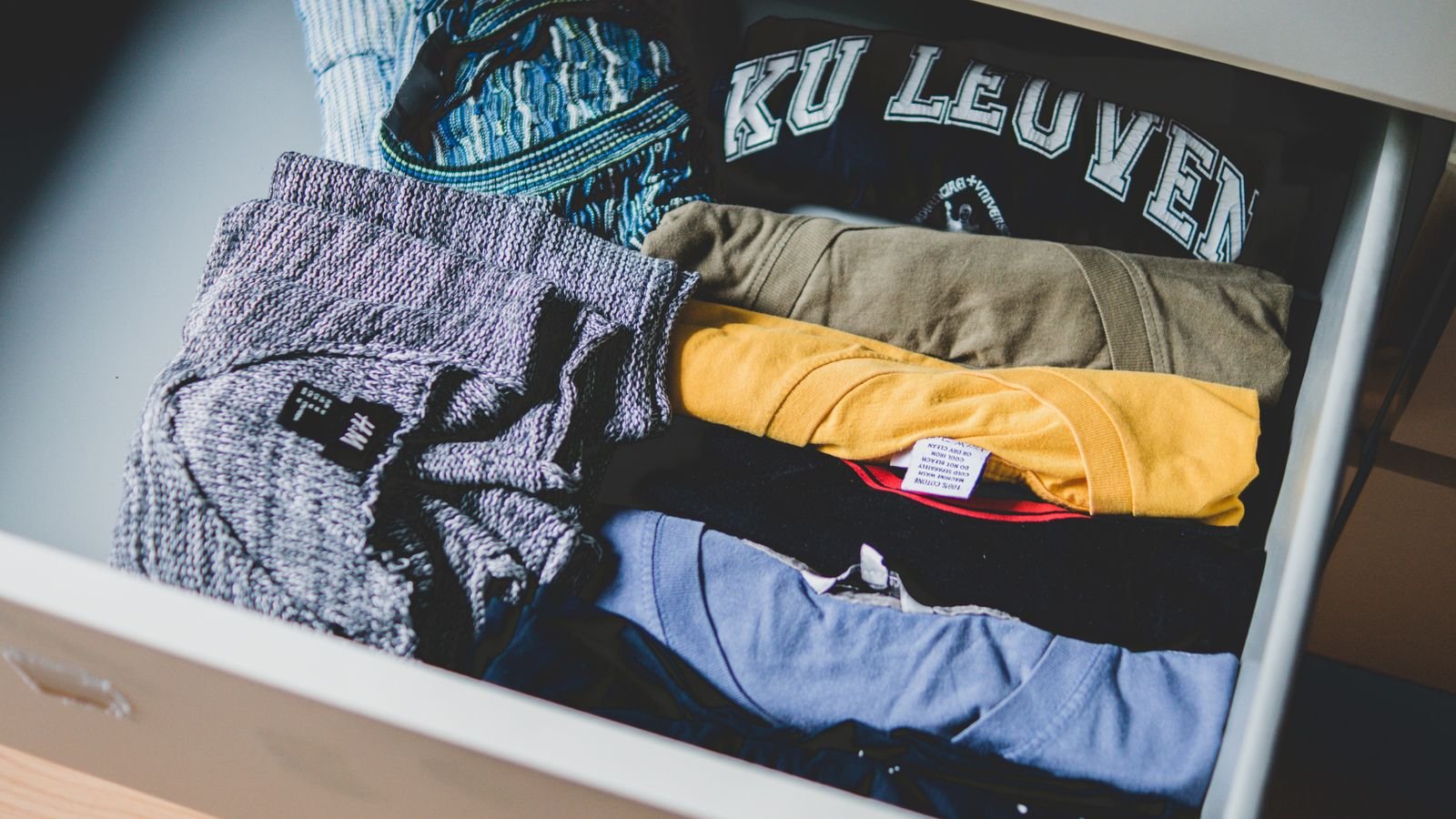
- Down jackets and duvets for long periods. Short-term compression is fine, but months under full vacuum permanently damages loft. Use a breathable cotton bag instead for the whole season.
- Leather and suede. They need to breathe, and compression creates creases that never fully release.
- Fur and anything with structured tailoring. Suit shoulders and lapels do not recover from being flattened.
- Anything even slightly damp. Mildew develops quickly in a sealed anaerobic environment.
- Items with sharp fastenings left exposed. Zips, buckles and studs pierce bags under pressure; turn garments inside out or wrap the hardware.
- Delicate silks and heavily embellished pieces, where beadwork and sequins press permanent marks into neighbouring fabric.
Where the Bags Should and Should Not Live
Temperature stability matters more than temperature itself. A loft that swings from freezing in January to well over 100 degrees Fahrenheit in July drives moisture cycling and accelerates fabric degradation, and it is also where most plastic bags eventually become brittle and split. Garages introduce damp and pests. The best locations are interior: under beds, on the top shelf of a wardrobe, or in a dry hall cupboard.
If loft or garage storage is unavoidable, use tote-style bags with a rigid outer shell, add extra desiccant, raise everything off the floor on a pallet or shelf, and inspect the bags twice during the season. When you retrieve the clothes, unpack them and hang them for at least 24 hours before wearing; wool and cotton recover their shape well given a little time and air. A brief low-heat tumble on an air cycle helps stubborn creases without pressing them in.
The quality of the bag itself makes most of the difference to how well any of this works, particularly zip design and material thickness. Comparing seal reliability, valve fitment and available sizes across a shortlist of the best vacuum bags for storage is worth doing before committing a whole wardrobe to them, since a cheap set that leaks costs you the season. It is also worth checking that whatever vacuum you own has enough suction and a compatible hose; smaller and battery-powered units sometimes struggle with jumbo bags, and the models covered in this guide to the best vacuum cleaners note hose diameters and suction figures that make the job straightforward.
Frequently Asked Questions
How long can clothes stay in vacuum bags?
Synthetics and flat cottons handle a full season or a year without issue. Wool and cashmere are best limited to a single season and given time to recover afterwards. Down should not be compressed for more than a few weeks.
Why does my vacuum bag keep re-inflating?
Nearly always the zip rather than the valve. Run the slider along twice, check for a trapped thread or a fold of fabric caught in the track, and make sure the bag is not overfilled. A pinhole from a zip or button is the next most likely cause.
Do vacuum bags protect against moths?
A properly sealed bag keeps moths out, which is a real advantage. It will not kill eggs already present in the fabric, which is exactly why everything must be laundered before packing.
Can I reuse the bags next year?
Yes, if you store them carefully. Wipe them out, let them dry completely, and store them flat rather than folded sharply, since repeated creasing at the same point eventually cracks the plastic. Inspect the zip and valve before trusting a bag with another season.
Final Thoughts
Choosing vacuum storage bags well comes down to three decisions: a heavier material with a double-slider zip, a size that matches the space you are storing into, and a format that suits the garment rather than maximising compression. Pair that with clothes that are properly clean and completely dry, a cool interior storage spot, and a mid-season check, and you will reclaim a great deal of wardrobe space without paying for it in ruined knitwear.