Owen Bradley
 Bedroom storage sounds like a solved problem until you stand in a showroom and realise a dresser, a chest of drawers, and an armoire all promise to hold your clothes while occupying wildly different amounts of your room. They are not interchangeable. Each one trades floor area, vertical height, and internal organisation differently, and the right choice depends far more on your room’s dimensions and your closet’s shortcomings than on which piece you find most attractive. This guide compares dresser vs chest of drawers vs armoire on footprint, capacity, and the specific storage gaps each one fills, so the piece you commit to in 2026 actually fits both the room and the wardrobe you own.
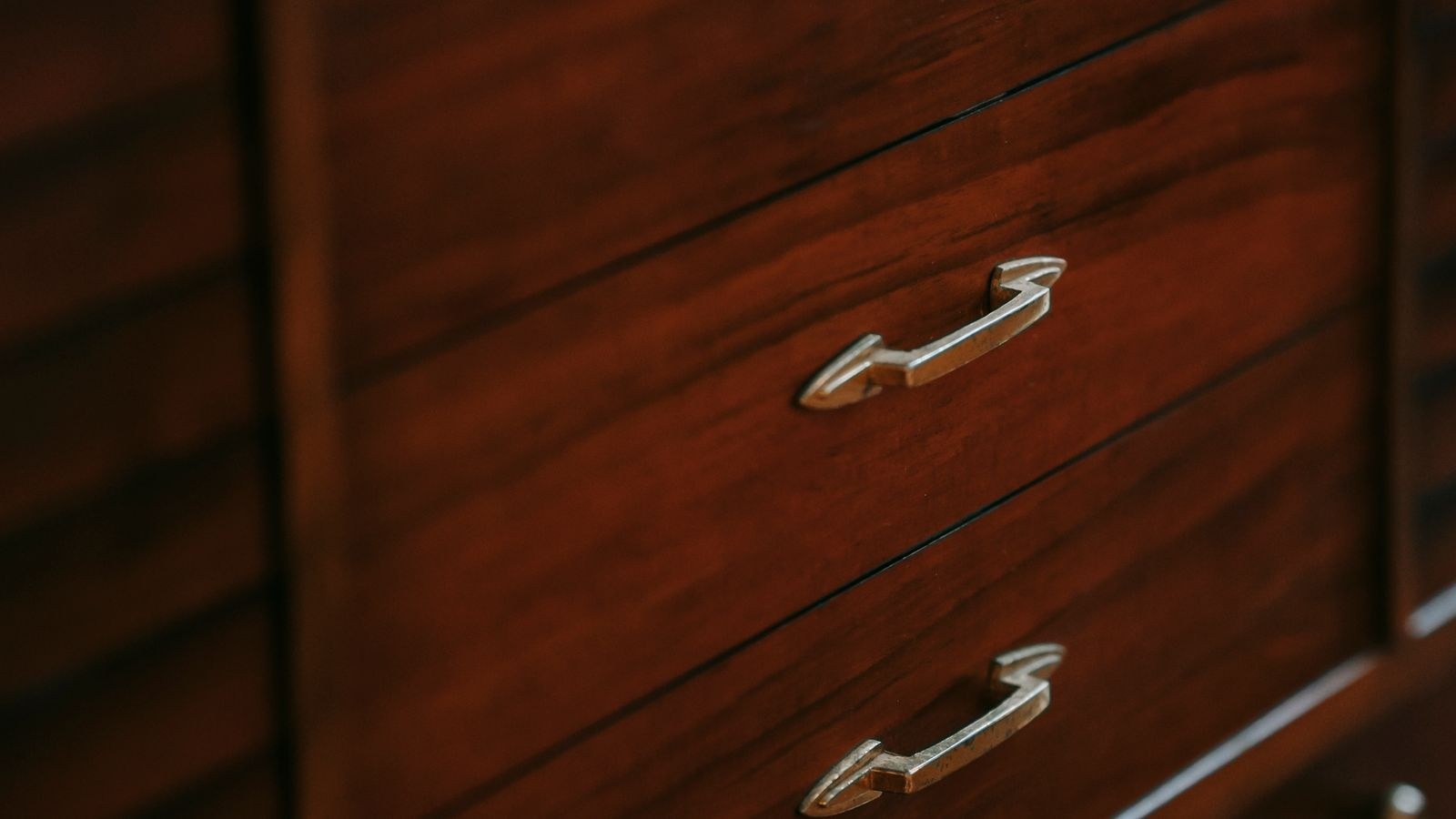
Definitions: What Each Piece Actually Is
The terms get used loosely by retailers, so start with the working definitions that matter for planning.
Dresser
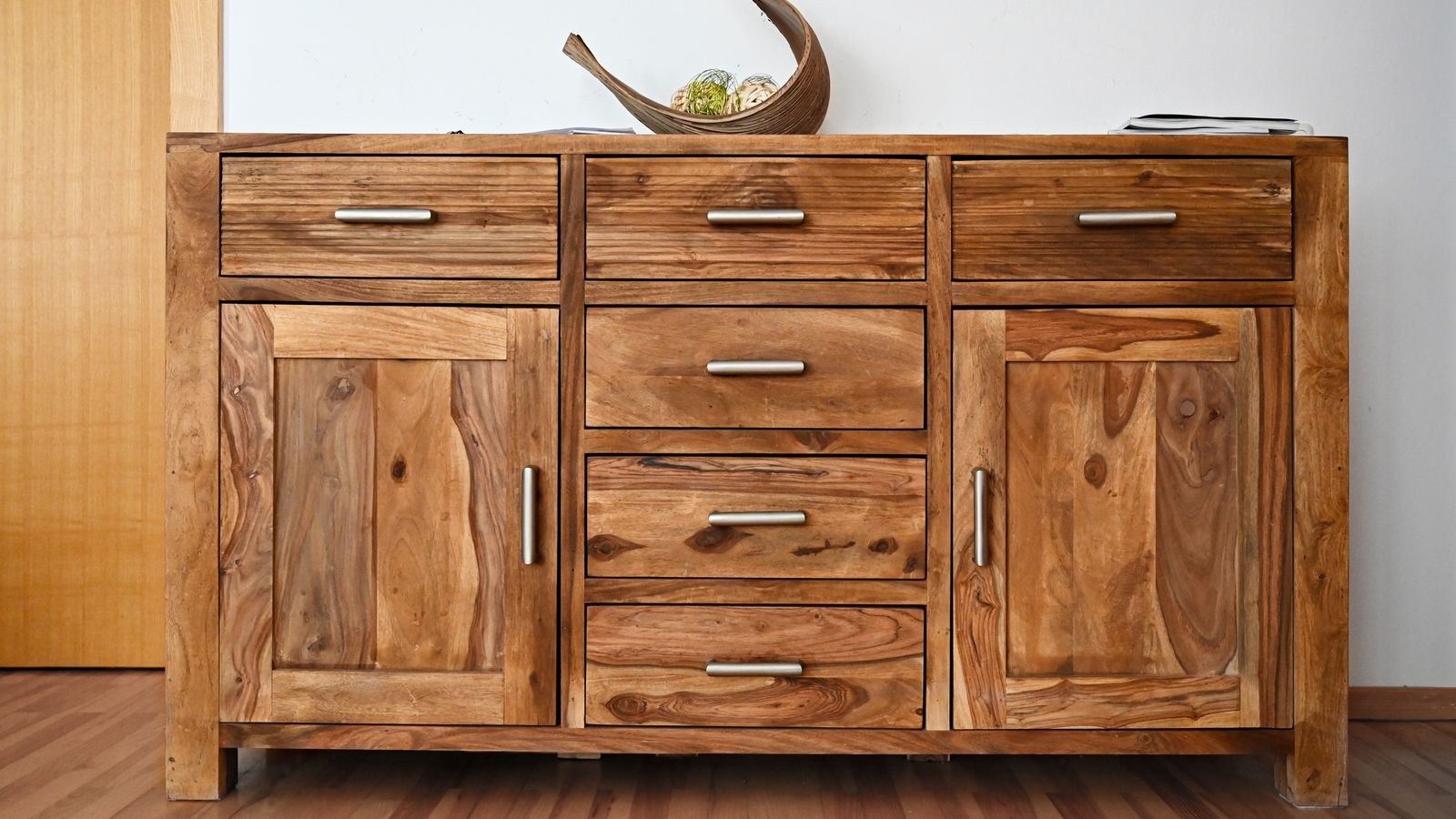
A dresser is wide and low, typically 50 to 70 inches wide and 30 to 36 inches tall, with two side-by-side columns of drawers. Because the top sits at roughly counter height, it doubles as a surface for a mirror, a lamp, or a television. Sometimes called a lowboy or double dresser.
Chest of Drawers
A chest is narrow and tall, usually 30 to 40 inches wide and 40 to 55 inches tall, with a single stacked column of drawers. It trades floor area for height, which is why it appears in smaller bedrooms. A very tall version is often marketed as a highboy or tallboy.
Armoire
An armoire is a freestanding wardrobe: a tall cabinet with doors, usually 40 to 60 inches wide and 65 to 80 inches tall, containing a hanging rail, shelves, and sometimes a few drawers at the base. It is the only one of the three that stores hanging garments.
Footprint: The Number That Decides Most of This
Compare the three by the floor area each consumes and the wall length it eats.
- Dresser: roughly 60 by 19 inches, about 8 square feet of floor. Needs a long clear wall and about 30 inches of pull-out clearance in front.
- Chest of drawers: roughly 34 by 18 inches, about 4 square feet. Fits between a window and a corner, or beside a door.
- Armoire: roughly 48 by 22 inches, about 7 square feet, but with doors that swing 20 to 24 inches outward, so the real operating footprint is closer to 12 square feet.
That last point catches people out. An armoire measured only by its cabinet looks manageable, then the doors open into the walking path beside the bed. Measure the swing arc, not just the box. Sliding or bi-fold doors reduce this penalty substantially and are worth seeking out in a tight room.
Ceiling height matters too. A 78-inch armoire in a room with 8-foot ceilings leaves only 18 inches of headroom above it, which reads as heavy and makes the room feel shorter. In a room with low ceilings, the low dresser almost always looks better even when the chest holds more.
Capacity: Folded Versus Hanging
The real question is not how much each holds but what kind of clothing it holds well.
Dressers and chests store folded items: t-shirts, jumpers, underwear, socks, jeans, workout gear. A typical six-drawer dresser and a typical five-drawer chest hold broadly similar volumes, since the dresser’s wider drawers offset the chest’s greater count. The difference is organisation. A dresser’s side-by-side layout gives you shallow top drawers for small items and wide lower drawers for bulky knitwear, which is easier to sort. A chest’s uniform column means every drawer is the same width, so bulky items compete for space.
An armoire is the only option for hanging clothes: shirts, dresses, jackets, suits, anything that creases when folded. If your closet has no rail or no closet exists at all, this decision is already made for you. Hanging capacity in a standard armoire runs about 30 to 40 inches of rail, which holds roughly 25 to 40 garments depending on thickness.
Reach and Ergonomics
Drawer height affects daily use more than people expect. On a tall chest, the top drawers sit above chest height, which means you cannot see into them without a stool. That is fine for rarely used items but poor for daily wear. On a dresser, every drawer is below shoulder height and fully visible, which is why dressers suit everyday clothing and chests suit seasonal or overflow storage.
Which Closet Gap Are You Filling?
Rather than picking by preference, diagnose the gap first. Most bedrooms have one of four storage shortfalls, and each points to a different piece.
- No closet at all. An armoire is essentially mandatory, since nothing else handles hanging garments. Pair it with a chest for folded items if the room allows.
- Closet with a rail but no shelving or drawers. A dresser is the right complement. It absorbs everything the rail cannot handle and gives you a usable surface.
- Adequate closet, overflowing anyway. A chest of drawers adds capacity with minimal floor cost. This is also the moment to audit rather than buy.
- Seasonal overflow only. Consider compression storage instead of furniture. A set of best vacuum seal storage bags can reclaim an entire drawer’s worth of bulky winter items for a fraction of the price and none of the footprint.
That last option deserves more attention than it gets. Duvets, coats, and heavy knits compress dramatically, and the specialised best vacuum bags for clothes keep garments protected on a shelf or under the bed. If the problem is genuinely seasonal, solving it with compression rather than a 7-square-foot cabinet is usually the smarter move in a small room.
Making the Space You Already Have Work Harder
Before committing to another piece of furniture, it is worth checking whether the existing closet is being used to capacity. Most are not. A single rail with a shelf above wastes the entire lower half of the cavity, which a second hanging rail, a stack of drawers, or shelf risers can reclaim.
Visibility is the other overlooked factor. A closet you cannot see into is a closet you do not use, and many are lit only by whatever spills in from the bedroom. Fitting one of the best light bulbs for closet spaces, or a battery-powered strip on the underside of the top shelf, often reveals usable depth that had simply been invisible. Between better lighting, a second rail, and the best vacuum bags for storage for out-of-season items, a fair number of bedrooms find they do not need the extra cabinet at all.
Room Size Guidance
Small Bedrooms Under 110 Square Feet
Choose a chest of drawers. It gives you meaningful capacity for around 4 square feet and can sit in the corner a dresser cannot use. Avoid armoires unless there is genuinely no closet, and if you must have one, insist on sliding doors. Skip the dresser here even if you like the surface, because the wall length it requires is usually the same wall you need for the bed.
Medium Bedrooms 110 to 180 Square Feet
A dresser works well and gives you the useful counter surface. If the closet lacks a rail, an armoire plus a small chest is the better combination. This is the size range where you have a genuine choice rather than a constraint.
Large Bedrooms Over 180 Square Feet
A dresser and a chest together is the classic pairing, and there is room for an armoire as a statement piece if the closet is inadequate. In rooms this size the risk shifts from running out of space to buying pieces that are too small and look lost against a long wall. When you are filling a larger room, comparing the best furniture for bedroom layouts helps you scale the storage pieces to the bed rather than buying them in isolation.
Build Quality Signals Worth Checking
- Drawer construction. Dovetail or box joints outlast stapled butt joints by a decade or more. Check the drawer sides, not the front.
- Runners. Full-extension metal ball-bearing slides let you reach the back of a deep drawer. Wood-on-wood runners stick as humidity changes.
- Anti-tip hardware. Tall chests and armoires must be anchored to the wall. This is a genuine safety requirement in any home with children, not an optional extra.
- Back panel. A solid or thick back panel keeps the case square. A thin stapled hardboard back lets a tall unit rack over time.
- Armoire rail support. A hanging rail needs a centre bracket over about 36 inches, or it will bow under a full load of coats.
- Top surface. If you plan to use a dresser top for a lamp or television, check the stated weight capacity and that the top is solid rather than a thin veneered panel.
Common Mistakes When Choosing Bedroom Storage
- Measuring the cabinet but not the door swing. An armoire needs two feet of clear space in front of it that a chest does not.
- Buying a tall chest for daily clothes. The top drawers become invisible storage you never sort.
- Ignoring drawer pull-out clearance. A dresser needs about 30 inches of clear floor in front, which is often the same space as the walking path around the bed.
- Adding furniture to solve a seasonal problem. Compression storage handles overflow far more efficiently.
- Skipping the wall anchor. Tall units tip when several loaded drawers are open at once.
- Forgetting the delivery path. A 78-inch armoire has to negotiate your stairwell and doorframe in one piece.
Frequently Asked Questions
What is the difference between a dresser and a chest of drawers?
A dresser is wide and low with two columns of drawers and a usable top surface. A chest of drawers is narrow and tall with a single stacked column. They hold similar volumes, but the dresser uses more wall and the chest uses more height.
Do I need an armoire if I have a closet?
Usually not. An armoire earns its footprint when there is no closet or no hanging rail. If the closet has a rail, a dresser or chest for folded items is the more efficient addition.
Which is best for a small bedroom?
A chest of drawers. It delivers real capacity for roughly half the floor area of a dresser and fits into corners and narrow gaps that a wide unit cannot use.
How much clearance do drawers need in front?
About 30 inches for a full-extension drawer plus room to stand. Check this against your walking path before buying, since the clearance often overlaps with the route around the bed.
Can a dresser hold a television?
Many can, but verify the stated top weight capacity and the depth of the unit against the television stand. A solid wood top handles it comfortably; a thin veneered panel over a hollow core may not.
Final Thoughts
Choose bedroom storage by diagnosing the gap rather than by preference. If nothing hangs, you need an armoire and you need to measure the door swing. If the closet handles hanging but nothing else, a dresser gives you folded storage plus a surface. If floor space is the binding constraint, a chest delivers the most capacity per square foot, with the caveat that its top drawers suit seasonal items better than daily wear. And before adding any of the three, check whether better closet lighting, a second rail, and compression bags solve the problem for a fraction of the cost and none of the footprint. Measure the room, the door swing, and the delivery path, and the piece you choose in 2026 will still fit comfortably long after the initial rearrangement.