Owen Bradley
 A sofa bed in a small space has to succeed at two contradictory jobs: be a comfortable sofa for roughly 350 days a year, and be a bed you would not apologise for on the other 15. Most disappoint at one or the other, and the ones that fail usually do so for predictable reasons that were visible in the specifications before purchase. Depth, mechanism type, mattress construction and the clearance the frame needs when opened all determine whether the piece works in a compact room. This guide walks through every decision, with particular attention to the constraints that matter when floor area is genuinely tight.
Measure the Room Before You Look at Anything
Small-space sofa beds fail on geometry more often than on comfort. Before browsing, take five measurements and write them down.
- The wall length available for the sofa, minus any radiator, socket or door architrave that limits placement.
- The floor depth available when the bed is fully extended, measured from the wall to whatever it would hit.
- The doorway, hallway and stair turn dimensions along the delivery route, including diagonal clearance.
- Ceiling height and any sloped sections, which matter for wall beds and for lifting a sofa on its end during delivery.
- The clearance needed in front of the sofa to walk past when it is in sofa mode, which should be at least 24 inches.
The extended depth is the one people forget. A compact sofa 33 inches deep can easily need 80 inches or more when opened, which is the difference between a workable guest room and a piece of furniture that blocks the door. Our roundup of the best sofa beds for small spaces lists both closed and open footprints so this can be checked before ordering.
The Main Mechanism Types
- Pull-out (fold-out) frames: a metal frame with a folding mattress stored inside the sofa body. Sleeps like a proper bed, but adds significant weight and needs the most extended floor depth. The mattress is limited in thickness by the storage cavity.
- Click-clack (futon style): the backrest tips flat to form a sleeping surface. Very simple, no separate mattress cavity, and the shallowest extended depth of any type, which makes it a strong small-space option. Comfort as a bed depends entirely on the cushion quality.
- Trundle and pop-up designs: a lower section rolls or lifts to sit level with the seat. Compact and mechanically simple, though the sleeping surface can have a seam at the join.
- Chaise or corner sofa beds with storage: the chaise section lifts to reveal bedding storage, and the seat extends to form a bed. Excellent use of volume in a studio, but they are large pieces to begin with.
- Wall beds with an integrated sofa: a Murphy bed that folds down over a low sofa. The most space-efficient answer of all, and the most expensive and most permanent.
For genuinely tight rooms, click-clack and pop-up designs deserve a serious look precisely because they need so little extra floor area. For frequent guest use, a proper pull-out with a real mattress is worth the space it demands.
Mattress Construction: Where Comfort Is Decided
The mattress is the single biggest predictor of whether guests sleep well, and it is where manufacturers economise most quietly.
- Basic polyurethane foam: thin, light and cheap. Fine for occasional single-night use, and the source of most complaints about feeling the bar underneath.
- High-density foam: a substantial improvement, holding its shape through repeated folding and providing real support.
- Memory foam: comfortable and good at masking the frame beneath, though it can sleep warm and takes a few minutes to recover its shape after unfolding.
- Innerspring: closest to a conventional bed, with better edge support and airflow, but heavier and thicker, which limits which frames can accept it.
- Air-over-foam hybrids: an inflatable core above a foam base, adjustable for firmness and remarkably comfortable, at the cost of a pump and another component to maintain.
Thickness is the specification to check. Anything under about 4 inches will transmit the frame; 5 to 6 inches is the practical minimum for adult guests staying more than one night. If a sofa you otherwise love has a thin mattress, a separate topper stored in a cupboard solves most of the problem for very little money.
Frame and Suspension Quality
Sofa beds take more structural abuse than ordinary sofas because the whole assembly is repeatedly folded, carried and sat upon. Kiln-dried hardwood frames outlast softwood and particleboard by a wide margin. Check whether joints are dowelled and glued with corner blocks rather than merely stapled.
Beneath the seat, sinuous steel springs or a webbing suspension provide the sofa comfort; the bed mechanism is separate and usually a folding steel frame with a mesh or slat deck. Slat decks are noticeably more comfortable than mesh because they distribute load more evenly. Ask about the mechanism warranty specifically, since it is a wear component and often warranted separately from the frame.
Sizing the Sleeping Surface
Sofa beds are sold by the sleeping size they produce, and in a small room the honest choice is often smaller than you would like.
- Chair or single: around 33 inches wide when open. Suits a home office or a nursery corner and takes almost no extra depth.
- Twin or small double: a comfortable single or a very cosy double. The best compromise for most studio flats.
- Full or double: the standard guest configuration, needing roughly 54 inches of width and substantial extended depth.
- Queen: only realistic in a room that is small in one dimension rather than both, and often requires a corner unit.
Choosing a smaller sleeping size and a better mattress usually produces happier guests than a large bed with a thin pad. Our comparison of the best sofa bed couches covers how the different sizes translate into real room layouts.
Upholstery and Fabric for Small Rooms
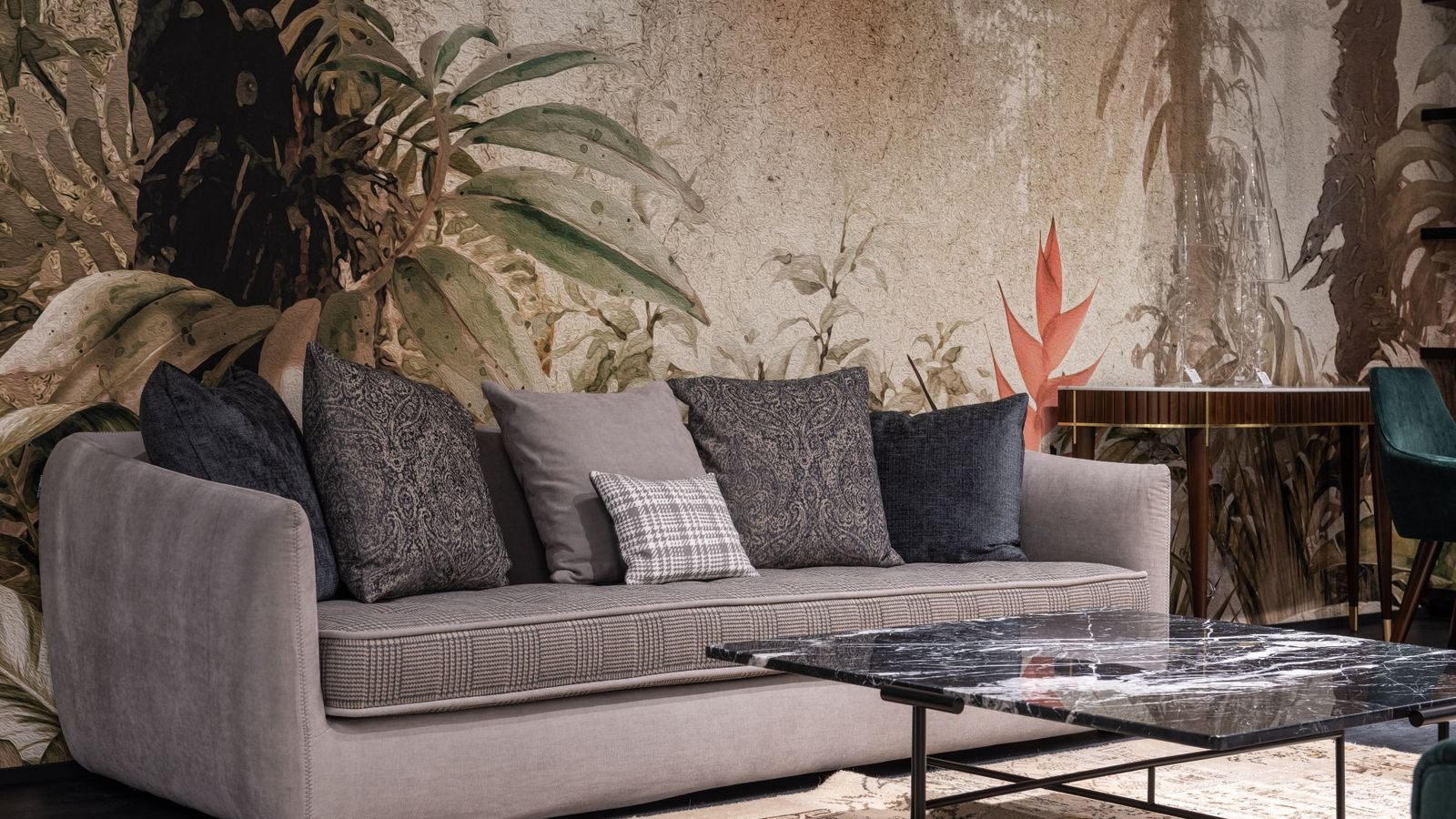
In a compact space the sofa is a dominant visual element, so fabric choice does a lot of work. Lighter colours and finer textures make a room read larger; heavy dark fabrics do the opposite. Practically, look at the rub count for durability, and prefer performance fabrics or tightly woven synthetics if the sofa doubles as everyday seating.
Removable, washable covers are worth seeking out on a piece that will be slept on regularly. Leather and faux leather clean easily and suit allergy sufferers but can feel cold and slippery for sleeping, so plan on a fitted sheet if you go that route.
Storage and Multi-Function Value
In a small home, furniture that only does one thing is a luxury. Sofa beds with under-seat or chaise storage give you somewhere to keep the bedding that would otherwise occupy a cupboard you do not have. Check the storage volume honestly, because a shallow tray holds a spare duvet cover and not a duvet.
Consider the room’s other furniture in the same breath. Nesting side tables, a slim console behind the sofa and wall-mounted lighting all recover floor area. Replacing floor lamps with wall or clip-on fittings from our list of the best smart lamps frees up the exact corner a sofa bed needs when opened, and a compact tower fan takes far less floor space than a pedestal model beside a guest bed.
Budget Tiers and What Changes
- Entry level: softwood or engineered frame, thin foam pad, click-clack or simple fold mechanism. Fine for a spare room used a handful of nights a year.
- Mid range: hardwood frame, 5 to 6 inch high-density or memory foam mattress, smoother mechanism, better fabric. The right target if the sofa is used daily.
- Premium: kiln-dried hardwood, innerspring or hybrid mattress, slat deck, storage integration, long mechanism warranty, and upholstery that will still look good in a decade.
Judge value by how you will actually use it. A piece used as a daily sofa and an occasional bed should have its budget weighted towards seat comfort and fabric durability. One that is genuinely a spare bed most of the time should put the money into the mattress and mechanism instead. Our wider guide to the best sofa beds compares how brands allocate cost across those elements.
Delivery, Assembly and Living With It
Sofa beds are heavy, typically 30 to 60 percent heavier than an equivalent sofa because of the steel mechanism. Confirm the delivery route before ordering, and ask whether the piece ships assembled or in sections. Modular designs that assemble in the room are a lifesaver in flats with tight stairwells.
Once installed, a few habits keep it working. Clear the floor before opening rather than dragging the mechanism against obstacles, open and close it fully rather than part way, lift rather than yank the pull handle, and rotate the seat cushions monthly so wear is even. Lubricate the mechanism pivots annually if it starts to feel stiff, and check the bolts for tightness once a year.
Common Mistakes to Avoid
Measuring only the closed footprint and being surprised by the extended depth is the classic error. Buying on looks and accepting a 3 inch mattress is the second, and it is the reason guests remember the sofa bed for the wrong reasons. Choosing a mechanism that requires removing all the cushions and finding somewhere to put them makes the bed a chore to deploy, which means it stops being deployed. Finally, ignoring the delivery route causes more cancelled orders on this category of furniture than any other.
Frequently Asked Questions
Can a sofa bed be used every night?
Some can, but only those with an innerspring or thick hybrid mattress and a slat deck. Thin folding foam mattresses are designed for occasional use and will compress permanently under nightly loading.
What is the most space-efficient type?
A click-clack or pop-up design, because the sleeping surface forms roughly above the sofa footprint rather than extending far in front of it. A wall bed with an integrated sofa is more efficient still but requires permanent installation.
How do I stop feeling the frame bar?
Add a 2 to 3 inch topper, or upgrade the mattress if the frame accepts a thicker one. A slat deck rather than a mesh deck also helps considerably.
Is a corner sofa bed practical in a small room?
Only if the room has an unused corner and a clear extension path. Corner units use volume well but their closed footprint is large, so measure carefully before committing.
How long should a sofa bed last?
A mid-range hardwood-framed model used as a daily sofa and occasional bed should give ten years or more. The mattress typically needs replacing well before the frame does, so check that replacements are available for your model.
Final Thoughts
Choosing a sofa bed for a small space is an exercise in measuring first and compromising deliberately. Establish the extended depth your room can actually give up, pick a mechanism that suits how often the bed will be used, and then spend your budget on the mattress and frame rather than on size. A slightly smaller bed with 6 inches of proper foam on a slat deck beats a larger one with a thin pad every time. Get those choices right and you end up with a piece of furniture that genuinely earns its place in a room that has none to spare.