Owen Bradley
 The machine that washes everything you own does not clean itself, and the evidence usually arrives as a smell. Front-loaders in particular develop a musty odour that transfers to freshly washed towels, and the cause is almost always the same: a film of detergent residue, fabric softener and body soil coating the drum, the gasket and the internal hoses, feeding bacteria and mould in the warm damp dark. A washing machine cleaner breaks that cycle. Choosing the right one for your machine, your water and your detergent habits is the difference between a genuine fix and an expensive monthly ritual that changes nothing.
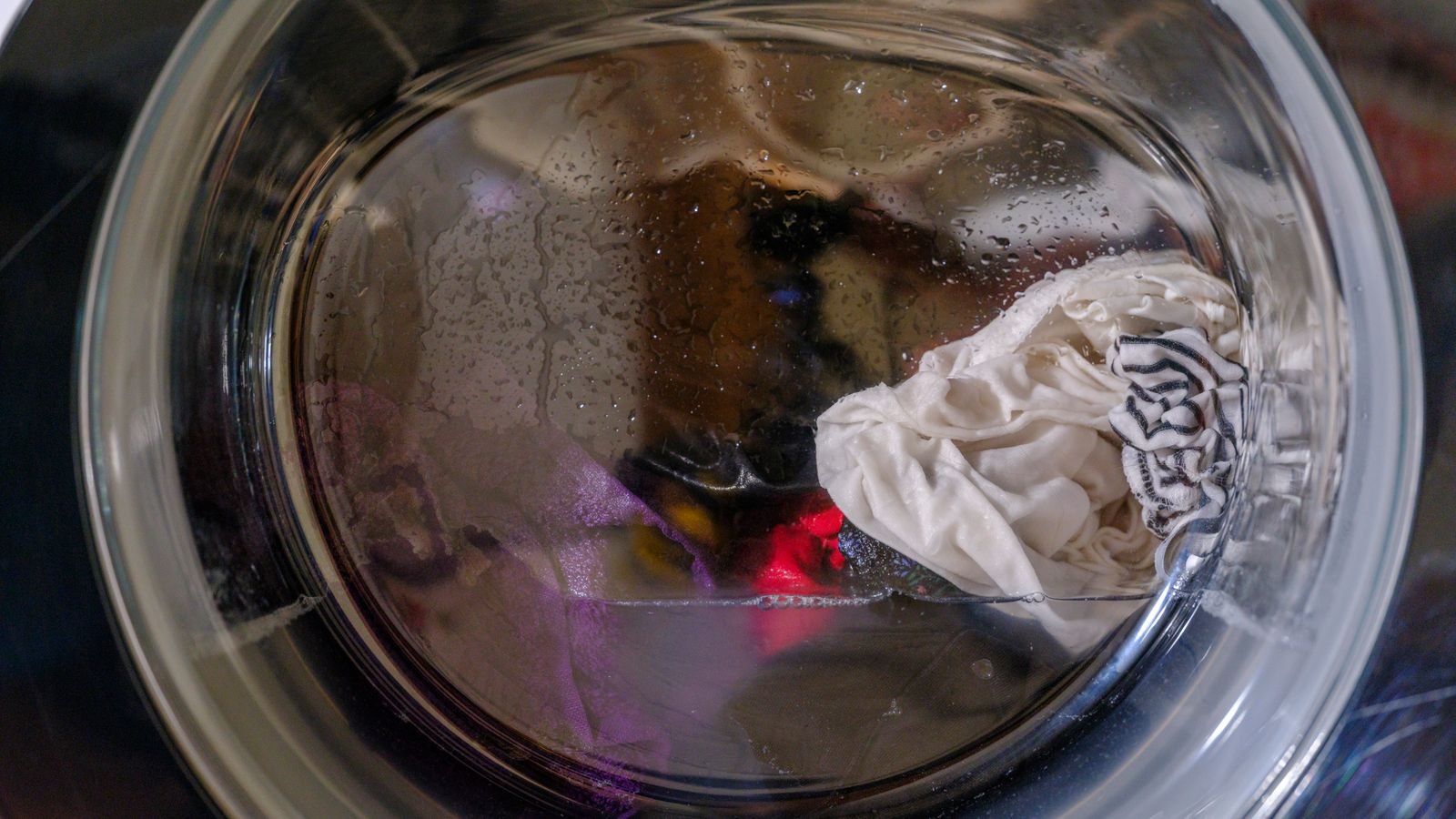
Why Washing Machines Get Dirty in the First Place
Three deposits accumulate, and they respond to different chemistry.
- Soap scum and biofilm: excess detergent and especially fabric softener do not fully rinse away. They leave a sticky film that traps lint and skin cells, which then supports mould and odour-causing bacteria.
- Limescale: in hard water areas, calcium and magnesium precipitate onto the heating element and drum, reducing heating efficiency and giving biofilm a rough surface to cling to.
- Iron and mineral staining: in some water supplies, dissolved iron oxidises and leaves orange deposits that no amount of scrubbing removes without an acid treatment.
Modern habits make all three worse. Cold washing saves energy but never reaches a temperature that kills bacteria or dissolves fats. High-efficiency machines use far less water, so residue is less thoroughly rinsed. And most households simply use too much detergent, which is the single largest contributor to the problem.
The Main Types of Washing Machine Cleaner
- Oxygen-based (percarbonate) tablets and powders: release hydrogen peroxide in water, oxidising organic soil and deodorising without chlorine. Safe on rubber and stainless steel, and the best general-purpose choice for routine maintenance.
- Chlorine bleach based: aggressive on mould and very cheap, but harsh on gaskets and hoses over time and capable of producing hazardous gases if mixed with acidic or ammonia products. Use sparingly if at all.
- Acid-based descalers (citric, sulfamic or lactic acid): the correct chemistry for limescale and mineral staining. They do nothing meaningful for biofilm, so they complement rather than replace an oxygen cleaner.
- Surfactant and enzyme formulations: lift greasy residue and break down protein soil. Often blended into premium tablets alongside oxygen bleach.
- Liquid concentrates: dose flexibly and reach the dispenser drawer well, though they are bulkier to store than tablets.
Most households in soft water areas need only an oxygen-based cleaner. In hard water areas, alternating an oxygen cleaner with a descaler across the year addresses both problems properly. Our comparison of the best washing machine cleaners covers which formulations suit which water conditions.
Matching the Cleaner to Your Machine
Front-loading and top-loading machines have different vulnerabilities.
Front-loaders have a door gasket with folds that trap water, lint and hair. This is where nearly all odour originates, and no cleaner run through a cycle will fully clean it because the gasket folds are not flushed by the wash. Front-loaders benefit most from a tablet designed to dissolve slowly and circulate through the whole cycle, combined with manual gasket cleaning. Owners of the machines covered in our guide to the best front load washing machines should plan on this as routine maintenance rather than a fix.
Top-loaders, particularly high-efficiency impeller models, hold less standing water and suffer far less from gasket mould, but they accumulate residue under the impeller and around the outer tub. Larger doses and a full-volume hot cycle work better here. Traditional agitator models covered in our list of the best top load washing machines use enough water that residue problems are comparatively rare, though limescale is unaffected by machine type.
What to Look for on the Label
- Confirm it is safe for high-efficiency machines if yours is HE, since low-foaming chemistry matters.
- Check whether it is oxygen or chlorine based, and prefer oxygen for routine use.
- Look for stated compatibility with rubber gaskets and stainless steel drums.
- Check the dose count against the price to get a real cost per treatment, since tablet counts vary widely.
- Prefer fragrance-free formulations if anyone in the household has sensitive skin, because residue does transfer to laundry.
- Verify the recommended cycle: some products require a hot cycle to activate properly and will underperform on a cold rinse.
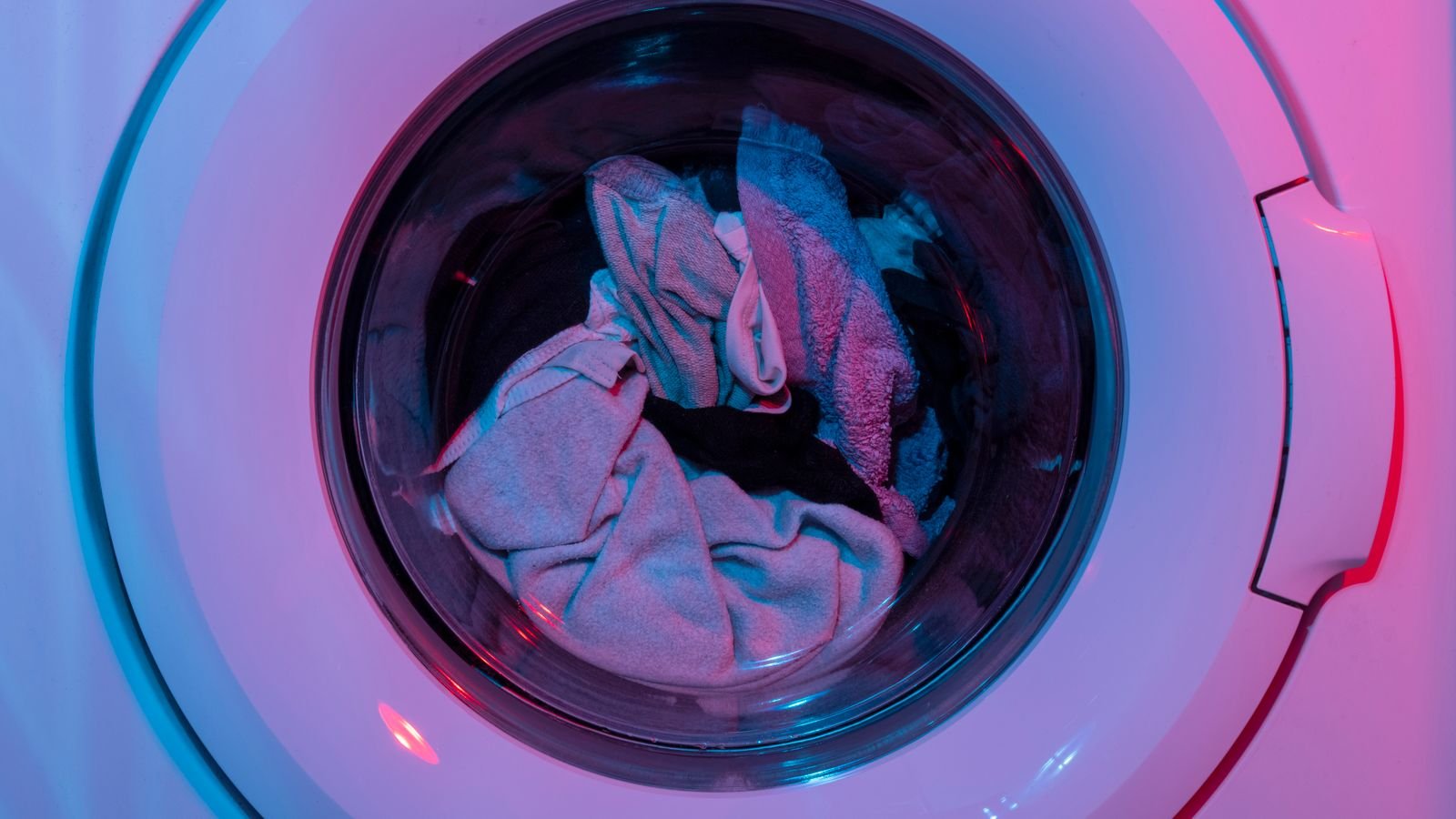
How to Run a Cleaning Cycle Properly
The product does perhaps half the work; technique does the rest.
- Empty the drum completely. Cleaner run with laundry in it accomplishes nothing.
- Place the tablet or powder directly in the drum unless the instructions specify the dispenser drawer.
- Select the hottest cycle available, or the dedicated tub clean cycle if your machine has one. Heat is doing real chemical work here.
- While it runs, remove and wash the detergent drawer in hot soapy water, scrubbing the underside of the siphon cap where sludge collects.
- After the cycle, wipe the gasket fold thoroughly with a cloth, pulling it back to reach standing water and trapped debris.
- Clean the drain pump filter, usually behind a small hatch at the front bottom. Expect coins, lint and an unpleasant smell; this is a major odour source people forget entirely.
- Leave the door and the drawer ajar so the interior dries fully.
How Often to Clean
Monthly is the standard recommendation and suits most households. Increase to every two or three weeks if you wash mostly in cold water, use fabric softener regularly, wash heavily soiled work clothing, or already have an odour problem. Stretch to every two months only if you wash hot frequently, skip softener and live in a soft water area.
Between treatments, small habits matter more than the treatments themselves. Leave the door open after each wash, wipe the gasket weekly, remove laundry promptly rather than leaving it damp overnight, and run an occasional hot wash even if nothing in your laundry strictly requires it.
Detergent Dosing: The Root Cause Nobody Addresses
Overdosing detergent is the primary cause of residue, and almost everyone does it. Detergent cap markings are generous, and soft water needs far less than the label suggests. Try halving your usual dose for a month: in most homes the laundry comes out just as clean and the residue problem largely resolves itself.
Fabric softener deserves particular scrutiny. It works by depositing a waxy cationic film on fibres, and that film also coats the drum, hoses and gasket. It is one of the most reliable predictors of a smelly machine. Wool dryer balls or a small quantity of white vinegar in the rinse achieve much of the same softening effect without the deposit. This all sits alongside the broader choice of machine, and the models discussed in our overview of the best washing machines differ noticeably in how well they rinse at low water volumes.
Homemade Alternatives and Their Limits
White vinegar and bicarbonate of soda are the perennial internet recommendation. Vinegar is a mild acid that helps with light limescale and deodorises somewhat; bicarbonate is a mild abrasive and buffer. Together they largely neutralise each other, which is why the combination is less effective than either alone.
The real limitation is strength. Household vinegar is far weaker than a proper descaler and will not shift established scale, and neither product oxidises biofilm the way percarbonate does. Some manufacturers also warn that prolonged acid exposure degrades rubber seals. Homemade options are reasonable for light maintenance on a machine that is already clean; they are not a remedy for an established problem.
Troubleshooting Persistent Problems
- Smell returns within days: the drain pump filter or the gasket fold is still contaminated, or the drain hose has a sag holding stagnant water.
- Black flecks on laundry: mould breaking loose from the outer tub or the sump. Run two consecutive hot oxygen cycles, then rinse.
- White chalky deposits: limescale. An oxygen cleaner will not touch it; use an acid descaler.
- Orange or brown staining: iron in the supply. A descaler helps, but the durable fix is filtration at the supply.
- Clothes feel stiff or waxy: softener build-up. Stop softener entirely for a month and run two cleaning cycles.
If odour persists after all of this, the fault is usually mechanical rather than chemical: a partially blocked drain, a failed door seal retaining water, or a sump that needs professional cleaning.
Cost, Value and Safety
Cleaner tablets are inexpensive per treatment, and twelve treatments a year cost a small fraction of a service call. Set against a machine that lasts longer, heats more efficiently and produces laundry that actually smells clean, the value is easy. Buying in bulk lowers cost per dose, though products with active oxygen do lose potency over a long shelf life, so a year’s supply is a sensible maximum.
On safety: never mix a chlorine product with an acid descaler or with anything containing ammonia. Ventilate the room during hot cleaning cycles, keep tablets away from children and pets since they resemble sweets, and wear gloves with acid descalers. Check your machine’s manual before using any chlorine-based product, as some manufacturers explicitly void warranties over it. If you are shopping for cleaners and machines together, our roundup of the best cleaners for washing machines notes which products carry manufacturer approval.
Frequently Asked Questions
Can I just use bleach?
You can, occasionally, but repeated use hardens rubber gaskets and hoses and it does nothing for limescale. Oxygen-based cleaners are safer for the machine and better at deodorising.
Will a cleaner fix a machine that already smells badly?
Often, but usually not on the first cycle. Expect to run two or three treatments, and to clean the pump filter and gasket by hand, before the smell is fully gone.
Do top-loaders need cleaning too?
Yes, though usually less often. They are less prone to gasket mould but just as vulnerable to limescale and to residue beneath the impeller.
Is it safe to run a cleaning cycle with clothes inside?
No. The concentration is too high and can damage fabrics and cause discolouration. Always run the drum empty.
Does a cleaning cycle waste much water?
A monthly hot cycle is a small fraction of household laundry water use, and a descaled heating element uses less energy on every subsequent wash, which offsets much of it.
Final Thoughts
Choosing a washing machine cleaner starts with diagnosing what is actually building up. Odour and biofilm call for an oxygen-based tablet run hot; chalky deposits call for an acid descaler; most hard water households need both on an alternating schedule. Then fix the habits that created the problem, because halving your detergent, dropping fabric softener, leaving the door ajar and cleaning the pump filter will do more for your machine than any product on the shelf. Do both together and the machine stays fresh, runs efficiently and lasts years longer than one that is only ever cleaned when it starts to smell.