 Owen Bradley
The pitch for both products sounds identical: stop sitting all day and your health improves. What separates a standing desk from a treadmill desk is not the goal but the cost, in money, floor space, noise, and concentration. A standing desk changes your posture. A treadmill desk changes your activity level, and asks a lot more of you and your room in exchange. This honest comparison looks at calorie burn, focus and typing accuracy, noise, footprint, and total cost, and it ends with the recommendation most people actually need, which is neither of the two headline options. If you are trying to make a single decision in 2026 without buying twice, the sections below should settle it.
What Each One Actually Is
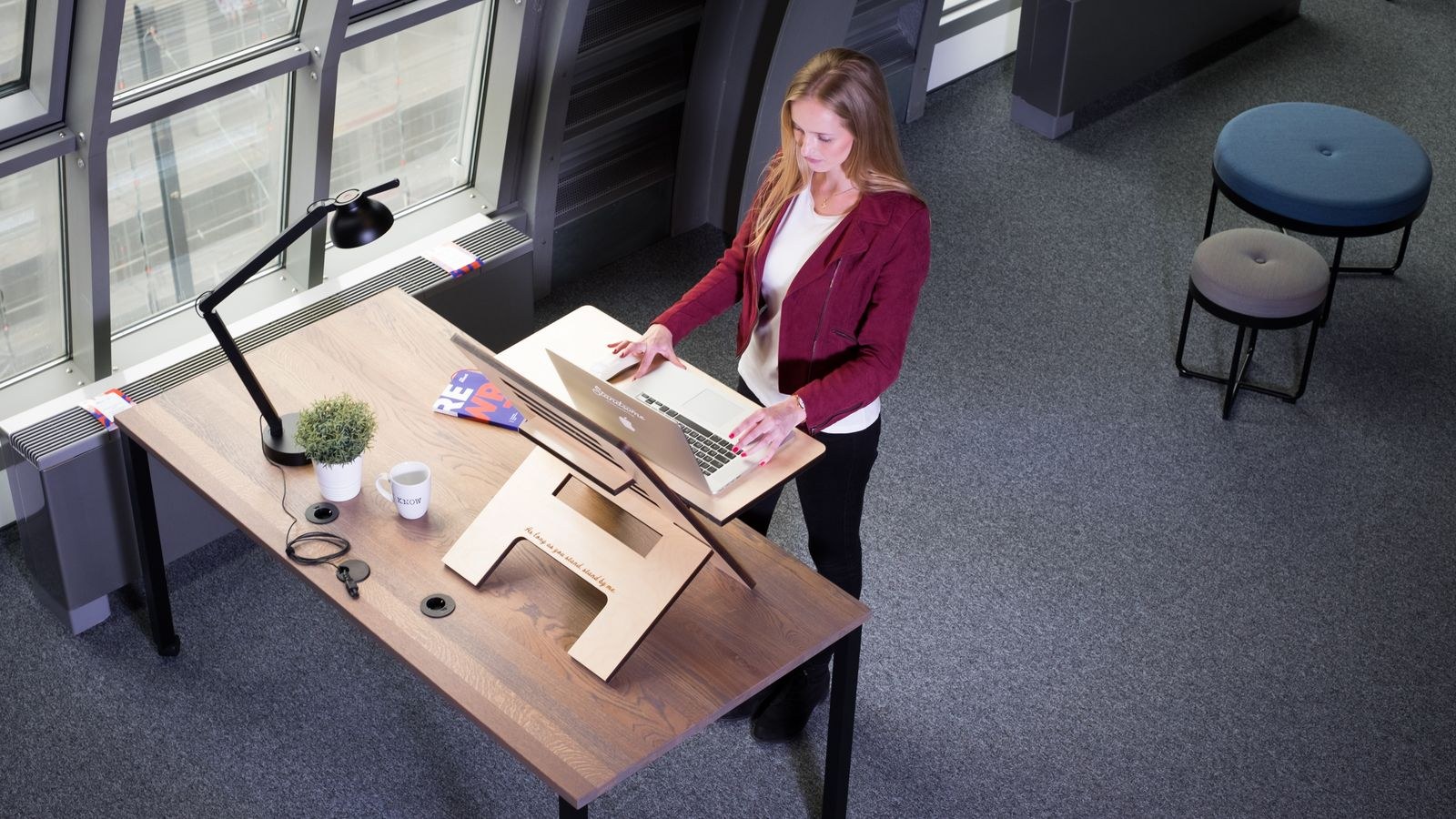
A standing desk is a work surface that raises and lowers, either electrically or with a crank, so you can alternate between sitting and standing during the day. That is the whole product. A treadmill desk is two products: an under-desk walking pad, usually a slim motorised belt without handrails, paired with a desk tall enough to work at while walking, which in practice means a height-adjustable desk anyway.
That framing matters because the comparison is slightly unfair as usually stated. A treadmill desk is normally a standing desk plus a walking pad. The real question is not which to buy, but whether the walking pad justifies its added cost, noise, and floor space on top of the desk you were going to buy regardless.
Calorie Burn: The Honest Numbers
Standing burns more energy than sitting, but far less than the marketing implies. For a typical adult, standing adds roughly 8 to 20 extra calories per hour over sitting. Across two hours of standing per workday that is a small effect, in the range of a piece of fruit.
Walking at a desk pace of 1 to 2 mph is a different order of magnitude, adding somewhere around 100 to 170 calories per hour above sitting depending on body weight and speed. Two hours of walking a day is genuinely meaningful over a year. If weight management is your primary objective, the treadmill desk wins decisively and it is not close.
Health Benefits Beyond Calories
Calories are the least interesting part. Both options interrupt prolonged static sitting, which is associated with better circulation, less lower-back stiffness, and steadier post-meal blood sugar. Standing does much of this on its own. Walking adds cardiovascular load, better joint lubrication, and a measurable mood and alertness effect that many users describe as the main reason they keep going.
Standing has a downside worth naming: standing still for long stretches on a hard floor causes foot, knee, and lower-back fatigue and, in extreme cases, contributes to venous problems. Walking avoids this because the muscles keep pumping. Neither option replaces actual exercise.
Focus, Typing, and the Work You Do
This is where the treadmill desk loses ground. At walking speeds, fine motor control degrades. Typing speed drops for most people, error rates rise, and precise mouse work such as detailed image editing, CAD, or spreadsheet cell selection becomes noticeably harder. Studies on cognitive performance at walking desks are mixed, generally showing preserved or improved creative and recall tasks alongside modest declines in fine-motor and detail-oriented ones.
A practical pattern emerges. Walking suits calls, meetings, reading, email triage, and thinking work. Sitting or standing suits code, writing, design, and anything requiring accuracy. That means the treadmill desk earns its place only if a decent chunk of your day is call-heavy or reading-heavy. If you spend seven hours in a code editor, you will use the belt for twenty minutes a day and resent the floor space.
Noise, Neighbours, and Video Calls
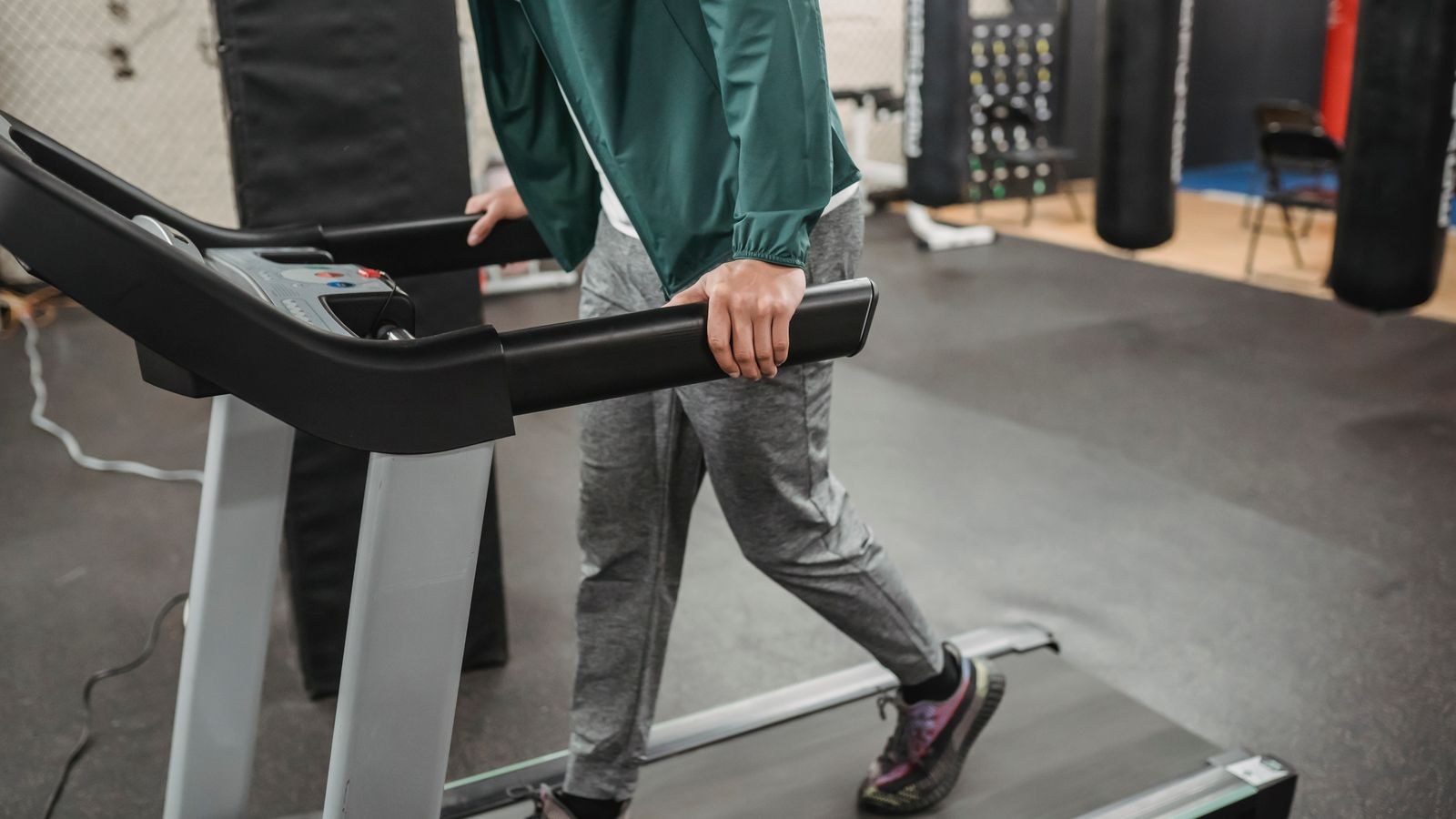
A standing desk is silent except during transitions, which last a few seconds. A walking pad runs continuously and produces two kinds of sound: motor hum and impact. Quality under-desk pads are quiet by treadmill standards, often quoted around 45 to 55 dB, but that is a constant, always-on floor of noise for the length of your session.
Microphones pick up more than you expect. Belt rhythm and slightly altered breathing are audible on calls, and a decent headset with noise suppression helps but does not eliminate it. The bigger issue is impact transmission through the floor. In an upstairs apartment or a room above a bedroom, footfall on a belt travels, and this is the single most common reason walking pads get returned or abandoned.
Space and Setup Requirements
A standing desk consumes exactly the footprint of the desk. You need clear space to stand, but that space is the same space your chair occupied.
A walking pad adds a permanent 55 to 70 inch long, 20 to 30 inch wide object under and behind your desk, plus clearance behind it so you are not walking into a wall. Slim models slide under a sofa or bed when idle, but if you have to move it every session you will stop using it within a month. Ceiling height matters too: walking raises your head 4 to 6 inches, which is fine in most rooms but tight in a basement or attic office. And because you are working at walking height, you need a desk that goes high enough with the belt’s deck thickness added on top, which pushes you toward frames with generous upper range.
Cost Comparison
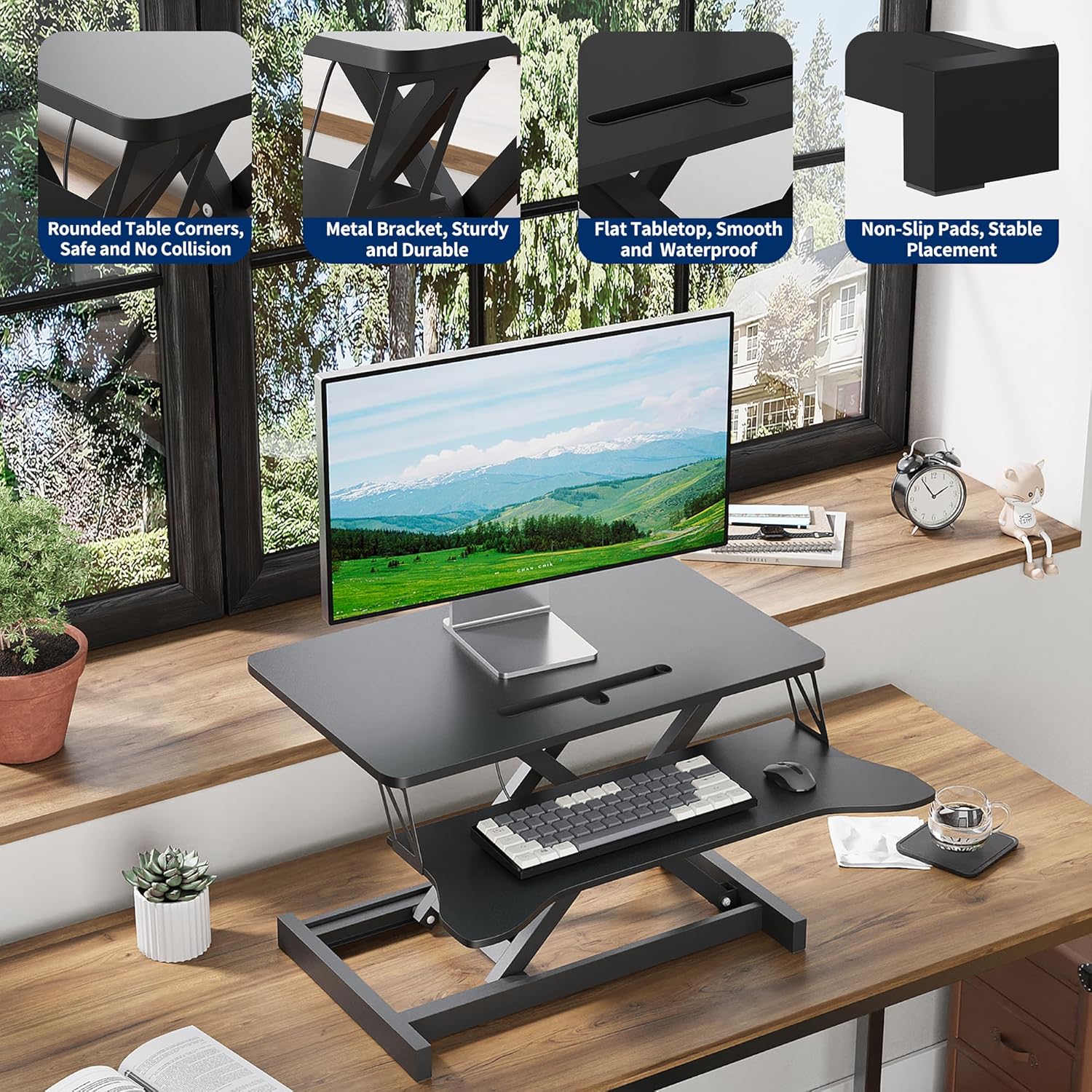
- Standing desk converter: the cheapest entry, sitting on your existing desk. Limited surface area and no legroom underneath, but a real way to test whether you will stand at all.
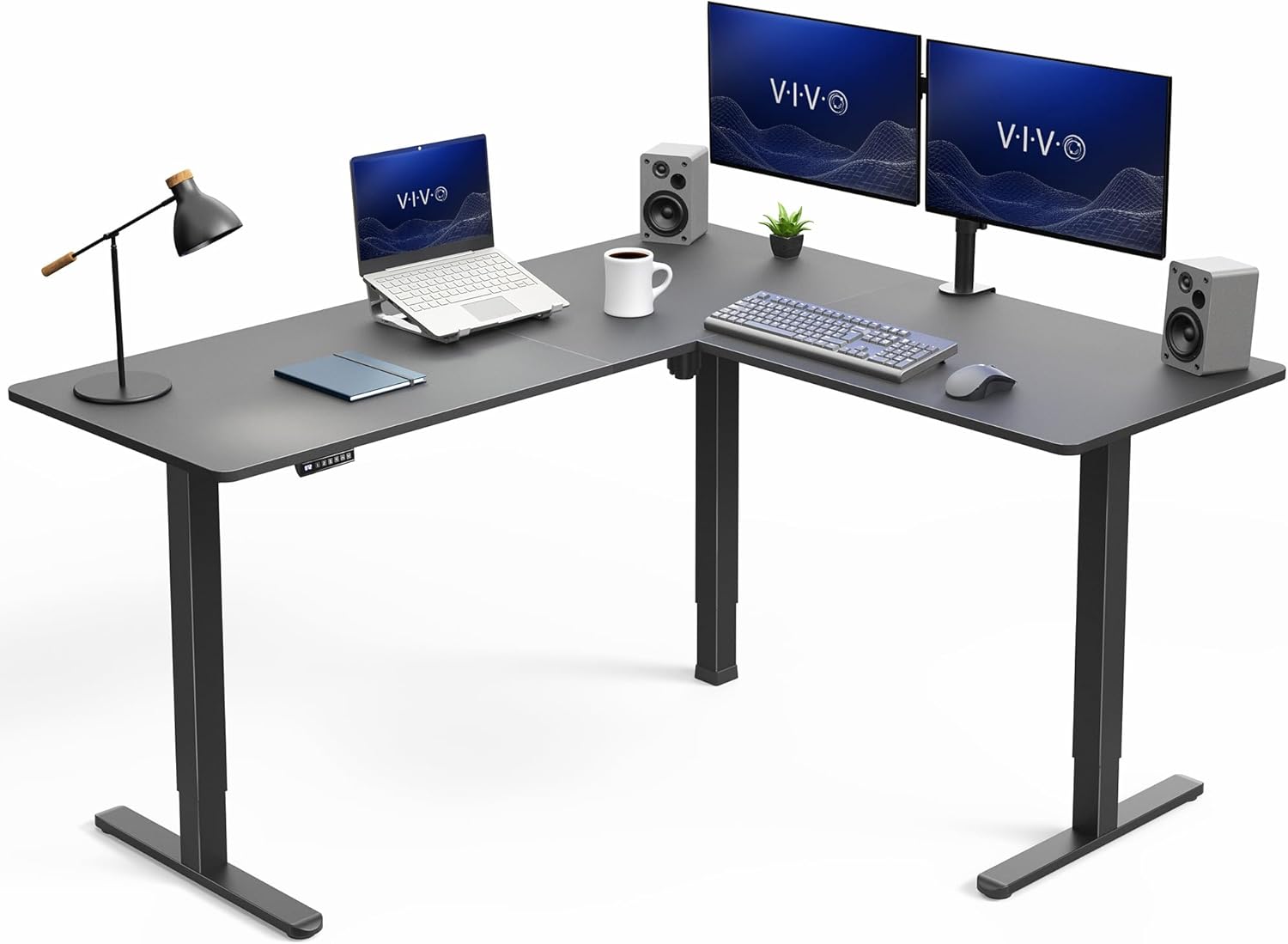
- Full electric standing desk: a mid-range purchase covering frame and top, with dual motor models costing more than single motor ones.
- Walking pad: an additional purchase on top of the desk, with cheap models often suffering short motor life and loud operation under sustained daily use.
- Ongoing costs: belts need lubrication and eventually replacement, and motors are the usual failure point after a few years of daily use. Standing desks have essentially no consumables.
Add supporting gear to whichever route you choose. Standing all day on a hard floor demands cushioning, and walking demands proper shoes. If you are pricing out the full setup, compare the best standing desks for the base, and the best standing desk exercise equipment for the walking pads, balance boards, and accessories that go with them.
Who Should Buy Which
Choose a standing desk if you want a simple, silent, low-maintenance change, your work is detail-heavy, you live in an apartment with neighbours below, floor space is limited, or you want the option to sit whenever you like without moving equipment. This covers the large majority of people.
Choose a treadmill desk if you genuinely spend hours on calls or reading, you have a ground-floor or well-isolated room, you have space to leave the belt in place, and increasing daily activity is an explicit goal rather than a nice idea. Be honest about the last point; the failure mode is a rarely used belt gathering dust.
Choose a converter if you are unsure, have a desk you like, or are renting and moving soon. It is the cheapest way to learn whether you actually stand when given the option, and the best standing desk converters cover models that sit on an existing surface without any assembly commitment.
The Answer Most People Need
The best setup for most readers is not either extreme. It is a height-adjustable desk used in short rotations, with a cushioned mat underfoot and the option to add a walking pad later if the habit sticks. Rotation beats endurance: roughly 30 minutes seated, 15 to 20 minutes standing, repeated, outperforms both all-day sitting and heroic four-hour standing sessions, which usually end in sore feet and a return to the chair.
Build in that order. Get the desk right first, because it is the foundation both paths share. Add cushioning second, because it is cheap and it is the reason most people stop standing. Add the walking pad third, only if your call load justifies it. Comparing the best sit-stand desks is the right starting point, and the overview of sit-stand desk health benefits explains what the rotation is actually doing for your body.
Common Mistakes People Make
- Standing all day from day one. This causes foot and back pain and drives people straight back to sitting. Build up gradually.
- Buying a walking pad before testing standing. If you do not stand, you will not walk. Prove the habit with the cheaper option first.
- Underestimating noise transmission. Apartment dwellers routinely discover the problem only after the neighbour complains.
- Skipping the mat and the shoes. Hard floors punish standing, and bare feet on a moving belt is both uncomfortable and unsafe.
- Ignoring desk height with the belt installed. The deck raises you several inches; a desk that tops out too low ruins the ergonomics.
Frequently Asked Questions
Can you really type while walking?
At 1 to 1.5 mph, yes, though most people lose some speed and gain some errors. Precision mouse work is harder than typing. Save detailed tasks for standing or sitting and use walking time for calls, reading, and email.
How many calories does a treadmill desk actually burn?
Roughly 100 to 170 extra calories per hour above sitting at a slow walking pace, depending on body weight and speed. Standing adds far less, generally under 20 per hour.
Is a treadmill desk safe for apartments?
It depends entirely on the floor. Ground-floor and slab construction are fine; upper floors in wood-framed buildings transmit footfall noticeably. A thick impact mat helps but does not solve it.
Do I need a special desk for a walking pad?
You need a height-adjustable desk with enough upper range to accommodate your height plus the belt deck, typically 4 to 6 inches. Fixed-height desks are almost never tall enough.
Which is better for back pain?
Alternating positions helps more than either extreme, and walking helps more than standing still because the muscles stay active. Standing motionless for hours on a hard floor can make lower-back discomfort worse rather than better.
Final Thoughts
Standing desks and treadmill desks solve overlapping but different problems. The desk fixes the posture problem cheaply, silently, and with almost no maintenance, and it suits nearly everyone. The walking pad fixes the activity problem, delivers real calorie and mood benefits, and charges you in noise, floor space, upkeep, and reduced precision on detailed work. Since a treadmill desk requires a height-adjustable desk anyway, treat the belt as a possible second step rather than an alternative first purchase. Buy the desk, add cushioning, rotate positions on a schedule you will actually keep, and revisit the walking pad in a few months once you know how much of your day is genuinely call-shaped.