Owen Bradley
 Hard water rarely announces itself. It shows up as chalky spots on glassware, soap that refuses to lather, and appliances that quietly fail years earlier than they should. A water softener fixes the cause rather than the symptoms, but shopping for one buries you in unfamiliar terms: grain capacity, regeneration cycles, resin beds, salt efficiency. This water softener buying guide translates all of it into decisions you can actually make, from sizing a system to your household to knowing what it really costs to run.
What Hard Water Actually Does to Your Home
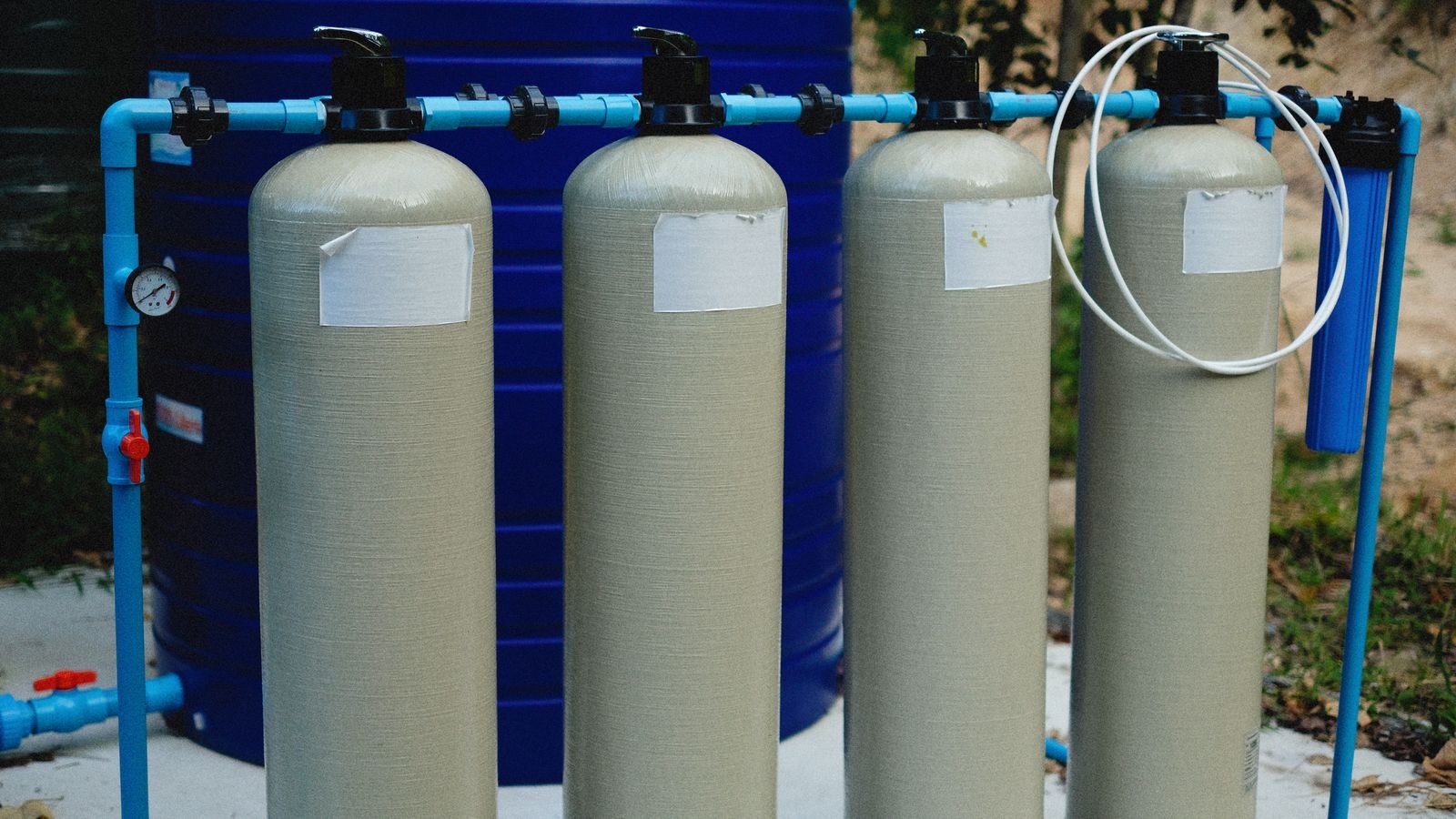
Hardness is simply dissolved calcium and magnesium picked up as groundwater moves through limestone and chalk. Neither mineral is a health hazard, which is why municipal suppliers do not remove them. The problem is chemical rather than medical: those minerals precipitate out as scale whenever water is heated or evaporates, and they bind with soap to form an insoluble scum instead of lather.
The cost shows up in three places. Water heaters lose efficiency as scale coats the element, burning more energy for the same temperature. Fixtures clog: dishwasher spray arms, washing machine valves, faucet aerators and shower heads all narrow over time. And everything you wash suffers, because clothes come out stiff and glass dries streaky. If your laundry has taken the worst of it, a machine designed to cope helps too, which is why we compare the best washing machines for hard water alongside softener options.
Test Before You Buy: Know Your Grains Per Gallon
Every sizing calculation starts with a hardness number, so guessing here throws off everything downstream. Hardness is measured in grains per gallon (gpg) in the US and in parts per million (ppm) or milligrams per litre elsewhere; divide ppm by 17.1 to get gpg. Water under 3 gpg is considered soft, 3 to 7 gpg moderately hard, 7 to 10 gpg hard, and anything above 10 gpg very hard.
You have three ways to find your figure. Your municipal supplier publishes an annual water quality report that lists hardness. A cheap titration test kit or test strip gives you a household-specific reading in minutes, which matters if you are on a private well. Or a lab test gives you hardness plus iron, manganese and pH, all of which affect softener choice. Our walkthrough on how to test water hardness covers each method and how to read the result correctly.
Do Not Forget Iron
Iron is the most common complication. A standard softener handles roughly 1 to 3 ppm of clear-water iron but consumes capacity doing so, so add about 4 grains of hardness load per ppm of iron. Above 3 ppm, fit a dedicated iron filter ahead of the softener.
Grain Capacity Math Without the Headache
Grain capacity is the total number of hardness grains the resin bed can remove between regenerations. Sizing it is straightforward arithmetic: multiply the number of people in the household by daily water use, then by your hardness in gpg, to get grains removed per day.
- Estimate daily use. Around 75 gallons per person per day is the standard planning figure, though careful households run lower and homes with long showers or frequent laundry run higher.
- Multiply people by gallons. A family of four gives roughly 300 gallons per day.
- Multiply by hardness. At 12 gpg, that is 3,600 grains per day.
- Multiply by the days you want between regenerations. Aim for regeneration every 6 to 8 days, so 3,600 by 7 gives about 25,200 grains.
- Round up to the nearest standard size. That household wants a 32,000 grain unit.
Do not simply buy the biggest unit available. An oversized softener regenerates too infrequently, which lets the resin bed sit stagnant and can encourage bacterial growth. An undersized one regenerates constantly, wastes salt and water, and lets hard water slip through during peak demand. Matching the size to real usage is the whole point.
Rated Capacity Versus Efficient Capacity
Manufacturers quote peak capacity at maximum salt dosing, which is the least efficient way to run a softener. A 32,000 grain unit typically reaches that figure using around 15 lb of salt, but delivers roughly 24,000 grains on a far more economical 6 lb dose. Compare units at their efficient rating, not the headline number, or you will consistently under-buy.
Salt-Based Softeners Versus Salt-Free Conditioners
These two product categories get shelved together and marketed interchangeably, but they do fundamentally different things. A true softener uses ion exchange: water passes through resin beads that swap sodium or potassium ions for calcium and magnesium, physically removing hardness from the water. The result is genuinely soft water that lathers freely and leaves no scale.
A salt-free conditioner, usually template-assisted crystallisation, does not remove anything. It converts dissolved hardness minerals into microscopic crystals that stay suspended and are much less likely to stick to pipe walls and heating elements. Scale prevention is real but partial, and you get none of the soap-and-skin benefits because the minerals are still in the water.
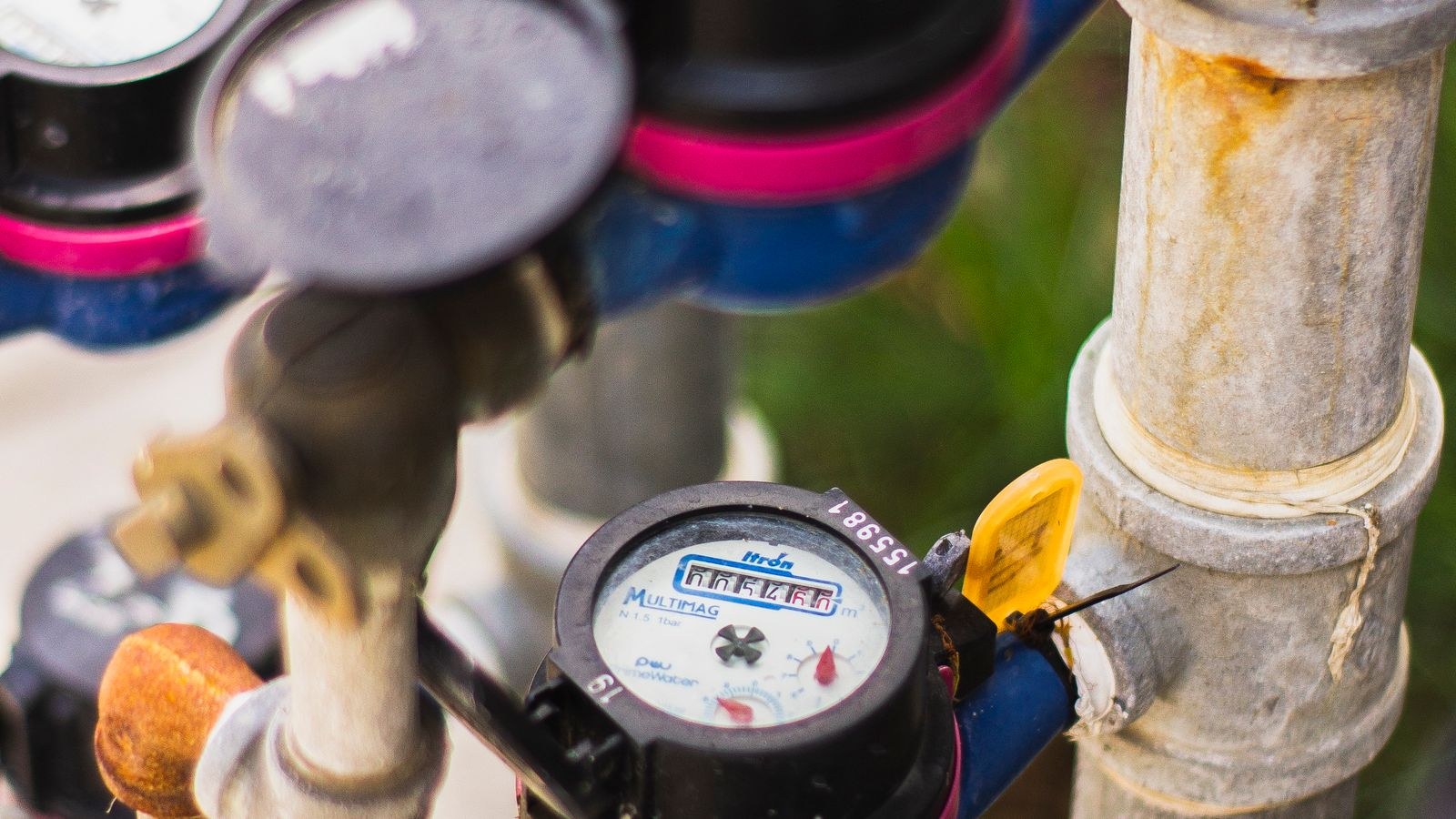
Choose salt-based if you have genuinely hard water, want better lathering and softer laundry, and have somewhere to drain the regeneration discharge. Choose salt-free if you are only trying to protect a water heater, have a septic system or local restrictions on brine discharge, cannot fit a drain line, or want a zero-maintenance appliance with no salt hauling. If your main complaint is confined to bathing, a targeted approach may be enough on its own; our hard water shower filtration guide explains where point-of-use treatment beats whole-house treatment.
Regeneration Types: Timer, Meter and Twin Tank
Regeneration is the cycle where the softener flushes brine through the resin to recharge it. How the unit decides when to do that drives most of the running cost difference between models.
- Time-clock regeneration fires on a fixed schedule regardless of how much water you used. It is the cheapest control head and the most wasteful, since it regenerates during a quiet week just as readily as a busy one.
- Metered or demand-initiated regeneration tracks actual gallons and only regenerates when the resin is genuinely near exhaustion. It typically cuts salt and water use substantially and is the sensible default for almost every household.
- Twin-tank systems run two resin tanks so one stays in service while the other regenerates. You never lose soft water, even overnight or in homes with irregular schedules. They cost more up front and take more space.
Most single-tank softeners regenerate in the small hours because service pauses briefly. If your household draws water around the clock, or you run a home business, the twin-tank premium buys genuine uninterrupted supply.
Flow Rate, Bypass Valves and Fittings
Capacity tells you how much hardness a unit removes; flow rate tells you whether it can keep up during a morning rush. Add up the fixtures likely to run simultaneously, allowing roughly 2.5 gallons per minute for a shower and 2 for a dishwasher or washing machine. Most homes want a service flow rating of at least 8 to 12 gpm, and larger homes with multiple bathrooms should look at 15 gpm or higher. Undersized flow shows up as a noticeable pressure drop when two taps run at once.
Check the plumbing details before you order. Confirm the port size matches your main line and that the unit ships with a bypass valve so you can isolate it for service. You also need a nearby drain for brine discharge and an electrical outlet for the control head.
Where the Unit Physically Goes
Install after the pressure regulator and before the water heater. Leave outside hose bibs on hard water to save capacity. Plan a footprint of roughly 3 feet by 2 feet for both tanks, plus clearance to lift salt bags in.
Running Costs Nobody Mentions Upfront
Salt is the obvious ongoing expense; a typical family gets through 8 to 10 bags of 40 lb salt a year, more with very hard water or an inefficient timer control. Potassium chloride is the sodium-free alternative and works fine, but costs three to four times as much per bag.
Regeneration also uses water, commonly 35 to 65 gallons per cycle. Then there is resin life: quality resin lasts 10 to 15 years before capacity fades, and chlorinated supplies shorten that unless the resin is chlorine-resistant or you fit a carbon prefilter. Budget for one resin replacement in the unit’s life, plus occasional injector cleaning.
Softened Water and Sodium
Ion exchange adds roughly 8 mg of sodium per litre for every grain per gallon removed. At 15 gpg that is around 120 mg per litre, meaningful on a sodium-restricted diet. Leave one kitchen cold tap unsoftened, or use potassium chloride.
Budget Tiers and What Each Buys You
Entry-level units are single-tank, time-clock controlled, and sized around 24,000 to 32,000 grains. They soften water perfectly well but waste salt and water. Mid-range systems add metered regeneration, better valve bodies, higher-grade resin and a longer warranty; this is where most households should land, because the salt savings recover the premium within a few years. Premium tiers bring twin tanks, higher flow rates, upflow brining and app-based monitoring that flags salt levels and unusual usage.
Installation is a separate line item. A competent DIYer with push-fit experience can handle it in a few hours, but professional fitting is worth it if you need new drain lines or a loop cut into a finished wall.
Common Mistakes That Waste Money
The most frequent error is skipping the hardness test and buying by household size alone, which produces a unit that is wrong in one direction or the other. Close behind is over-sizing on the assumption that bigger is safer; it is not, and it costs more to buy and run. Third is ignoring iron, sediment or low pH in well water, then blaming the softener when fouled resin stops performing within a year.
Buyers also confuse conditioners with softeners, then feel cheated when only the scale problem improves. And many neglect maintenance: letting the brine tank form a salt bridge, never cleaning the venturi injector, or using cheap rock salt that leaves residue. Clean pellet or solar salt and a monthly tank check avoid nearly all of it.
Where Point-of-Use Filters Still Help
A whole-house softener handles hardness, not taste, chlorine, sediment or lead. Those need filtration, and the two technologies complement rather than replace each other. If you are treating specific pain points rather than the whole house, focused shortlists help. The best shower filters for hard water address scale and skin complaints in the bathroom, while the best bathroom faucets for hard water highlight finishes and aerator designs that resist mineral spotting and stay easy to clean.
Frequently Asked Questions
Is softened water safe to drink?
For most people, yes. The added sodium is small compared with dietary sources, though anyone on a medically restricted sodium intake should use an unsoftened tap or potassium chloride. Softened water is not recommended for preparing infant formula or for watering plants.
How long does a water softener last?
A good unit runs 10 to 20 years. The control valve usually fails first, and resin capacity fades gradually. Clean salt and regular tank checks extend both.
Will a softener remove existing scale from my pipes?
Slowly, yes. Softened water slowly dissolves existing deposits over months. Do not expect an overnight fix, and note that loosened scale can briefly clog aerators in the first weeks.
Can I install one myself?
If you already have a plumbing loop with a drain and outlet nearby, a DIY fit takes an afternoon with push-fit connectors. Cutting a new loop into the main line is where most people call a plumber.
Final Thoughts
Buying a water softener well comes down to four numbers and one honest decision. Test your hardness, count your household, do the grains-per-day arithmetic, and check your peak flow requirement; those four give you the right size. The honest decision is whether you want genuinely soft water with the salt and drainage that entails, or scale protection alone from a maintenance-free conditioner. Get those right and the rest of the spec sheet stops being intimidating.
Whatever you choose, treat it as part of a system rather than a single purchase. Pair a correctly sized softener with a metered control head, protect it from iron and sediment, and add point-of-use filtration where taste or skin comfort matters. Do that and you spend less on salt, less on energy, and far less replacing appliances hard water would otherwise destroy. It remains one of the few home upgrades that pays for itself well beyond 2026.