Owen Bradley
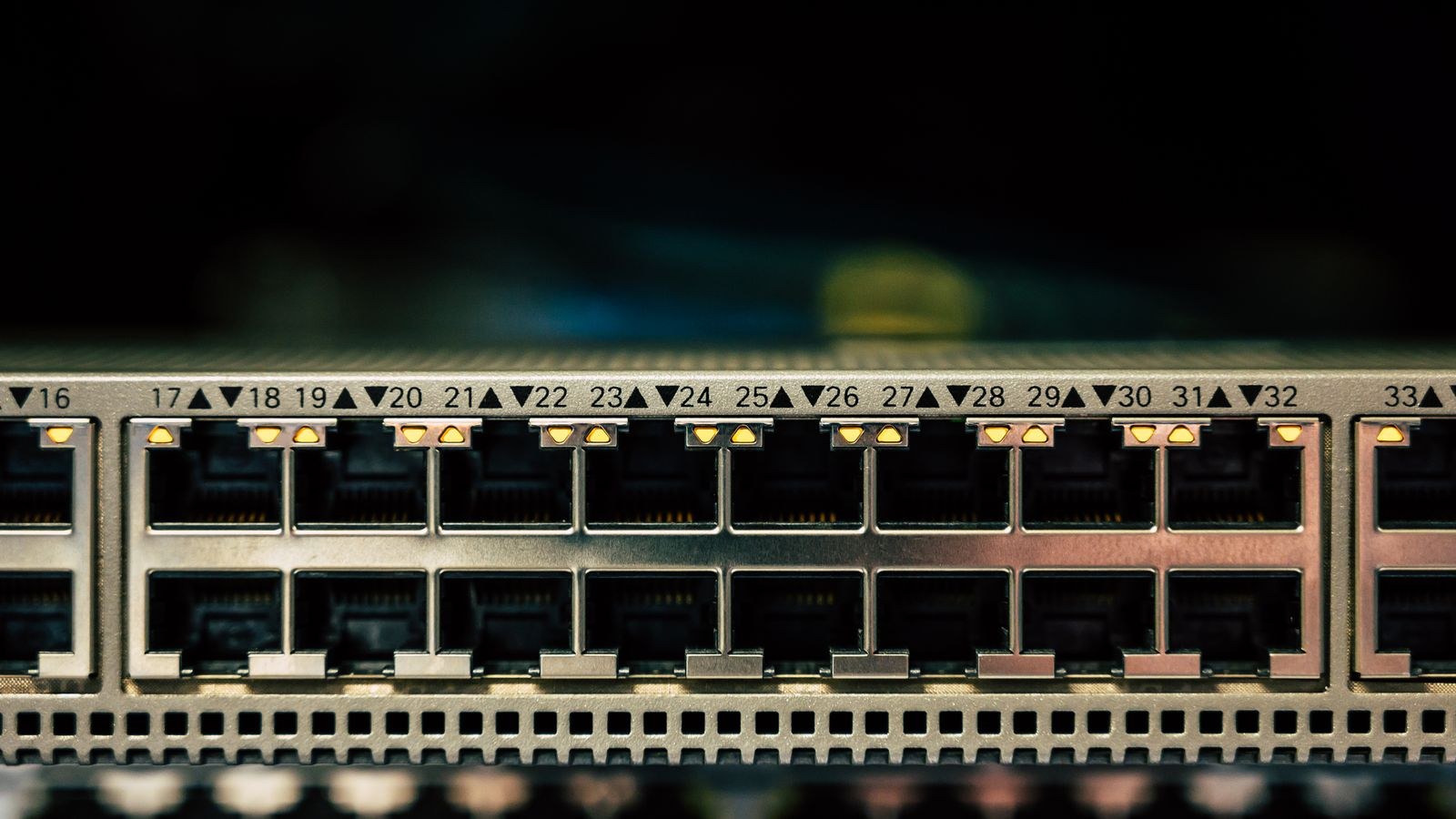
 Most homes now depend on a handful of small devices that quietly hate losing power. The modem and router keep the whole house online, the network switch feeds the office, the NAS holds every family photo, and the media server is mid-write when the lights flicker. A five-second outage that nobody would otherwise notice can mean ten minutes of rebooting, a corrupted file, or a security camera that missed the only footage that mattered. This UPS buying guide for home networks and media gear explains VA versus watts, how to calculate runtime, why waveform type matters, and which devices genuinely deserve battery backup — so you can size a unit correctly instead of guessing.
What a UPS Actually Does
An uninterruptible power supply sits between the wall and your equipment with a battery inside. When utility power fails, it switches to battery within milliseconds — fast enough that connected devices never notice. That is the headline feature, but for home networking gear it is often not the most valuable one.
The quieter benefit is power conditioning. Household voltage is not the steady line the label implies. It sags when a large appliance starts, spikes when motors switch off, and drifts during high-demand periods. Many UPS units correct these variations continuously, feeding equipment clean, stable power. Over years, that reduces stress on the small switching power supplies inside routers, modems and drives, which are frequently the first component to fail.
A UPS also provides surge protection and, on models with data connections, a graceful shutdown signal that tells a computer or NAS to close files and power down properly before the battery runs out. For a network cupboard, the ability to ride through short interruptions and shut down cleanly through long ones covers nearly every realistic scenario.
The Three UPS Topologies
Standby (Offline)
The simplest and cheapest design. It passes wall power straight through and switches to the inverter only when power fails. Transfer takes a few milliseconds, which is fine for most equipment. It offers minimal voltage regulation, so it suits areas with stable power and undemanding loads.
Line Interactive
The right choice for the vast majority of home networks. It adds an autotransformer that corrects moderate over- and under-voltage without switching to battery at all. That means brownouts and sags get handled while the battery stays charged and its lifespan is preserved. Line interactive units cost modestly more than standby and are worth every bit of it in a typical home.
Online (Double Conversion)
Continuously converts incoming AC to DC and back to AC, so connected equipment always runs from the inverter and there is no transfer time whatsoever. Output is perfectly clean regardless of what the utility does. These are expensive, run warmer and are generally overkill for home networking, though they make sense for a serious home lab or genuinely unstable power.
VA vs Watts: The Number Everyone Gets Wrong
UPS units are advertised in volt-amps, but your equipment consumes watts, and the two are not the same. Volt-amps describe apparent power; watts describe real power actually consumed. The ratio between them is the power factor, and most UPS units are rated with a power factor somewhere around 0.6 to 0.9.
The practical consequence: a 1500 VA unit does not deliver 1500 W. Depending on its power factor it may deliver somewhere around 900 W to 1350 W. Always check the watt rating on the specification sheet and size against that, not against the headline VA figure.
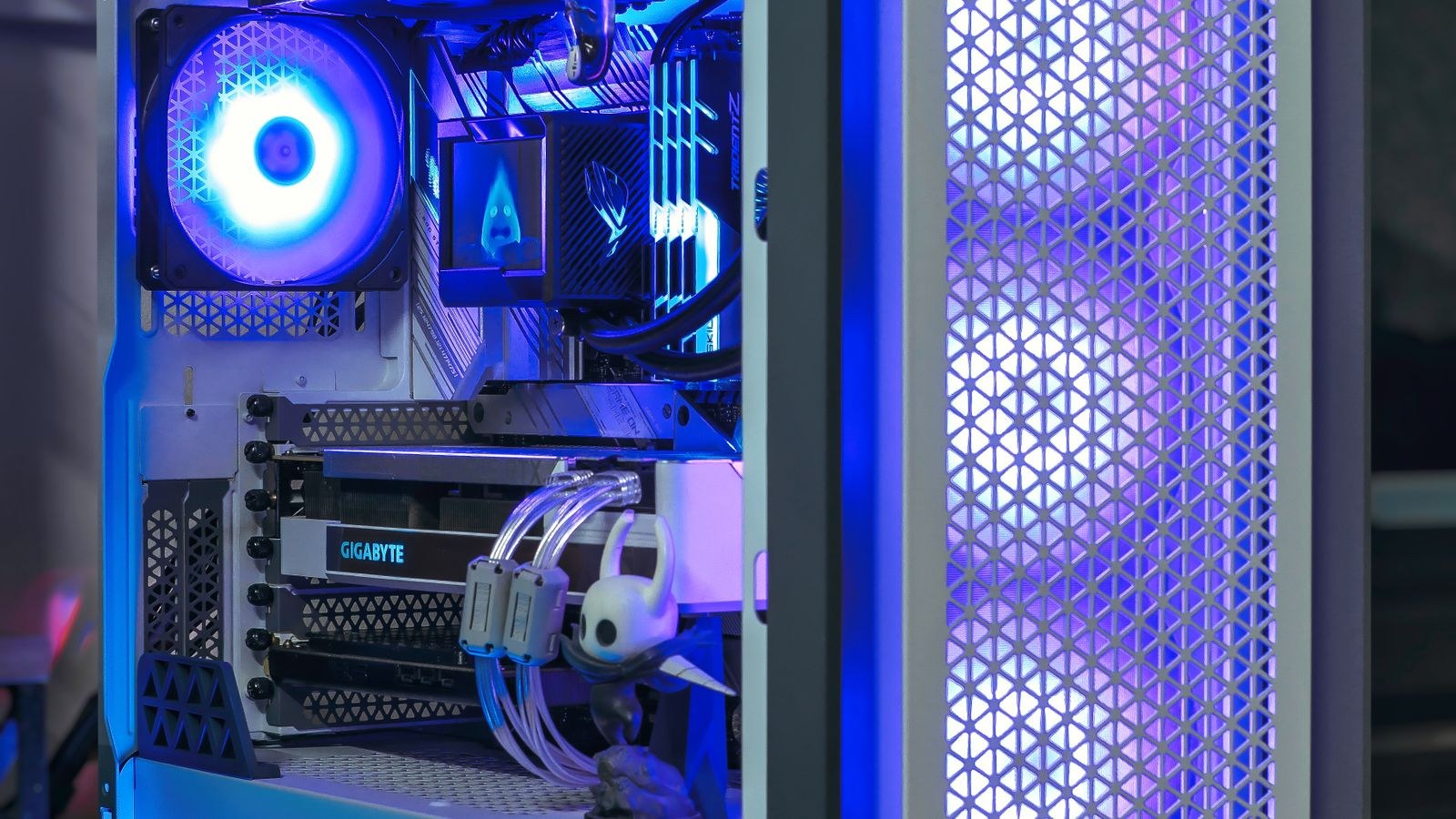
To size your load, add up the actual draw of everything you plan to connect. Home network gear is remarkably light — a cable modem might draw around 10 W, a router 15 W, a network switch 10 to 20 W, and a small NAS 30 to 50 W under load. A typical network cupboard totals well under 100 W, which is why a modest UPS can run it for an unexpectedly long time. If you plan to add a desktop computer, that changes everything, since a gaming PC under load can pull several hundred watts on its own; our guide to the best UPS for gaming computers covers sizing for those much heavier loads.
Calculating Runtime Realistically
Runtime is inversely related to load, and not linearly. A UPS running at 25% of its capacity lasts far longer than four times as long as the same unit running at full capacity, because inverter efficiency and battery discharge behavior both improve at lighter loads.
Decide first what runtime you actually need. If your goal is riding through the brief flickers and momentary outages that account for most power interruptions, five to ten minutes is plenty and a small unit will do. If you want to keep the internet running through a fifteen-minute outage so a video call survives, size for that. If you want hours of uptime, you are looking at a large unit with external battery packs, and it is worth asking whether a generator or a different approach fits better.
Most manufacturers publish runtime charts by load. Use them rather than estimating. Sizing a UPS so your equipment sits at roughly a third to a half of its rated capacity is a sensible target: it gives generous runtime, leaves headroom for adding devices later, and keeps the unit operating in its efficient range.
Waveform: Why Sine Wave Matters
On battery, a UPS synthesizes an AC waveform. Cheaper units produce a simulated (stepped) sine wave, which is a blocky approximation. More capable units produce a pure sine wave that closely matches utility power.
Simple devices tolerate stepped waveforms without complaint. The problem is modern active power factor correction power supplies, found in many desktop computers and some higher-end equipment. These can misinterpret a stepped waveform, causing the device to shut down, buzz audibly, or refuse to run on battery at all — the exact opposite of what you bought the UPS for.
For a modem, router and switch, a simulated sine wave is usually fine. For anything containing a modern computer power supply, a NAS or sensitive audio equipment, buy pure sine wave. The price premium is real but modest, and it eliminates a whole category of compatibility surprises.
Which Devices Deserve Battery Backup
Not everything needs to be on the battery, and putting the wrong things there wastes runtime. Most UPS units have two groups of outlets: battery-backed and surge-only. Use them deliberately.
On the battery: the modem, the router, the main network switch, any NAS or home server, security camera recorders and the desktop computer if it is included in the plan. These are the devices where a sudden loss of power means lost data, a long reboot, or the whole house going offline.
Surge-only outlets: printers, monitors on a secondary desk, lamps, chargers and speakers. A laser printer in particular should never be on battery — its fuser draws enormous current in bursts and can overload the inverter instantly.
Never on a UPS: space heaters, kettles, vacuum cleaners or any high-draw heating appliance. If you also need protection for equipment that does not warrant battery backup, a good surge protector on a nearby circuit is the correct tool, and the best power outlets guide covers receptacle upgrades that reduce the need for daisy-chained strips around the entertainment center.
Keeping the Internet Alive During an Outage
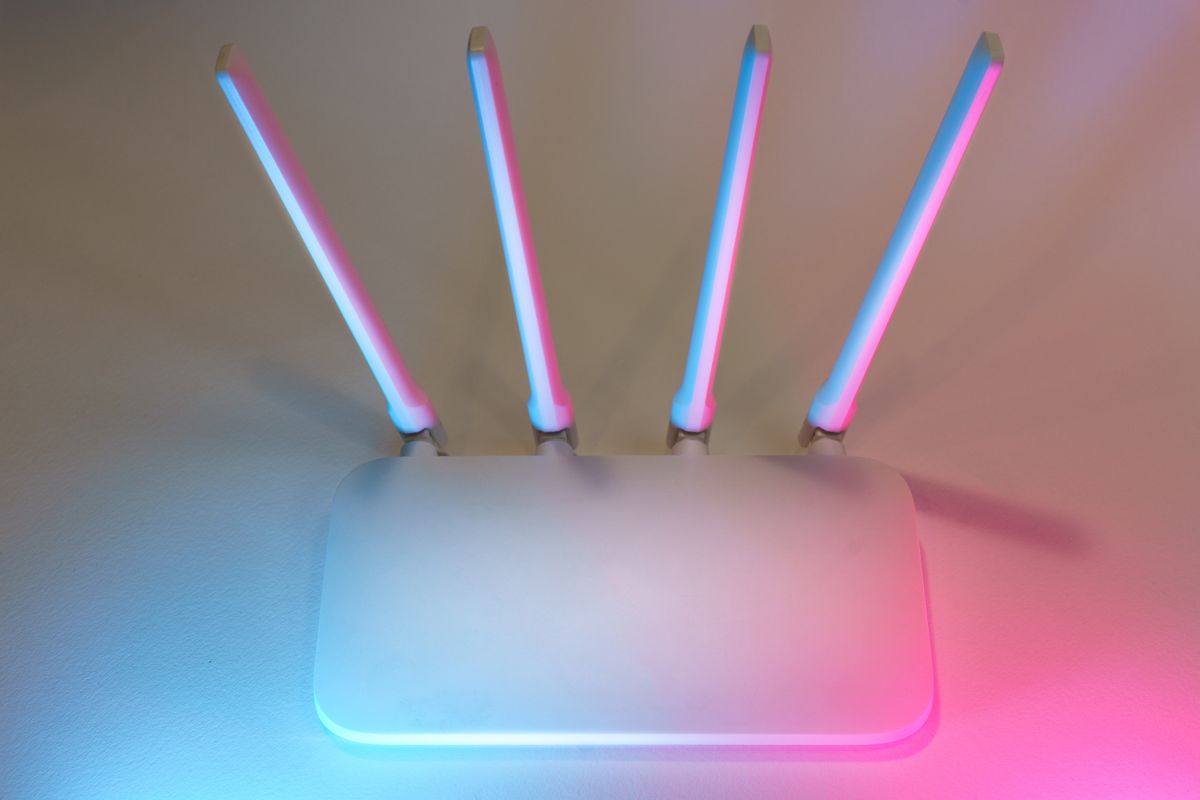
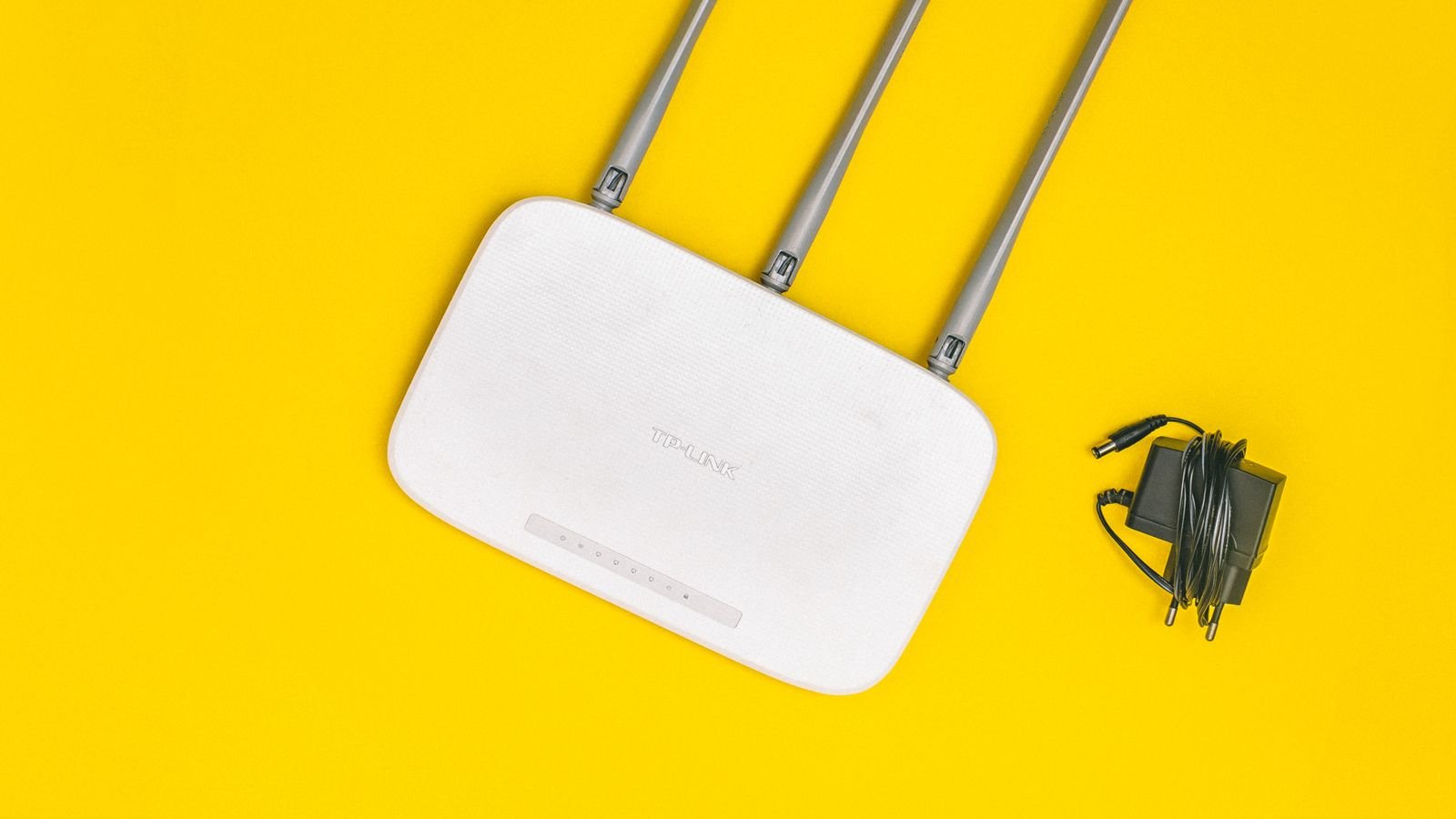
The single most satisfying use of a home UPS is keeping the internet running when the lights go out. Because the modem, router and a small switch together often draw less than 40 W, even an entry-level unit can hold them up for a surprisingly long stretch — long enough to finish a call, check outage maps or keep security cameras recording.
Two practical points make this work. First, put the whole chain on the battery, since protecting the router but not the modem accomplishes nothing. Second, remember that upstream infrastructure may also lose power; cable and fiber networks usually have their own backup, but coverage varies.
Since these are exactly the devices you are protecting, it is worth making sure they are good ones. Our roundup of the best Wi-Fi 6E routers covers models that handle a busy household without generating heat and power draw you then have to back up, and the best modems for streaming comparison helps if you are replacing a rented gateway at the same time. For a wider view of protecting a whole desk and rack setup, our overview of UPS power protection for gaming PCs covers layout and outlet grouping in more depth.
Batteries, Lifespan and Maintenance
Most home UPS units use sealed lead-acid batteries, which typically last three to five years. Heat is their main enemy, so a unit crammed into a hot cupboard will fail sooner than one with airflow. Some newer models use lithium batteries that last considerably longer and tolerate heat better, at a higher purchase price.
Batteries fail gradually and silently. A unit that once provided twenty minutes may provide two after four years, and you will not discover this until an outage. Run the self-test occasionally, watch for the replace-battery indicator, and note the purchase date somewhere you will find it.
Prefer a unit with user-replaceable batteries. Replacing a battery cartridge costs a fraction of a new UPS and keeps a perfectly good chassis in service. Sealed units that must be discarded when the battery dies are poor value over a decade.
Features Worth Paying For
- USB or network monitoring so a computer or NAS shuts down gracefully before the battery empties.
- An informative display showing load, remaining runtime and input voltage, which makes sizing and troubleshooting far easier.
- Automatic voltage regulation, the defining benefit of line interactive designs, handling sags without touching the battery.
- Separated outlet banks with clear labeling so battery capacity goes to the right devices.
- Adequate outlet spacing, since network gear uses bulky adapters that block neighboring sockets.
- An audible alarm you can mute, because a beeping UPS in a bedroom cupboard during a night outage is genuinely unpleasant.
Frequently Asked Questions
What size UPS do I need for a router and modem?
A small unit is plenty. Networking gear typically totals under 50 W, and even entry-level models will run that load for a long stretch.
Is VA the same as watts?
No. Watts are the real figure to size against, and a UPS delivers meaningfully fewer watts than its VA rating suggests. Always check the watt specification.
Do I need a pure sine wave unit?
For a modem, router and switch, usually not. For anything with a modern active PFC power supply, including most desktop computers and many NAS units, yes.
How long do UPS batteries last?
Typically three to five years for sealed lead-acid, less in hot locations. Choose a model with replaceable batteries so the unit outlives its first battery.
Can I plug a power strip into a UPS?
A surge protector strip should not be chained to a UPS. If you need more outlets, buy a UPS with enough of them or a plain, properly rated strip within the load limit.
Final Thoughts
Sizing a UPS for a home network is easier than the specification sheets make it look. Add up the real watt draw of the devices you want to keep alive, choose a line interactive unit with roughly two to three times that capacity in watts, and pick pure sine wave if a computer or NAS is in the mix. Put the modem, router, switch and storage on the battery outlets, leave printers and lamps on the surge-only bank, and plan on replacing the battery every few years. Done that way, a modest and inexpensive unit turns every flicker and brownout into a non-event, protects the small power supplies that fail first, and keeps the house online when the neighborhood goes dark.