Owen Bradley
 The phrase “weatherproof” appears on almost every outdoor camera box, and it means almost nothing on its own. What actually tells you whether a camera survives a driving rainstorm, a dusty summer, or a February cold snap is the two-digit IP rating printed in the specifications, plus an operating temperature range that manufacturers tend to bury. Understanding security camera IP ratings takes about ten minutes, and it saves you from the most common outdoor camera failure of all: a unit that worked perfectly for eight months and then quietly fogged over or died after the first serious storm. This guide decodes the numbers, explains which parts of a camera actually fail in wet weather, and shows you what to check before mounting anything outside in 2026.
What the Two Digits in an IP Rating Mean
IP stands for Ingress Protection, and the code always follows the same structure: the letters IP followed by two numbers. The first digit rates protection against solids — dust, sand, grit, insects — on a scale from 0 to 6. The second digit rates protection against water, on a scale from 0 to 9. Higher is better in both positions, and the ratings are tested independently, so a camera cannot skip one and claim the other.
For the solids digit, only two values really appear on cameras. A 5 means dust-protected: some dust may enter, but not enough to interfere with operation. A 6 means dust-tight, with no ingress at all. In a dry, dusty region or anywhere near a gravel driveway, that difference matters more than people assume, because fine grit that settles on an image sensor assembly or works into a pan-tilt mechanism causes gradual, hard-to-diagnose degradation.
The Water Digit, Level by Level
The second digit is where most of the useful distinction lives. A 4 means splashing water from any direction — adequate for a covered porch, not for open exposure. A 5 means low-pressure water jets from any direction, which covers ordinary rain and light hose spray. A 6 means powerful water jets, meaning heavy driving rain and direct hose cleaning are both fine. A 7 means temporary immersion in up to one meter of water for thirty minutes, and an 8 means continuous immersion at a depth the manufacturer specifies.
Note something counterintuitive: 7 and 8 test static immersion, not pressure. A camera rated IP67 has been dunked, but not necessarily blasted from the side. That is why some rugged cameras carry a dual rating like IP66/IP67 — they passed both the high-pressure jet test and the immersion test. For outdoor security use, the jet resistance in a 6 is arguably more relevant than immersion, since wind-driven rain behaves much more like a spray than a bath.
Which Rating You Actually Need
IP65 is the practical minimum for anything mounted outside. It handles rain, snow, and normal weather, and it is what most mainstream outdoor cameras carry. Under a deep eave or a covered porch, IP65 will serve for years without complaint.
IP66 is the sensible target for fully exposed positions: a bare wall facing prevailing weather, a pole mount, a soffit on the windward side of the house, or a coastal location where salt spray rides the wind. The step from 65 to 66 usually costs very little and buys real margin. IP67 is worth paying for in genuinely harsh spots — near sprinklers, at ground level where snow drifts or puddles accumulate, or on a boat dock. Anything above that is specialist territory you are unlikely to need on a house. Our roundup of the best outside cameras lists these ratings model by model so you can compare exposure levels directly.
What Actually Fails, and Why It Is Rarely the Housing
Here is the crucial insight most buyers miss: outdoor cameras almost never fail because water penetrated the sealed body. They fail at the seams the IP test does not cover. The single most common failure point is the cable entry — the pigtail where power or Ethernet leaves the camera. That connector is frequently not rated at the same level as the body, and water tracking down the cable pools in the junction, corroding contacts over a period of months.
The second most common failure is internal condensation. A camera that heats up under afternoon sun and cools rapidly overnight breathes through its tiny pressure-equalization vent. Humid air enters, and when the temperature drops, moisture condenses on the inside of the lens cover. The housing never leaked; humidity simply arrived as vapor. Good cameras include a desiccant pack and a vent membrane to manage this, but improper mounting angles that let water sit on the lens shroud make it worse.
Sealing the Parts the Rating Ignores
Every cable joint outside must live inside a weatherproof junction box or be sealed with a proper RJ45 weather boot and self-amalgamating tape. Mount the camera so the cable exits downward or forms a drip loop, so water runs off the wire instead of following it into the connector. Point the lens slightly downward rather than level, which keeps rain off the glass and reduces both glare and standing water. These three habits prevent more failures than upgrading from IP65 to IP67 ever will.
Temperature Range: The Spec That Beats IP Rating in Winter
An IP rating says nothing about cold. A camera can be perfectly dust-tight and jet-proof and still stop working at minus 15 degrees Fahrenheit. Check the operating temperature range separately — it is usually stated as something like minus 4 to 122 degrees Fahrenheit for consumer models, with commercial units reaching minus 22 or lower.
Cold affects three things. Batteries lose a large fraction of their usable capacity, so battery cameras that lasted months in summer may need recharging every few weeks. LCD or plastic components become brittle. And moving parts in pan-tilt cameras can seize when lubricant thickens. Cameras designed for real winters include internal heaters, which is why they demand more power and often require PoE at the higher wattage tier rather than the basic one. If you are in a genuinely cold climate, our walkthrough on how to winterize home security cameras covers the seasonal prep that keeps them running through a hard freeze.
Heat and Sun Exposure
The top of the range matters too, particularly on a south or west-facing wall in a hot climate. Direct sun on a dark camera housing can push internal temperature far above ambient air temperature, and sustained heat degrades image sensors, shortens component life, and causes noisy footage. A small sun shield or a mounting position under an eave costs nothing and adds years. UV exposure also yellows and crazes plastic lens covers over time, which quietly ruins image clarity long before anything technically breaks.
Indoor Cameras Do Not Belong Outside
Indoor cameras typically carry no IP rating at all, or at best an IP20-equivalent that means nothing more than protection from fingers. Putting one on a covered porch “because it stays dry there” is a losing bet: humidity, temperature swings, and wind-driven mist all reach covered areas. The failure is rarely dramatic — usually just a slow fog inside the lens and gradually worsening night vision.
The reverse is fine, though rarely ideal. An outdoor-rated camera works indoors, it just tends to be bulkier, less attractive, and to lack indoor conveniences like privacy shutters. If you are deciding which type belongs where, our comparison of indoor vs outdoor security cameras breaks down where each design genuinely makes sense.
Reading a Spec Sheet Without Getting Fooled
Watch for vague marketing language. “Weather-resistant,” “all-weather,” and “built for the outdoors” are not standards and carry no test behind them. If a listing does not print a specific IP code, assume the manufacturer chose not to certify it. Similarly, an IP rating that applies only to the camera body, with the connector explicitly excluded, is common — read the footnote.
Check three numbers together: the IP code, the operating temperature range, and the housing material. Metal housings, usually aluminum, shed heat better and resist UV degradation far longer than plastic ones, and they are considerably harder to tamper with. For a broad view of how these specs cluster across price tiers, browse our picks for the best security cameras and compare the ratings against what each one costs.
Mistakes That Ruin Outdoor Cameras
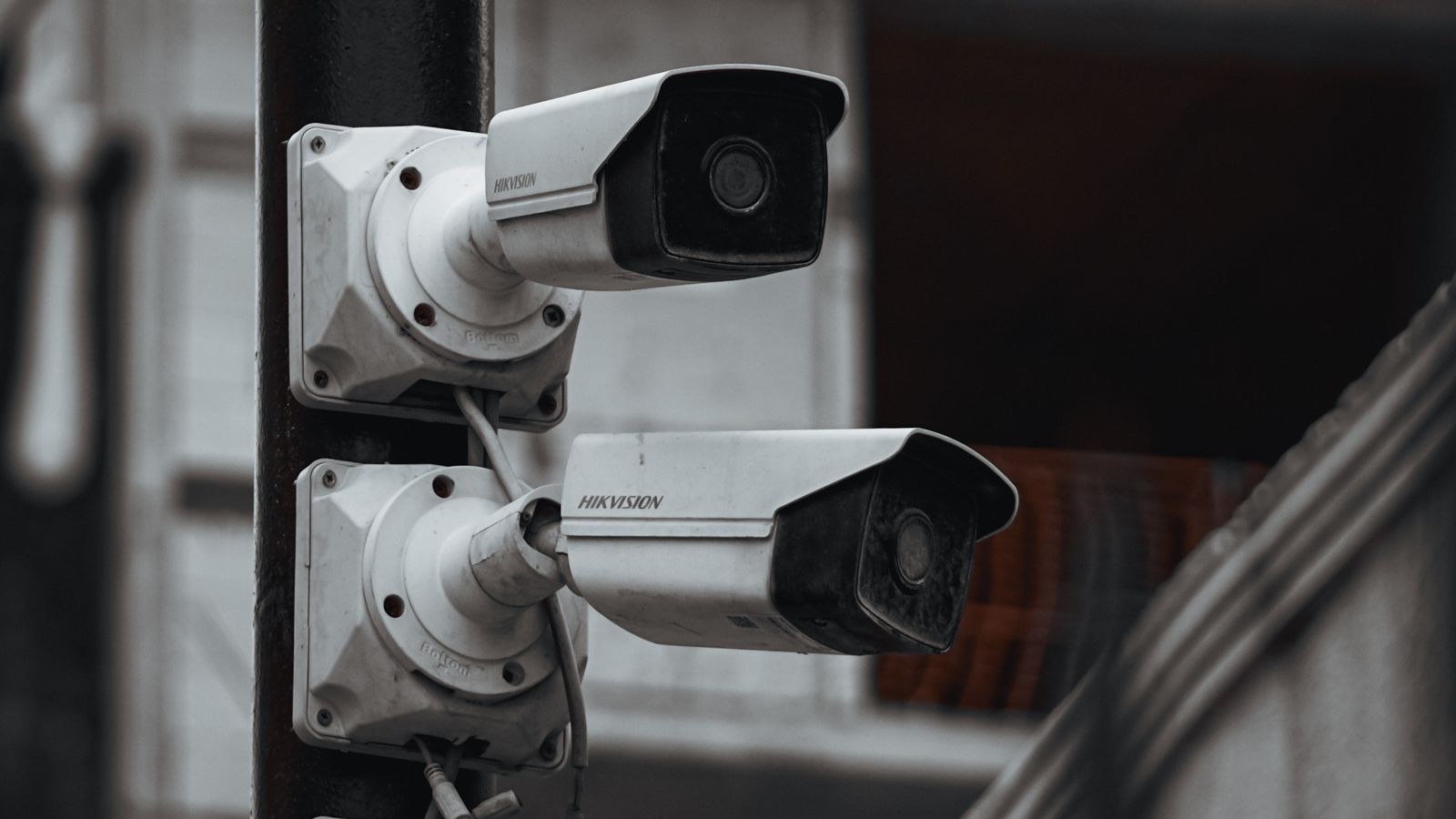
Mounting the camera facing directly upward is the classic error. It lets water pool on the lens cover and sit against the seal, defeating a rating the camera legitimately earned. Second is leaving the cable connector exposed to the sky — the single most reliable way to kill an otherwise healthy camera within a year.
Third is drilling extra holes through the housing for a mounting bolt or a cable pass-through, which voids the seal instantly. Fourth is ignoring the desiccant pack: some cameras include a replaceable one, and after a few years it saturates and stops absorbing moisture. Finally, many people never clean the lens cover. A film of pollen, dust, and water spots scatters infrared light at night, turning usable footage into a white haze — a five-minute wipe twice a year fixes it. For a wider look at housing types and mounting styles, our guide to the best CCTV cameras for home covers bullet, dome, and turret designs and how each handles weather.
Frequently Asked Questions
Is IP66 meaningfully better than IP65?
Yes, for exposed mounting positions. IP66 survives powerful water jets rather than just low-pressure spray, which corresponds to wind-driven rain hitting a wall at an angle. Under a deep eave, the difference is largely academic.
Can I pressure wash an IP67 camera?
Not safely. IP67 covers immersion, not high-pressure jets. Even IP66 testing uses a controlled nozzle at a specified distance, well below what a consumer pressure washer produces. Clean with a soft cloth and mild soapy water instead.
Why is there condensation inside my camera lens?
Humid air entered through the pressure vent and condensed as temperatures dropped. Usually it clears on its own once the camera warms. If it persists, the desiccant is saturated or a seal has failed, and the mounting angle may be letting water sit on the housing.
Do IP ratings expire?
Not formally, but the seals age. Rubber gaskets harden and shrink after several years of UV exposure and temperature cycling, and a camera that was genuinely IP66 when new may perform closer to IP54 by year six. Treat outdoor cameras as consumables with a five to eight year life.
Final Thoughts
Aim for IP65 as a floor, IP66 anywhere with real exposure, and check the operating temperature range separately if your winters get serious. Then spend your remaining attention where it actually pays off: sealing the cable connector, angling the camera downward, keeping it out of direct afternoon sun, and wiping the lens twice a year. A well-mounted IP65 camera routinely outlasts a carelessly installed IP67 one, because the rating protects the body while your installation protects everything else.