Owen Bradley
 Halloween has quietly become one of the biggest decorating events of the year, sitting somewhere between a costume party and a full seasonal display. That growth means the choices are enormous and the quality range is brutal: inflatables that split in the first wind, costumes that photograph beautifully and are unwearable after twenty minutes, and lighting that either looks cinematic or looks like a cheap disco. This guide covers how to plan a display, how to buy decor and costumes that survive the night, and how to handle the practical issues — power, weather, safety and storage — that decide whether the season is fun or fraught.
Start With a Concept, Not a Shopping Cart
Displays that look considered almost always follow one theme; displays that look chaotic are a pile of individually appealing purchases. Pick a direction before spending anything.
- Classic spooky. Jack-o’-lanterns, cobwebs, bats, warm amber light. Family friendly, cheap to build, endlessly extendable.
- Haunted mansion. Candelabras, tattered lace, portraits, cool blue-white light and fog. Elegant and very effective at dusk.
- Graveyard. Tombstones, ground-breaker figures, skeletal hands, low uplighting from the base of each stone.
- Harvest and gothic autumn. Pumpkins, corn stalks, dried flowers, warm light. Goes up in early October and stays relevant into November.
- Horror. Animatronics, gore, jump scares. Genuinely fun for adult audiences and genuinely unsuitable for a street full of small children.
Match intensity to your audience. A house on a busy trick-or-treat route with toddlers arriving at five in the afternoon needs a different approach from a party for adults at ten at night. A common compromise is a friendly display at ground level and the scarier material higher up or in a side area people choose to approach.
Outdoor Decor: What Actually Survives
Inflatables deliver enormous visual impact for the money and go up in minutes. They also need continuous power, deflate the moment the fan stops, and tear at the seams in wind. Look for reinforced stitching, a robust anchoring kit, and material heavier than the thinnest budget nylon. Take them down before a storm rather than after.
Animatronics — moving, sound-triggered figures — are the centrepiece of many displays. Judge them on the motion mechanism and the trigger: motion sensors with adjustable sensitivity and a settable rest period avoid the figure screaming continuously at passing cars. Check the weather rating, since many are marketed outdoors but rated only for covered porches.
Tombstones and static props are the best value in the category. Moulded foam looks convincing under lighting and stores flat, but it is light enough to blow away, so stake it properly. Resin and composite props last many seasons.
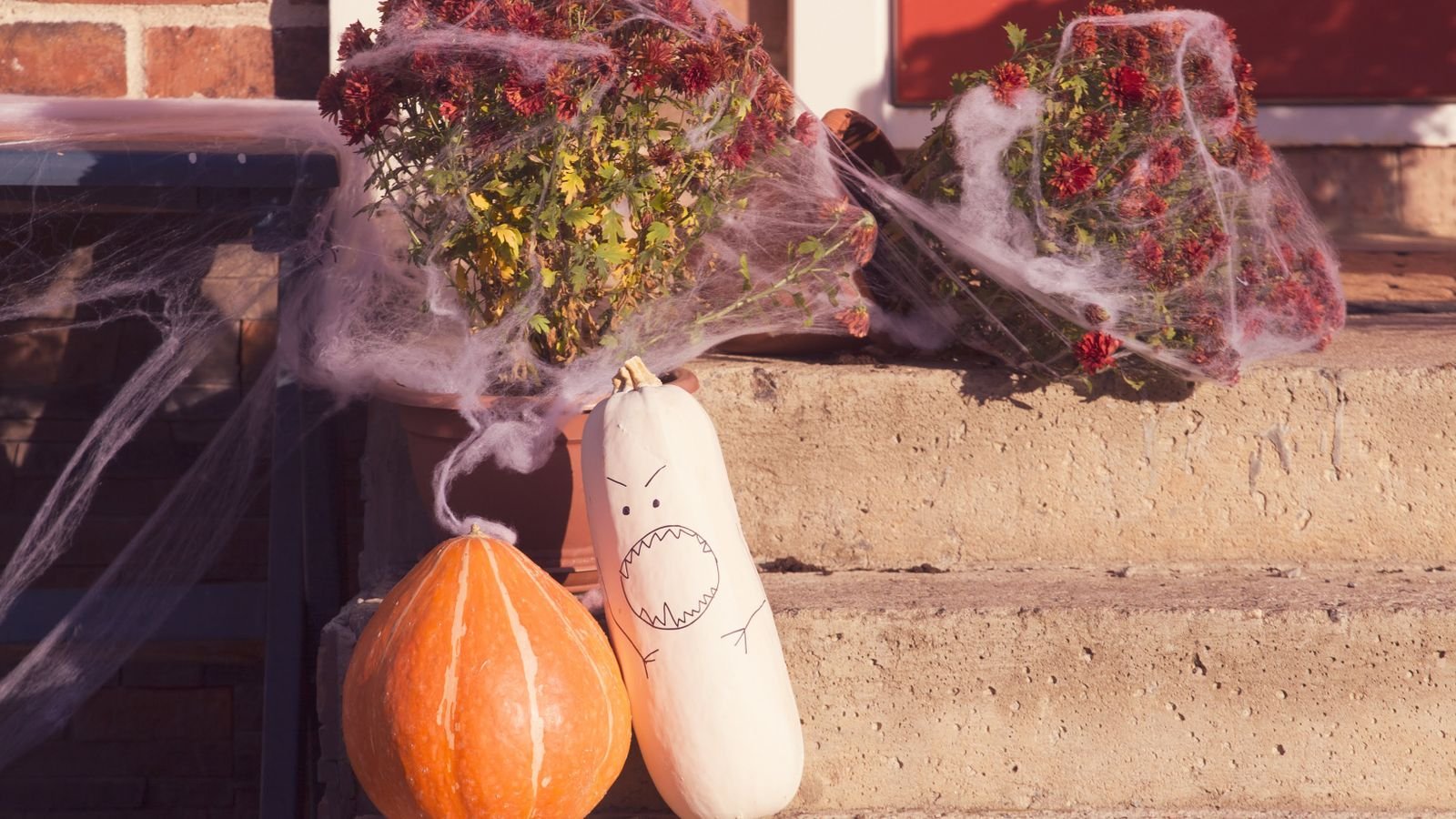
Cobwebs are the cheapest high-impact item and the most commonly misused. Stretch them thin until they are almost translucent; dense clumps look like cotton wool. They also trap birds and small animals, so use them sparingly outdoors and remove them promptly.
Pumpkins. Real ones carve beautifully and rot within a week in warm weather; artificial ones cost more once and last a decade. Many households now do both: artificial for the long display, real for the week itself.
Lighting Is What Separates Good Displays From Great Ones
Nearly everyone under-invests in lighting and over-invests in props. A modest set of props lit well beats an expensive collection lit flatly by a porch bulb.
Colour choice does most of the work. Amber and warm orange read as classic Halloween and flatter pumpkins and timber. Deep purple and green feel cartoonish and playful. Cold blue-white creates moonlight and is the most genuinely eerie option. Red should be used sparingly as an accent, because a whole facade in red reads as a nightclub rather than a haunted house.
Technique matters more than quantity. Uplight props from ground level to throw long shadows upward, which is the single most effective trick available. Silhouette figures against a lit curtain from inside the house. Keep the light sources hidden so the effect appears sourceless. Leave genuine darkness between lit areas, because contrast is what makes anything look dramatic.
Practical options range from staked spotlights with coloured filters to smart bulbs that shift colour on a schedule, and a set of the best landscaping lights bought for the season keeps working through the rest of the year on garden duty. For colour-changing scenes controlled from a phone, the best smart bulbs handle porch fittings and interior windows, while pathway safety for visiting children is best served by the best solar path lights, which need no cable across a lawn full of running feet.
Buying Costumes That Actually Work
A costume has to survive a whole evening of movement, temperature swings and food. Three factors predict whether it does.
Fit and sizing. Costume sizing is notoriously inconsistent and rarely matches ordinary clothing sizes. Check the manufacturer’s own measurement chart rather than trusting a size label, and allow room for layers underneath — a costume that fits perfectly over a t-shirt is unwearable over a coat in cold weather.
Construction. Look at the seams, the fastenings and the fabric weight. Single-use costumes are typically thin polyester with glued detailing that peels. If you expect to wear it more than once, or to hand it down, spend more on stitched detail and real closures.
Practicality. Can you sit, walk, use a bathroom and see? Full masks restrict vision severely and get uncomfortably hot; face paint is often the better choice, especially for children crossing roads at night. Long trailing fabric is a trip hazard on stairs and near candles.
Group and pair costumes are their own planning exercise, since they need coordination on theme, colour and effort level so nobody feels underdressed. Ideas for coordinated looks are collected in our guide to the best friend costumes for halloween, which is a useful starting point for pairs and small groups.
Safety: The Part Nobody Reads Until It Matters
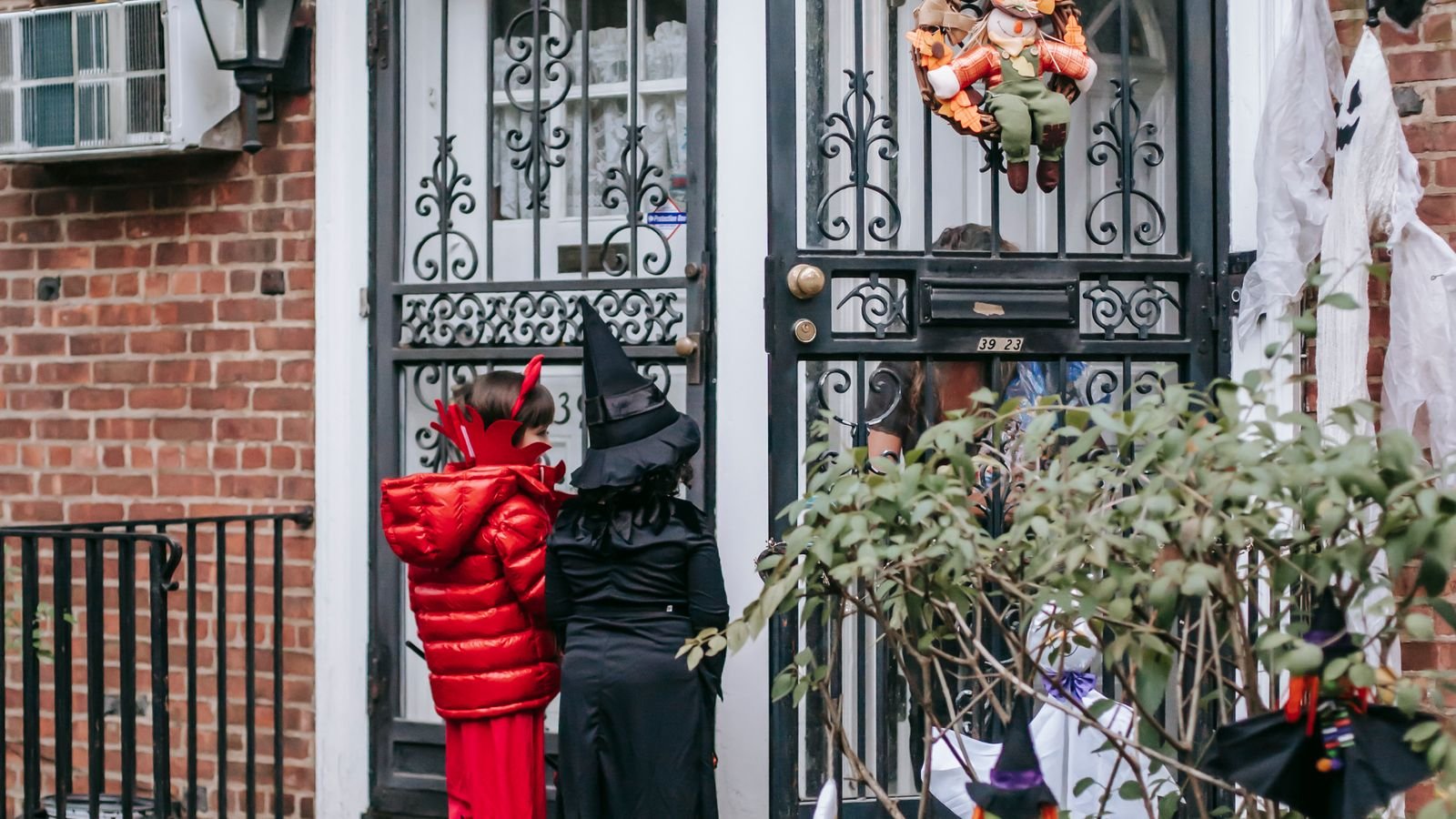
- Visibility. Dark costumes on unlit streets are the main real hazard of the night. Add reflective tape, glow sticks or a small clip light, and keep paths and steps lit.
- Flame. Use battery candles inside pumpkins and near fabric. Cobwebs, tulle and cheap costume polyester ignite fast, and a real tealight inside a decoration is the most common source of Halloween house fires.
- Electrical. Every outdoor light, inflatable and animatronic must be rated for outdoor use and plugged into an outlet with residual current protection. Keep connections off the ground and covered, and avoid daisy-chaining extension leads.
- Trip hazards. Route cables along edges and under mats, and clear the path visitors will actually walk.
- Masks and vision. Choose face paint over full masks for children, and test for skin reactions the day before.
- Allergies. If you hand out treats, consider a non-food option alongside sweets.
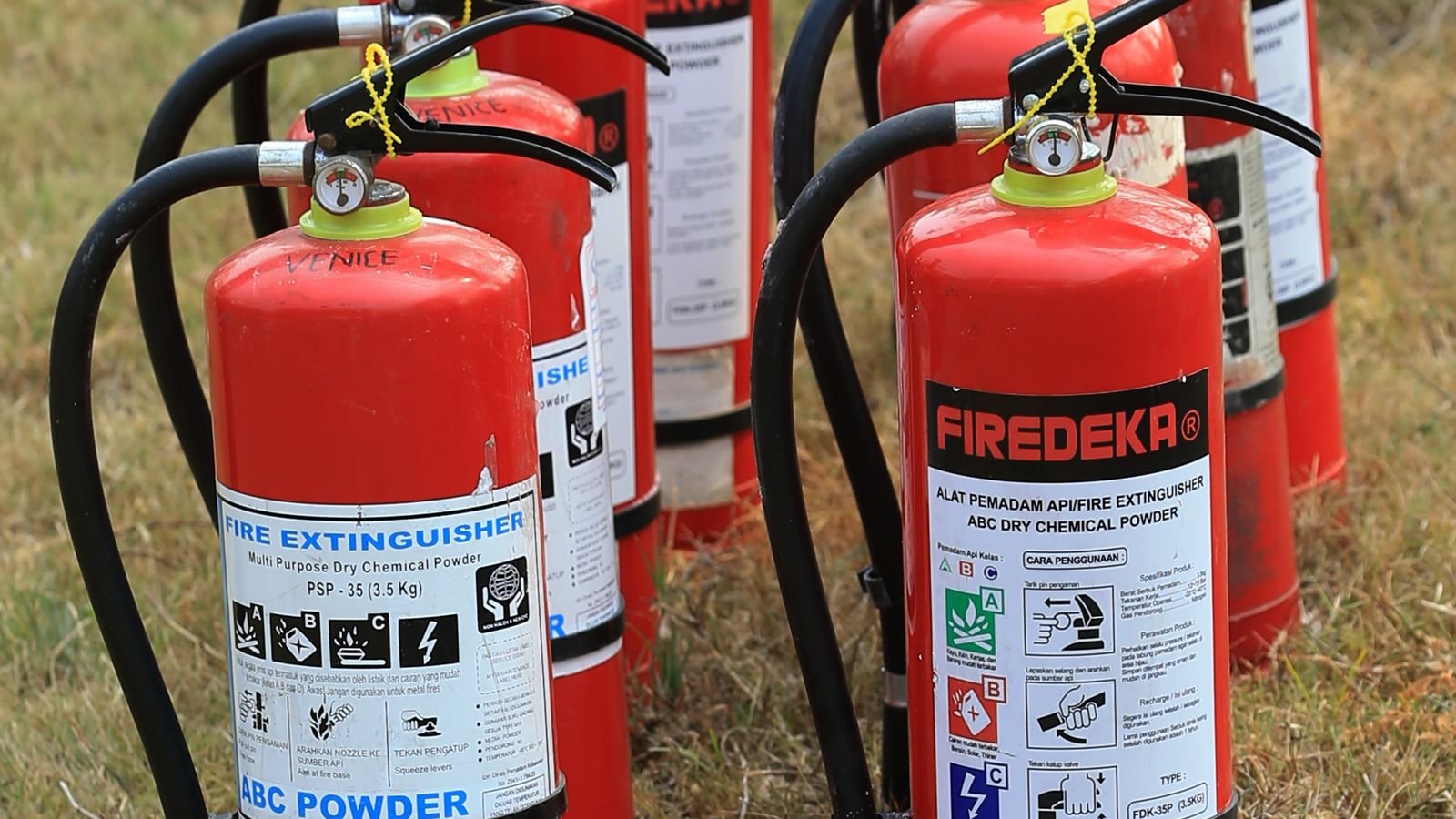
A fire extinguisher within reach of a display with any flame or heavy electrical load is not paranoid; the best home fire extinguishers are inexpensive and belong in the house anyway.
Budgeting and When to Buy
Timing swings prices dramatically. The best selection appears in late August and September, with popular animatronics and licensed costumes selling out weeks before the night. The best prices appear in the first week of November, when seasonal stock is cleared at steep discounts — buying next year’s centrepiece then is the single most effective way to build a large display cheaply.
Think in tiers. Spend on durable structural items you will reuse for a decade: quality lighting, resin props, a good animatronic, artificial pumpkins. Save on consumables and trend items: cobwebs, paper decorations, themed tableware, anything tied to a single year’s popular film. Costumes sit awkwardly in between, which is why many households rotate and swap rather than buying new every year.
A useful principle is that reusable infrastructure compounds. Households with impressive displays rarely spent a fortune in one year; they added two or three lasting pieces annually for a decade. The same logic applies to other seasonal decorating, which is why the guidance in our best artificial christmas trees comparison — buy once, buy well, store properly — transfers directly to Halloween props.
Setting the Mood Indoors
Indoor decorating is where atmosphere beats scale. Swap warm bulbs for amber, drape a few surfaces, add candles in hurricane jars and lean on scent — clove, smoke and spice do more for atmosphere than another prop. A projector playing looping ghost effects onto a curtain or blind is inexpensive and unreasonably effective from the street.
Sound is the most underrated element. A low ambient bed of wind, distant bells and creaking timber, played quietly, transforms a room. Keep it subtle and keep the volume neighbourly. For a party or a quiet night in, a themed film running on mute or as the evening’s centrepiece completes the mood, and our list of the best halloween movies covers options across the full range from family-friendly to genuinely frightening.
Storage and Reuse
What you store well is what you still own next October. Deflate and dry inflatables completely before packing, since damp fabric grows mould over a year in a loft. Store animatronics with batteries removed to avoid leakage. Keep foam props in rigid boxes rather than bags, as they crush permanently. Coil light strings around a spool or piece of card rather than knotting them. Label everything by display area, not by item type, so setup next year takes an hour rather than an afternoon.
Frequently Asked Questions
When should I put decorations up?
Early October is now the norm, with elaborate displays going up the last weekend of September. Weather-sensitive items — inflatables, paper, real pumpkins — are best left until the final week or two.
Are expensive animatronics worth it?
If you decorate every year, yes. A well-built figure lasts many seasons and becomes the anchor of a display; cheap ones typically fail on the motor or the sensor within two. Buy one good piece rather than three weak ones.
How do I stop real pumpkins rotting so fast?
Carve as late as possible, clean the interior thoroughly, and wipe cut surfaces to slow decay. Keep them out of direct sun and use battery lights rather than candles, since heat accelerates rot considerably.
What is the cheapest way to make a big impact?
Lighting. A few coloured uplights aimed at the house and at existing trees, plus silhouettes in the windows, change the whole property for very little. Props are optional; light is not.
How do I keep a display suitable for young children?
Keep gore and jump scares away from the path to the door, put anything intense above eye level or off to one side, and use warm rather than harsh lighting at the approach. A visible sign about what the display contains is appreciated by parents.
Final Thoughts
Choose a single theme, light it properly, and buy the structural pieces to last while keeping the disposable ones cheap. For costumes, check measurements rather than size labels, prioritise the ability to move and see, and remember that comfort determines whether the night is enjoyable. Handle power, flame and visibility with a little care, store everything properly in November, and each year’s display builds on the last instead of starting from nothing.