Owen Bradley
 Home internet complaints almost never turn out to be about the internet. The line delivers what it promises; the trouble is the last 40 feet between the router and the laptop. A single box shoved into a cupboard by the front door is asked to cover a three-story house, a basement office and a garden, and it inevitably fails somewhere. Choosing the right WiFi system means matching coverage architecture to the actual shape and construction of your home rather than to a headline speed number. This guide walks through sizing, the difference between a router and a mesh, what the WiFi standards really change, and how to specify a system that covers every corner you care about.
Coverage Is a Building Problem, Not a Speed Problem
WiFi is radio, and radio is attenuated by everything it passes through. Drywall costs relatively little signal. Brick, concrete, stone, tiled floors and anything with foil-backed insulation cost a great deal. Metal, including appliances, mirrors with metallic backing and metal studs, blocks it almost entirely.
This is why floor area alone is a poor guide. A compact older house with lath-and-plaster walls and a brick chimney stack can be far harder to cover than a larger open-plan new build. Layout matters as much as size: a long narrow house or one where the incoming line arrives at one far end is difficult regardless of square footage.
Before shopping, walk the house with a phone speed test and note where performance collapses. That map tells you whether you need more coverage points, better placement of what you have, or genuinely faster hardware. Frequently the answer is that a router sitting in a cabinet at floor level in a corner simply needs moving.
Single Router vs Mesh System
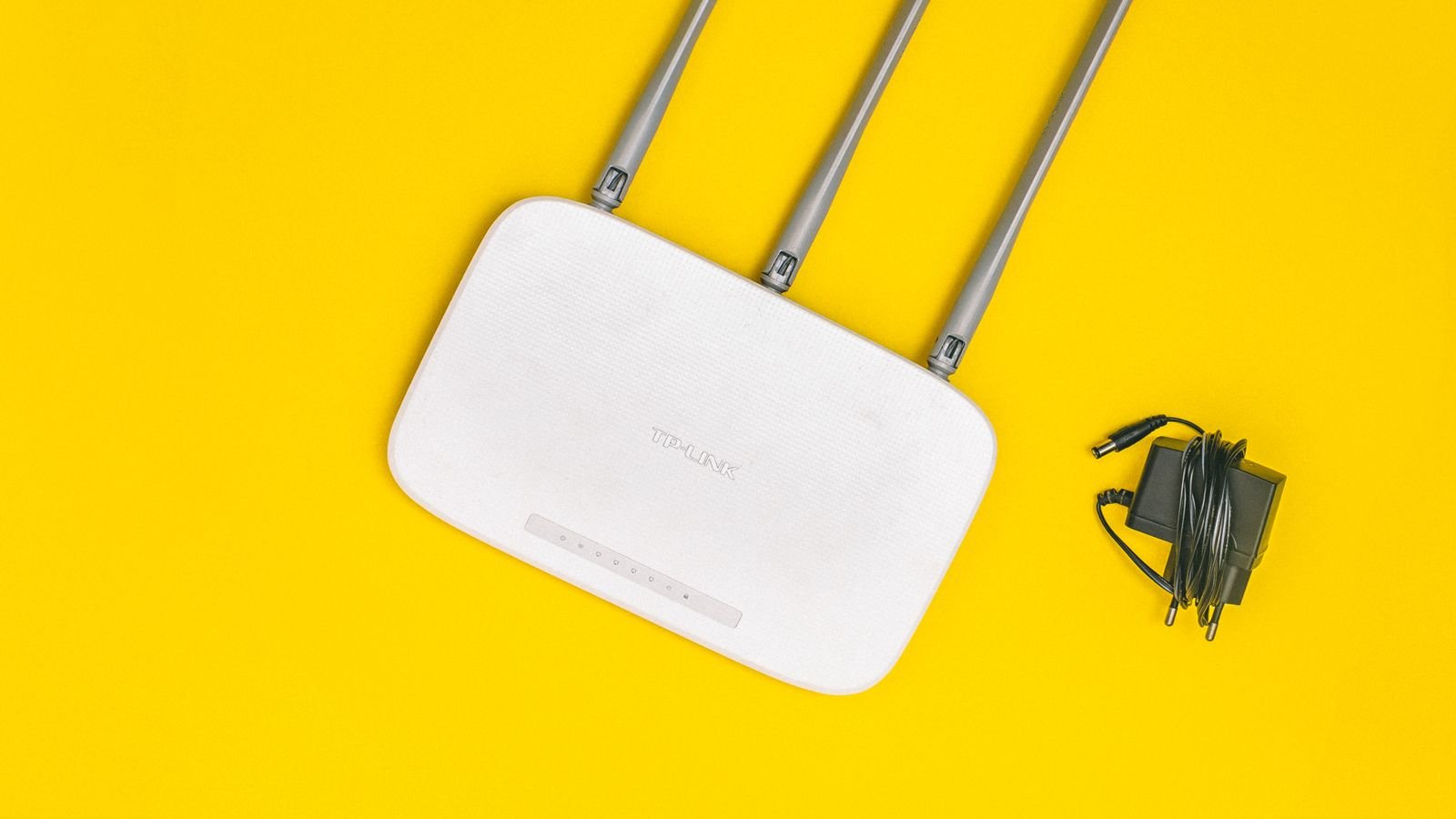
A traditional router broadcasts from one location. All the intelligence and all the radios sit in one box, which makes it the cheapest way to cover a space and the best-performing option for devices near it. Beyond a certain distance, throughput falls off steeply and no amount of antenna count fixes it.
A mesh system uses two or more units that share one network name and hand devices between themselves as you move. The units communicate with each other over a dedicated or shared radio link, extending coverage rather than merely repeating it. Roaming is seamless, so a video call does not drop when you walk upstairs.
The rough decision rule: a single good router suits homes up to roughly 1,500 square feet on one or two levels with ordinary construction. Above that, or across three levels, or with difficult walls, or wherever you need coverage outdoors, mesh is the more effective answer. Mesh options across price and performance tiers are compared in our roundup of the best mesh WiFi systems.
Note the distinction between a mesh system and a range extender. An extender rebroadcasts an existing signal on the same radio, typically halving throughput and creating a second network name you must manually switch between. Mesh units are designed to work together and avoid both problems.
Sizing by Home Size and Layout
- Apartment or small home, up to 1,000 sq ft. A single dual-band router is usually sufficient. Place it centrally and elevated.
- Medium home, 1,000 to 2,000 sq ft, one or two levels. A capable single router if construction is friendly, or a two-unit mesh if there are brick walls or a basement.
- Large home, 2,000 to 3,500 sq ft. A two or three unit mesh, with placement following the shape of the house rather than a symmetrical grid.
- Very large or multi-story, above 3,500 sq ft. Three or more mesh units, ideally with wired backhaul between them.
- Detached garage, workshop or garden coverage. An outdoor-rated access point or a mesh unit placed near a window facing the target area, rather than hoping indoor units reach.
More units is not automatically better. Each wireless hop costs throughput, and units placed too close to each other compete for airtime. Two well-placed units routinely beat four badly placed ones. Whole-house comparisons across single-router and multi-unit approaches appear in our guide to the best home WiFi systems.
WiFi Standards and What They Change
The standards have grown confusing, so here is what actually matters at home.
WiFi 5 is still adequate for browsing and streaming and is very cheap now, but it lacks the efficiency features that matter in a device-dense home.
WiFi 6 is the sensible baseline for a new purchase. Its important contribution is not raw speed but efficiency: technologies that let the router serve many devices simultaneously rather than sequentially. In a house with thirty connected devices this is the difference between a network that feels responsive and one that stutters.
WiFi 6E adds the 6 GHz band, which is wide, uncongested and short-range. It is excellent for a high-bandwidth device in the same room as the router, and it makes an outstanding dedicated backhaul channel between mesh units.
WiFi 7 adds wider channels and the ability for a device to use several bands at once, which improves both peak throughput and latency consistency. It is genuinely better, though most homes will not saturate what WiFi 6 already provides.
The practical guidance is to buy WiFi 6 or 6E unless you have a specific reason to go further. Your devices must also support a standard to benefit from it, and the internet connection itself is very often the real limit.
Backhaul: The Specification Nobody Reads
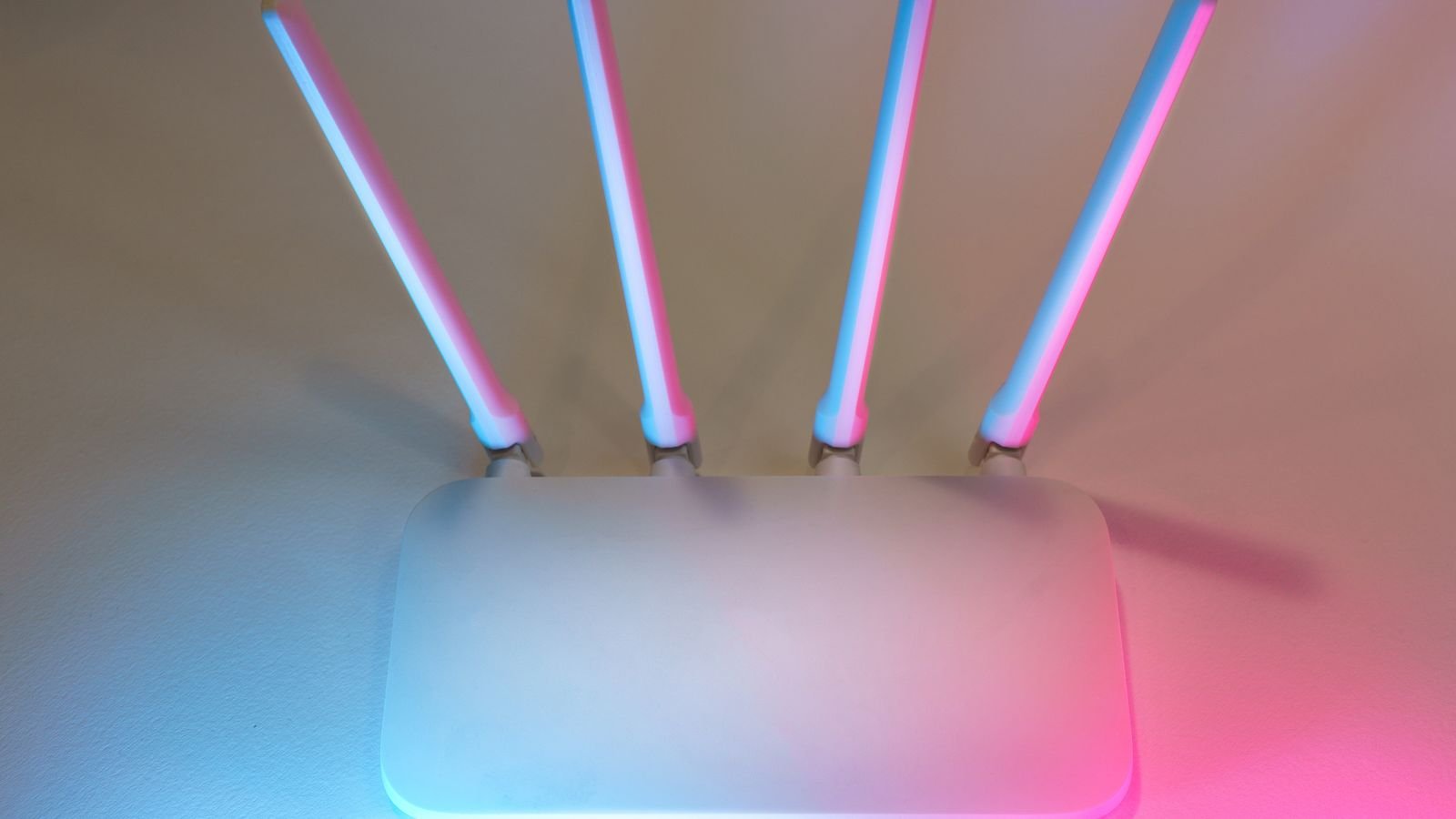
In a mesh system, backhaul is how the units talk to each other, and it determines the ceiling on performance more than anything else.
Wireless backhaul shares the same radios your devices use. On a dual-band system this halves available throughput at every hop, which is why a device connected to a distant node often reports far less speed than one beside the main unit.
Dedicated wireless backhaul, found on tri-band and higher systems, reserves one band exclusively for node-to-node traffic. This is the single most valuable feature in a mesh system and worth paying for.
Wired backhaul connects the nodes by Ethernet cable. It eliminates the problem entirely, gives every node full performance, and turns a mesh into something closer to a professional access point deployment. If you have or can run Ethernet, do it, even to just one distant node. Confirm before buying that a system supports wired backhaul, because not all do.
Placement: Free Performance
- Central and high. Signal radiates outward and slightly downward. A shelf in the middle of the house beats a cupboard in the corner by a wide margin.
- Out in the open. Inside a cabinet, behind a television or under a desk all cost significant signal.
- Away from interference. Microwaves, cordless phones, baby monitors and Bluetooth speakers all crowd the 2.4 GHz band. Keep a few feet of separation.
- Away from large metal and water. Refrigerators, filing cabinets, mirrors and aquariums are effective barriers.
- Space mesh nodes sensibly. Place each node where the previous one still has good but not perfect signal, roughly two-thirds of the way to the dead zone rather than inside it.
- Mind the vertical. Across floors, place nodes offset from each other rather than directly stacked, and remember concrete floors are far more attenuating than timber.
Features Worth Paying For
- Multi-gigabit WAN port if your internet service exceeds 1 Gbps, otherwise the router caps the line you pay for.
- Several Ethernet LAN ports on each node. Wired connections for a desktop, a games console or a smart home hub are more reliable and free up airtime.
- Guest network with its own password, useful both for visitors and for isolating cheap smart devices.
- Band steering that can be disabled. Automatic band selection is convenient, but some smart devices insist on a separate 2.4 GHz network name during setup.
- Quality of service controls to prioritize video calls or gaming when the line is busy.
- Automatic firmware updates and a manufacturer with a record of issuing them. Router security depends on it.
- Parental controls and device scheduling if relevant, though check whether they sit behind a subscription.
Be wary of subscription models generally. Several manufacturers now place security features, parental controls or advanced analytics behind a monthly fee. That is legitimate, but factor it into the comparison rather than judging on hardware price alone.
The Smart Home Consideration
A modern household easily runs forty connected devices once you count phones, laptops, televisions, speakers, bulbs, plugs, sensors and cameras. Older routers were never designed for that count and begin dropping connections or slowing dramatically well before it.
Two things help. Choose a system rated for a high simultaneous device count, which is largely what WiFi 6 efficiency features deliver. And keep a solid 2.4 GHz network available, because the overwhelming majority of smart home devices use it exclusively and many will not complete setup on a combined-band network.
Coverage at the edges of the property matters more in a connected home than in a conventional one, since door sensors, locks and cameras sit precisely where signal is weakest. Plan node placement around those locations, not just around where people sit with laptops. Device compatibility considerations are covered further in our guides to the best devices for smart homes and the best smart home systems.
Frequently Asked Questions
Will a new router make my internet faster?
It cannot exceed the speed your provider delivers, but it very often improves what you actually experience, because most homes lose far more to weak coverage and device contention than to the line itself. Test wired speed at the modem first to see which limit you are hitting.
Should I use my provider’s supplied equipment?
It is adequate for small homes and simple needs, and it comes with support. Retail systems generally offer better coverage, more control and faster security updates. Many people keep the provider’s box in bridge mode and run their own router behind it.
Is a mesh system always better than one router?
No. In a small or open home, a single well-placed router will outperform a budget mesh, because every wireless hop costs throughput. Mesh wins on coverage across distance and difficult construction, not on raw speed.
How many mesh nodes do I need?
Start with two and add a third only if a genuine dead zone remains. Placing more nodes than necessary creates interference between them and can reduce overall performance rather than improving it.
Do I need WiFi 7 right now?
Only if you have devices that support it and a very fast internet connection to justify it. WiFi 6 or 6E covers the needs of the overwhelming majority of homes, and the money saved is often better spent on an extra mesh node or running an Ethernet cable.
Final Thoughts
Map your dead zones before you spend anything, because the answer is often placement rather than purchase. Size the system to your home’s construction and layout rather than to square footage alone, and choose mesh when distance, floors or difficult walls genuinely demand it.
Prioritize dedicated or wired backhaul over headline speed figures, buy WiFi 6 or 6E as a sensible baseline, insist on adequate Ethernet ports and a working guest network, and check whether useful features carry a subscription. Then spend ten minutes on placement, high, central and out in the open. That combination fixes more home internet complaints than any upgrade to the line itself.