Owen Bradley
 A wobbling ceiling fan is unnerving to watch and easy to misdiagnose. Most people assume the fan is failing, or that the ceiling box is loose and the whole thing is about to come down. In reality, the overwhelming majority of wobbles come from tiny differences in blade weight or blade angle — differences measured in grams and fractions of a degree — that get amplified by rotation into a visible shimmy. The good news is that balancing a fan is a methodical, low-cost job that needs no electrical work at all. This guide takes you through diagnosing the cause, tightening what needs tightening, and using a balancing kit properly so the wobble actually goes away instead of moving to a different speed.
First, Rule Out the Dangerous Causes
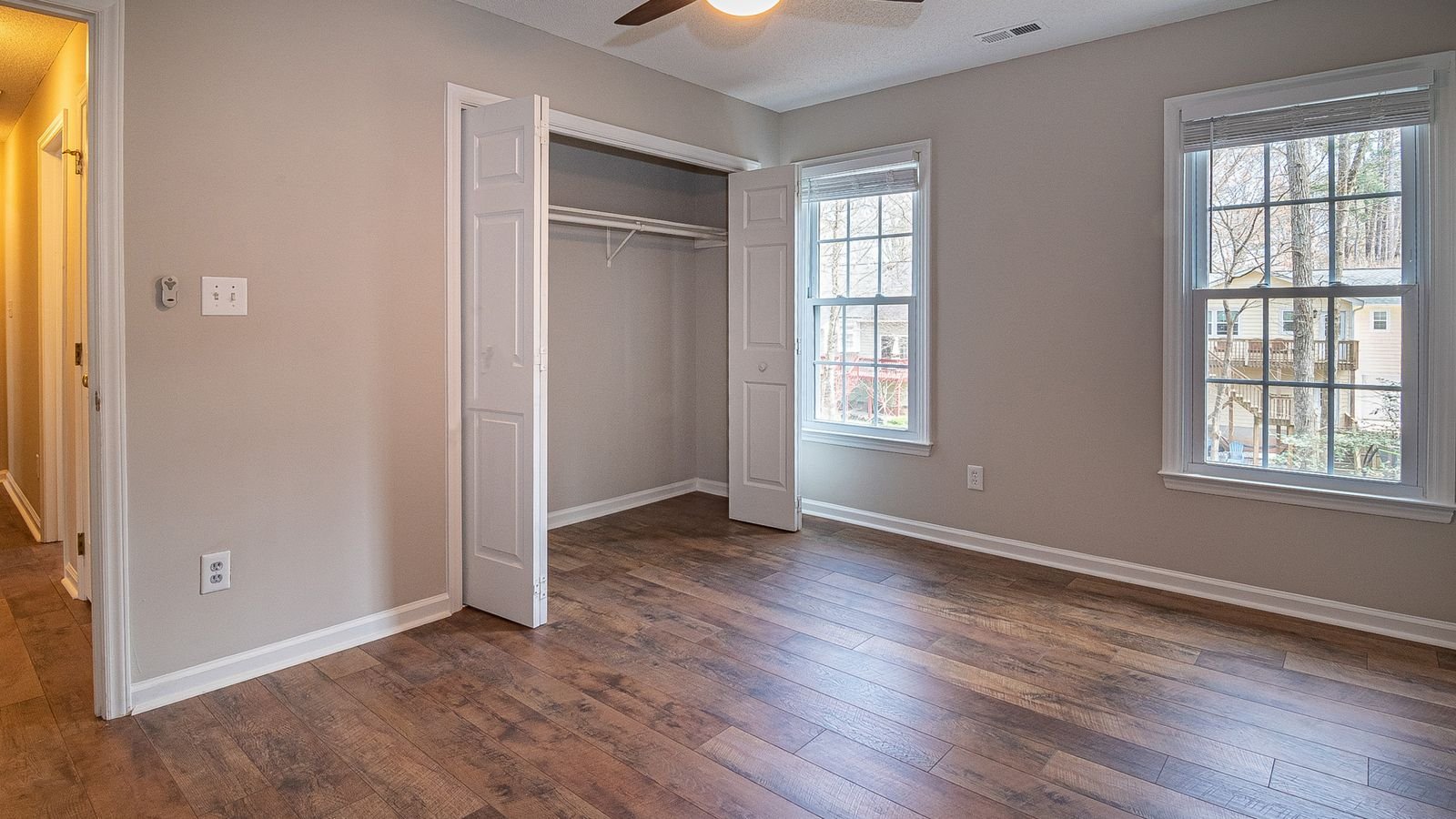
Before treating the wobble as a balance problem, spend five minutes confirming it is not a mounting problem. Balance issues are cosmetic annoyances; mounting issues are safety issues.
- Turn the fan off and let it stop completely. Grip the motor housing and try to move it up, down and side to side. There should be essentially no play at the ceiling.
- Check the canopy. If the decorative canopy has drifted away from the ceiling or sits crooked, the mounting bracket screws have loosened.
- Confirm the box is fan-rated. Loosen the canopy and look inside. A fan hung from an ordinary light box is a genuine hazard regardless of how smoothly it runs.
- Inspect the downrod pin. The cross pin and its retaining clip must both be present. A missing clip is common after a DIY install.
If anything up there moves, stop and fix the mount first. No amount of blade balancing will settle a fan that is swinging on a loose bracket.
Understand What Causes the Wobble
Once the mount is solid, the wobble has one of four sources, in rough order of likelihood.
- Blade weight mismatch. Wooden and composite blades absorb humidity unevenly over years. A blade that has gained a few grams throws the whole disc off.
- Blade pitch mismatch. If one blade sits a few millimetres higher or lower than the others, it moves a different volume of air and pushes the motor sideways once per revolution.
- Loose or unevenly tightened hardware. Blade iron screws work loose from constant vibration. This is the easiest cause to fix and the most frequently overlooked.
- Accumulated dust. A thick, uneven layer of dust and kitchen grease genuinely weighs enough to unbalance a blade set, particularly above a stove or in a bedroom with heavy textiles.
That last point is worth taking seriously. Plenty of fans that “developed a wobble” simply need cleaning, and a proper clean should always be the first corrective step because it changes the weights you are about to measure.
Step One: Clean the Blades Thoroughly
Cleaning is not preparation for balancing — it often is the fix. Turn the fan off and wait for it to stop. Wipe the top and bottom face of every blade, working from the hub outward, and pay particular attention to the leading edge where dust cakes hardest. Use a slightly damp microfibre cloth on painted or laminate blades and a barely damp one on real wood, drying immediately afterwards.
For high ceilings, the practical option is an extendable sleeve tool that slips over the blade and cleans both faces at once without a ladder. Comparing the current picks for best ceiling fan dusters is worth doing before you buy, because reach, sleeve washability and head flexibility vary enormously between models and a poor one just smears grease around. Once every blade is clean, run the fan again. A surprising number of wobbles disappear at this point.
Step Two: Tighten Everything
- Blade-to-iron screws. Each blade attaches to its bracket with two or three screws. Snug them firmly but stop as soon as they seat — overtightening cracks composite blades and creates a permanent wobble.
- Iron-to-motor screws. These carry the real load. Check every one; they loosen more often than the blade screws do.
- Light kit fitter and shades. A loose glass shade rattles and reads as a wobble even when the blades are perfect.
- Downrod set screws. Located where the rod meets the motor collar and where it meets the hanger ball.
- Canopy and bracket screws. Last check before you get off the ladder.
Run the fan on high afterwards. If the wobble has shrunk but not vanished, you are now genuinely in balancing territory.
Step Three: Check Blade Pitch and Alignment
This measurement takes two minutes and finds the problem that tightening cannot. Hold a yardstick or tape measure vertically from the ceiling down to the tip of one blade and note the distance. Rotate the blades by hand and measure each one at exactly the same point in its arc, without moving the yardstick. All blades should land within about an eighth of an inch of each other.
If one blade sits noticeably lower, its iron is bent. Remove the blade, lay the iron on a flat surface, and gently bend it back until it lies flat. Bracket metal is soft enough to correct by hand and stiff enough to hold the correction. Re-measure after refitting. If a blade itself is warped rather than the iron, replacement is the only real answer — and blades must be replaced as a complete matched set, never individually.
Step Four: Use the Balancing Kit
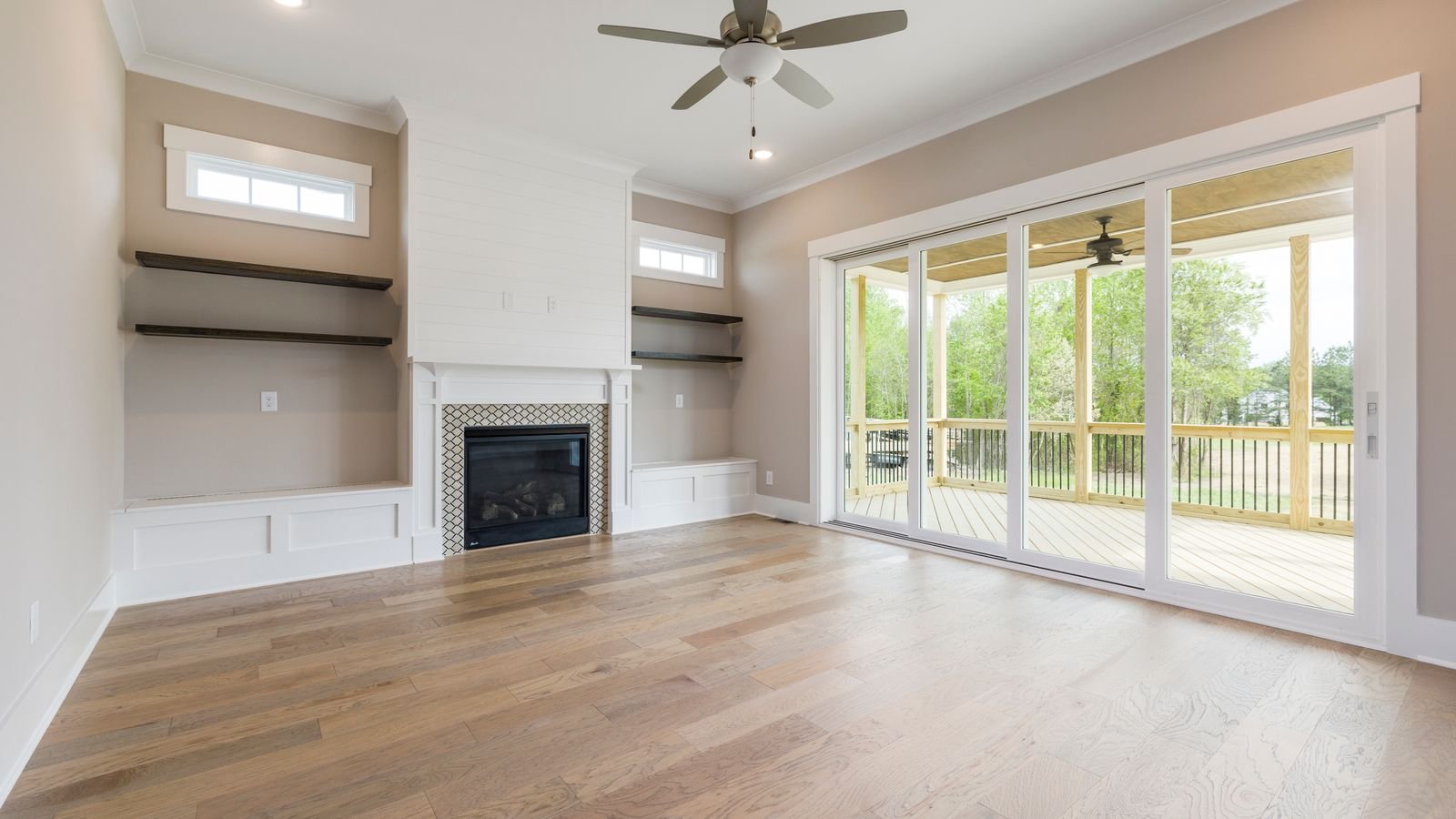
Every fan ships with a small balancing kit: a plastic clip and several adhesive-backed lead or steel weights. Most people throw it away with the packaging. If yours is gone, universal kits cost very little.
- Number the blades. Put a small piece of masking tape marked 1 through 5 on the top of each blade where it will not be seen.
- Clip the plastic balancing weight to the middle of the trailing edge of blade 1, roughly halfway between hub and tip.
- Run the fan at the speed where the wobble is worst — usually high — and watch carefully. Note whether the wobble improved, worsened, or stayed the same.
- Move the clip to blade 2 and repeat. Work through every blade, recording the result each time. One blade will show a clear improvement.
- Refine the position. With the clip on the winning blade, slide it toward the tip and then toward the hub, running the fan each time, until you find the spot where the fan is smoothest.
- Fit the permanent weight. Clean that area with a little rubbing alcohol, then stick one adhesive weight on the top face of the blade at the position the clip identified. Remove the clip.
- Test and add if needed. If a trace of wobble remains, add a second weight beside the first or on an adjacent blade, testing after each addition.
Patience matters here. The temptation is to slap on three weights at once, which usually creates a new imbalance in a different direction. One weight, one test.
When Balancing Will Not Work
A handful of situations resist every technique above:
- A warped blade set. Common on cheaper fans exposed to bathroom or porch humidity. Replace the full set.
- A bent downrod. Usually the result of the fan being knocked during installation or moving. The rod must be replaced.
- Worn motor bearings. If the fan also grinds or growls and the noise rises with speed, the motor is at the end of its life and replacement is more sensible than repair. If it is time to start over, the shortlist of best quiet ceiling fans for bedroom use is a sensible place to look, since DC motors resist the vibration that causes chronic wobble.
- Ceiling joist movement. In older homes with springy framing, the fan is balanced but the whole structure flexes. Adding a solid brace between joists solves it.
Keeping It Balanced
Once the fan runs smoothly, a short maintenance habit keeps it that way. Dust the blades monthly in a kitchen or a home with pets, seasonally elsewhere. Re-check blade iron screws once a year, ideally when you flip the direction switch for the change of season. Avoid running the fan on high for extended periods in a very humid room, since that is what warps blades over time. And when you eventually replace bulbs in the light kit, take thirty seconds to confirm the fitter and shade screws are still snug.
Frequently Asked Questions
Is a wobbling ceiling fan actually dangerous?
A mild wobble on a properly mounted fan is not dangerous — it is a nuisance that accelerates wear on the bearings and mounting hardware. A wobble accompanied by movement at the ceiling is a different matter and needs immediate attention.
Why does my fan only wobble on high speed?
Imbalance forces rise with the square of speed, so a mismatch too small to notice on low becomes obvious on high. This pattern is the classic signature of a weight or pitch issue rather than a mounting fault.
Can I use coins instead of proper balancing weights?
People do, taped to the top of a blade, and it works for testing. For a permanent fix use real adhesive weights — tape dries out, and a coin flying off a blade spinning at speed is not a small problem.
How much wobble is normal?
A well-balanced fan should show barely perceptible movement of the blade tips at full speed. Visible swaying of the motor housing or the light shade is not normal and is worth correcting.
Should the wobble be fixed with the blades on or off?
All balancing is done with the fan fully assembled and running. Blade removal is only for correcting a bent iron or replacing a warped set.
Final Thoughts
Balancing a ceiling fan is a process of elimination, and the order matters more than the tools. Confirm the mount is solid, clean the blades properly, tighten every screw, measure the blade heights, and only then reach for the balancing kit. Working through those stages in sequence resolves nearly every wobble in under an hour and costs almost nothing. Skipping straight to the weights, by contrast, is how people end up with a fan carrying five stick-on weights that still shakes — and a lingering suspicion that the fan itself was the problem all along.