Owen Bradley
 Walk down a vacuum aisle or scroll a listing page and you will be hit with numbers that appear to measure the same thing but cannot be compared: 22,000Pa here, 185 air watts there, 100 CFM somewhere else, and a great many products that simply say “powerful suction” and leave it at that. None of these figures is invented, but each measures a different part of the same physical process, and manufacturers choose whichever one flatters their product. This guide has vacuum suction power explained properly: what Pa, air watts, and CFM actually describe, why the biggest number rarely wins, and which specification genuinely predicts whether a machine will pull grit out of a carpet.
How a Vacuum Actually Picks Things Up
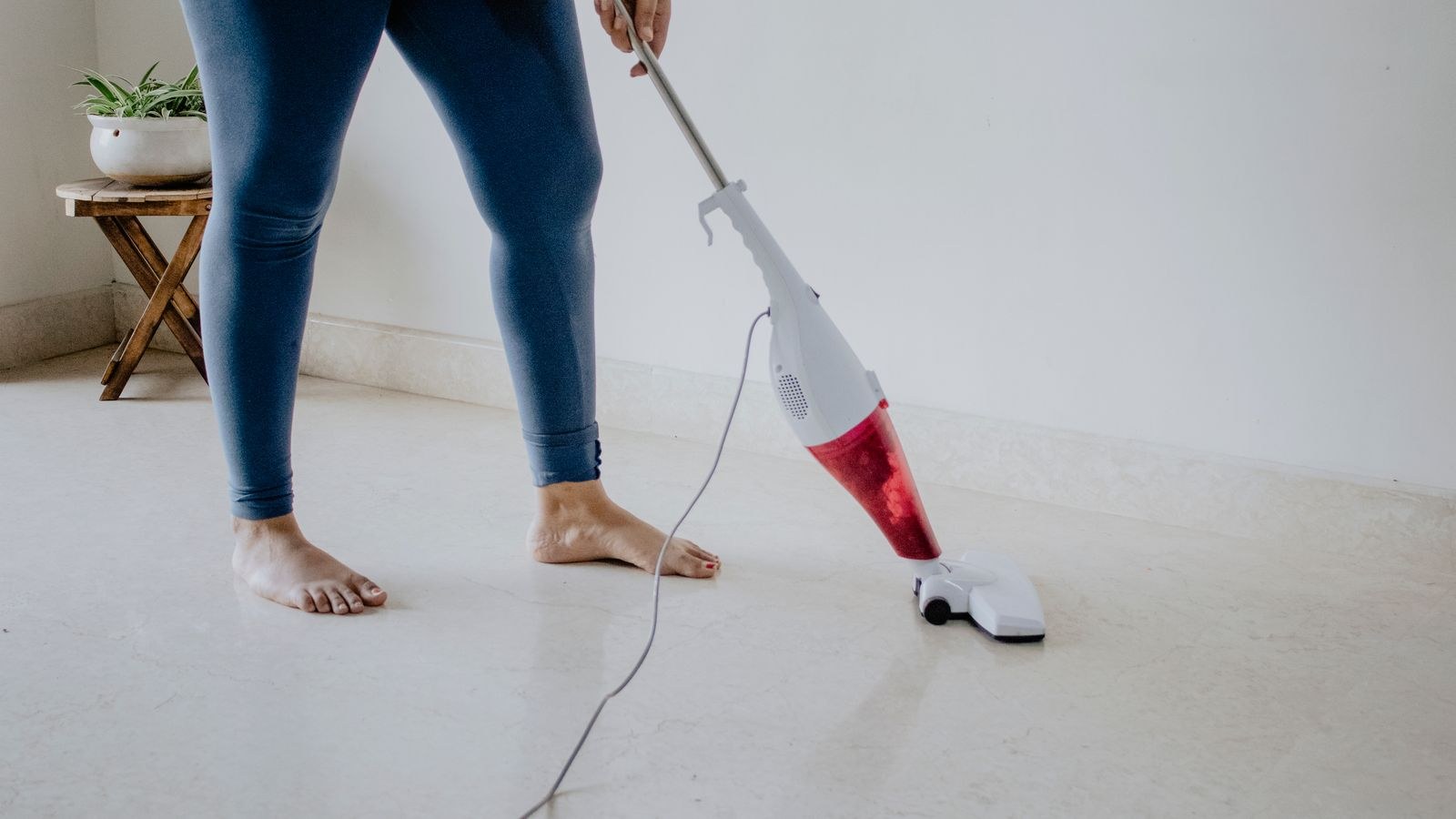
A vacuum does not “suck” in any mysterious sense. A motor spins a fan that pushes air out of the machine, lowering the pressure inside relative to the room. Atmospheric pressure outside then pushes air in through the nozzle, and that moving air drags dirt with it. Two properties of that airflow determine performance: how hard the machine can pull, and how much air it can move while pulling.
Those two properties trade against each other. Seal the nozzle completely against a smooth surface and the pressure difference reaches maximum while airflow drops to zero. Hold the hose in open air and airflow peaks while the pressure difference collapses to almost nothing. Real cleaning happens between those extremes, which is exactly why single-number specs mislead: each one is measured at one end of the curve.
Pascals: Sealed Suction Pressure
Pascals, written Pa or kPa, measure sealed suction: the maximum pressure difference the motor can create when the inlet is blocked. It is the figure quoted most often by cordless stick and robot vacuum brands, partly because it produces impressively large numbers. A figure of 22,000Pa sounds far more serious than 185 of anything else.
Sealed suction tells you about lifting force at the nozzle, which matters for pulling embedded grit out of carpet pile and for picking up dense particles. What it does not tell you is whether the machine can move that debris up the hose and into the bin, because at the moment sealed suction is measured, no air is flowing at all. A vacuum with high Pa and poor airflow will grab at a carpet aggressively and then clog, because there is not enough moving air to carry the load.
Why Pa Figures Are Hard to Compare
There is no universally enforced test standard for consumer Pa claims, and the number is often measured at the motor rather than at the cleaning head. Between the motor and the floor sit a filter, a bin, a wand, and a floor head, each of which costs pressure. A machine claiming 25,000Pa at the motor may deliver a fraction of that at the carpet. Treat Pa as a rough class indicator, not a precise ranking, and only compare it between models from the same manufacturer measured the same way.
CFM: Airflow Volume
CFM, cubic feet per minute, measures airflow: how much air the machine moves per unit of time, typically measured with the inlet fully open. Some markets quote the metric equivalent in litres per second. Airflow is what actually transports dust and debris from the floor, through the hose, and into the bin.
Airflow dominates on hard floors and low-pile surfaces, where there is nothing to grip debris and the job is simply to move it. It also determines how well a machine handles bulky, light material such as pet hair, cereal, and paper fragments. A high-CFM vacuum with modest sealed suction will clean laminate and tile beautifully and may still disappoint on thick carpet, because it lacks the pressure to release embedded grit from between fibres.
Air Watts: The Combined Measure
Air watts attempt to solve the problem by combining the two. The figure is derived from both airflow and suction pressure, expressing the useful power the vacuum delivers to the airstream rather than the electrical power it consumes. Because it accounts for both halves of the curve, air watts correlate better with real cleaning performance than either Pa or CFM alone.
This is why air watts is the spec favoured by traditional upright and canister brands and increasingly by premium cordless models. Rough expectations: a capable cordless stick sits somewhere in the region of 100 to 230 air watts on boost mode, while mains-powered uprights and canisters commonly reach 200 to 300. Bear in mind that cordless boost figures usually last only a handful of minutes before the battery forces a step down.
Do Not Confuse Air Watts With Watts
The plain wattage on a box is input power, the electricity the motor consumes. It says nothing about efficiency. A poorly designed 1600W motor can deliver less useful cleaning than a well-engineered 900W one, because losses in the airpath, filter, and head waste the difference. Input watts is the least useful of all the numbers you will see, and any listing that leads with it is telling you about its electricity bill rather than its cleaning.
Why the Cleaning Head Matters More Than Any Number
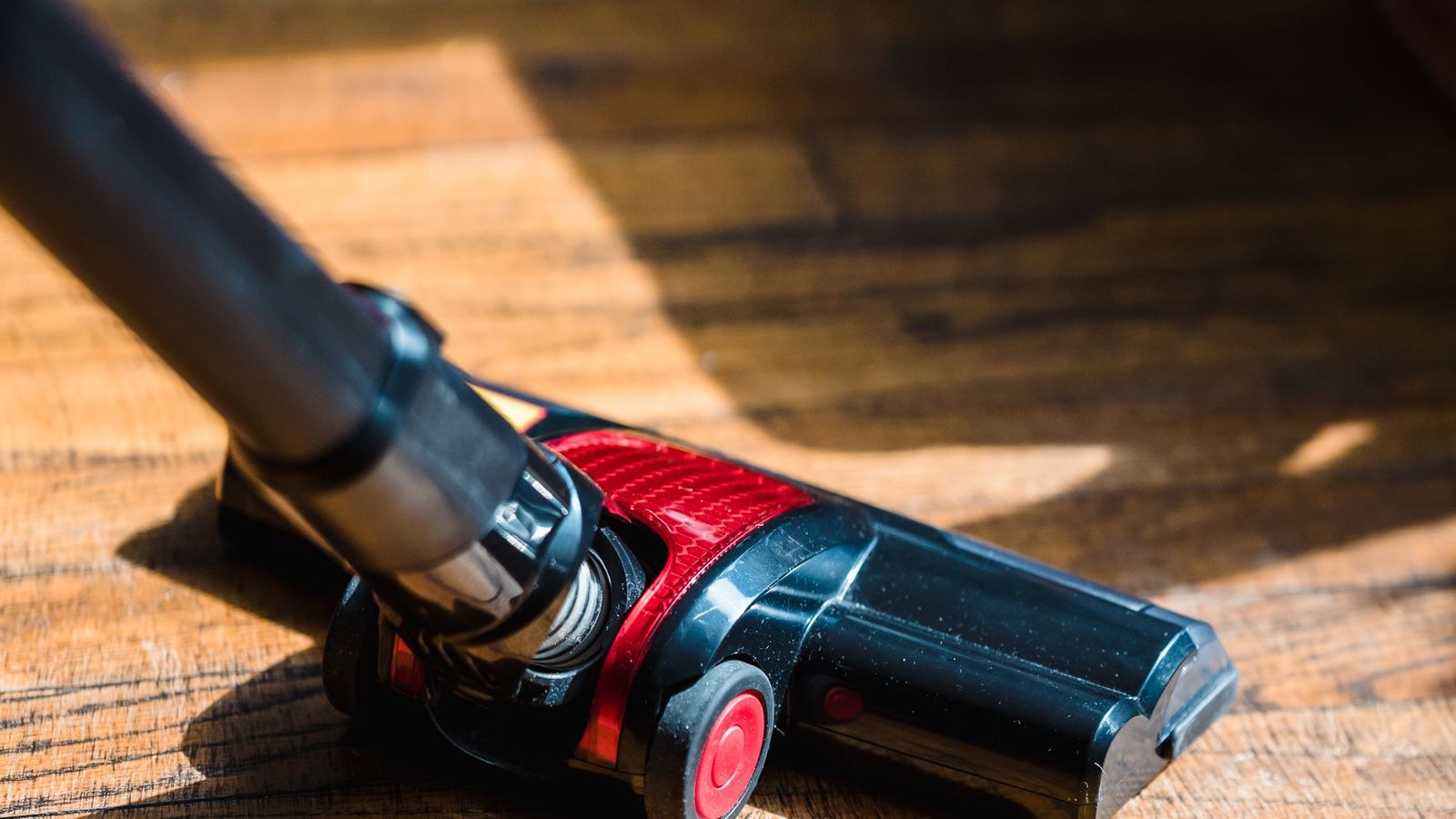
Here is the uncomfortable truth behind every suction spec: on carpet, the brush roll usually contributes more to pickup than the suction figure does. A motorised brush bar agitates the pile mechanically, breaking the grip that holds grit between fibres so that airflow can carry it away. A machine with modest air watts and an excellent powered head routinely out-cleans a machine with impressive Pa and a passive floor tool.
Head design also governs how much of the suction reaches the dirt. A well-sealed head with the right ground clearance maintains pressure against the surface; a poorly sealed one leaks air around the edges and wastes it. Features such as anti-tangle combs, soft rollers for hard floors, and adjustable height for pile depth do more for real-world results than another few thousand Pascals. If you want to see how head design differs across formats, our comparison of cordless vs corded vs robot vacuums covers where each type genuinely performs.
Filtration, Bins, and Sustained Performance
Every specification you read is measured on a clean, empty machine. That is not how you use it. As a bag or bin fills and a filter loads with fine dust, airflow restricts and effective suction falls. A vacuum that starts at 200 air watts might deliver considerably less halfway through a full house.
Cyclonic separation exists to combat exactly this by spinning heavier particles out before they reach the filter, which keeps airflow steadier for longer. Sealed HEPA filtration adds resistance but captures fine allergens instead of blowing them back into the room. When comparing machines, ask how performance holds up when loaded, not just what it peaks at empty, and check how easily the filter can be washed or replaced. Our roundup of the best vacuum cleaners looks at sustained performance rather than headline figures alone.
Cordless Vacuums and the Battery Ceiling
Cordless machines add another variable. Their headline suction figure is almost always the maximum boost mode number, which typically runs for five to ten minutes before the battery is exhausted. Normal mode delivers substantially less. When comparing a cordless model to a corded one, compare the cordless machine’s normal mode figure and its runtime at that setting, or the comparison flatters the battery machine badly. The trade-offs are covered in more depth in our guide to the best cordless vacuum cleaners.
Matching the Spec to Your Floors
- Mostly hard floors: prioritise airflow and a soft roller head. High sealed suction adds little and can make a nozzle stick to smooth surfaces.
- Medium pile carpet: prioritise a motorised brush bar and a balanced air watt figure over any single extreme.
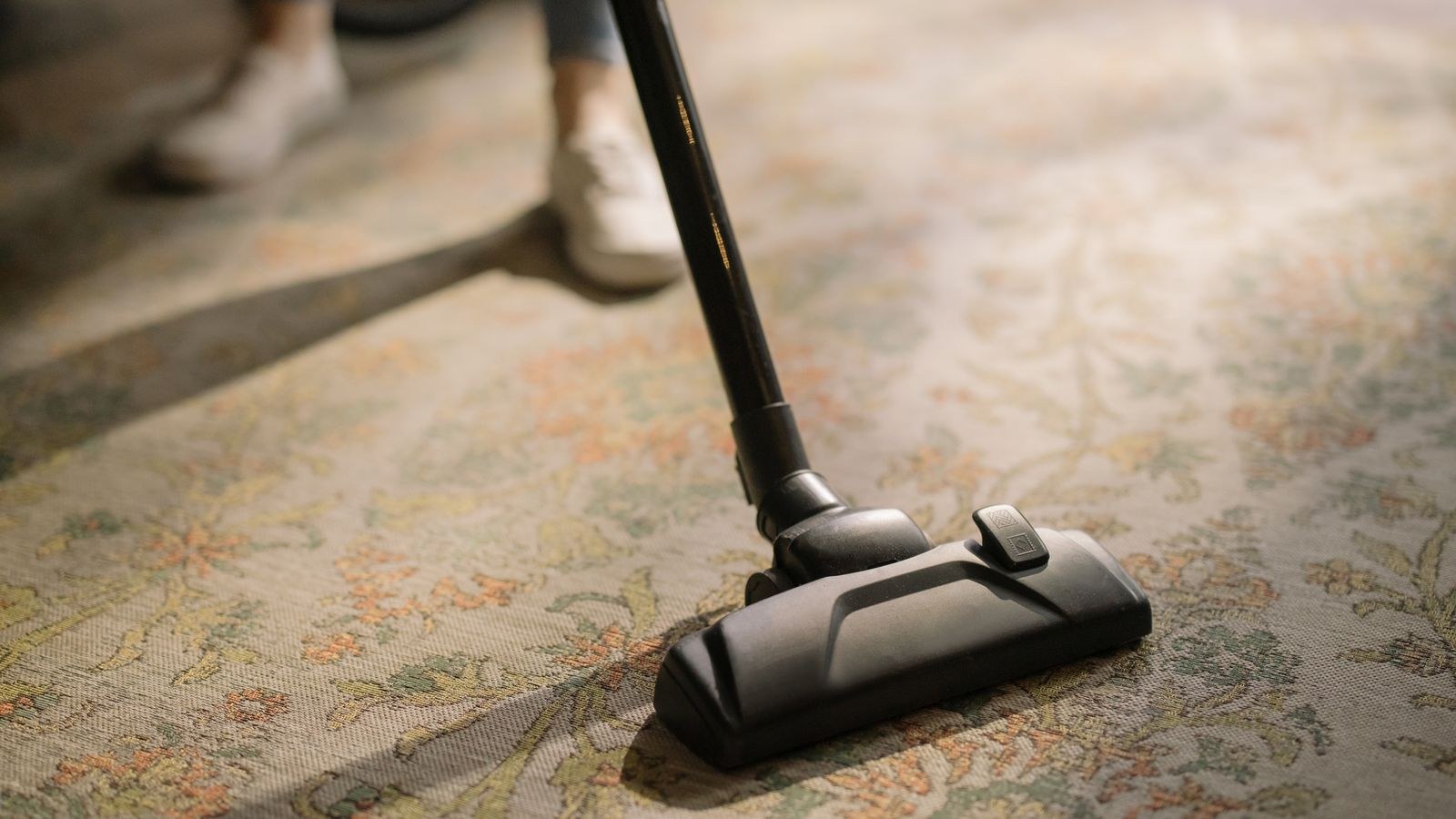
- Thick or deep pile carpet: you need both strong sealed suction and a powerful agitating head with adjustable height, which usually means a mains-powered upright.
- Pet hair: airflow plus an anti-tangle brush roll matters more than pressure, because hair is light but bulky.
- Allergies: prioritise sealed filtration and a bag system, since escaping fine dust matters more than pickup power.
If carpet is the majority of your home, upright designs generally deliver the best combination of head power and sustained airflow, as covered in our lists of the best upright vacuum cleaners and the best vacuums for carpets.
Common Mistakes When Reading Suction Specs
The first mistake is comparing different units as if they were the same scale. A machine quoting 20,000Pa and one quoting 150 air watts are not being ranked against each other in any meaningful way; you simply have two products that chose different marketing numbers. If two models do not quote the same metric, you cannot compare them on suction at all.
The second is assuming higher is always better. Excessive sealed suction on a smooth floor causes the head to clamp down, making the machine hard to push and sometimes reducing pickup because airflow around the nozzle stalls. This is why good machines include suction control or dedicated hard floor modes.
The third is ignoring the whole system. A strong motor behind a leaky hose connection, a clogged filter, or a poorly matched floor head performs worse than a modest motor in a well-sealed machine. The fourth is judging cordless models on boost mode figures that the battery can only sustain for a few minutes of a whole-house clean.
Frequently Asked Questions
Is Pa or air watts the better spec?
Air watts, because it accounts for both suction pressure and airflow. Pa describes only the sealed-inlet extreme and tells you nothing about the machine’s ability to transport debris once air starts moving.
How many Pascals do I need?
There is no reliable threshold, because measurement methods differ between brands. Use Pa only to compare models within one manufacturer’s range, and rely on head design, filtration, and air watts when comparing across brands.
Does higher wattage mean stronger suction?
No. Motor wattage is electricity consumed, not cleaning power delivered. Efficient airpath design means a lower-wattage machine can outperform a higher-wattage one comfortably.
Why does my vacuum feel weaker over time?
Almost always a loaded filter, a full bag or bin, or a partial blockage in the hose or head. Airflow restriction reduces effective suction long before the motor itself weakens, so clean or replace filters on schedule.
Do cordless vacuums have enough suction for carpet?
Good ones do, particularly with a strong motorised head, but usually only in higher power modes with limited runtime. For large carpeted homes a mains-powered machine remains the more practical choice.
Final Thoughts
Suction specifications are useful once you know what each one leaves out. Pascals describe pressure with no airflow, CFM describes airflow with no resistance, and air watts sit between them as the closest thing to an honest single figure. None of them accounts for the brush roll, the seal at the floor head, the filtration, or how the machine behaves when the bin is half full, and those are the things you notice on a real floor. Work out what your home is actually made of, choose the head and filtration that suit it, use suction numbers to compare like with like, and you will end up with a vacuum that cleans well rather than one that simply advertises well.