Owen Bradley
 Two hours into a session the ache starts. A dull pressure on the top of your skull, a hot spot where the earpad presses your jaw, or a sharp pinch on the cartilage at the top of your ear. Headset ear pain is one of the most common complaints among people who wear headphones all day, and it is almost never a sign that you are doing something wrong. It is a fit problem, and fit problems have fixes. Clamp force can be reduced, ear pads can be swapped, headbands can be reshaped, and glasses can be accommodated. This guide works through each cause and the practical adjustment that removes it.
Identify Where the Pain Actually Comes From
Different pains have different causes, and treating the wrong one wastes effort. Pressure on the crown of your head means the headband is carrying too much weight over too small an area. Soreness around the outer edge of your ear points to clamp force squeezing the pads inward. A pinched, burning sensation on the top ridge of the ear usually means the earcup is too shallow and your ear is touching the driver housing inside.
Heat and itching without pressure indicates a materials problem, typically non-breathable protein leather trapping moisture. Pain concentrated at one specific point behind the ear or along the temple is often a glasses arm being pressed into your skull by the pad. And a headache that builds slowly across the whole head is usually simple weight, made worse by a poorly distributed headband. Work out which description matches yours before touching anything.
What You Need for the Adjustments
- A stack of books, or a box roughly as wide as your head plus an inch, for stretching the headband.
- Replacement ear pads sized for your model, preferably in a fabric, velour, or hybrid material.
- A soft cloth and a mild cleaning solution for the pads and headband.
- A mirror, so you can see how the headset actually sits rather than how you imagine it sits.
- A timer or reminder app, which sounds trivial but does more for comfort than any accessory.
Step-by-Step Fixes for Headset Ear Pain
- Reset the headband adjustment properly. Extend both sliders fully, place the headset on your head, then shorten each side until the pads sit centered around your ears with the headband just touching the crown. Most people wear their headset one or two clicks too tight because they set it once and never revisited it. Check that both sides use the same number of clicks, since an uneven fit concentrates pressure on one ear.
- Stretch the headband to reduce clamp force. Rest the headset over a stack of books slightly wider than your head, leaving it there overnight or for a day or two. Increase the width gradually across several sessions rather than forcing it wide immediately, which can crack plastic frames. A modest reduction in clamp force is usually enough to eliminate edge-of-ear soreness entirely.
- Reposition rather than resize. Slide the earcups slightly forward or back so the pads rest on soft tissue instead of directly on the jaw hinge or the bony ridge behind your ear. A shift of half an inch can move the pressure point off a sensitive spot completely.
- Swap the ear pads for something deeper or softer. If your ear touches the inside of the cup, no amount of clamp adjustment will help, because the pain comes from contact with the driver housing. Thicker pads add depth and move the driver away from your ear. Memory foam distributes pressure more evenly; velour and fabric breathe far better than leatherette and dramatically reduce heat buildup.
- Add padding to the headband. A cushioned headband strap or an aftermarket cover spreads the load across a wider area of your scalp. This is the fix for crown pressure and for the slow-building headache that heavier headsets cause, and it typically costs very little.
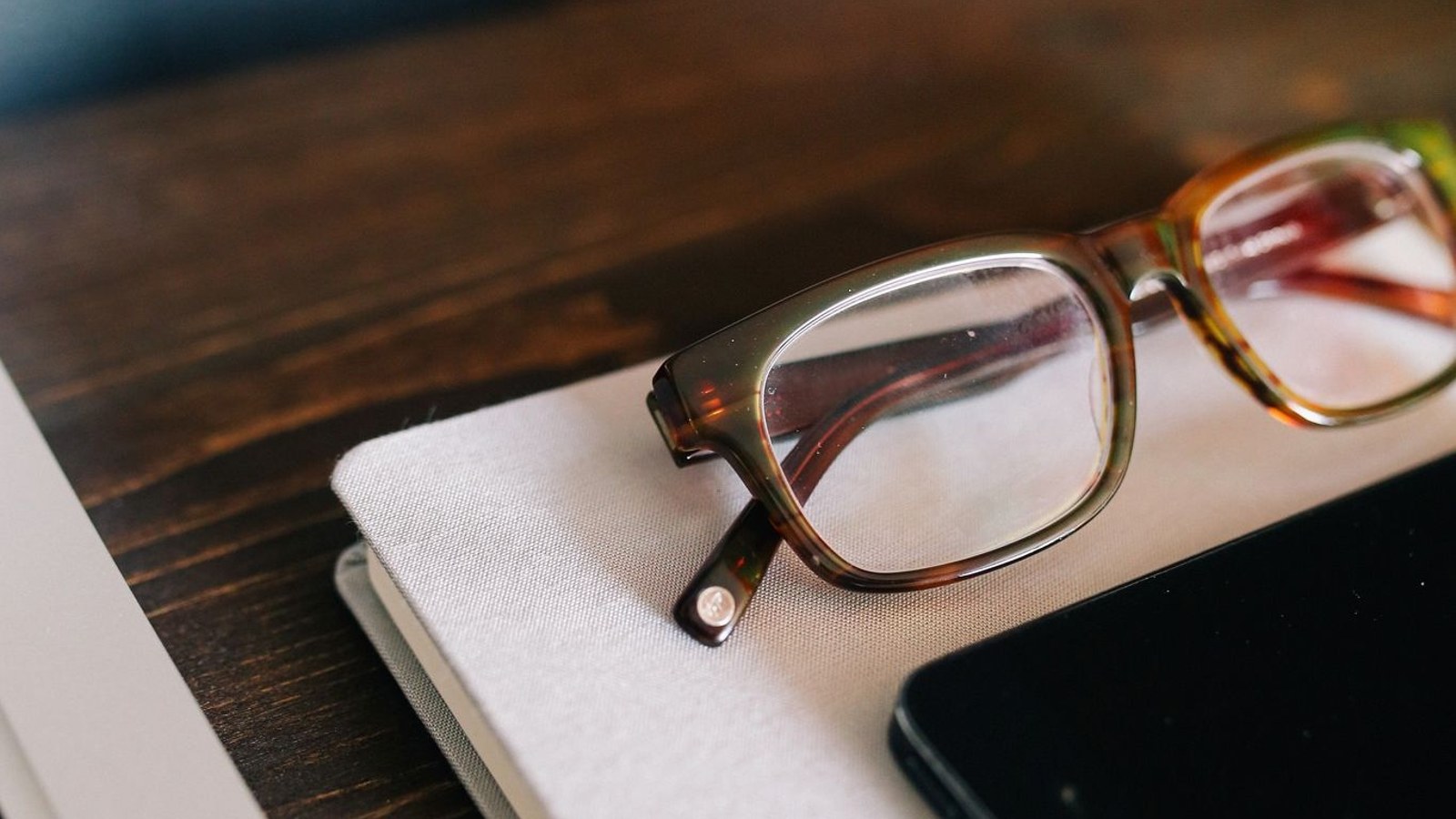
- Accommodate glasses deliberately. Thin-armed frames press far less than thick ones. Beyond that, either choose pads soft enough to seal around the arm or cut a shallow channel in a foam pad where the arm passes. Some people simply lift the arms slightly above the pad line before putting the headset on, which removes the pinch at the temple.
- Reduce total weight where you can. Detach anything you are not using, such as a boom microphone on a modular design, and consider whether a lighter frame suits your usage better. Weight above roughly 350 grams becomes noticeable over multi-hour sessions for most wearers, though headband design matters as much as the raw figure.
- Take structured breaks. Remove the headset for a few minutes every hour. Blood flow returns to compressed tissue, heat dissipates, and the cumulative soreness that builds over a long session largely resets. Setting a repeating reminder is more reliable than intending to remember.
- Lower the volume. Some perceived ear pain is not pressure at all but auditory fatigue from sustained high levels. Dropping the volume, especially in the low frequencies, often reduces the ache and protects your hearing at the same time.
- Keep the pads clean and dry. Sweat and skin oils break down pad material, harden the foam, and cause irritation that feels like fit pain. Wipe the pads down regularly, let them dry fully, and replace them once they flatten or start flaking.
Open-Back Versus Closed-Back for Long Wear
Cup design affects comfort as much as padding does. Closed-back headsets seal the ear, which blocks outside noise but traps heat and moisture, and that warmth is a major contributor to discomfort during long sessions. Open-back designs let air pass through the earcup, keeping the ear noticeably cooler and reducing the sensation of pressure even at similar clamp force.
The trade-off is isolation. Open-back models leak sound outward and let ambient noise in, which suits a quiet home office but not a shared room or an open-plan workspace. If you spend long stretches at a quiet desk and heat is your primary complaint, an open design is often the most effective single change available. If you need isolation, prioritize breathable pad material and scheduled breaks instead.
Choosing a Headset That Does Not Hurt
Sometimes the frame is simply wrong for your head, and adjustments only manage the symptom. When it is time to replace rather than modify, our comparison of the best comfortable headsets focuses on clamp force, pad depth, and headband distribution rather than driver hype. If weight is your specific problem, the best lightweight headsets list gathers models that stay easy to wear across a full day.
Wearers with wider skulls or larger ears often find that standard sizing runs short, and the best headsets for large heads roundup covers models with genuinely generous adjustment range and roomy cups. For heat-driven discomfort at a quiet desk, browse the best open back headsets, and if most of your hours go to meetings rather than gaming, the best headsets for home office selection balances all-day comfort with the microphone quality calls demand.
Safety and Hygiene Notes
Persistent pain inside the ear canal, ringing, or muffled hearing after a session is not a fit issue and warrants a conversation with a medical professional rather than a new set of pads. Keep sustained listening levels moderate, since long exposure at high volume causes damage that no comfort accessory prevents. When stretching a headband, go slowly and stop if you hear creaking, because a cracked frame is a costly way to solve a fit problem. Clean pads with a barely damp cloth rather than soaking them, and let them dry completely before wearing them again to avoid skin irritation.
Common Mistakes to Avoid
- Wearing the headband too far forward. Sitting it toward the front of the skull concentrates weight on a small area and causes crown pain quickly.
- Over-stretching in one aggressive session. Forcing a headband wide in a single go cracks frames and permanently loosens the fit.
- Buying pads that do not match the model. Ill-fitting replacements shift, leak, and change the sound while doing nothing for comfort.
- Assuming heavier means better built. Weight is the enemy on long sessions, and plenty of well-made headsets are light.
- Pushing through the pain. Discomfort that gets ignored for hours turns into a headache that lasts long after the headset comes off.
Frequently Asked Questions
How long should stretching a headband take?
Leave the headset over a suitably wide object overnight and reassess. If it still clamps hard, repeat for another day or two at slightly greater width. Gradual stretching holds better than a single forceful attempt and avoids damaging the frame.
Are memory foam or velour pads better?
Memory foam distributes pressure more evenly, which helps with clamp-related soreness. Velour and fabric breathe better, which helps with heat and itching. Hybrid pads with a fabric contact surface and foam core try to deliver both.
Will new pads change how my headset sounds?
Yes, usually. Thicker pads increase the distance to the driver and often loosen the bass slightly, while breathable materials reduce isolation and can make the low end sound leaner. Most people find the comfort gain worth the modest change.
Does headset ear pain mean my ears are too big?
Not necessarily, though shallow cups punish larger ears quickly. If the top of your ear touches the inside of the cup, you need deeper pads or a roomier model regardless of ear size.
How often should I replace ear pads?
When the foam stops springing back, the surface starts flaking, or the pad has visibly compressed. For daily heavy use that often falls somewhere around the one-year mark, sooner in hot conditions.
Final Thoughts
Headset ear pain is a solvable fit problem, not something to endure. Diagnose where the pressure actually lands, then apply the matching fix: stretch the band for clamp force, swap to deeper or more breathable pads for hot spots and heat, add a cushioned strap for crown pressure, and build regular breaks into long sessions. Most people find relief with two or three of these changes and a few dollars of accessories. If none of it works, the frame is simply the wrong shape for your head, and replacing it with a lighter or roomier model is a reasonable decision rather than an admission of defeat.