Owen Bradley
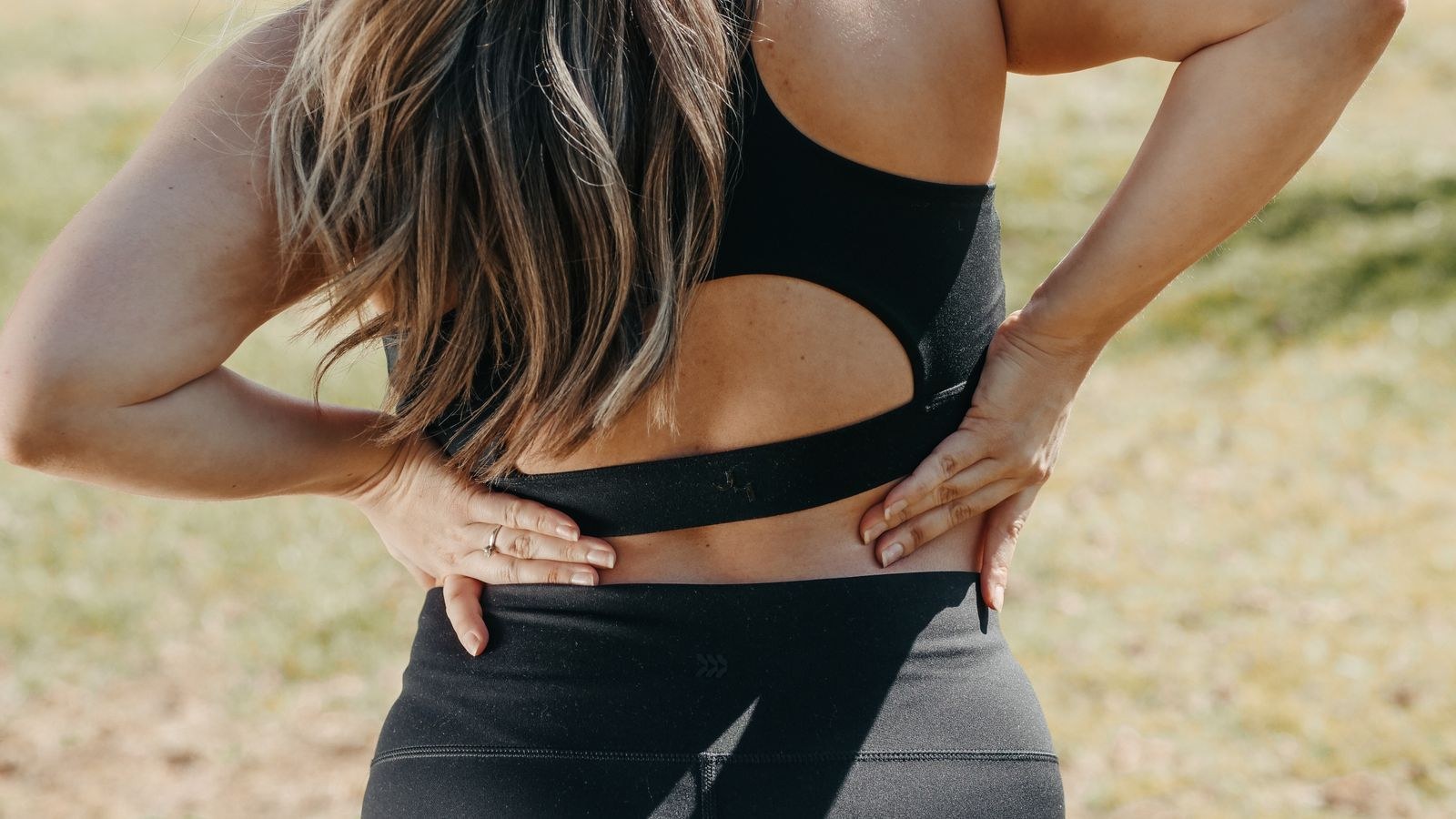
 Sciatica has a cruel relationship with chairs. Sitting is the position that most reliably provokes it, and it is also the position most of us cannot avoid for eight hours a day. When you sit, the pressure inside your lumbar discs rises well above what it is when you stand, the hip flexors shorten, the piriformis muscle deep in the buttock compresses, and the sciatic nerve gets squeezed from several directions at once. That is why a morning that started fine can turn into a burning line down the back of the leg by lunchtime. The answer is not to stop sitting, which is rarely realistic. It is to change how you sit, how your chair is set up, what you sit on, and above all how long you stay there without moving.
Why Sitting Aggravates Sciatica
Sciatica is a symptom rather than a diagnosis: it describes pain travelling along the sciatic nerve, usually from the lower back through the buttock and down the back of the leg. The two common mechanical causes both get worse with sitting. When a lumbar disc bulges and presses a nerve root, sitting increases the load on that disc, particularly if you slump so the spine rounds backward. When the piriformis muscle irritates the nerve where it passes through the buttock, sitting compresses the muscle directly against a hard seat.
Two secondary factors matter as well. A wallet or phone in a back pocket puts a hard lump exactly where the nerve runs. And crossing your legs tilts the pelvis, which twists the lumbar spine and shifts your weight onto one sitting bone, increasing pressure on the affected side.
What You Need
- A chair with adjustable height, backrest angle and, ideally, lumbar support.
- A firm cushion, wedge or rolled towel for testing seat angle and lumbar depth.
- A footrest, or a sturdy box, if raising the chair leaves your feet unsupported.
- A timer for standing breaks, which will do more than any single piece of equipment.
Step by Step: Setting Up Your Chair for Sciatica
- Raise the seat slightly higher than standard advice suggests. The usual guidance is thighs parallel to the floor, but with sciatica a hip angle a little more open often feels better. Aim for your hips slightly above your knees, which reduces the flexion in the lower back and eases pressure on the discs. Add a footrest so your feet still rest flat.
- Tilt the seat pan forward a few degrees. If your chair offers seat tilt, a forward angle of around five to ten degrees rolls the pelvis into a neutral position and helps the lumbar curve maintain itself. If there is no tilt function, a firm wedge cushion produces the same effect.
- Sit fully back and set the lumbar support. Your hips should be right in the corner where the seat meets the backrest. Adjust the lumbar pad so it fills the natural inward curve of your lower back without pushing you forward. Too much support is as irritating as none at all.
- Set the seat depth so there is a two to three inch gap behind your knees. A pan that is too deep forces you to slide forward and slump, which is precisely the posture that provokes sciatic pain.
- Recline slightly rather than sitting bolt upright. A backrest angle in the region of 100 to 110 degrees reduces disc pressure compared with a strictly vertical posture. Upright and rigid is not the goal; supported and slightly open is.
- Choose the cushion for your pain pattern. If pressure directly under the buttock is the problem, a cushion with a cut-out at the back or a U shape removes contact from the tailbone and the path of the nerve. If the issue is a rounded lower back, a wedge that raises the back of the pelvis works better. Test before committing.
- Empty your back pockets. A wallet, phone or keys under one buttock tilts the pelvis and presses on the nerve. This is a genuinely common cause of one-sided sitting pain and costs nothing to fix.
- Keep both feet flat and stop crossing your legs. Crossing rotates the pelvis and unloads one side, which increases pressure on the other. If you find yourself crossing constantly, the seat height is usually wrong.
- Bring the desk and screen to you. Set the screen at eye level and the keyboard close so you are not leaning forward. Any forward lean from the hips increases lumbar load significantly.
- Set a timer for every twenty to thirty minutes. Stand up, walk a few steps, and gently extend backward once or twice. Nothing on this list matters as much as breaking up continuous sitting time.
Chair Features That Actually Help
Not every ergonomic feature earns its place with sciatica. The ones that consistently do are adjustable lumbar support with both height and depth control, a seat that tilts forward, a sliding seat pan for depth, a decent recline range with a lock, and a seat cushion firm enough not to let you sink into a slumped C shape. Very soft padding feels welcoming for ten minutes and then lets the pelvis roll backward, which is exactly what you do not want.
Models grouped in the best chairs for sciatica are selected around those specific adjustments rather than general comfort claims. For a workplace context with longer sittings and a desk to match, the best office chairs for sciatica cover task chairs with the full adjustment set, and the best desk chairs for sciatica add options at a range of budgets. Because sciatic symptoms often travel alongside general lower back stiffness and upper back tension, comparing desk chairs for back and neck pain is worthwhile if your discomfort is not limited to one leg.
Cushions and Add-Ons
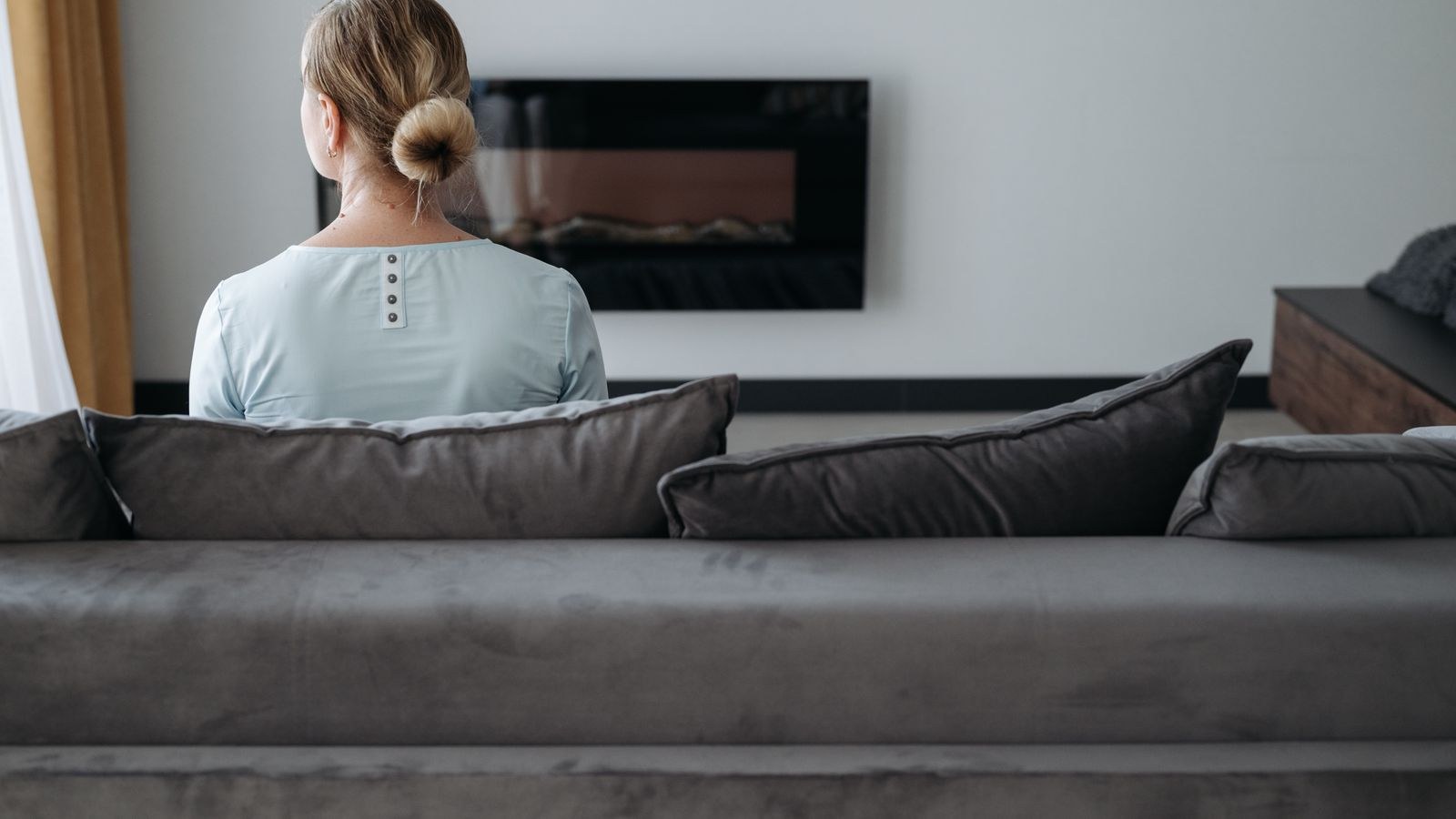
If replacing the chair is not an option, a good cushion is the highest-value single purchase. Memory foam wedges open the hip angle and encourage a neutral pelvis. Coccyx cut-out cushions remove pressure from the tailbone and the tissue immediately around it, which helps when the pain is worst directly under the seat. Firm lumbar rolls fill the gap between your lower back and a flat backrest, which is the single most common shortcoming of budget chairs.
Comparing the best desk chair cushions is the quickest way to see which shapes act as wedges, which relieve tailbone pressure and which are simply extra padding.
A word of caution on donut rings: they are designed for tailbone injuries and can concentrate pressure right along the path of the sciatic nerve for some people. Test any cushion for a full working day before deciding, because sciatica responds very individually. Firmness generally beats softness, since your goal is to hold a position rather than to sink into one. If you drive a lot, apply the same principles in the car, where deep bucket seats often force the exact rounded posture you are trying to avoid.
Movement Matters More Than the Chair
Even a perfectly configured chair fails if you sit in it for four hours without moving. Nerve tissue relies on movement for its blood supply, and static compression is what turns a manageable irritation into a flare. Aim to stand every twenty to thirty minutes, even if only for thirty seconds. Alternate between sitting and standing if you have a height-adjustable desk, but note that standing still for long periods can also aggravate symptoms, so movement rather than one particular position is the goal.
Gentle, frequent walking is usually well tolerated and often relieves symptoms directly. A slow backward bend while standing, repeated a few times, can help when the cause is a disc bulge, though it does not suit everyone. Piriformis stretches, done gently, help when the pain is centred in the buttock. Whatever you use, the rule is that peripheralisation, meaning pain moving further down the leg, is a sign to stop, while centralisation, meaning pain retreating toward the back, is a good sign.

Common Mistakes to Avoid
- Sitting on a very soft sofa or seat. Deep cushions let the pelvis roll back into full lumbar flexion, the worst position for a bulging disc.
- Forcing an exaggerated upright posture. Rigidly straight is tiring and no better than supported and slightly reclined.
- Keeping a wallet in a back pocket. A hard object directly on the nerve path is a mechanical problem with a free solution.
- Total bed rest. Prolonged rest generally slows recovery for sciatica. Gentle activity within tolerance works better.
- Buying a chair before understanding your pattern. Pain from disc compression and pain from piriformis irritation want different seat angles, so identify which fits your symptoms first.
- Stretching aggressively. Hard hamstring stretching can pull directly on an already irritated nerve and make things markedly worse.
When to Seek Medical Advice
Most sciatic episodes settle over weeks with sensible positioning and movement. Seek urgent medical attention if you have numbness in the saddle area, loss of bladder or bowel control, or progressive weakness in the leg, as these can indicate a serious problem requiring immediate assessment. Also see a professional for pain following significant trauma, symptoms in both legs, unexplained weight loss alongside back pain, or pain that is steadily worsening despite several weeks of appropriate self-management. A physiotherapist can also identify which movement direction relieves your particular pattern, which is difficult to work out alone.
Frequently Asked Questions
Is a hard or soft chair better for sciatica?
Firm, generally. A firm seat lets you hold a neutral pelvis, while a soft one lets you sink and round the lower back. Firm does not mean unpadded, though; you want support that resists compression rather than a bare surface.
How long can I sit with sciatica?
Aim to change position every twenty to thirty minutes, and shorter if symptoms build faster than that. The specific limit is individual, so use your symptoms as the guide and stand before the pain starts rather than after.
Does a standing desk help sciatica?
It can, mainly because it makes changing position easy. Standing still for hours brings its own problems, so the benefit comes from alternating rather than from standing itself.
Should I use a kneeling chair or exercise ball?
Both open the hip angle, which some people find helpful for short spells. Neither offers back support, so they work best as one option you rotate through during the day rather than as an all-day replacement.
Final Thoughts
Sitting with sciatica is manageable once you stop trying to endure it in a standard chair set up the standard way. Raise the seat so your hips sit above your knees, tilt the pan slightly forward, fill the lumbar curve with proper support, keep a gap behind your knees, recline a little rather than perching upright, and choose a cushion that matches whether your pain sits in the disc or the buttock. Clear your back pockets, uncross your legs, and above all set a timer, because no chair configuration survives four unbroken hours of sitting. Combine a well-adjusted seat with regular movement and gentle activity within your tolerance, and most people find sitting goes from something that reliably provokes their symptoms to something they can do for a full working day.