Owen Bradley
 When the cooling season ends, a window air conditioner faces its most damaging months. Left in the sash, it becomes a hole in your wall that bleeds heat and invites snow into the cabinet. Shoved into a damp garage still wet from summer, it grows mold in the drain pan and hosts mice in the blower housing. Storing a window AC unit properly is a straightforward afternoon project that decides whether the unit starts cleanly next June or arrives smelling like a basement. This guide covers safe removal, the drying steps most people skip, how to cover and position the cabinet, and what to check before it goes back in the window.

Should You Remove the Unit or Leave It Installed?
Removing the unit is almost always the better choice. An installed window AC is a poor insulator: the thin cabinet, the vent flaps, and the accordion side panels together lose far more heat than the window would on its own. On a cold night you can often feel the draft from three feet away. Removal also protects the compressor and coils from freeze-thaw cycles and from the road salt and grit that blow around in winter.
There are legitimate reasons to leave a unit in place. Very heavy models, through-the-wall sleeves, and windows above the second floor can make removal genuinely unsafe for one person. If the unit stays, seal it thoroughly from the inside with an insulating cover, close the fresh-air vent, and fit an exterior cover rated for weather. Comparing options in our roundup of the best air conditioner covers is worth the few minutes it takes, because a breathable outdoor cover and a sealed indoor cover do different jobs.
What You Will Need
- A helper for anything over about 50 pounds, especially at an upper-floor window.
- Screwdrivers to release the sash brackets and side panel screws.
- A shallow pan or towels to catch water still sitting in the base.
- A soft brush, vacuum with a crevice tool, and a fin comb.
- Mild detergent or coil cleaner and a spray bottle of clean water.
- A breathable cover or old sheet plus a pallet, shelf, or two lengths of scrap lumber.
- Painter’s tape and a marker for labeling hardware bags.
Step-by-Step: Removing and Storing the Unit
- Unplug the unit and let it sit. Pull the cord from the wall and leave the AC alone for at least an hour so the compressor cools and refrigerant pressures settle. Never handle a unit that has just been running.
- Photograph the installation. Take a few pictures of the brackets, the panel positions, and the way the sash sits. Next season those photos save fifteen minutes of guessing.
- Remove the accordion panels and hardware. Back out the screws holding the side curtains and the sash bracket, then bag every screw and clip and tape the bag to the unit or label it clearly. Loose hardware is the most commonly lost part.
- Support the unit before freeing it. Have your helper take the weight from inside while you release the last fastener. Window ACs are front-heavy and tip outward easily. Slide it straight in toward the room, never lift it out over the sill.
- Drain the base pan completely. Tilt the unit gently toward the rear over a pan or outside and let every drop run out. Many models retain a surprising amount of standing water, and that water is what causes the musty smell people blame on the unit itself.
- Remove and wash the filter. Slide the mesh filter out, rinse it in warm soapy water, shake it dry, and set it aside. Store it separately rather than reinserting it damp.
- Clean the coils and blower. Vacuum loose lint from the front evaporator fins, then spray a mild coil cleaner or soapy water on both coil faces and rinse lightly. Straighten any bent fins with a fin comb. Wipe the fan blades and the interior of the housing where dust cakes.
- Dry the unit thoroughly. This is the step that matters most. Set the cabinet in a warm, ventilated spot and leave it for a full day or two, or run the fan-only mode with the unit unplugged from cooling duty if your model allows. Any trapped moisture becomes mold over five months of storage.
- Cover the cabinet loosely. Use a breathable fabric cover, an old sheet, or the original carton. Avoid sealing the unit in plastic, which traps humidity against metal and rusts the chassis and coil fins.
- Store it upright and off the floor. Set the unit on a shelf, pallet, or pair of two-by-fours in a dry indoor space. Keep it level and upright so the compressor oil stays where it belongs.
Choosing the Right Storage Location
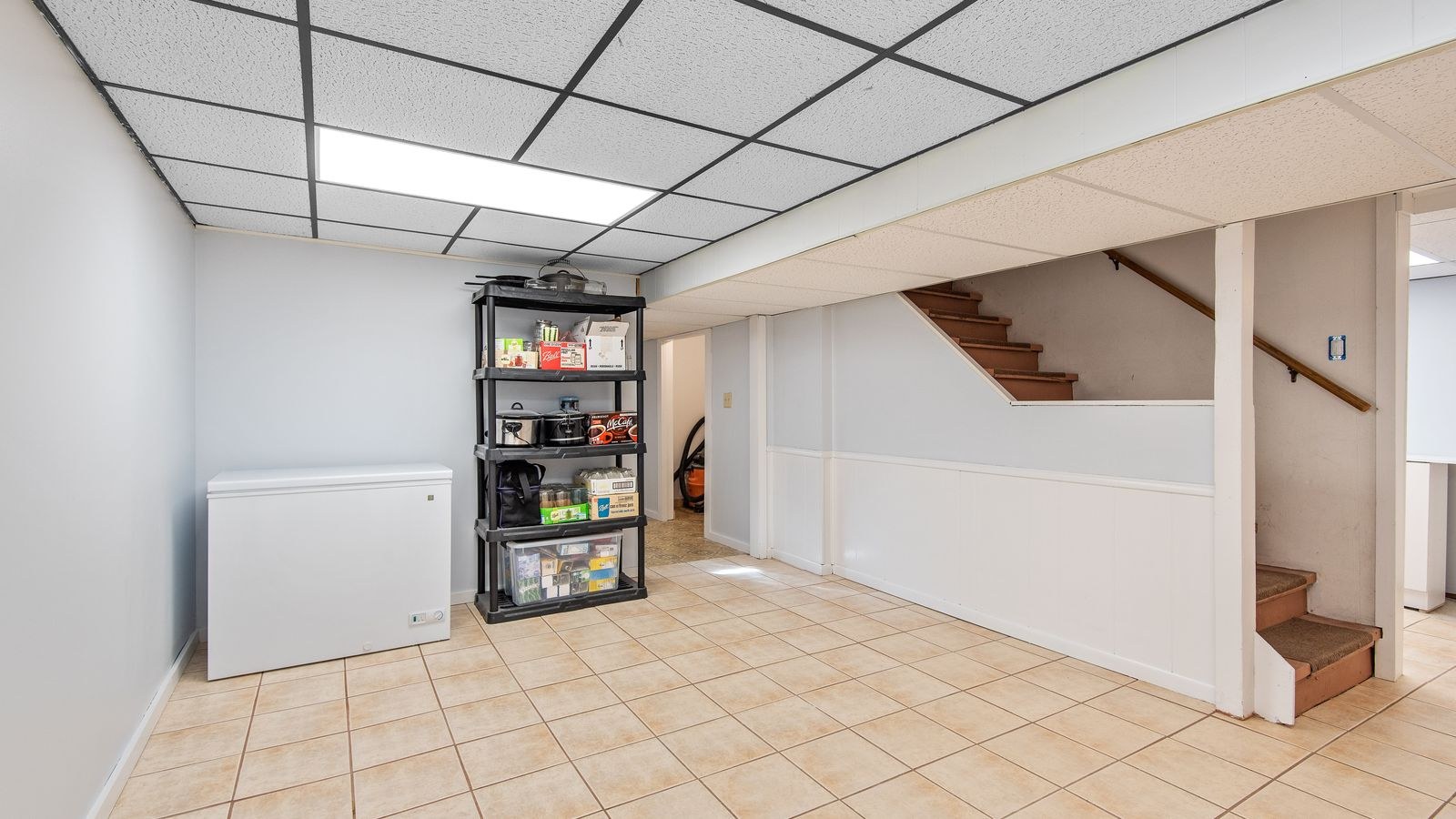
The ideal spot is dry, stable in temperature, and free of pests. A finished basement, a heated utility room, or an interior closet all work well. A damp crawl space or an unheated shed with a dirt floor is the worst case, because condensation forms on the cold metal every time the weather swings.
Garages are the usual compromise. They are acceptable if the floor stays dry and you elevate the unit on a pallet, but check for rodent activity first. Mice love the insulation and wiring inside a stored AC, and chewed wiring is an expensive surprise. Steel wool packed around obvious openings, or simply keeping the unit on a high shelf rather than the floor, removes most of the risk.
Position and Orientation
Store the unit the same way up it runs. Sealed rotary compressors depend on an oil bath sitting in the bottom of the shell, and laying a unit on its side or back lets oil migrate into places it should not be. If a unit was transported on its side, stand it upright for a full day before powering it on. Never stack heavy boxes on top of the cabinet, since the thin sheet metal dents and the coil fins crush easily.
Sealing the Window You Just Freed Up
Once the unit is out, treat the window like any other. Close and latch both sashes, check that the lock engages fully, and add weatherstrip if the sash rattles. If the AC was mounted in a sleeve through the wall, fit an insulated interior cover over the opening and confirm the exterior louvers or damper are closed.
Take a moment to inspect the sill for water damage while it is visible. Years of condensate dripping off a poorly pitched unit can rot wood trim or lift paint, and it is far easier to repair in autumn than to discover in a June heat wave. This is also a good time to reassess whether the unit still suits the room. If it struggled all summer, browsing capacity classes in our comparison of the best 18000 BTU window air conditioners shows what a serious upgrade looks like, while the best small window air conditioners guide covers compact rooms where a lighter unit is far easier to lift in and out each season.
Common Mistakes to Avoid
- Storing the unit wet. Nearly every musty AC smell traces back to a pan that was never drained and dried.
- Wrapping it in plastic sheeting. Trapped moisture rusts the chassis and corrodes coil fins over a winter.
- Laying it on its side. Compressor oil migration can cause noisy or short startup life.
- Leaving it on a concrete floor. Concrete wicks moisture upward continuously, even in a heated basement.
- Losing the mounting hardware. Brackets and side panels are model-specific and awkward to replace.
- Skipping the coil clean. Dust left on the coil bakes on and gets much harder to remove next year.
Getting It Ready Again in Spring
Before reinstalling, inspect the power cord for chew marks or cracked insulation and check that the plug’s reset button works if the cord has one. Vacuum any dust that settled during storage, refit the clean filter, and look through the coil fins for nests. Set the unit in the window with a slight downward tilt toward the outside so condensate drains away rather than pooling indoors, then run it on fan only for a few minutes before switching to cooling.
While you have the tools out, seasonal cleaning of other household air equipment pairs naturally with this job. The same brush, vacuum, and mild detergent used here also handle the ventilation work described in our walkthrough on cleaning a bathroom exhaust fan, and doing both at once saves setting up twice.
Frequently Asked Questions
Can I store a window AC outdoors under a tarp?
It is the least desirable option. A tarp traps condensation against the metal and the temperature swings are extreme. If you truly have no indoor space, elevate the unit, use a breathable cover rather than a tarp, and expect a shorter service life.
How long should the unit dry before storage?
Give it at least 24 hours in a warm, ventilated room, and two days if you rinsed the coils heavily. The pan, the blower housing, and the insulation behind the coil all hold water longer than the visible surfaces suggest.
Do I need to add refrigerant after storage?
No. A window AC is a sealed system that neither uses nor loses refrigerant in normal operation. If it cools poorly after storage, the cause is far more likely a dirty coil, a clogged filter, or a leak.
Is it safe to store the unit in an attic?
Attics reach extreme temperatures and often have poor humidity control, so they are a weak choice. Heat itself will not destroy the unit, but the moisture swings and dust accumulation will shorten its life compared with a conditioned space.
Should I cover the outdoor half if I leave the unit in?
Yes. Use a cover sized for the model that shields the top and sides from snow and ice while still allowing airflow, and pair it with an insulated interior cover so warm indoor air does not escape through the cabinet.
Final Thoughts
Storing a window AC well comes down to three habits: get the water out, get the unit fully dry, and keep it upright and off the floor in a space that stays dry. Clean the coils and filter before it goes away rather than after it comes back, bag the hardware so reinstallation is painless, and choose a breathable cover over plastic every time. A unit treated this way will start quietly and cool properly for many seasons, and choosing a model built for lower running costs, such as those in our list of the best energy efficient window air conditioners, makes that longevity even more worthwhile heading into 2026.