Owen Bradley
 Most home office advice either assumes you have unlimited money or tells you everything can be done for nothing. Neither is useful when you have a real number in mind and need to know what it buys. This home office budget guide prices out three complete builds end to end, from the chair you sit in to the light over your desk, and explains the reasoning behind every allocation. The core principle running through all three is simple: some categories punish you badly for buying cheap, and some barely notice. Get that split right and a modest budget in 2026 can produce a workspace that outperforms a far more expensive one assembled without a plan.

The One Rule That Shapes Every Budget
Spend on what touches your body or your eyes for eight hours a day. Everything else can be entry level without you noticing. That means the chair, the monitor, and the lighting carry the money, while the desk surface, the cable management, and most accessories are where you save.
The logic is that discomfort compounds. A bad chair produces back pain that no amount of desk quality offsets, and a dim, flickering room produces headaches and eye strain regardless of how nice your keyboard feels. A cheap desk, by contrast, holds your monitor at exactly the same height as an expensive one. Wobble is the only real failure mode, and it is easy to check before buying.
Build One: The $400 Starter Office
This build covers someone working from home a few days a week who needs a real workstation rather than a kitchen table.
- Chair: $180. Nearly half the budget, and correctly so. At this price you get adjustable seat height, a functional recline, and either lumbar support or a mesh back that provides it passively.
- Desk: $90. A simple rectangular desk, 47 to 55 inches wide. Look for a steel frame with a laminate top rather than all-particleboard construction.
- Monitor: $110. A 24-inch 1080p IPS panel. IPS matters here because cheaper TN panels shift color badly when you are not perfectly centered.
- Task lamp: $25. An adjustable LED desk lamp with a warm-to-cool switch.
What You Are Giving Up
No armrest adjustment beyond height, a fixed-height desk, and a monitor you will need a stand or a stack of books to raise to eye level. None of these cause injury. They are inconveniences, and they are the right things to trade away first. If you want to see how far a limited chair budget stretches, the roundup of affordable ergonomic office chairs is a useful reference for which adjustments survive at this price point.
Build Two: The $800 Everyday Office
This is the sweet spot for full-time remote work. The extra $400 goes almost entirely into comfort and screen quality, not into gadgets.
- Chair: $300. The single biggest upgrade in the whole guide. At this level you get adjustable lumbar depth, 3D or 4D armrests, a seat slider, and tilt tension control.
- Desk: $220. A wider 60-inch surface, or an entry-level electric sit-stand frame if you would rather have height adjustment than width.
- Monitor: $180. A 27-inch 1440p IPS panel. The resolution jump matters more than the size jump because it lets you place two documents side by side legibly.
- Monitor arm: $50. Small cost, disproportionate benefit. It puts the screen at true eye level and frees desk space.
- Lighting: $50. A quality task lamp plus a bias light behind the monitor to reduce contrast strain in a dim room.
Where the Chair Money Goes
The jump from $180 to $300 buys adjustment range rather than luxury materials. Armrests that move in and out let your elbows sit directly under your shoulders, and a seat slider lets people with shorter or longer legs get proper thigh support. If you are choosing at this tier, comparing the best office chairs under 300 against the cheaper category makes the gap in adjustability obvious. On the desk side, the best desks under 300 selection covers both the wide fixed models and the entry sit-stand frames worth considering.
Build Three: The $1,500 Long-Term Office
At this level you are buying durability and refinement rather than new capability. Everything in build two works; everything in build three works better and lasts longer.
- Chair: $600. A chair engineered for eight-hour days with a long warranty, replaceable parts, and a mesh or foam seat that does not compress flat within two years.
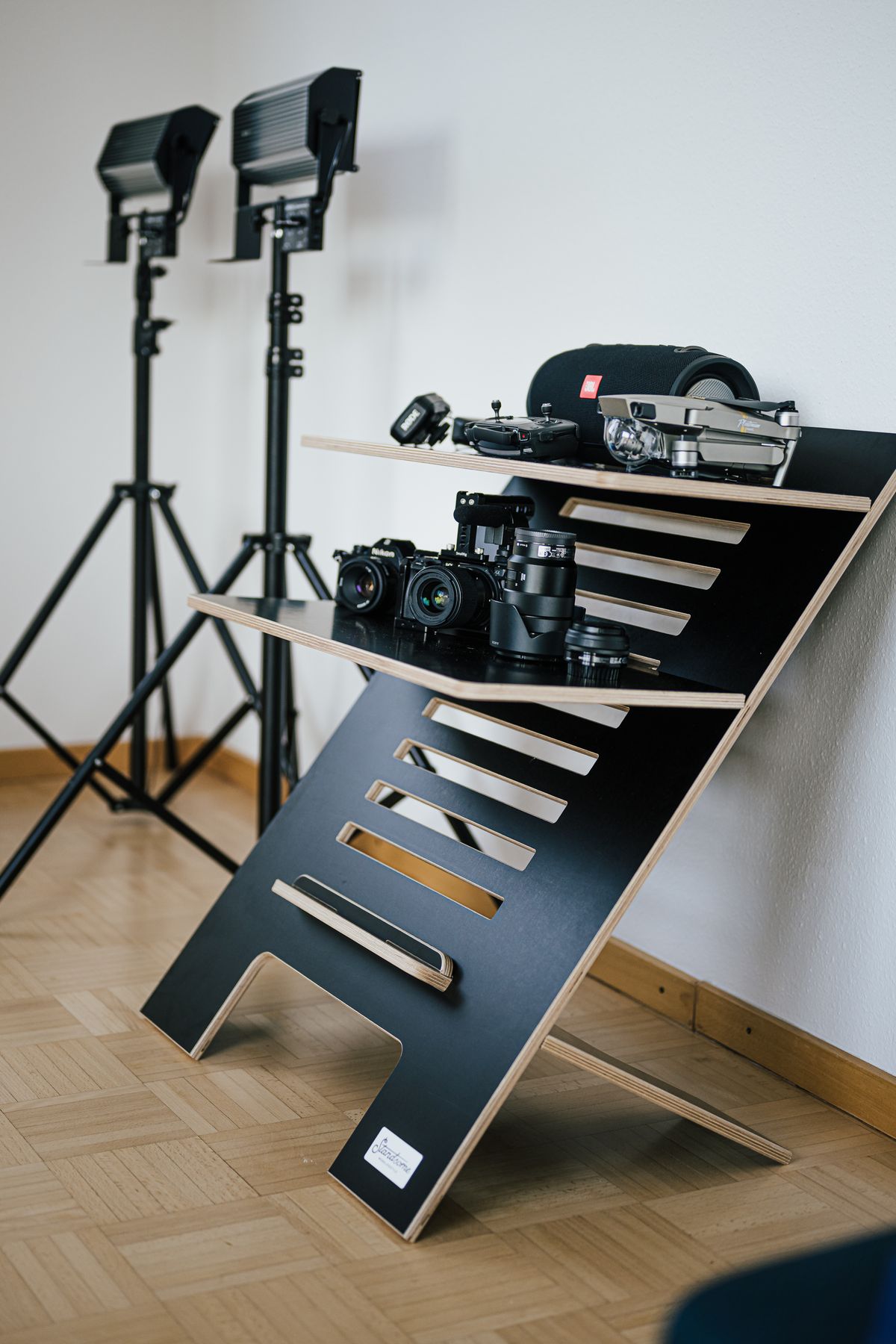
- Sit-stand desk: $450. A dual-motor electric frame with memory presets and a solid top, quiet and quick enough that you actually use the standing function.
- Monitor: $300. A 27-inch 1440p panel at a higher refresh rate, or a 32-inch 4K for detailed work, with a USB-C connection that carries video and laptop power over one cable.
- Monitor arm and accessories: $90. A gas-spring arm, a proper footrest, and a keyboard tray if your desk sits high.
- Lighting: $60. A monitor light bar plus an adjustable floor or task lamp for evening work.
The honest caveat: the jump from build two to build three roughly doubles the cost for perhaps a 25 percent improvement in daily experience. It is worth it if you work from home full time for years, and hard to justify otherwise.
Where Cheap Genuinely Costs You More
Three categories punish bargain hunting hard enough to be worth calling out. Chairs under about $130 usually have foam that compresses within a year and gas cylinders that sink, so you replace the chair twice and spend more than one good purchase would have cost. Monitors under $90 tend to use panels with poor uniformity and visible backlight bleed, which you stare at all day. Power strips and surge protectors are a safety item rather than a comfort one, and this is not the place to save $10.
Everything else is fair game. Cheap keyboards, cheap mice, cheap webcams, cheap cable trays, and cheap desk mats all perform close enough to their expensive counterparts that the difference is preference rather than function.
Where Cheap Is Completely Fine
- Desk surface. A laminate top and a steel frame does the job. Solid wood is aesthetics.
- Cable management. Velcro ties and a $12 under-desk tray solve the problem entirely.
- Webcam. Lighting improves video call quality far more than sensor price does. Fix the light first.
- Headset. A $40 headset with a decent boom mic is indistinguishable from a $200 one on a compressed call.
- Storage. A basic file drawer or a shelf handles paper just as well as a matching cabinet.
- Desk mat and accessories. Pure preference. Buy them last, from whatever budget is left over.
Building in Stages Instead of All at Once
Very few people buy an entire office in one weekend, and staging the purchases usually produces a better result because you learn what actually bothers you before you spend. A sensible sequence looks like this:
- Chair first, always. It is the only item where a poor choice creates physical consequences, and it is the hardest to tolerate while you save for something better.
- Then lighting. The cheapest meaningful upgrade in the whole list. A good task lamp costs less than a desk mat and changes how the room feels after 4pm.
- Then the monitor and arm together. Buying them as a pair means you set the height correctly from day one instead of improvising with books.
- Then the desk. By this point you will know whether you actually stand enough to justify a sit-stand frame, which saves many people $300.
- Accessories last. Keyboard, mouse, mat, and organizers, funded by whatever remains.
If you are working through this sequence on a tight budget, the step-by-step approach to setting up an ergonomic home office on a budget covers the adjustments that cost nothing at all, which are worth exhausting before any purchase.
The Costs People Forget to Budget
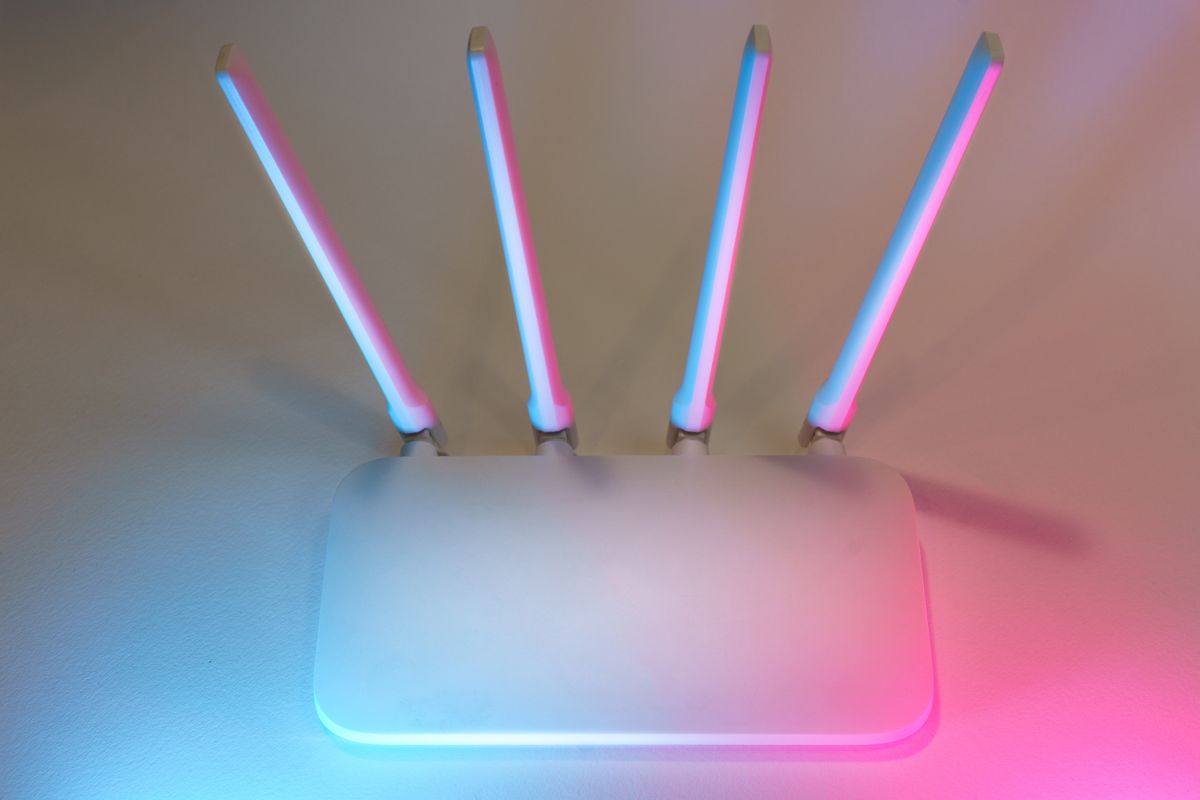
Three expenses routinely blow up an otherwise careful plan. The first is networking. If your work depends on video calls and your router is the free box from your provider, a $70 to $120 upgrade does more for your working day than a nicer keyboard ever will. The second is power and connectivity: docking stations, a longer USB-C cable, adapters, and a surge protector easily total $60 to $100 and never appear in anyone’s plan.
The third is the room itself. Blackout or filtering blinds to control glare, a rug for acoustics in a hard-floored room, and a second heat or cooling source all affect whether the space is usable year round. Set aside roughly 10 percent of your total for these. For a view of how the categories fit together as one system rather than separate purchases, this breakdown of a complete home office setup covering desk, chair, router and lighting is a useful sanity check against your own list.
Common Budgeting Mistakes
The most frequent error is spending the largest single amount on the desk because it is the most visible item in the room. Visitors notice the desk; your spine notices the chair. The second is buying a sit-stand desk before establishing whether you will use it, since a large share of them end up permanently at sitting height.
Third is ignoring the used market for chairs specifically. High-end office chairs are built for a decade of commercial use, and a well-maintained second-hand one at $250 frequently beats a new $400 model. Fourth is buying matching furniture sets, where you pay a premium for visual consistency across items whose quality requirements are wildly different. Finally, many people underestimate the accessory drift of $20 purchases, which quietly consume the money that should have gone toward the chair.
Frequently Asked Questions
What is the absolute minimum for a usable home office?
Around $300 if you buy carefully: roughly $150 on the chair, $80 on a desk, and the rest on a basic monitor and lamp. Below that, something in the chair or the screen will start costing you comfort.
Should I buy a sit-stand desk on a limited budget?
Generally no. A fixed desk plus a better chair beats a cheap sit-stand desk plus a poor chair. Add height adjustment later once the fundamentals are covered.
Is a used office chair a good idea?
Often the best value available. Check the gas cylinder holds height, the foam has not flattened, and the casters roll cleanly. Commercial-grade chairs are designed to outlast several owners.
How much should the monitor be as a share of the budget?
Roughly 20 to 25 percent. Prioritize resolution and panel type over size, and always budget the monitor arm or riser alongside it rather than as an afterthought.
Do I need two monitors?
One larger high-resolution screen usually serves better than two small ones, and it costs less in desk space and cable clutter. Add a second only if your work genuinely requires two full applications side by side.
Final Thoughts
A home office budget works best when you decide the split before you start shopping rather than after. Put roughly 40 percent into the chair, 20 to 25 percent into the screen and its mount, and treat lighting as a small line item with an outsized return. Let the desk and the accessories absorb whatever is left. Buy in stages, resist the visible-item temptation, and reserve a slice for the network and room costs nobody plans for. Do that and every tier here delivers a workspace that feels considerably more expensive than the receipt suggests.