Owen Bradley
 Blackout curtains promise total darkness, yet plenty of shoppers hang a pair and still wake at sunrise with light spilling around the edges. The problem is rarely the fabric itself. It is the gap between panel and wall, the rod that sits too close to the window, or a “blackout” label attached to a curtain that only dims a room by half. This blackout curtains guide explains how the linings actually work, what separates room-darkening from true blackout, and the hardware choices that decide whether you get a dim room or a genuinely dark one. It also looks honestly at the sleep and energy claims, so you know what to expect before you spend money in 2026.
What Makes a Curtain Blackout Rather Than Just Thick
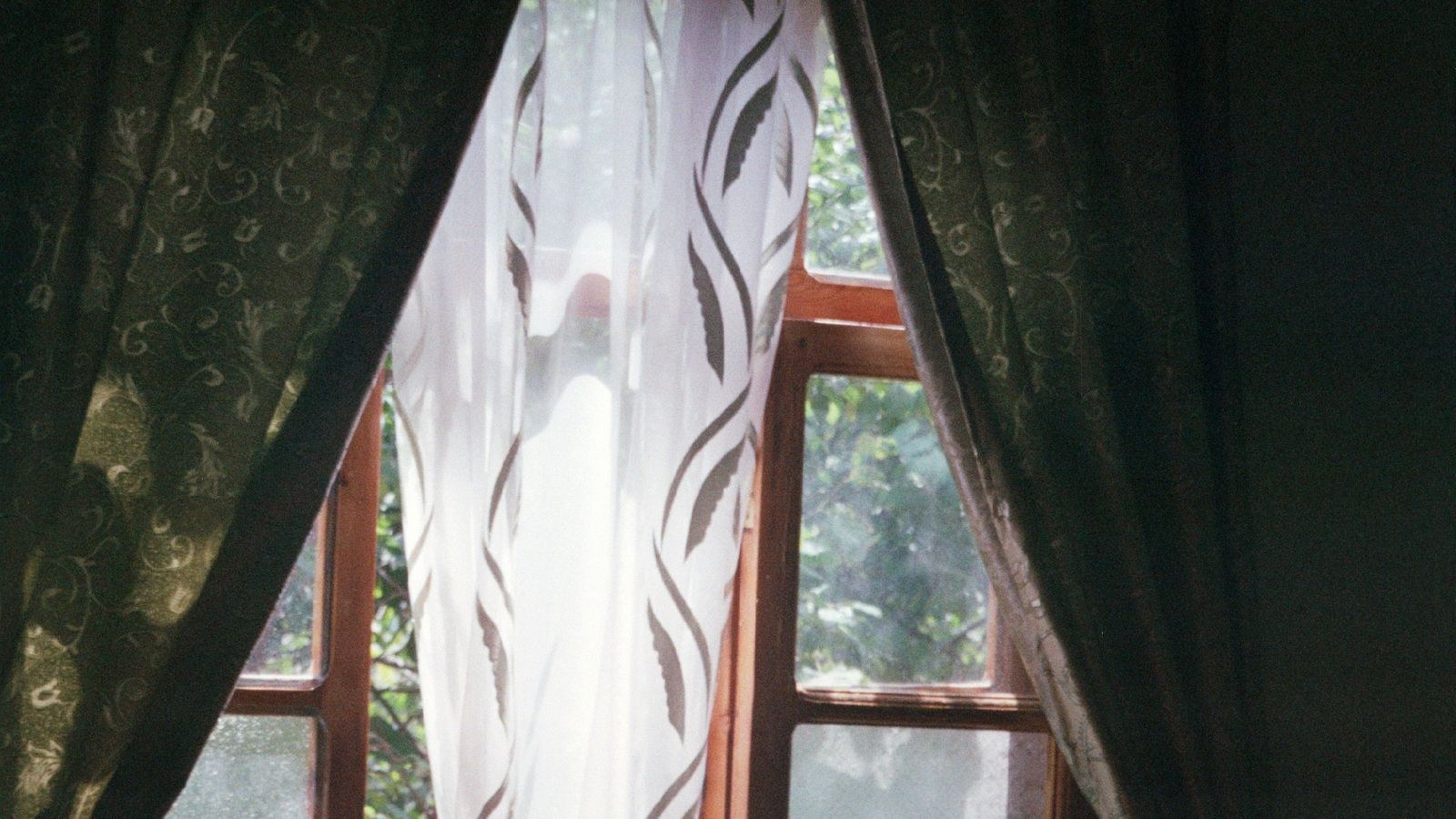
Darkness comes from opacity, and opacity comes from either a dense weave, an applied coating, or a separate lining layer sewn behind the face fabric. A heavy velvet or a tightly woven cotton twill blocks a lot of light on its own, but hold it up to a bright window and you will usually see a faint glow through the cloth. True blackout construction adds something the light cannot pass through at all.
Manufacturers use three broad approaches. Foam-backed panels have an acrylic or latex coating painted onto the reverse of the fabric, often in two or three passes. They block the most light for the least money, but the coating can feel stiff and may crack after years of folding. Triple-weave fabrics sandwich a black or dark yarn layer between two decorative layers during weaving, so there is no coating to peel and the panel drapes more naturally. Separate liners hang behind curtains you already own, giving you the darkening benefit without replacing a fabric you like.
Ratings you see quoted, such as ninety or ninety-nine percent light blocking, refer to the fabric only. They are measured on a flat sample in a lab, not on a hung panel with gaps at the sides. That distinction matters more than almost anything else in this guide.
Blackout Versus Room-Darkening Versus Thermal
These three labels get used loosely and often overlap. Room-darkening typically means the panel cuts most light but leaves a soft glow, which suits a living room or a nursery where you want dimness rather than a cave. Blackout should mean the fabric itself passes essentially no visible light. Thermal refers to insulation, and while most blackout linings do slow heat transfer, a thermal curtain is not automatically opaque. Read the product description rather than the headline word, and if a listing avoids stating a percentage or a construction type, assume it is room-darkening.
The Real Enemy: Side Light and Halo Gaps
Hang a perfect blackout panel on a standard rod and light still reaches the room from four directions. It comes around the sides where the panel sits proud of the wall, over the top where the rod leaves a channel, underneath if the hem stops short, and through the centre where two panels meet. Together these gaps often let in more brightness than the fabric ever would.
Fixing them is mostly a hardware exercise. A wrap-around rod, sometimes called a return rod, curves back to the wall at each end so the panel edge presses against the plaster instead of floating in mid-air. That single swap eliminates the largest light leak in most bedrooms. Mounting the rod high and wide, roughly four to six inches above the frame and extending eight to twelve inches past it on each side, means the panel covers wall rather than glass at the edges. Letting the hem sit level with the floor or a fraction below closes the bottom gap.
For the centre join, generous fullness solves it. Order panels totalling roughly two to two and a half times the width of your rod so the fabric gathers deeply and the two halves overlap by several inches in the middle. Panels that just barely span the window will always show a bright seam. If you are unsure how much width your window needs, our walkthrough on how to choose curtain rod length covers the measuring rules that make these overlaps work.
Choosing the Right Lining for Your Room
Match the construction to the job. A bedroom for a shift worker or a light-sensitive sleeper wants foam-backed or heavy triple-weave, because absolute darkness beats elegant drape. A living room that faces afternoon glare on a television is better served by a triple-weave panel that still looks like a normal curtain when open. A nursery often lands in between: parents want real darkness for naps but also want the fabric to be soft, washable and free of any coating that could shed.
Weight affects more than feel. Coated panels are heavy, so light tension rods sag or pull free of drywall anchors. Check the rod’s stated load capacity and use proper wall plugs into studs where you can. Heavier panels also need larger rings or wider rod pockets to glide instead of catching.
If you would rather buy something ready to hang than commission custom panels, comparing standard sizes first saves time. Our roundup of the best ready-made curtains shows which off-the-shelf drops and widths actually cover common window sizes, and the broader curtain buying guide explains header styles, fabric weights and hem lengths in more depth.
Header Styles and How Much Light They Let Through
The top of the curtain leaks more light than people expect. Grommet headers look modern and slide easily, but each ring sits around the rod and leaves scalloped openings above the fabric. Rod pocket headers gather tightly around the rod and block that channel well, though they are stiff to open and close. Pinch pleat and pencil pleat panels hung on rings give the deepest folds and the best coverage when paired with a wrap-around rod. Tab top headers are the leakiest of all and are best kept for decorative windows.
If a grommet panel is what you love, add a valance, a cornice board or a ceiling-mounted track above it to cap the light. Track systems are the quiet favourite of anyone who wants near-total darkness, because the carrier runs close to the ceiling and the fabric hangs flat against the wall.
Do Blackout Curtains Actually Improve Sleep?
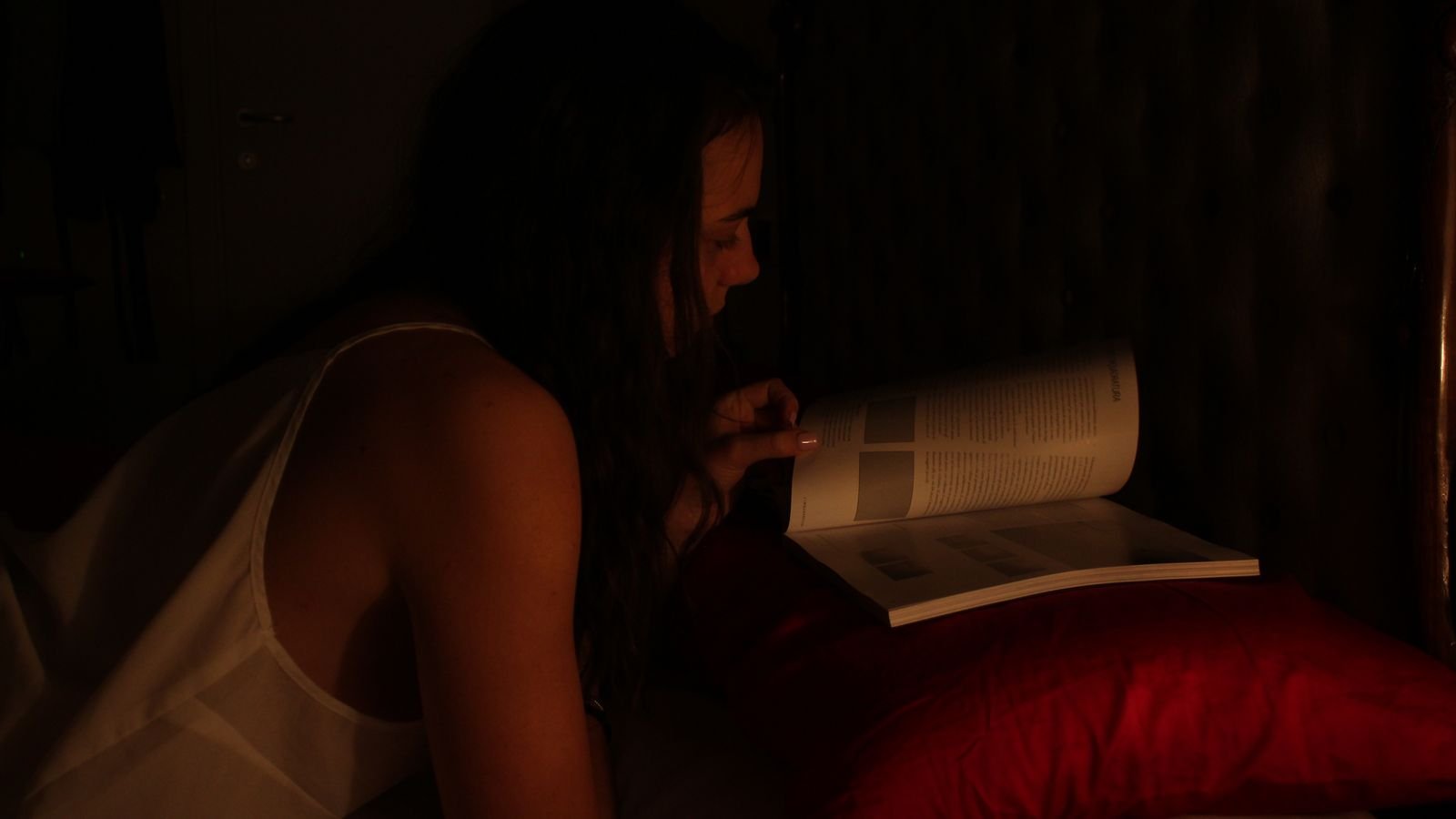
Darkness genuinely matters for sleep. Light reaching the eyes suppresses melatonin and nudges your body clock later, which is why summer dawns and streetlights outside a bedroom cause early waking and shallow sleep. Removing that light removes the trigger, and people who work nights or live under strong street lighting usually notice the difference within a few days.
Be realistic, though. Curtains fix the light coming through the window. They do nothing about a bright charging LED, a phone screen, or a hallway lamp shining under the door. If your room still feels bright after hanging good panels, audit the small indoor sources before blaming the fabric. Some people also swap late-evening bulbs for warmer, lower-intensity light, and our list of the best red light bulbs for sleep covers options that keep an evening room usable without the blue-heavy glare of standard lamps.
Noise and Temperature: The Secondary Benefits
Heavy panels absorb some sound, particularly higher frequencies like traffic hiss and voices. Do not expect soundproofing, because the mass of a curtain is tiny next to a wall, but a lined panel does take the edge off echo and street noise in a hard-surfaced room.
The thermal benefit is more measurable. A lined curtain traps a pocket of still air against the glass, slowing heat loss in winter and reducing solar gain in summer. Studies of drapes with sealed edges have shown meaningful reductions in window heat loss, and the effect is strongest when the panel is wide, floor-length and closed against the wall at the sides. That is the same fitting that blocks light, so a well-hung blackout curtain earns its keep twice.
Budget Tiers and What You Get
At the entry level you will find foam-coated polyester panels sold in pairs. They block light impressively for the price, and they are a sensible choice for a rental or a guest room. Expect a slightly plasticky hand, visible needle holes along the seams if you look closely, and a finite lifespan once the coating begins to stiffen.
The middle tier brings triple-weave fabrics in cotton or linen blends. The drape improves noticeably, the panels are usually machine washable, and colours hold up better in sunlight. This is where most people should spend if the curtains are going in a room they use daily.
At the top sit custom-made panels with interlining, weighted hems and made-to-measure drops, often hung on a ceiling track. You pay for the fit as much as the fabric, and the fit is precisely what produces a genuinely dark room. If you want to compare fabric ranges and made-to-measure services before committing, our overview of the best online curtain stores outlines who offers custom sizing and free samples.
Care, Cleaning and Longevity
Check the label before anything else, because coated panels and woven panels want different treatment. Foam-backed curtains should generally be washed cold on a gentle cycle, or spot cleaned, and never tumble dried on heat, which softens and cracks the coating. Triple-weave panels tolerate normal washing more happily but can shrink, so wash a single panel first and rehang it damp to hold its length.
Vacuum the surface with an upholstery brush every few months to stop dust settling into the weave. Rotate panels between windows once a year if one side of the room gets far more sun, which evens out fading. Steam rather than iron coated fabrics, and always keep the iron off the reverse side.
Common Mistakes That Waste Money
- Buying panels only as wide as the window. Without extra fullness the fabric hangs flat, the centre gaps and the room stays bright.
- Using a straight rod on a bright bedroom. Side light around the edges undoes even the most opaque fabric.
- Trusting the word “blackout” alone. Look for a stated construction type or light-blocking percentage instead.
- Mounting the rod on the window frame. Mounting high and wide covers wall, not glass, and hides the gaps.
- Ignoring the hardware weight rating. Coated panels are heavy and pull light rods and plastic brackets loose.
- Forgetting the floor gap. A hem that stops short of the floor throws a bright band across the carpet at dawn.
Frequently Asked Questions
Do blackout curtains block one hundred percent of light?
The fabric can come very close, but a hung curtain almost never does, because light travels around the panel rather than through it. Pair opaque fabric with a wrap-around rod, generous width and a floor-length hem, and you will get within a hair of complete darkness.
Can I add blackout to curtains I already own?
Yes. Separate blackout liners hang on the same rod behind your existing panels, and clip-on or hook-on versions need no sewing. It is the cheapest way to darken a room without giving up a fabric you like.
Will blackout curtains really lower my heating bill?
They help, though they are not a substitute for insulation or better glazing. A lined, floor-length panel closed at night traps air against the glass and slows heat loss, with the biggest gains on single-glazed or draughty windows.
Are blackout curtains safe for a child’s room?
Generally yes, but choose a woven blackout rather than a coated one if you are concerned about chemical finishes, keep cords and tiebacks well out of reach, and make sure the rod is anchored securely into studs.
Why does my room still glow at the edges?
Almost certainly side light. Measure how far the panel sits from the wall, and if there is any gap at all, switch to a wrap-around rod or a ceiling track and widen the panels.
Final Thoughts
Blackout curtains do work, but only when you treat them as a system rather than a single product. The fabric decides how much light passes through the panel, and the hardware decides how much light sneaks around it. Get both right by choosing a genuine blackout construction, ordering roughly double your rod width in fabric, mounting high and wide on a wrap-around rod or ceiling track, and letting the hem reach the floor. Do that and the darkness is real, the room stays cooler in summer and warmer in winter, and your mornings start when your alarm says so rather than when the sun does.