
 Owen Bradley
 Curtains are the cheapest way to change how a room feels and one of the easiest things to get wrong. Buy a pair that is two inches too short and the whole wall looks awkward no matter how good the fabric is. Buy custom without understanding what you are paying for and you can spend four times as much for a difference nobody notices. The real decision is not ready-made versus custom in the abstract — it is which of your windows genuinely needs custom treatment and which are perfectly served by a well-chosen off-the-shelf panel. This guide covers measuring, fabric, lining, hardware, where to shop, and how to decide between the two paths in 2026.
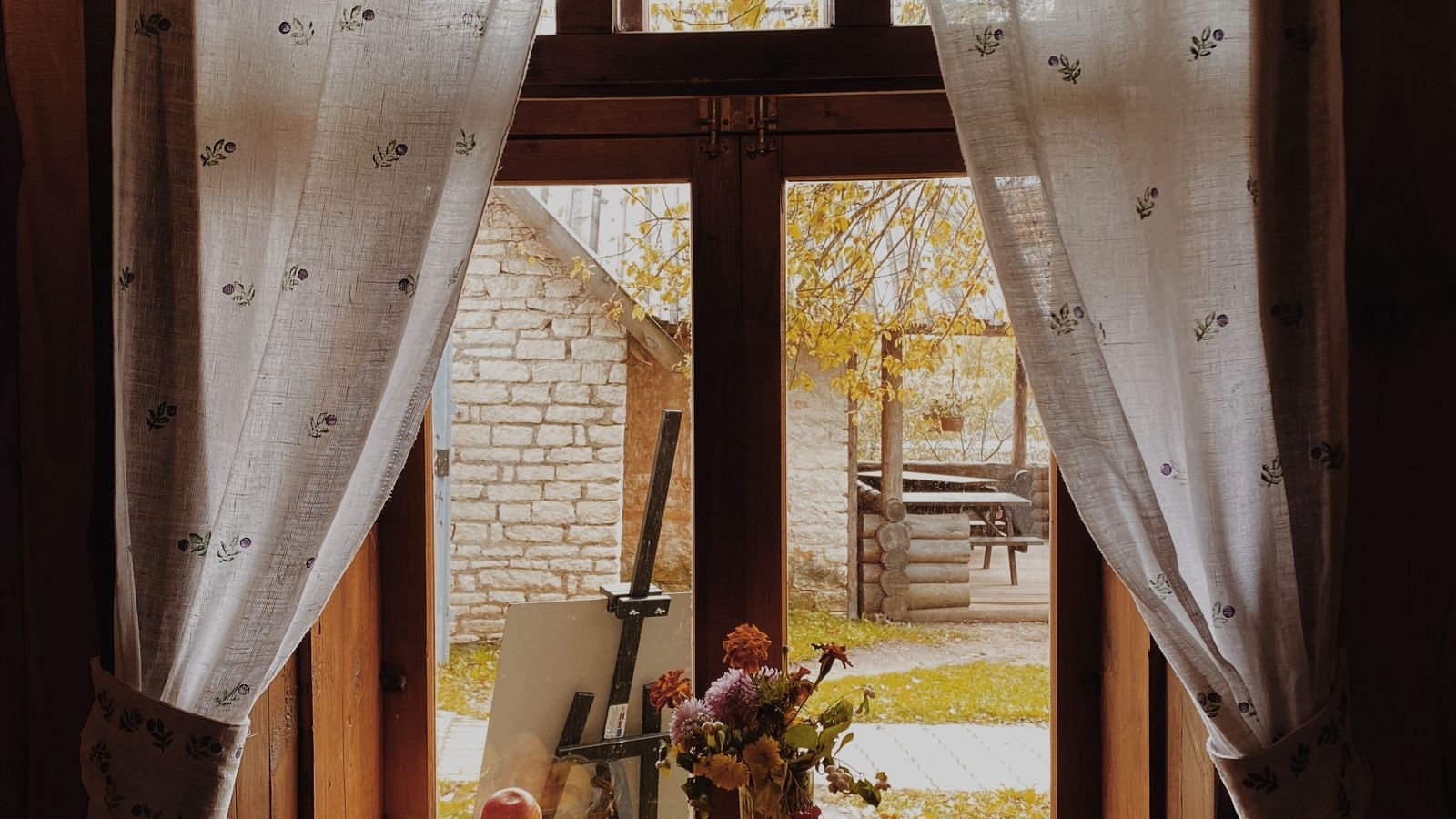
Ready-Made vs Custom: The Honest Comparison
Ready-made curtains are manufactured in standard sizes — typically 63, 84, 96, 108, and 120 inches long, in panel widths around 50 inches. They ship immediately, cost a fraction of custom, and the good ones use the same fabrics custom workrooms use. Their limitation is that your window has to fit one of those sizes reasonably well.
Custom curtains are cut to your exact measurements, with your choice of fabric, lining, header style, and fullness. They solve problems ready-made cannot: unusual window heights, very wide spans needing a single seamless panel, precise pattern matching across multiple windows, specialty headers like pinch pleat or goblet pleat, and fabrics not available in ready-made form. They typically cost three to six times more and take four to eight weeks.
A useful middle path that many shoppers overlook: semi-custom, where a retailer offers standard fabrics in made-to-order lengths and widths. You get the fit of custom at a fraction of the premium, with a much shorter lead time. If ready-made will work for your windows, our roundup of the best ready-made curtains covers the panels worth buying.
When Custom Is Genuinely Worth It
- Ceiling heights above 9 feet. Ready-made tops out at 120 inches in most lines. A 12-foot ceiling with a high-mounted rod needs custom length.
- Very wide windows or sliders. Seaming two ready-made panels together is visible. A single custom panel is not.
- Bay windows and angled walls. Fit is the whole game here and standard sizes rarely cooperate.
- Pattern matching across a wall of windows. A workroom can align a repeat; stock panels are cut wherever the roll landed.
- Genuine blackout in a bedroom. Custom panels can be made wider and longer with returns that wrap to the wall, killing the light leak that ready-made blackout curtains almost always have at the edges.
- Specific header styles. Pinch, euro, and goblet pleats look markedly more tailored and are rare off the shelf.
Conversely, custom is usually not worth it for guest rooms, secondary bedrooms, rentals, home offices, or any window where the curtain is decorative rather than functional. Spend the money on the two rooms people actually see.
Measuring: Where Most Mistakes Happen
Get this stage right and everything else is easier.
- Decide the rod position first. Mount the rod 4 to 6 inches above the window frame, or higher — many designers go halfway between the frame and the ceiling, or right at the ceiling. Higher rods make ceilings look taller. Never mount the rod directly on the frame.
- Measure width for the rod, not the window. Extend the rod 8 to 12 inches past each side of the frame so open curtains stack off the glass and let full daylight in.
- Measure length from the rod, not the window top. Measure from where the curtain ring or hook will sit down to your target hem.
- Choose a hem style. Floating hem sits about half an inch above the floor and is the easiest to live with. Kissing hem just touches the floor and looks tailored. Puddling adds 2 to 6 inches of fabric pooling for a soft, formal look — beautiful, but a dust and pet magnet.
- Calculate fullness. Total panel width should be 2 to 2.5 times the rod width for a proper gathered look. A 60-inch rod therefore wants about 120 to 150 inches of combined panel width — usually two 50-inch panels at minimum, three for a luxurious look.
The fullness rule is the one people skip, and it is why so many curtains look thin and disappointing. Two skinny panels flanking a wide window read as an afterthought. Buying more width costs less than upgrading fabric and improves the result more.
Fabric and Weight
Fabric choice determines drape, light control, and how the panels age.
- Linen and linen blends drape softly with a relaxed, slightly textured look. They wrinkle, they may shrink if washed rather than dry-cleaned, and pure linen filters rather than blocks light.
- Cotton is crisp, versatile, easy to clean, and takes prints well. Medium weight cotton is the safe all-purpose choice.
- Velvet is heavy, blocks a lot of light on its own, insulates well, and hangs with excellent weight. It is formal and it collects dust.
- Polyester and poly blends resist wrinkling and fading, wash easily, and cost the least. Cheap versions have an obvious sheen; better ones convincingly imitate linen.
- Sheers — voile, gauze, lightweight linen — diffuse light and provide daytime privacy without darkening. Best layered behind a heavier panel.
Weight matters as much as fiber. Heavier fabrics hang straighter, hold pleats better, and look more expensive. If you are choosing between a lightweight version of a nice fabric and a heavier version of a plain one, the heavier plain fabric usually looks better on the wall.
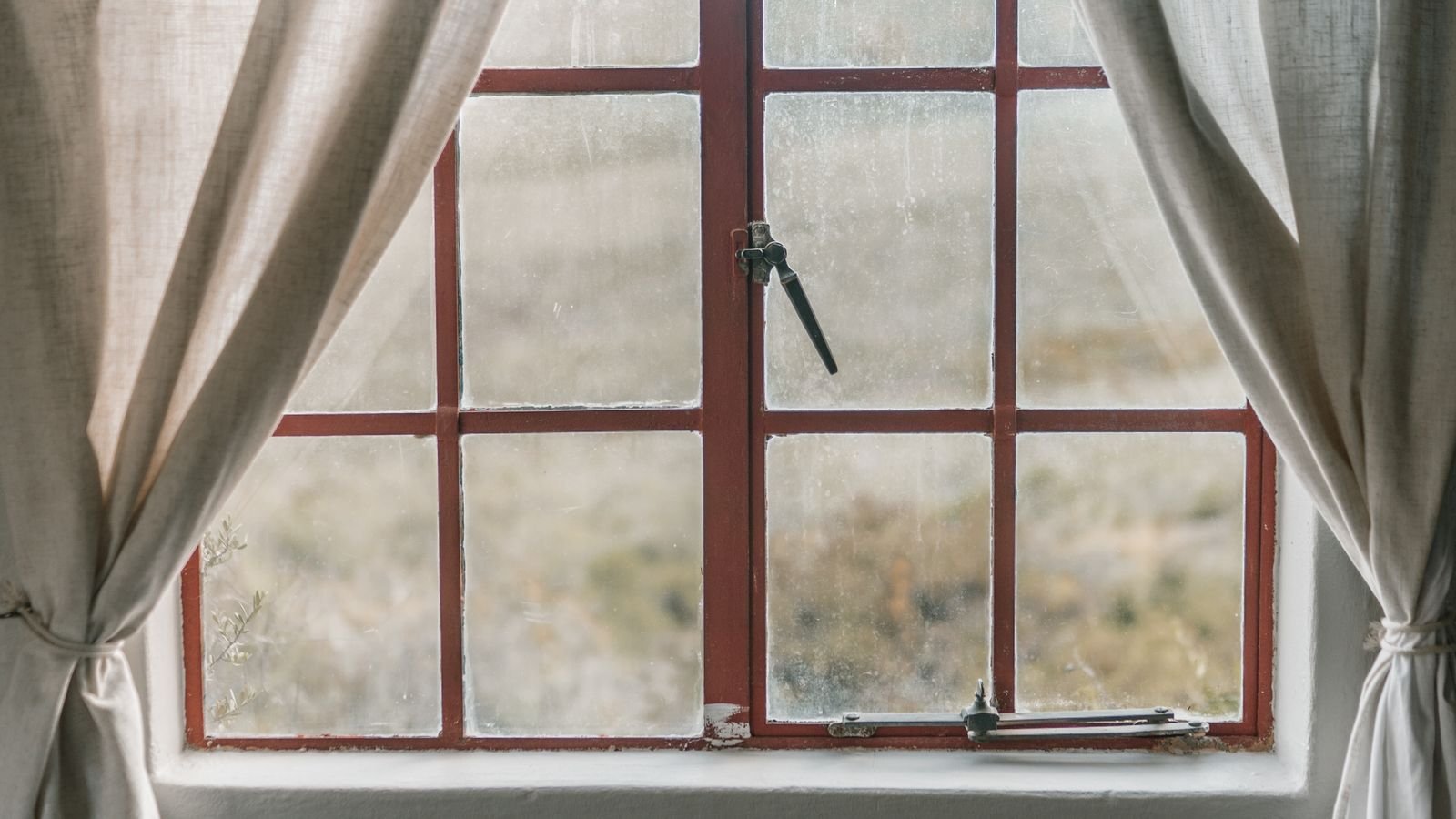
Lining and Light Control
Lining is what separates a curtain that looks good from one that also performs. Understand the terminology, because it is used loosely:
- Unlined: light passes through, colors are visible from outside, fabric fades faster. Fine for sheers and decorative panels.
- Standard lining: a plain cotton or poly backing. Improves drape, protects the face fabric from sun, adds modest light reduction and insulation.
- Room darkening: blocks most light but not all. A dim room, not a dark one.
- Blackout: a tightly woven or coated lining that stops essentially all light through the fabric itself. Note that light still leaks around the panel edges unless the curtain is oversized, mounted on a wraparound rod, or paired with side channels.
- Interlining: a soft layer between face fabric and lining. Custom only, expensive, and unmatched for drape, insulation, and sound damping.
For bedrooms, blackout lining plus generous width and a rod that returns to the wall does far more than blackout fabric alone. For living rooms, standard lining is usually the sweet spot — it protects the fabric and improves the hang without making the room cave-like.
Hardware: Rods, Rings, and Headers
The header is how the curtain attaches, and it sets the look. Rod pocket panels slide onto the rod directly — inexpensive, but they do not slide easily and are best for stationary panels. Grommet panels glide well and create deep, regular waves; a modern, casual look. Back tab hides the rod behind the fabric for a clean flat top. Pinch pleat and euro pleat attach via hooks to rings and give the most tailored, formal result.
For rods, match diameter to weight: 1-inch or thicker for heavy panels or spans over 8 feet, with a center support bracket on long runs to prevent sag. Rings should be sized to slide freely on the rod — too tight and every open-and-close becomes a fight. And always mount brackets into studs or with proper anchors; loaded curtain rods are heavier than people expect.
Where to Shop
Online retailers dominate the ready-made and semi-custom market because they carry far more sizes than any physical store can stock, and many offer free swatches — which you should always order before committing. Fabric color online is unreliable, and a swatch held against your wall in daylight answers the question instantly. Our overview of the best online curtain stores compares the major sellers on size range, lining options, and return policy.
Local workrooms and interior designers are worth engaging for true custom, especially for bay windows or a whole-house project. Their real value is measuring and installation, which is where costly mistakes get made. If your project involves a bathroom as well, the same considerations apply to fabric shower curtains, where weight and washability drive the decision, and shower curtain rods need the same attention to span and mounting.
Budget Tiers
- Under $100 per window: ready-made polyester or cotton-blend panels, basic rod. Perfectly respectable in secondary rooms if you buy enough width.
- $100–$300 per window: better ready-made fabrics with proper lining, a heavier rod with rings, and correct fullness. This is where most rooms should land.
- $300–$700 per window: semi-custom sizing, blackout or thermal lining, pleated headers, quality hardware.
- $700 and up: full custom with designer fabric, interlining, pattern matching, and professional measure and install.
Mistakes to Avoid
- Mounting the rod on the window frame. Instantly makes the ceiling look lower and the window smaller.
- Buying too little width. Two narrow panels on a wide window look sparse regardless of fabric quality.
- Curtains that stop above the floor. Anything more than an inch off the floor reads as a mistake, unless it is a cafe curtain by design.
- Skipping swatches. Screen color is not real color.
- Ignoring the stack. If the rod does not extend past the frame, open curtains block a third of your glass.
- Assuming blackout means dark. Edge leak defeats blackout fabric constantly; plan width and returns to match.
Frequently Asked Questions
How high should I hang curtain rods?
At least 4 to 6 inches above the window frame, and higher if you have the wall space. Mounting close to the ceiling draws the eye up and makes the window appear larger. The curtain length must be measured from the rod position you have chosen, not from the window top.
How many panels do I need per window?
Enough combined width to equal 2 to 2.5 times your rod length. For most standard windows that means two panels; for wide windows and sliders, three or four.
Should curtains touch the floor?
Yes, in nearly every case. Aim for a half-inch float above the floor for easy cleaning, or a kissing hem that just brushes it. Puddling is a style choice and requires more maintenance.
Are custom curtains worth the price?
For unusual window sizes, very tall ceilings, pattern-matched runs, and genuine bedroom blackout, yes. For standard windows in ordinary rooms, well-chosen ready-made panels at correct fullness look nearly identical for far less.
Can I wash curtains at home?
Polyester and most cotton panels usually wash on a gentle cycle and should be hung damp to shed wrinkles. Linen, velvet, interlined, and blackout-coated panels generally need dry cleaning — always check the label, since shrinkage on a floor-length panel is unrecoverable.
Final Thoughts
The most common curtain regret is not fabric or price — it is proportion. Hang the rod high, extend it wide, buy enough panel width for real fullness, and take the hem to the floor. Do those four things with a mid-priced ready-made panel and the room will look considered. Reserve custom for the windows that genuinely defeat standard sizing, order swatches before you commit anywhere, and let the rest of your budget go into lining and hardware, which is where the difference actually shows.









