Owen Bradley
 Removable sofa covers are supposed to be the easy option: pull them off, wash them, put them back. Then they come out of the machine two sizes smaller, the zip no longer meets, and a cover that once fit like a glove now looks like a bedsheet thrown over the frame. Shrinkage is almost never the fabric’s fault — it is heat, agitation and tumble drying doing exactly what they always do to woven upholstery cloth. Learning how to wash sofa covers correctly is mostly a matter of keeping the temperature low, the cycle short and the dryer switched off. This guide walks through the full process from reading the care label to stretching a damp cover back onto the cushions for a wrinkle-free finish.
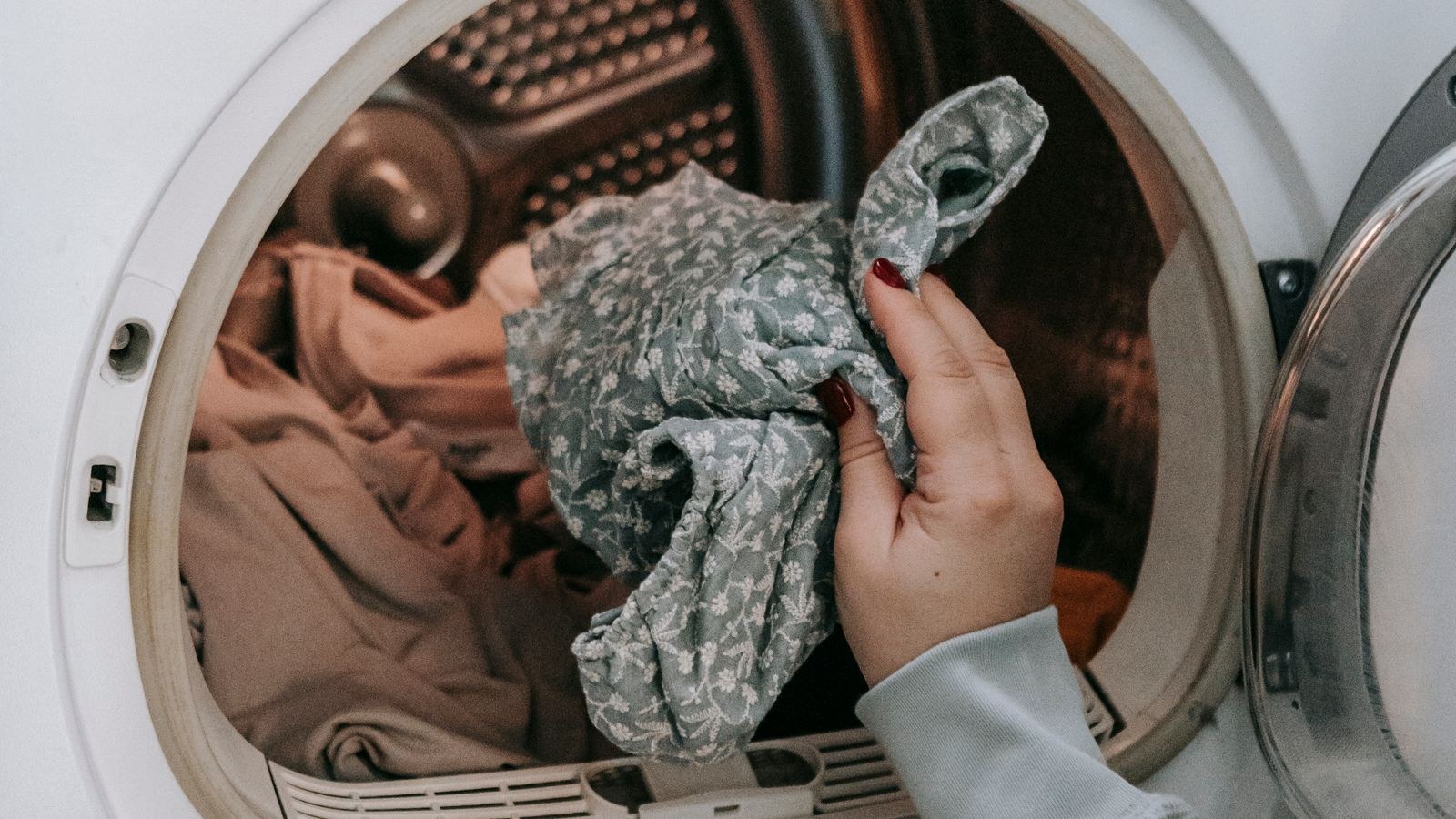
Read the Label Before You Touch the Machine
Somewhere on the cover — usually inside the zip flap or along a seam — there is a care label, and it overrides every general rule in this article. Look for two things: the wash symbol and the fibre content.
- Cotton and cotton blends shrink the most, typically three to five percent on a first hot wash. Cold water and no dryer are non-negotiable.
- Polyester and polyester blends are the most stable and forgiving, resisting shrinkage and wrinkling well.
- Linen shrinks readily and wrinkles heavily. Wash cold, and expect to put it back damp.
- Rayon and viscose lose strength when wet and often say dry clean only. Believe the label.
- Stretch and spandex blends tolerate washing but lose elasticity permanently under heat.
If the label is missing, treat the cover as cotton and wash it on the coldest, gentlest setting available. Fabric choice makes an enormous difference to how well a cover survives repeated laundering, which is worth thinking about before you buy — our roundup of the best covers for sofas notes which materials hold their shape through dozens of washes.
What You Need
- A mild liquid detergent, ideally colour-safe and free of optical brighteners
- A mesh laundry bag for any cover with ties, zips or elastic
- An oxygen-based stain remover for pretreating marks
- Distilled white vinegar as a natural softener and odour neutraliser
- A drying rack, clothes line or a large flat surface with towels
- A garment steamer or a spray bottle for wrinkles
Avoid chlorine bleach entirely, avoid heavy fabric softener that coats the fibres and reduces stain resistance, and use noticeably less detergent than you would for clothes. Upholstery fabric is dense and rinses poorly, so excess detergent stays in the weave and attracts dirt within days.
Step-by-Step Washing Process
- Remove the covers carefully. Unzip fully before pulling. Forcing fabric over a foam cushion with a partly closed zip is the fastest way to split a seam. Photograph how each piece sits on the frame if your sofa has several differently shaped covers.
- Label each piece. Use masking tape or safety pins to mark seat, back, left arm and right arm. Once four similar-looking covers are wet and tangled, telling them apart is genuinely difficult.
- Shake and vacuum first. Take them outside and shake hard, then vacuum both sides. Loose crumbs, sand and pet hair turn into a grey slurry in the drum and redeposit onto the fabric.
- Pretreat stains individually. Dab an oxygen-based remover onto marks and let it sit fifteen minutes. Rubbing hard here causes visible fibre fuzzing that survives the wash.
- Zip up and bag. Close all zips and fasten hooks so they cannot snag other pieces, then place delicate or elasticated covers in a mesh bag.
- Wash cold on the gentle cycle. Cold water, delicate or hand-wash setting, and the lowest spin speed the machine allows. Warm water is where shrinkage begins, and a hard spin sets deep creases that are miserable to remove later.
- Do not overload the drum. Wash one or two large covers at a time. A packed machine cannot rinse properly and leaves detergent behind, and the extra weight strains seams.
- Add vinegar to the rinse. Half a cup of white vinegar in the softener dispenser strips detergent residue, softens the fabric and removes any lingering odour without coating the fibres.
- Skip the dryer completely. This is the single most important step. Hang the covers over a rack, a line or a shower rail while still damp, reshaping the seams and corners with your hands as they hang.
- Put them back slightly damp. When the fabric is about eighty percent dry — cool and damp but not dripping — stretch it back onto the cushions and frame. It finishes drying in place, tightening to the exact shape of the sofa and pulling almost every wrinkle out on its own.
Rescuing a Cover That Has Already Shrunk
If the damage is done, there is one trick worth trying before you give up. Soak the cover in lukewarm water with a generous amount of hair conditioner for about half an hour, which relaxes the fibres. Then, while it is still wet, stretch it firmly in every direction and pin it out flat on towels at the size you need. Let it dry pinned. Cotton and linen respond reasonably well to this; polyester that has been heat-set in a dryer generally will not come back.
Alternatively, put the damp cover straight onto the sofa and let the frame itself do the stretching. This works surprisingly often for a cover that is only slightly too small, though you should expect to repeat it after every wash. Covers designed with generous seam allowances and stretch panels avoid the problem altogether, and the fitted styles in our guide to the best slipcovers for sofas are built to be laundered regularly.
Mistakes That Cause Shrinkage and Damage
- Hot or even warm water. Heat relaxes the fibre tension that the weaving process set, and the fabric contracts. Always cold.
- Tumble drying. Heat plus tumbling shrinks covers faster than washing ever does, and it is irreversible on synthetics.
- Washing everything at once. Overloading prevents rinsing and strains seams.
- Letting them dry completely off the sofa. Fully dry covers are stiff, wrinkled and much harder to refit.
- Bleach on coloured fabric. It yellows white covers over time and patches coloured ones.
- Ignoring a dry-clean-only label. Rayon and some linens genuinely will not survive a home wash.
- Direct sunlight for drying. Fast, but it fades dyes unevenly on the exposed side.
How Often and How to Reduce the Need
For an average household, washing every three to four months is about right. Homes with pets, small children or a sofa that doubles as a dining spot may want every six to eight weeks. Beyond that, frequent laundering wears the fabric faster than the dirt does, so spot clean between full washes wherever you can.
The easiest way to wash less often is to give the cover something to protect it. A throw across the seat and back takes the daily abuse and goes in the machine on its own with far less fuss, and the options in our best throws for sofas guide double as a quick way to hide wear. Choosing the right base fabric matters too: households under real pressure from kids and pets should look at the best family friendly sofas, while treated fabrics that repel liquids before they soak in are covered in the best stain resistant sofas. If your sofa has fixed upholstery rather than removable covers, the fabric quality carries even more weight, which is why the best fabric sofas comparison focuses heavily on weave durability.
Frequently Asked Questions
Can I wash sofa covers in a regular washing machine?
Yes, provided the label allows it and the cover fits the drum loosely. Very large sectional covers may need a laundromat machine or hand washing in a bathtub.
What temperature is safe?
Cold, around 30 degrees Celsius or lower. Only white cotton with an explicit hot-wash label should ever go warmer, and even then shrinkage is likely on the first wash.
Can I iron sofa covers?
Use the lowest setting, iron inside out and always over a pressing cloth. A steamer is safer and faster, and putting the cover on damp usually removes the need entirely.
How do I get rid of a musty smell?
Add white vinegar to the rinse and make sure the cover dries with good airflow. Musty odour almost always means the fabric stayed damp too long.
My cover no longer zips up. What now?
Try the conditioner soak and stretch method, or refit it damp and let the cushion push it back into shape. If it was tumble dried, it may be permanently smaller.
Final Thoughts
Washing sofa covers is easy once you accept the three rules that matter: cold water, gentle cycle, no dryer. Everything else — pretreating, bagging the zips, adding vinegar, labelling the pieces — simply makes the job tidier. Put the covers back while they are still slightly damp and let the sofa itself act as the drying frame, and you will get a taut, wrinkle-free fit without ironing. Do it that way and the same set of covers will look right after twenty washes instead of falling out of shape after two.