Owen Bradley
 Leather is the only sofa material where the label routinely misleads buyers about what they are actually buying. A tag reading “genuine leather” can describe a hide that will last thirty years or a glued composite that starts flaking off in strips before its third birthday. The terminology is technically accurate and practically useless unless you know the hierarchy behind it. This top-grain vs bonded leather guide explains what each grade physically is, how to identify it in a showroom or a product listing, and which one belongs in your living room given how you actually live. Get the vocabulary right and leather shopping becomes straightforward.
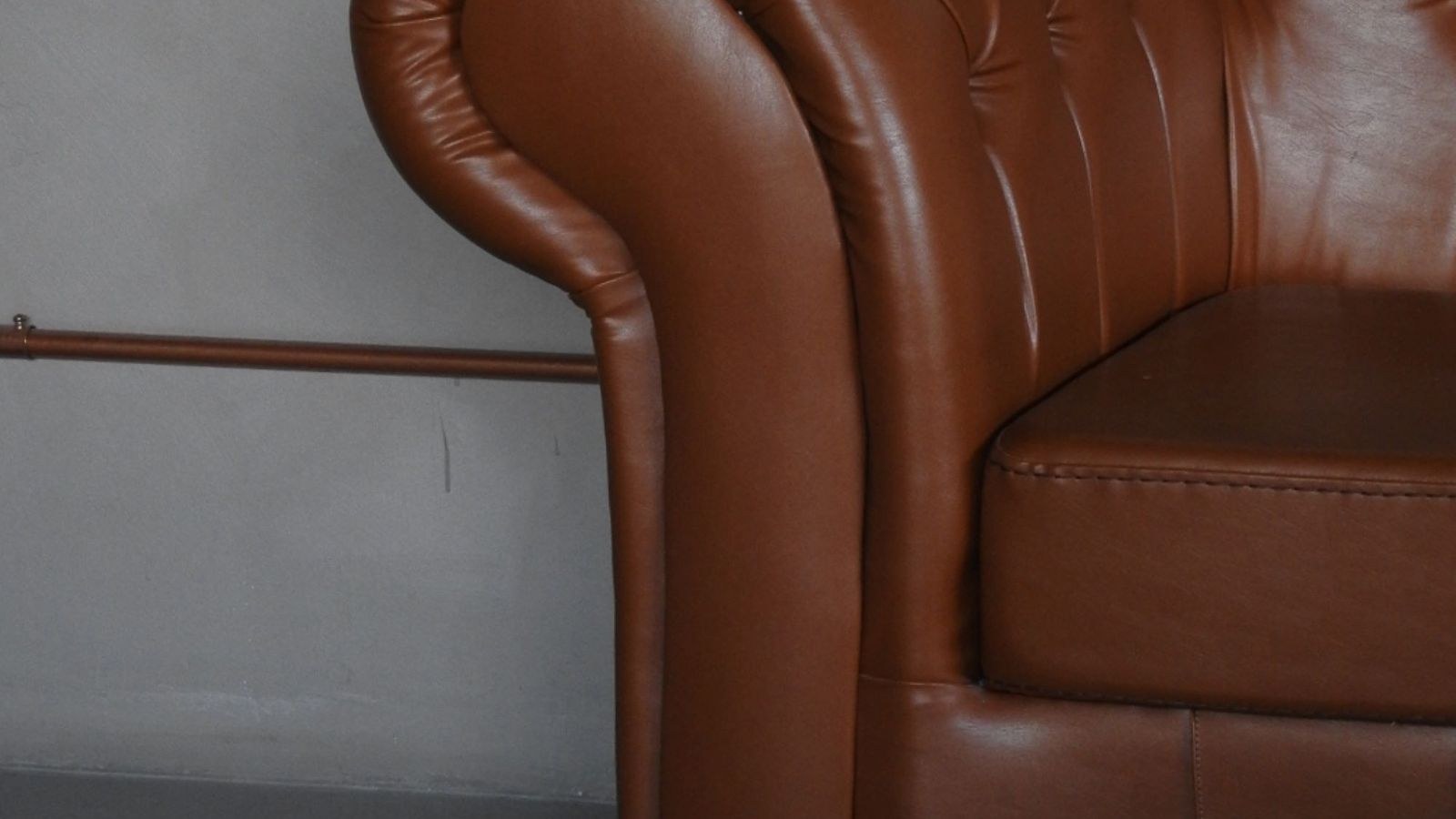
How a Hide Becomes Upholstery
Every grade starts with the same raw material: a cowhide, roughly 4 to 5 millimetres thick. That hide is split horizontally into layers, and which layer you get determines the grade. The outermost layer, where the hair grew, is the strongest because its fibres are dense and tightly interlocked. The deeper layers are progressively looser and weaker.
Understanding that single fact explains the whole hierarchy. Full-grain uses the outer layer untouched. Top-grain uses the outer layer lightly sanded. Split or genuine leather uses the lower layers. Bonded leather uses the leftover dust and scraps. The price differences follow the fibre density almost exactly.
Full-Grain Leather: The Top of the Range
Full-grain is the entire outer layer with nothing sanded away. It keeps the natural grain pattern, along with any scars, insect bites, and brand marks the animal carried. Because the tightest fibres remain intact, it is the strongest leather available and the only grade that reliably develops a genuine patina, darkening and softening into a richer surface over years of use.
The trade-offs are cost, colour consistency, and stain sensitivity. Full-grain is usually aniline or semi-aniline dyed, meaning the colour soaks through rather than sitting on a protective topcoat, so spills can mark and sunlight can lighten it. It also shows natural variation between panels, which some buyers read as authenticity and others as a defect. Expect full-grain to appear mostly above the $2,500 mark, often in the best Italian leather sofas category where full-aniline finishing is a house style.
Top-Grain Leather: The Practical Sweet Spot
Top-grain is the same outer layer with the surface lightly sanded to remove blemishes, then usually finished with a protective pigmented coating and an embossed grain pattern for consistency. You lose a little of the natural character and some breathability, and you gain durability against stains, fading, and everyday abuse.
For most households this is the correct choice. It retains the strong outer fibre structure, so lifespans of 15 to 25 years are realistic, but the protective finish means a spilled glass of wine is a wipe rather than a crisis. It is also more uniform in colour, which matters if you want a sofa that matches an existing scheme.
Two sub-types are worth knowing. Corrected-grain top-grain is heavily sanded and embossed, cheaper and very uniform but slightly less durable and noticeably plasticky to the touch. Semi-aniline top-grain has a light protective coat, keeping much of the natural feel with modest stain protection. If you want the practical grade without overspending, the shortlist of the best top grain leather sofas covers both variants, and the broader best leather sofas roundup shows how grade tracks price across the market.
How to Recognise Top-Grain by Touch
Press your thumb firmly into the surface. Genuine top-grain warms to your hand, creases slightly around the pressure point, and the crease relaxes back over a few seconds. It also has an irregular pore pattern when you look closely, and a faint natural smell rather than a chemical one.
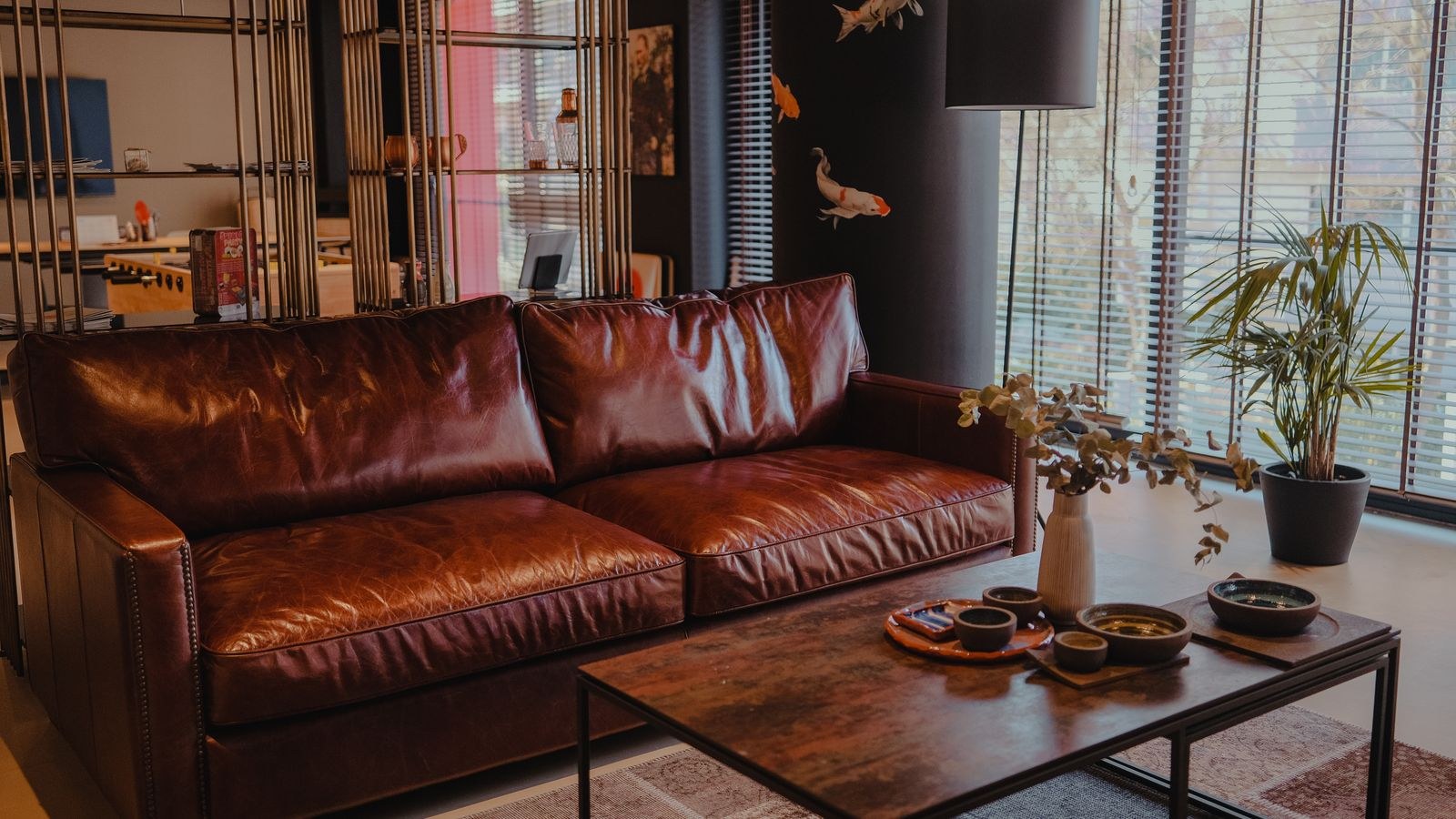
Genuine and Split Leather: The Confusing Middle
“Genuine leather” sounds like a quality endorsement. It is not. In the industry hierarchy it sits below top-grain and describes the lower splits of the hide, the looser fibre layers left after the top is removed. These are weaker, stretch more, and are usually heavily coated and embossed to look like better leather.
Split leather sofas are real leather and will outlast bonded, but they typically show wear at contact points within five to eight years and lack the tensile strength of the outer layer. When a listing says only “genuine leather” or “split leather” with no further detail, treat it as a mid-tier product at best, and check whether the price reflects that rather than top-grain expectations.
Bonded Leather: Why It Fails
Bonded leather is not a grade of hide. It is manufactured material: leather scraps and shavings are ground into a pulp, mixed with adhesive, spread onto a fabric or paper backing, then coated with polyurethane and embossed with a fake grain. Actual leather content is typically 10 to 20 percent by weight.
The failure mode is predictable and universal. Body heat, skin oils, and flexing break down the adhesive bond between the polyurethane surface and the backing. The surface begins to crack, then lifts, then peels away in flakes, usually starting on seat cushions and arm tops where contact is heaviest. This commonly begins between two and five years, and there is no meaningful repair; recoating products cover it briefly and fail again.
Watch for these terms on listings, all of which indicate bonded or similar composite material: bonded leather, reconstituted leather, blended leather, leather match on non-contact panels, and vaguely worded phrases like “leather-look” or “leather composite”. If a full-size leather sofa is priced under about $700, bonded is the near-certain explanation.
The Better Alternative Below Real Leather
If your budget will not stretch to top-grain, do not step down to bonded. Step sideways to a modern polyurethane faux leather instead. Good PU has no leather scraps to delaminate from, resists stains well, cleans with a damp cloth, and can run eight to ten years in normal use. It is also vegan and consistent in colour. Comparing the best faux leather sofas against bonded options at the same price makes the choice obvious once you understand the construction difference.
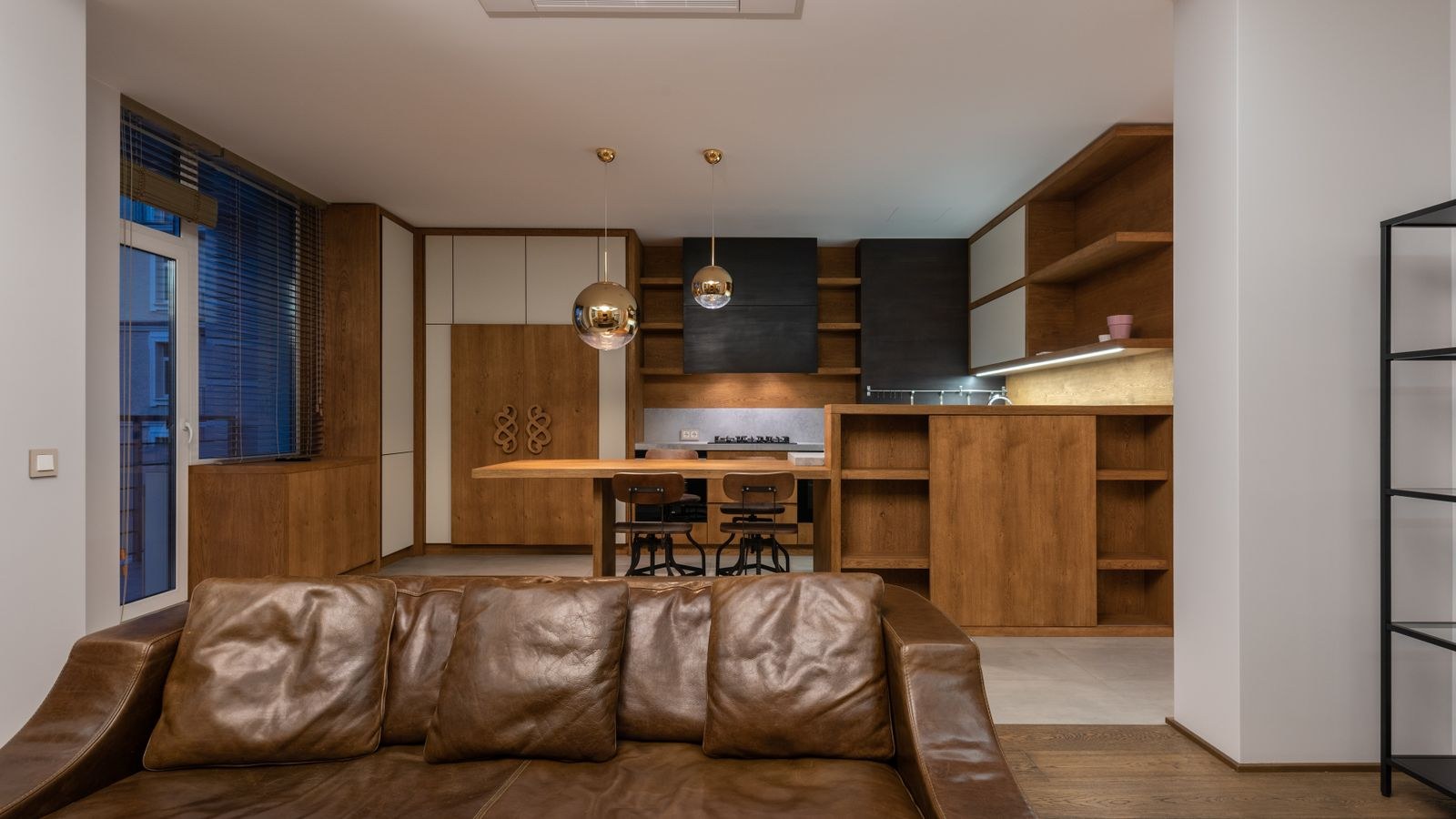
Leather Match: The Half-Truth to Watch For
Many sofas advertised as leather use real hide only on the seats, backs, and arm tops, with vinyl or bonded material on the sides, back panel, and underneath. This is called leather match, and it is not inherently dishonest, since the contact surfaces are the ones that matter most for wear and feel.
It becomes a problem in two situations. First, if the sofa floats in a room where the back is visible, the mismatch is obvious in texture and often in sheen. Second, the vinyl panels age differently from the hide, so after five years the colours diverge. Ask specifically which panels are hide, and inspect the back and sides before buying.
A Buyer’s Checklist for Leather Sofas
- Ask for the exact grade in writing — full-grain, top-grain, split, or bonded. “Genuine leather” alone is not an answer.
- Check which panels are hide and whether the piece is leather match.
- Press and release the surface. Real hide creases and relaxes; bonded stays stiff and springs back uniformly.
- Look at the edges under a cushion. Real leather shows a fibrous suede-like underside; bonded shows a woven fabric backing.
- Smell it. Hide smells organic; bonded and vinyl smell of plastic and adhesive.
- Read the warranty. Coverage under two years on the upholstery signals a composite surface.
Caring for Leather So the Grade Pays Off
Even the best hide fails early if neglected. Keep leather at least two feet from radiators, heating vents, and fireplaces, since dry heat pulls out the oils that keep it flexible. Avoid direct sunlight where possible, or use window film, because UV both fades and dries the surface.
Dust weekly with a dry cloth and vacuum the crevices with a soft brush attachment so grit does not abrade the finish. Condition with a product matched to your leather type every six to twelve months, or more often in dry climates. Blot spills immediately and never use household cleaners, solvents, or baby wipes, which strip the protective coating. Done consistently, this routine takes twenty minutes twice a year and adds many years to the sofa’s life.
Matching Grade to Budget
The practical mapping is fairly consistent. Below roughly $800, expect bonded or faux; choose faux. From $800 to $1,600 you find corrected-grain top-grain and leather-match constructions, which are perfectly reasonable for family use. From $1,600 to $3,000 you get genuine top-grain throughout with better frames, and this is where most buyers get the strongest return; the field of best leather sofas under $2,000 concentrates here. Above $3,000 you reach full-grain and full-aniline hides with hand-built frames intended to be reupholstered rather than discarded.
Frequently Asked Questions
Is “genuine leather” good quality?
No. It is a specific industry term for the lower splits of a hide, below full-grain and top-grain. It is real leather but noticeably less durable, so treat the label as a mid-tier signal rather than an endorsement.
How long does bonded leather last?
Typically two to five years before the polyurethane surface cracks and peels away from its backing. Heat, body oils, and flexing all accelerate it, and the damage cannot be meaningfully repaired.
Can I tell the grade by looking?
Often, yes. Real hide has irregular pores and natural variation, creases when pressed, and shows a fibrous underside at the edges. Bonded has a perfectly repeating embossed pattern and a woven fabric backing.
Is top-grain worth the extra cost over split leather?
Usually. Top-grain retains the dense outer fibre layer, which roughly doubles realistic lifespan compared with lower splits, and it resists stretching at seat and arm contact points far better.
Does full-grain leather stain easily?
More than protected top-grain, because aniline dyeing leaves the surface open rather than sealed. Blot spills instantly and condition regularly, or choose semi-aniline if your household is busy.
Final Thoughts
Leather grading is not marketing noise; it describes a physical reality about which layer of the hide you are sitting on, and that layer decides whether your sofa ages gracefully or disintegrates. Full-grain rewards patience and budget with decades of improving character. Top-grain is the sensible default for almost every household, balancing genuine durability against practical stain protection. Split leather is acceptable at the right price. Bonded is the one grade to refuse outright, and modern faux leather beats it comfortably at the same money. Ask for the grade in writing, inspect the edges and the back panels, and you will buy leather in 2026 that still looks good long after the receipt is forgotten.