Owen Bradley
 A safe is only as useful as your ability to open it quickly and your confidence that nobody else can. Both of those come down to the combination code, and most people set theirs badly, leaving the factory code in place or picking a birthday that appears on half the documents stored inside. The reset sequence differs between electronic keypads and mechanical dials, and getting it wrong mid-procedure can lock you out. This guide covers both types, explains how to choose a code that is memorable without being guessable, and shows what to do with the override key afterwards.
Know Which Lock Type You Have
There are three common mechanisms in household safes, and the reset procedure is completely different for each.
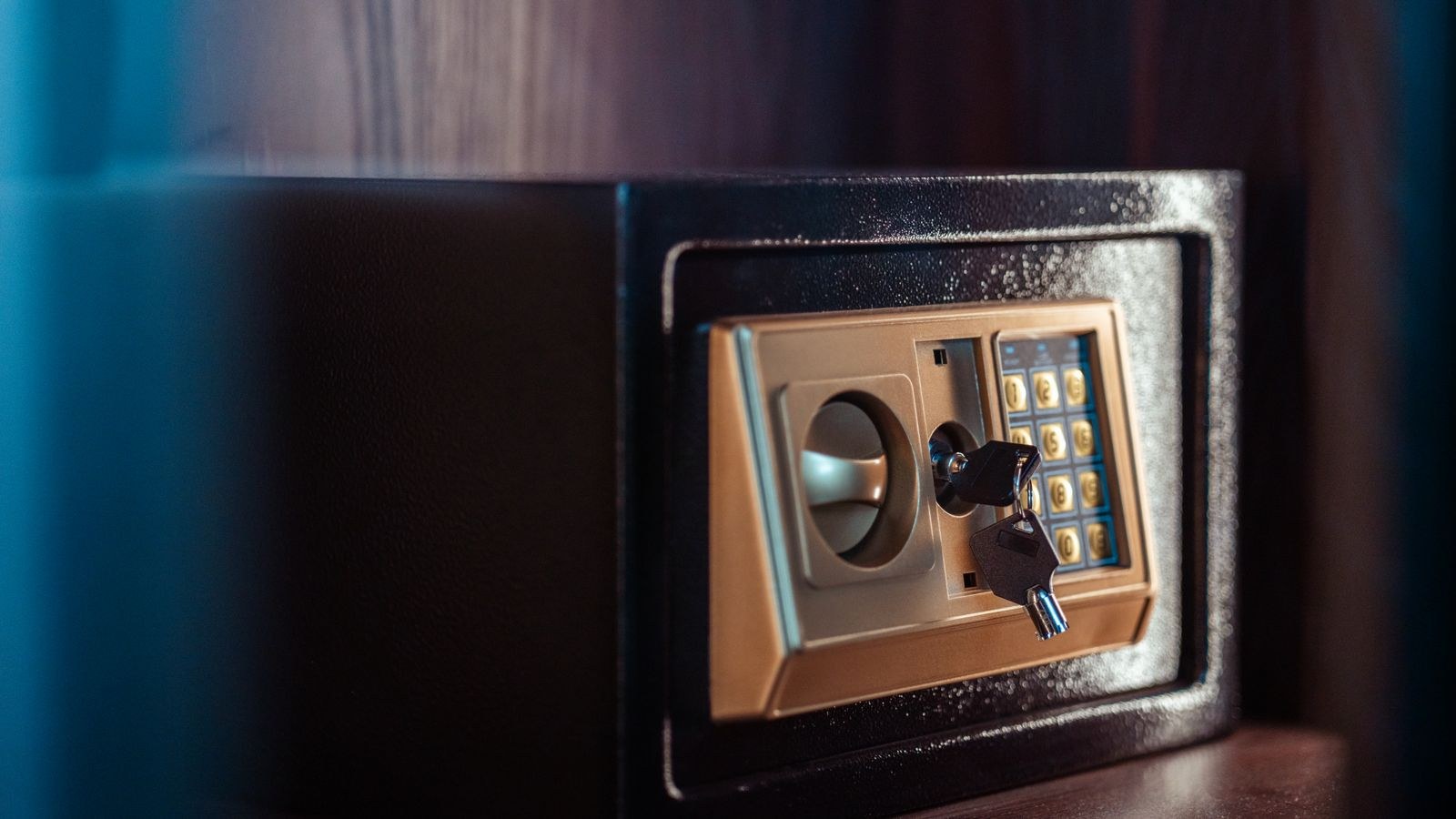
- Electronic keypad locks use a numeric pad, a battery compartment and usually a small red or black reset button inside the door. This is by far the most common type on modern home safes.
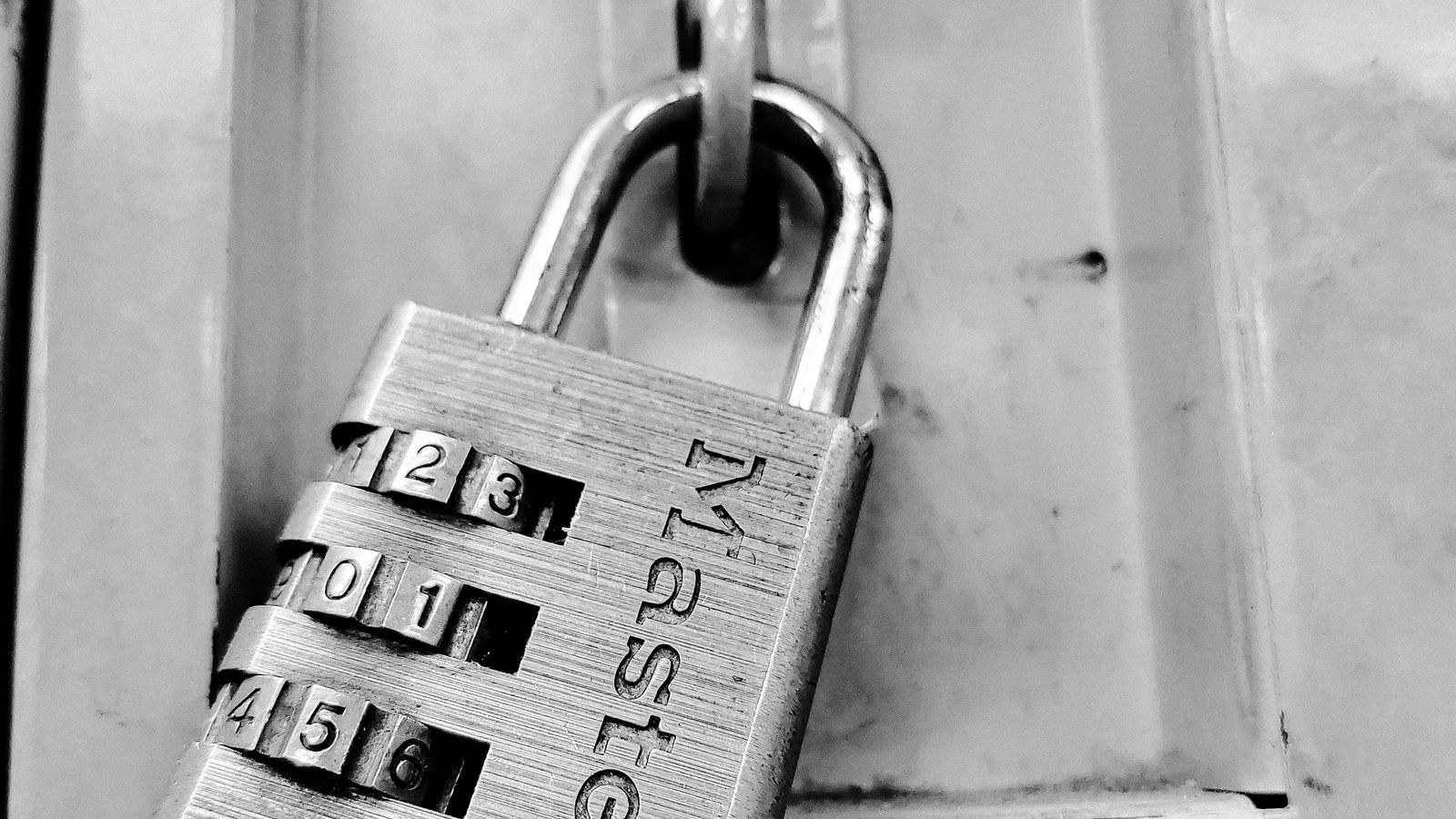
- Mechanical dial locks use a rotating dial with numbers around the edge. Changing the code requires a change key inserted into the back of the lock body, and many models are not user-resettable at all.
- Biometric locks read a fingerprint but almost always keep a backup numeric code, which you set the same way as a keypad lock. Enrolment of the fingerprint itself is a separate procedure.
Check the door label or the manual for a model number before you begin. If you no longer have the manual, the manufacturer almost certainly hosts a PDF, and it is worth two minutes of searching rather than guessing at button sequences. Shoppers still deciding between mechanisms will find the trade-offs laid out in our comparison of the best fingerprint safes.
Before You Start: Three Non-Negotiable Rules
- Leave the door open for the entire procedure. Never test a new code on a closed door. If the reset did not take, an open door is an inconvenience while a closed door is a locksmith call.
- Fit fresh batteries first on an electronic lock. A reset interrupted by a dying battery can leave the lock in an undefined state, and low power is behind a surprising share of failed code changes.
- Have the override key in your hand, not in a drawer. If anything goes sideways, the key is your way back in.
Setting a New Code on an Electronic Keypad Safe
The sequence below covers the overwhelming majority of consumer keypad safes. Some brands vary the button order slightly, so treat the manual as authoritative if it disagrees.
- Open the safe door and swing it wide. Keep it open until the final verification step.
- Locate the reset button. It sits on the inside face of the door, usually near the battery compartment or the boltwork housing, often as a small yellow, red or black button. Some models hide it behind a rubber cover.
- Press and hold the reset button until the keypad beeps or a green light illuminates. On most units a single beep confirms the lock has entered programming mode.
- Enter your new code on the keypad within the timeout window, typically 10 to 30 seconds. Most home safes accept three to eight digits.
- Press the hash, star or lock key to confirm, depending on your model. Two beeps generally signal a successful save; a long single tone usually means the entry was rejected.
- Test the new code twice with the door still open. Enter it, listen for the bolts to retract, then close the handle and repeat.
- Only now close the door and test once more from the outside.
If the lock rejects your new code repeatedly, the most likely causes are a code that is too short or too long for the model, or a timeout that expired while you were entering digits. Start again with the reset button and work briskly.
Changing the Code on a Mechanical Dial Safe
Dial locks are slower to reprogram and far less forgiving, but they never run out of battery. You need the change key that shipped with the safe, a thin cylindrical key that enters a hole in the back of the lock body inside the door.
- Dial the current combination and open the door, leaving it open and the bolts retracted.
- Re-dial the current combination on the open door, stopping on the last number at the change index rather than the opening index. The change index is usually marked at 11 o’clock, while the opening index sits at 12.
- Insert the change key into the hole in the lock housing and turn it 90 degrees, normally clockwise. It should turn smoothly; if it resists, your dialling was off and you must repeat from step two.
- Dial the new combination against the change index, following the same turn pattern as the original: four turns left to the first number, three turns right to the second, two turns left to the third.
- Turn the change key back 90 degrees and remove it. The new combination is now stored.
- Test the new code at least three times with the door open before you ever close it. Dial to the opening index this time, not the change index.
Never leave the change key inserted, and never turn it while the door is closed. Doing so is the classic route to a permanently locked safe requiring a drilling job.
Choosing a Code You Will Not Forget or Leak
The best code is one nobody could derive from documents you already leave lying around. That immediately rules out your street number, phone digits, wedding anniversary and any birthday in the household, all of which appear on the very paperwork inside the safe. Sequential runs such as 1234, repeated digits such as 5555, and the factory default printed in the manual are equally weak.
A better approach is to use a number that is meaningful to you but recorded nowhere: the mileage on your first car, the score of a memorable match, a childhood phone number from a house you no longer live in. Six digits gives a strong range of combinations while staying easy to enter under pressure. If several people need access, agree on the code together rather than sharing it by text message, and change it whenever someone with access leaves the household or the business. Guidance on multi-user access and audit trails features in our overview of the best office safes.
Where to Store a Written Backup
Writing the code down is not automatically a mistake, but writing it on a note taped inside a nearby drawer certainly is. Sensible options include a sealed envelope with a trusted relative, a password manager entry described obliquely rather than labelled “safe code”, or a bank deposit box. What matters is that the record lives somewhere physically separate from the safe itself.
Managing the Override Key
Nearly every electronic home safe ships with two override keys hidden behind a badge or a flip-down cover on the front. These bypass the code entirely, which makes them both your emergency lifeline and the weakest link in the whole system. Leaving them on top of the safe or in the desk beside it defeats the lock completely.
Store one key well away from the safe, ideally in a different room and inside something else that locks. Give the second to a family member or keep it off-site. Photograph the key code stamped on the bow, if there is one, so a replacement can be cut without the original. Compact cash boxes are especially prone to careless key storage, and the models covered in our guide to the best safes for cash vary widely in how well they conceal the override cylinder.
Common Mistakes to Avoid
Testing a new code on a closed door is the most damaging error, and it is entirely avoidable. Close behind it is leaving the factory default in place, which is published in a manual anyone can download by model number.
Another frequent slip is changing the code and then not telling the other people who rely on it, which typically surfaces at the worst possible moment. Some owners also reset codes so often that they lose track entirely; once or twice a year, plus after any access change, is plenty. Finally, weak batteries cause a large share of apparent code failures, so swap them annually as a matter of routine rather than waiting for the low-battery warning.
Troubleshooting
The keypad beeps but the bolts do not move
This is almost always low battery voltage. The electronics have enough power to beep but not enough to drive the motor. Fit fresh alkaline cells and try again.
The lock is in lockout mode
Most keypad safes disable entry for two to five minutes after three or five wrong attempts. Wait out the penalty period without pressing anything, then enter the correct code once, carefully.
I have forgotten the code entirely
Use the override key. If both keys are lost, contact the manufacturer with proof of purchase; many will supply a reset code or replacement key for a fee. Drilling by a locksmith is the last resort and usually destroys the lock.
The dial will not accept the new combination
The change key was almost certainly turned at a slightly wrong dial position. Recover using the old combination if it still works, and repeat the procedure slowly, counting rotations aloud.
Frequently Asked Questions
How many digits should a safe code have?
Six balances security and speed. Four is acceptable for low-value contents, while anything shorter is easy to guess or observe.
How often should I change it?
Once a year for a household safe, and immediately whenever someone who knew the code no longer needs access. There is no benefit to changing it monthly, and frequent changes increase the chance of forgetting.
Can two codes exist on one safe?
Many mid-range and business models support a master code plus one or more user codes, and some log which code opened the door. Check the specification before assuming your unit does.
Does the code survive a battery change?
Yes on virtually all modern safes, because the code is held in non-volatile memory. If yours reverts to the factory default after a battery swap, that is a fault worth raising with the manufacturer.
Are padlock combinations set the same way?
No, resettable padlocks generally use a small lever or shackle rotation rather than a keypad sequence. Our roundup of the best combination locks covers those mechanisms in detail.
Does the code affect fire protection?
Not directly, though a lock left in a half-programmed state may not fully throw the bolts, which does affect the door seal. Fire performance in the units listed among the best fireproof safes assumes the door is properly latched.
Final Thoughts
Setting a safe combination takes five minutes and protects everything the safe was bought for. Fit fresh batteries, keep the door open throughout, follow the reset sequence for your specific lock type, and test the new code several times before you ever swing the door shut. Choose digits that mean something to you and nothing to anyone reading your mail, store the override keys somewhere genuinely separate, and put a yearly reminder in the calendar to repeat the whole exercise. Do that and the lock will work the moment you need it, in 2026 and for many years after.