Owen Bradley
 Most people assume a carbon monoxide alarm is a simple pass-fail device: gas present, alarm sounds. In reality, a standard code-compliant alarm is engineered to stay deliberately silent at low concentrations for hours at a time. That is not a defect — it is written into the certification standard to prevent nuisance alarms. But it leaves a gap. Chronic exposure to modest CO levels can cause headaches, fatigue, nausea, and cognitive fog for weeks while every alarm in the house remains quiet. A low-level CO monitor closes that gap by displaying and alerting on concentrations far below the standard threshold. This guide explains how the two device types differ, who genuinely benefits from the extra sensitivity, what readings mean, where to place a monitor, and whether one belongs in your home in 2026.
What Standard CO Alarms Are Actually Designed to Do
Certified residential CO alarms are built to a specification that defines both when they must sound and when they must not. The must-not part is the surprise. Alarms are required to remain silent at concentrations below 30 parts per million, and may not alarm at 70 ppm for at least an hour.
The full response profile looks roughly like this:
- Below 30 ppm: must not alarm, at any duration.
- 70 ppm: must alarm between 60 and 240 minutes.
- 150 ppm: must alarm between 10 and 50 minutes.
- 400 ppm: must alarm within 15 minutes.
The logic is sound for its intended purpose. These devices exist to prevent acute poisoning and death, and the delays stop them screaming every time a boiler ignites or a car reverses out of an attached garage. A false alarm that leads to the unit being unplugged is a real safety hazard, so the standard trades away low-level sensitivity to keep alarms plugged in.
The consequence is that a house sitting at 25 ppm continuously — from a cracked heat exchanger, a partially blocked flue, or an unvented appliance — will have a perfectly functional, fully compliant alarm that never makes a sound. That situation is not immediately lethal, but it is not harmless either.
How a Low-Level Monitor Differs
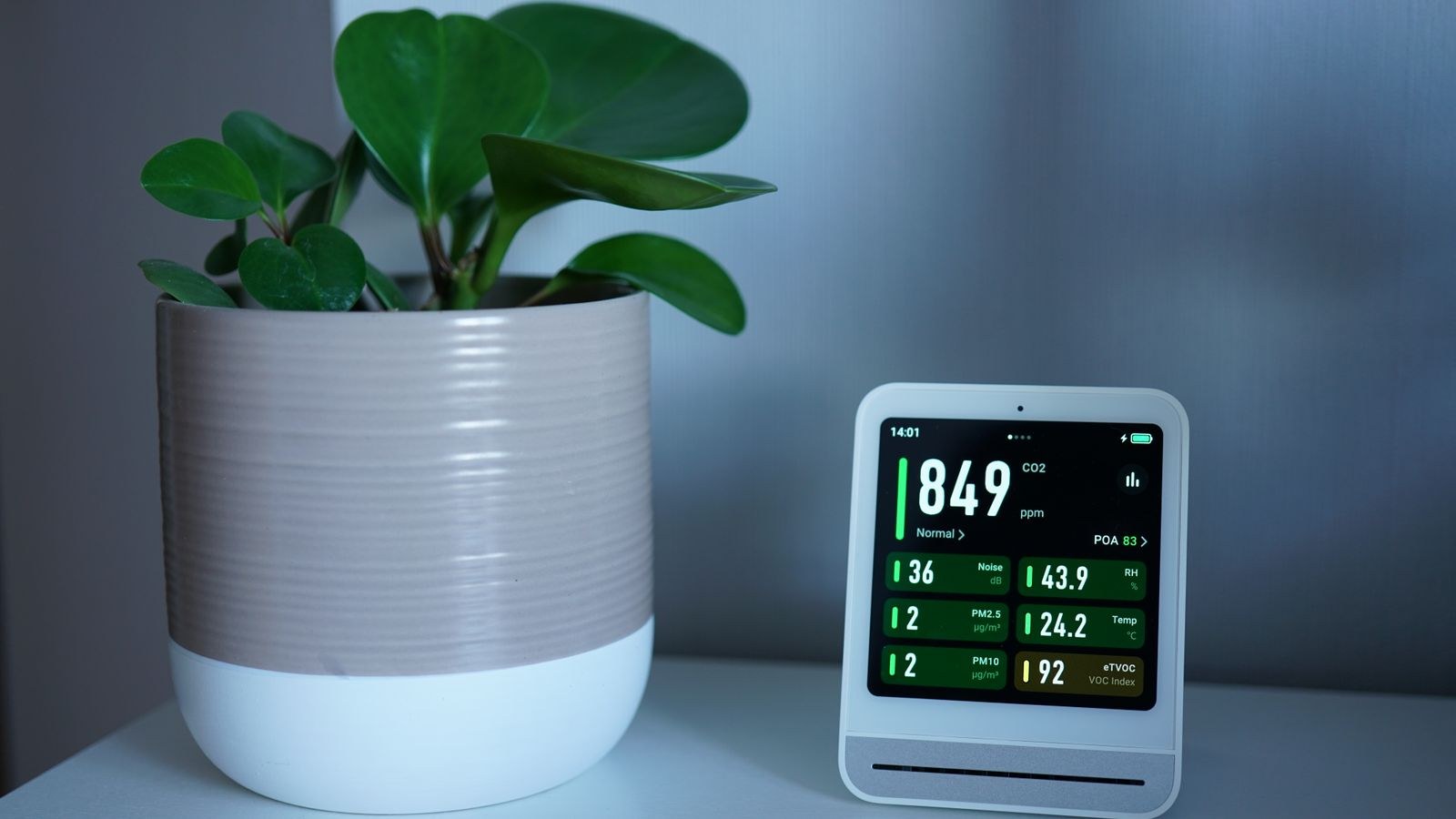
A low-level CO monitor uses the same electrochemical sensing principle but is calibrated and programmed differently. Rather than filtering out low readings, it displays them and alerts on them.
Typical behaviour includes:
- Continuous digital display from around 5 ppm upward, sometimes lower.
- An audible or visual alert at user-selectable thresholds — commonly 10, 15, or 25 ppm.
- Peak-reading memory so you can see the highest level recorded overnight or while you were out.
- Faster response times, often alerting within minutes rather than hours.
- Better resolution at the bottom of the scale, where standard alarms simply report zero.
Crucially, most low-level monitors do not replace a certified alarm for code purposes. They are supplementary instruments. You keep your code-compliant alarms and add a monitor for early warning. If you are still building out the compliant layer, a look at the best carbon monoxide detectors covers the certified units that satisfy the requirement.
What the Low Readings Actually Mean
Context helps here. Outdoor air in a clean rural area sits near 0 ppm; urban air near a busy road might reach 5 to 10 ppm. Inside a home with no combustion issue, a healthy baseline is 0 to 5 ppm.
Health guidance from several public bodies suggests keeping continuous indoor exposure below roughly 9 ppm over eight hours, and below 25 to 35 ppm over one hour. Symptoms of chronic low-level exposure — persistent headaches that clear when you leave the house, unusual tiredness, difficulty concentrating, flu-like feelings without a fever — often appear in the 10 to 40 ppm range, well beneath any standard alarm’s trigger point.
The “headache that goes away on holiday” pattern is the classic clue. If several people in a household feel better away from home, low-level CO is one of the first things to rule out.
Who Genuinely Benefits From One
Low-level monitors are not necessary in every home. They earn their place in specific situations:
- Households with older combustion appliances. An ageing boiler, furnace, or water heater with a corroding heat exchanger often leaks small amounts long before it fails outright.
- Homes with unvented or poorly vented appliances. Gas cooktops without a ducted extractor, unvented space heaters, and back-boilers all raise indoor baselines.
- Anyone with a heart or respiratory condition. CO binds to haemoglobin and reduces oxygen delivery, so people with angina, COPD, or anaemia are affected at lower concentrations than healthy adults.
- Pregnant occupants. Foetal haemoglobin binds CO more readily than adult haemoglobin, making low-level exposure disproportionately significant.
- Infants and elderly residents. Both groups show effects earlier and are less able to report symptoms.
- Homes with attached garages. Repeated small intrusions from engine starts accumulate in a tightly sealed house.
- Anyone investigating unexplained symptoms. A monitor turns a vague suspicion into a measurement.
- Tightly sealed or newly insulated homes. Better airtightness means less natural dilution of anything produced indoors.
If several of these apply, a monitor is a genuinely worthwhile addition. Comparing the current field of low-level carbon monoxide detectors is the quickest way to see which models offer adjustable thresholds and peak memory rather than just a lower fixed trip point.
Key Features to Compare
Display Resolution and Starting Point
The most important spec is where the display begins reporting. Some units show from 1 ppm, others from 5, and a few round everything below 10 to zero — which defeats the purpose. Look for a stated low-end resolution of 1 ppm if you want to track a baseline over time.
Adjustable Alert Thresholds
A fixed 10 ppm alert is useful in a rural home with a modern condensing boiler and irritating in a flat above a busy street. Adjustable thresholds let you set an alert level appropriate to your baseline, so the device stays useful rather than becoming background noise.
Peak Memory and Logging
Peak memory records the highest reading since last reset, which is what tells you something happened overnight while everyone slept. More capable instruments log readings over time and let you export them, which is invaluable evidence when calling out an engineer to inspect an appliance.
Sensor Life and Calibration
Electrochemical sensors are consumables. Consumer monitors typically last five to seven years and are replaced whole. Professional-grade instruments use replaceable sensor cartridges and expect periodic calibration against a known gas concentration, which costs money but keeps accuracy meaningful.
Power Source
Plug-in units with battery backup suit fixed monitoring locations. Fully battery-powered units can be moved around during an investigation, which is genuinely useful when you are trying to work out which room a source is in. Portable handheld meters take that further. If you want something you can carry from room to room, or take to a holiday rental, the best portable carbon monoxide detectors cover that use case specifically.
Where to Place a Low-Level Monitor
Placement follows most of the same logic as standard alarms, with one deliberate exception: you may actually want a monitor reasonably close to a suspected source, because the whole point is early detection rather than nuisance avoidance.
- In sleeping areas, at roughly head height near the bed, since overnight exposure is the main concern.
- In the room with the appliance, but a few feet away rather than directly over the flue, so you sample room air rather than exhaust.
- In the main living space, where people spend most waking hours.
- Adjacent to an attached garage, in the room sharing the connecting wall or door.
Avoid bathrooms and other humid rooms, unheated spaces outside the rated temperature range, and positions within a few feet of windows, extractors, or supply vents that will dilute readings and mask a genuine problem. Comparing the wider category of CO monitors is helpful when you want one fixed unit plus one you can move.
How to Use the Readings Sensibly
A monitor is only useful if you know what to do with what it tells you. A reasonable interpretation framework:
- 0–5 ppm: normal for most homes. Note it as your baseline.
- 5–15 ppm sustained: worth investigating. Check appliance servicing dates and ventilation. Not an emergency.
- 15–35 ppm sustained: ventilate, stop using suspect appliances, and book an engineer promptly.
- Above 35 ppm, or any reading accompanied by symptoms: open windows, turn off fuel-burning appliances, leave the building, and call the gas emergency number or fire service.
Never treat a low reading as reassurance to keep using a suspect appliance. A monitor detects a problem; it does not fix one, and CO output from a failing appliance can change dramatically with wind, temperature, and how long it has been running.
Establishing a Baseline First
Run a new monitor for a week before drawing conclusions. Note readings at different times: overnight, during cooking, while heating runs, and with the house empty. A spike that only ever appears when the oven is on points somewhere very different from a steady level that persists all night.
What a Low-Level Monitor Cannot Do
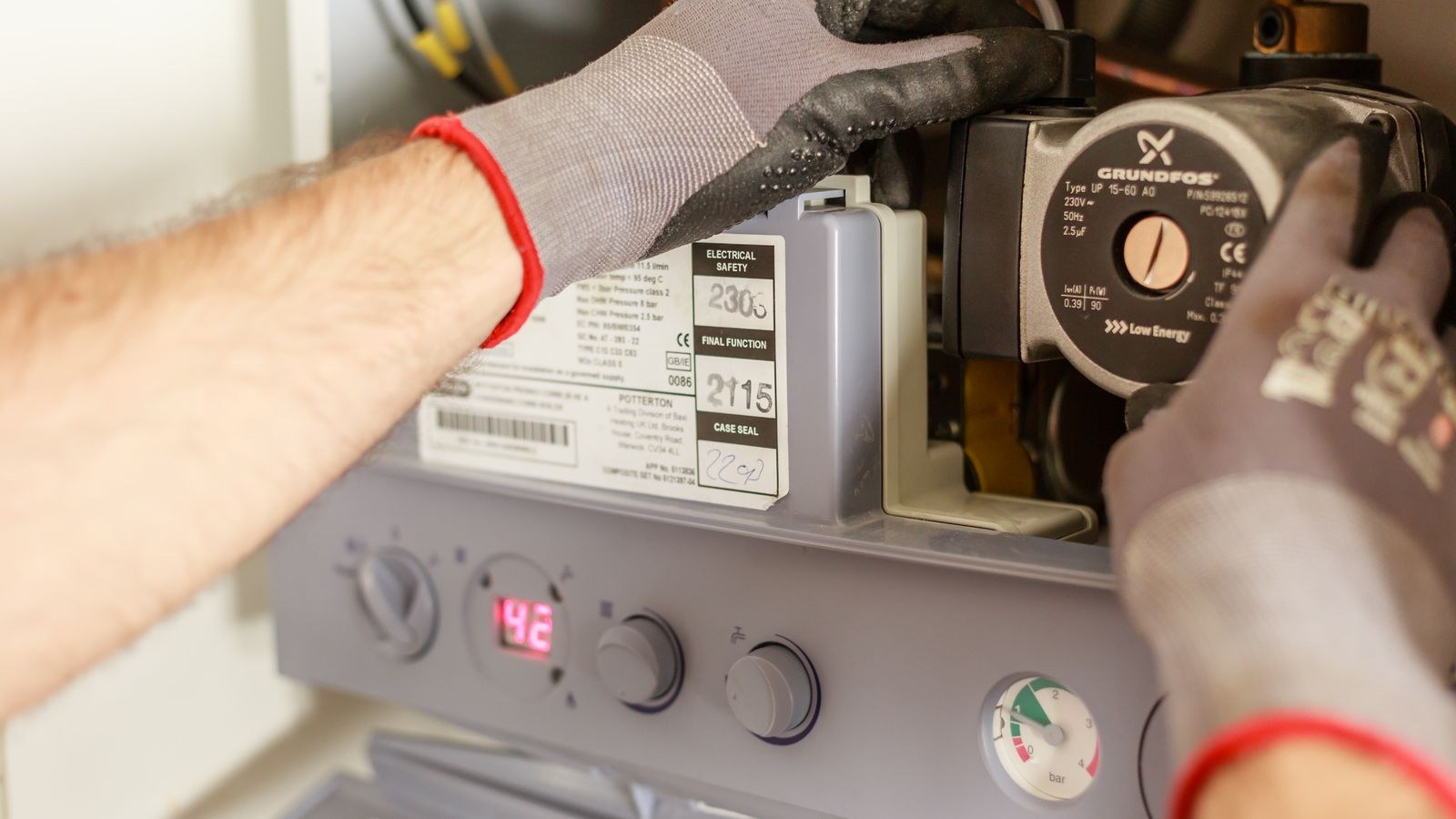
Managing expectations matters. A monitor is not a substitute for annual appliance servicing by a qualified engineer, because many faults produce intermittent CO that a spot reading will miss. It is not a code-compliant alarm unless it is separately listed as one. It does not detect natural gas leaks, propane, or smoke. And it will not tell you which appliance is responsible — only that something in the building is producing CO.
Treat it as an instrument that tells you when to call someone, not as a replacement for calling them. Most households will still want certified alarms as the primary protection, chosen from a full review of carbon monoxide monitors covering both certified and low-level types.
Frequently Asked Questions
Can a low-level monitor replace my regular CO alarm?
Usually no. Most low-level monitors are not certified as residential alarms and will not satisfy code or an inspection. Keep your compliant alarms and treat the monitor as an additional early-warning layer.
Is a reading of 10 ppm dangerous?
Not acutely, but it is above a healthy indoor baseline and should not be ignored if it persists. Sustained exposure in that range can cause headaches and fatigue, particularly in vulnerable people, and it usually indicates something is producing CO indoors.
Why does my monitor read higher in winter?
Heating appliances run more, windows stay shut, and airtightness increases. Reduced ventilation concentrates whatever is being produced. A seasonal rise is common but a large one is worth investigating.
How long do these sensors last?
Consumer models typically five to seven years from manufacture, printed on the housing. Professional instruments use replaceable sensor cartridges and generally expect annual calibration to stay accurate.
Do I need one if my appliances are new?
Less urgently, though new appliances can still be incorrectly installed or vented. If nobody in the house is in a vulnerable group and appliances are modern and serviced, certified alarms alone are a reasonable position.
Will cooking on a gas hob set it off?
It may produce a short rise, especially without an extractor running. That is exactly the kind of information a low-level monitor is meant to surface — persistent kitchen readings point to a ventilation problem worth solving.
Final Thoughts
Standard CO alarms do their job well: they prevent acute poisoning and they avoid nuisance trips. What they do not do is tell you that your home has been sitting at 20 ppm every night for a month. A low-level CO monitor fills that blind spot, and for households with older combustion appliances, attached garages, or anyone vulnerable to reduced oxygen delivery, it is a small cost for a meaningful amount of information. Keep the certified alarms as your safety net, add a monitor as your early warning, and act on what it shows you rather than waiting for something loud to happen.