Owen Bradley
 Home security marketing tends to start at the wrong end. It shows you a slick camera app, a glowing keypad, and a monthly subscription, then asks you to imagine the worst. But most break-ins are opportunistic, quick, and stopped by unglamorous things: a solid deadbolt, a lit driveway, a visible camera, and a door that does not give way on the first kick. That is good news for anyone shopping on a budget, because the cheapest layers are also the most effective ones. This guide walks through home security on a budget in the order you should actually buy, what each tier realistically costs, and what it genuinely prevents. Spend in this sequence and a few hundred dollars in 2026 buys more protection than a poorly chosen thousand-dollar package.
Understand What You Are Actually Defending Against
Before spending a dollar, get clear on the threat. The overwhelming majority of residential burglaries are committed by people who want to be in and out in under ten minutes, who enter through a door or a ground-floor window, and who choose the house that looks easiest on the street. They are not defeating a lock; they are kicking a doorframe, sliding a patio door off its track, or walking through an unlocked garage side door.
That profile has a direct budget implication. Money spent making entry slower, noisier, and more visible outperforms money spent on sophisticated detection. A camera that records a burglary in 4K is useful evidence, but a door that refuses to open is the outcome you actually want. Buy prevention first and documentation second.
Do a Ten-Minute Walk-Around First
Walk your property at night as if you were trying to get in. Note which windows are hidden by shrubs, which doors sit in darkness, whether the garage side door has a real lock, and how easily someone could reach a second-floor window from a fence or shed. Write down every weakness you find. That list, not a product catalogue, is your shopping order.
Tier One: Doors, Frames, and Locks
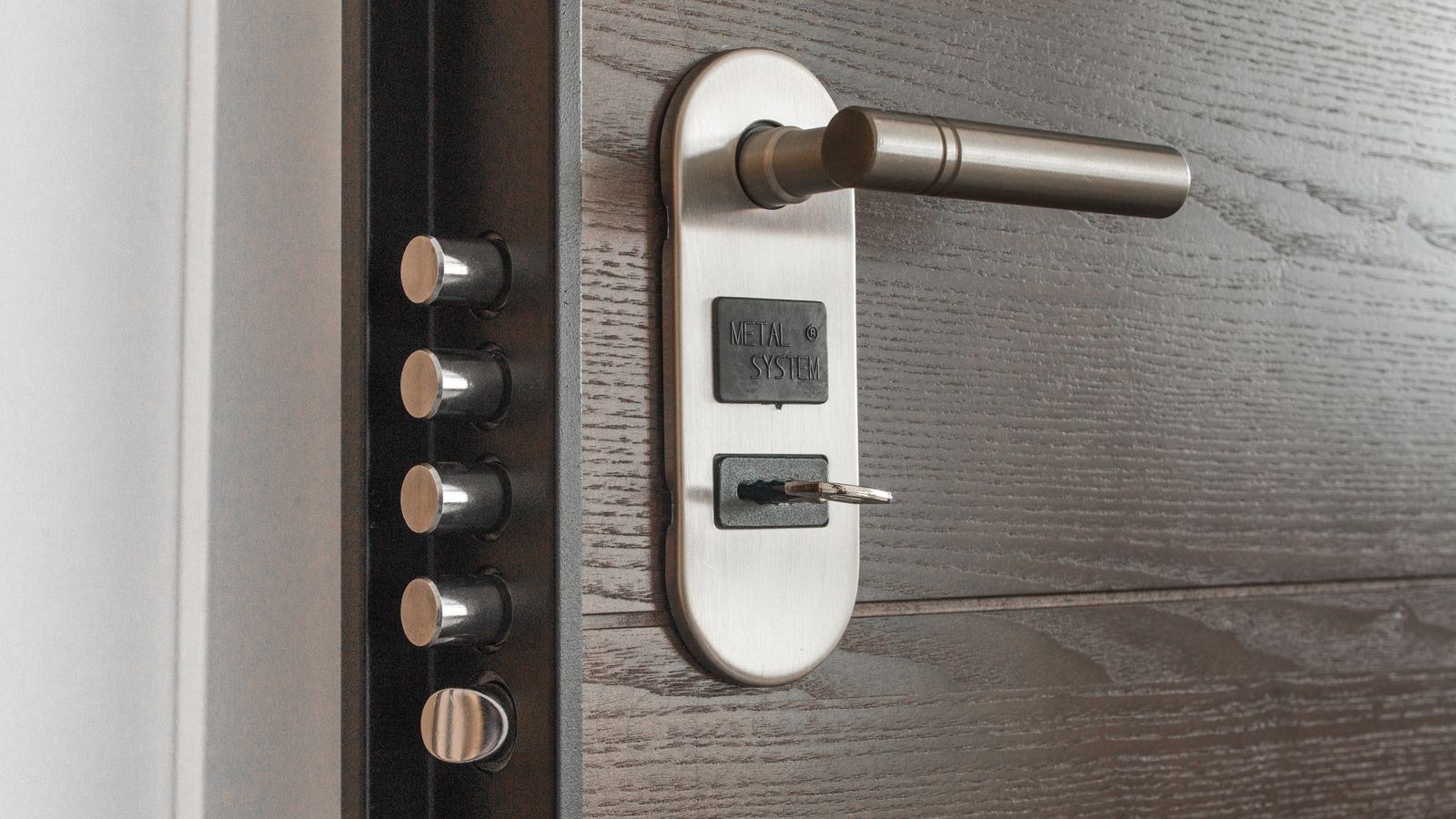
The first money you spend should go into the entry points themselves. A quality deadbolt with a hardened bolt at least one inch long, installed on a solid-core or metal door, is the foundation. Expect to pay roughly $30 to $80 for a good mechanical deadbolt, and more for a smart version. But the deadbolt is not usually the failure point.
The failure point is the strike plate. Most homes ship with a thin plate held by half-inch screws that bite only into soft door jamb trim. A $12 reinforced strike plate secured with three-inch screws that reach the wall stud transforms kick resistance more than any other single purchase in this guide. Do the same for the hinge screws on outward-facing doors. If you are choosing new hardware, our roundup of the best door locks for home security compares bolt construction and strike reinforcement across price bands.
Windows and Sliding Doors
Sliding patio doors are the classic weak spot, and the fix is nearly free. A cut length of dowel or a $10 adjustable security bar in the track stops the door from sliding even if the latch is defeated. Anti-lift screws in the upper track prevent someone popping the panel off its rollers. For ground-floor windows, inexpensive sash locks or pin locks let you leave a window open a few inches for ventilation without leaving it openable from outside.
Tier Two: Lighting and Visibility
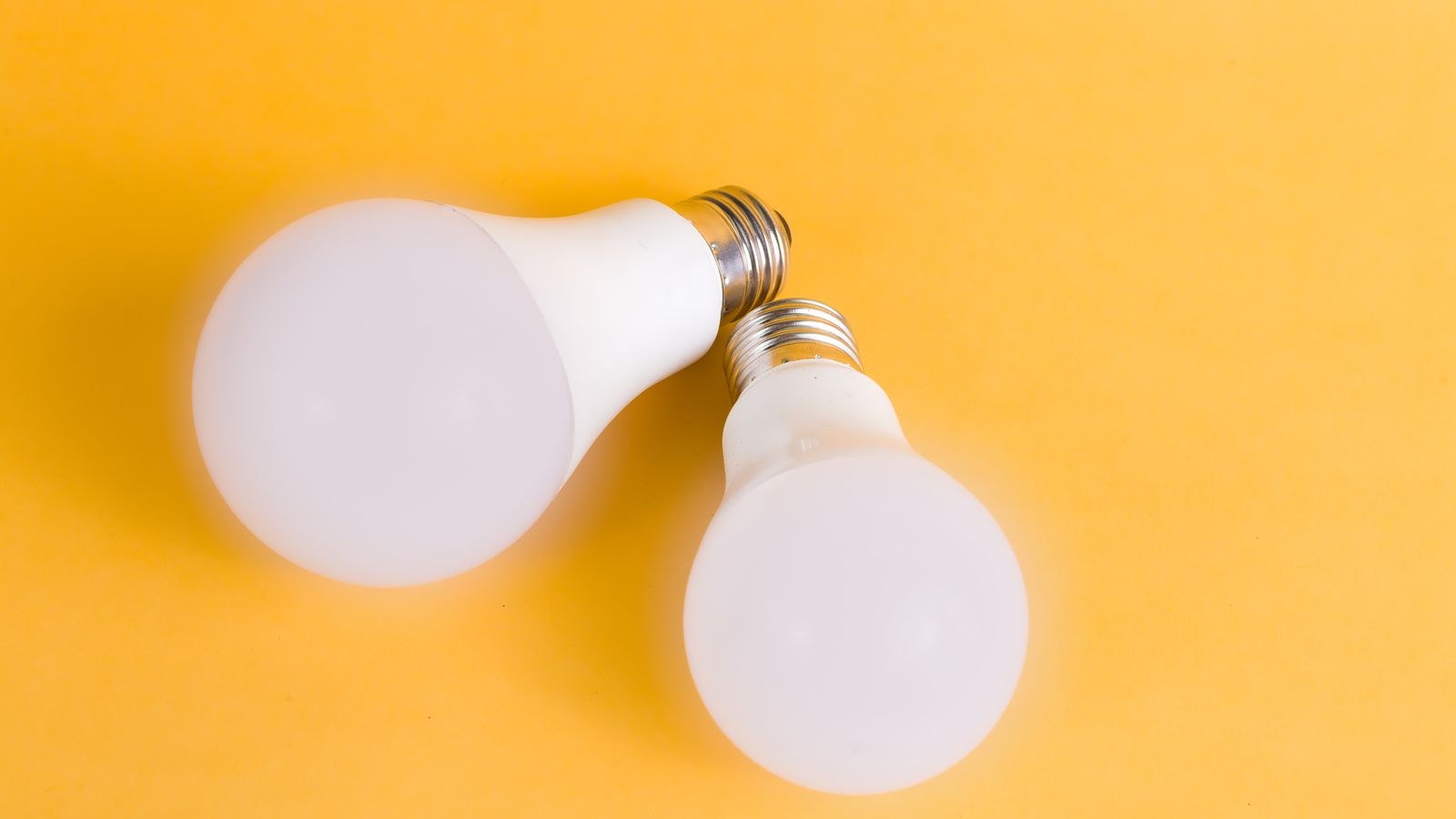
Lighting is the cheapest deterrent per dollar available. Motion-activated LED fixtures cost roughly $20 to $50 each, use very little power, and remove the darkness that opportunists depend on. Prioritize the front door, the back door, the garage side door, and any hidden corner your walk-around flagged.
Pair lighting with sightlines. Trim shrubs below window height, cut back branches that screen an entry, and remove the privacy that helps an intruder work unseen. Solar motion lights are useful where wiring is impractical, though they perform best on south-facing walls with genuine sun exposure. A well-lit, open frontage often ends the decision before anyone approaches the door.
Tier Three: Your First Camera
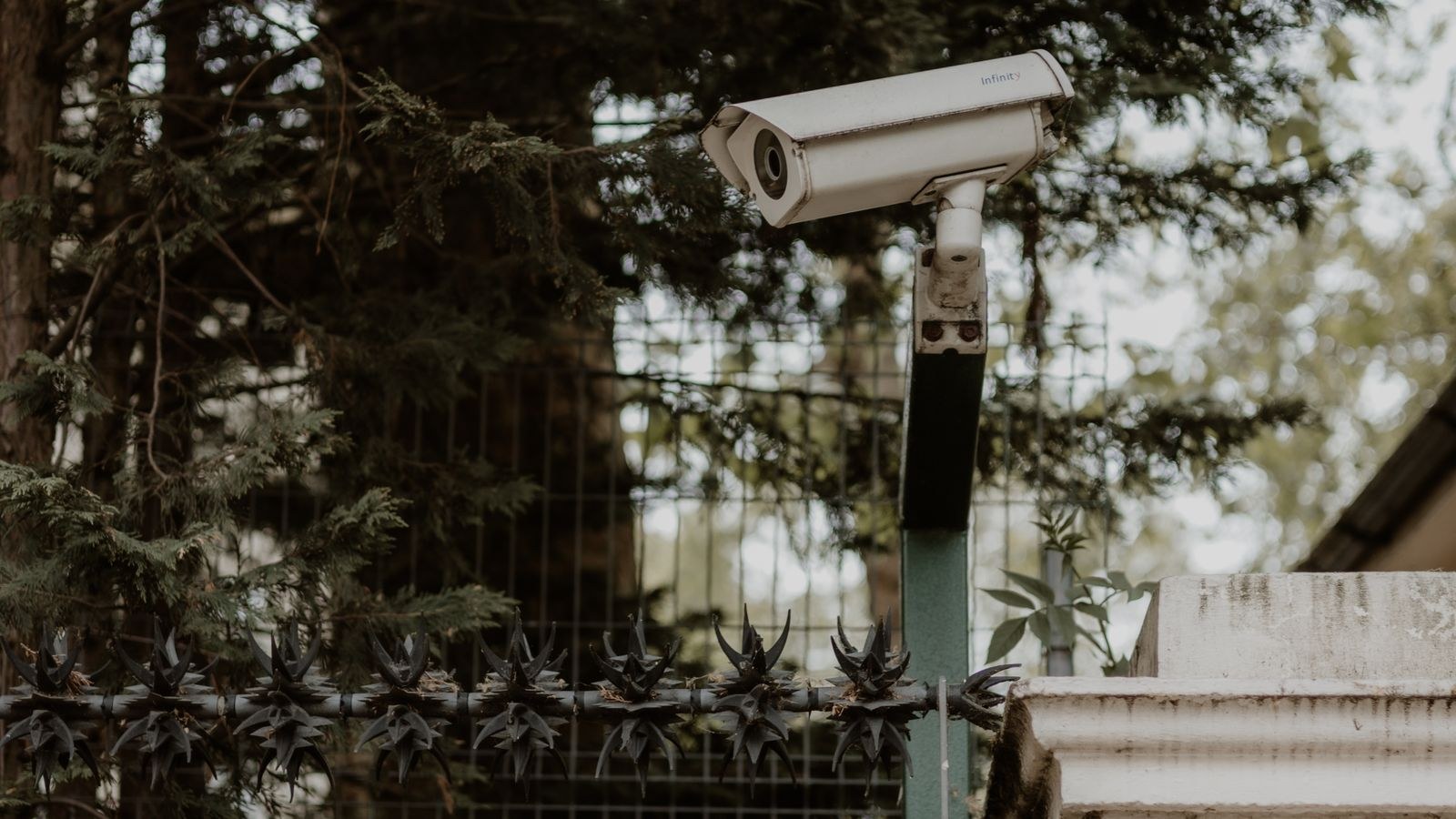
Only after hardware and lighting are handled does a camera earn its place. One well-positioned camera covering your main approach beats four badly placed ones. Mount it high enough to be out of easy reach but angled low enough to capture faces rather than the tops of heads, and make sure it frames the path people must walk rather than a wide, useless expanse of lawn.
Budget cameras have improved enormously. In the $30 to $70 range you can reasonably expect 1080p or better resolution, infrared night vision, two-way audio, motion alerts, and local storage on a microSD card. Verify weather rating for anything outdoors, and check whether the features you care about require a subscription. Our comparison of the best affordable home security cameras and the guide to the best low cost security cameras both separate models that work fully offline from those that gate basic recording behind a monthly fee.
Subscription Costs Are the Real Price Tag
A $35 camera with a $6 monthly cloud plan costs more than a $90 camera with free local recording within two years. Before buying, ask three questions: can it record without a subscription, can I view a live feed for free, and does the free tier keep clips long enough to be useful? Local microSD storage is the budget shopper’s friend, though a determined thief can take the camera and the card together, so pair local storage with a modest free cloud tier where possible.
Tier Four: Alarms, Sensors, and Doorbells
Once entry points are hardened, lit, and watched, sensors add the layer that gets you notified in real time. A basic DIY kit with a hub, a keypad, a siren, and a handful of door and window contacts typically runs $150 to $300. The siren matters more than the app: a loud local alarm ends most intrusions immediately, whether or not anyone is monitoring the feed.
Expandable kits let you start small and add sensors one room at a time as money allows. Focus your first contacts on the doors an intruder would actually use, then add a motion sensor covering the hallway or landing that connects the entry points. Our roundup of the best DIY home security systems covers self-monitored kits with no contract, while the guide to the best affordable security camera systems is worth reading if you eventually want several cameras recording to one shared box.
Video Doorbells Earn Their Keep
A video doorbell is one of the few devices that pays off daily rather than only in emergencies. It documents deliveries, screens unfamiliar callers, and covers the exact spot most intruders approach first. Wired models that replace an existing chime avoid battery hassles; battery models suit homes with no doorbell wiring. Either way, confirm the field of view reaches the ground so you can see packages, not just faces.
What to Skip When Money Is Tight
Several popular purchases deliver poor value early on. Glass-break sensors are prone to false triggers and address an entry method that is loud and comparatively rare. Indoor pan-and-tilt cameras in every room add cost and privacy exposure without covering more entry points. Professional monitoring contracts locked to multi-year terms can quietly double the lifetime cost of an otherwise cheap system.
Also be wary of unbranded cameras from unknown sellers. Poor firmware support means unpatched vulnerabilities, and a camera an outsider can reach is worse than no camera at all. A slightly more expensive device from a company that still issues updates is the better budget decision.

Free and Nearly Free Measures That Work
- Lock everything, every time. A large share of entries involve an unlocked door, window, or garage. This costs nothing and prevents the most.
- Do not advertise absence. Hold mail, avoid posting travel plans publicly, and put a lamp or two on inexpensive timers.
- Hide the temptations. Keep bikes, tools, and ladders out of sight, and do not leave gift boxes for expensive electronics at the curb.
- Know your neighbours. Someone who notices an unfamiliar van outside your house is worth more than another sensor.
- Secure the garage. Cover door windows, lock the interior door to the house, and use a zip tie or shield on the emergency release cord.
A Realistic Budget Plan
If you have around $100, buy reinforced strike plates and long screws for every exterior door, a patio door bar, window pin locks, and one motion-activated light for the darkest entry. That is the highest return per dollar in home security, full stop.
Around $250, add a good deadbolt where the existing one is weak, two more motion lights, and one solid outdoor camera with local storage covering your main approach. Around $500, layer on a video doorbell and an expandable DIY sensor kit with a loud siren, keeping self-monitoring to avoid recurring fees. Beyond that, additional cameras cover secondary approaches and a small network video recorder consolidates footage.
Buy in Stages, Not in One Cart
Spreading purchases over several months has a hidden advantage beyond cash flow: you learn how you actually use each device before adding the next. Many people discover after a month that they ignore motion alerts from a busy street-facing camera, or that a second sensor on a rarely used door was unnecessary. Let real usage guide the next purchase rather than guessing at the outset.
Maintenance Keeps Cheap Gear Effective
Budget equipment fails quietly. Batteries in door sensors die, camera lenses fog or collect spiderwebs, firmware goes unpatched, and microSD cards wear out after months of continuous overwriting. Put a recurring reminder in your calendar every three months to check every battery, clean every lens, confirm each device is still online, and verify that recordings from last week are actually retrievable.
Change default passwords on every connected device, enable two-factor authentication on the app account, and keep cameras on a network you control. Security hardware that has not been checked in a year should be treated as decorative until proven otherwise.
Frequently Asked Questions
Do fake cameras and alarm signs work?
Signs and stickers have some deterrent value and cost almost nothing, so they are worth adding. Dummy cameras are less convincing up close and provide no evidence if something happens. Use signage as a supplement, never as a substitute for a real deterrent.
Is a monitored system worth the monthly fee?
It depends on who responds. If you live alone, travel often, or would not notice a phone alert, professional monitoring adds genuine value. If you are usually reachable and have neighbours nearby, a loud siren plus self-monitoring covers most scenarios at no recurring cost.
How many cameras does a small home need?
Start with one at the primary entry, then add a second covering the rear or garage approach. Two well-placed cameras cover the routes most intruders use. Adding more before you have hardened doors and added lighting spends money on watching rather than preventing.
Should I choose wired or wireless cameras on a budget?
Wireless is cheaper to install and easier to reposition, which suits renters and first-time buyers. Wired cameras are more reliable and never need recharging, so they suit permanent placements where you can reach power. Many budget builds mix both without any problem.
Can renters improve security without modifications?
Yes. Door reinforcement bars, portable travel locks, track bars for sliding doors, adhesive window alarms, plug-in lamp timers, and battery cameras on removable mounts all install without drilling. Strike plate screws are also usually acceptable, since they are a repair rather than an alteration.
Final Thoughts
The most common budget mistake is buying detection before deterrence. A camera tells you what happened; a reinforced frame, a bright light, and a locked patio bar decide whether anything happens at all. Work through the tiers in order, spend the first hundred dollars on hardware that makes entry slow and loud, add lighting where darkness helps an intruder, then bring in one good camera and expand only when a real gap appears. Keep an eye on subscription costs, check your gear every quarter, and remember that the habits are free. Approached this way, home security on a budget in 2026 is less about what you can afford and more about the order in which you buy it.