Owen Bradley
 A smart bedroom setup has one job that matters more than all the others: helping you sleep and wake better. Every other feature is decoration. That single criterion rules out most of what gets sold as bedroom automation and points directly at a short list of things that genuinely work, namely warm dimmable lighting on a schedule, light control that reaches the bed without a phone, blinds or curtains that manage morning light, and routines quiet enough not to wake anyone. This guide covers how to build that, in what order, and which popular ideas actively make sleep worse.
Light Is the Whole Game
Your body reads light as the primary signal for when to be alert and when to wind down. Bright, blue-heavy light in the evening delays the natural onset of sleepiness; warm, dim light in the last hour before bed does the opposite. Morning light does the reverse job, telling your system the day has started. Every worthwhile bedroom automation is built on those two facts.
In practice that means you want lighting that changes color temperature and brightness through the day rather than lighting that changes color for fun. Tunable white is the feature to pay for. A bulb that runs at a cool 4000K during the day and drops to a deep warm 2200K after dinner will do more for your sleep than any tracking gadget. Comparing the best smart bulbs should start with the color temperature range and, critically, how low the bulb can dim without flickering or cutting out. Many budget bulbs bottom out around 10 percent brightness, which is still far too bright for a bedroom at midnight.
The Deep Dim Test
Before committing to bulbs for the whole room, buy one and test it at its lowest setting in a fully dark room at night. If it flickers, buzzes, or is still uncomfortably bright, it is the wrong bulb for a bedroom regardless of its other features. This one test prevents the most common bedroom lighting regret.
Lamps Beat Ceiling Fixtures
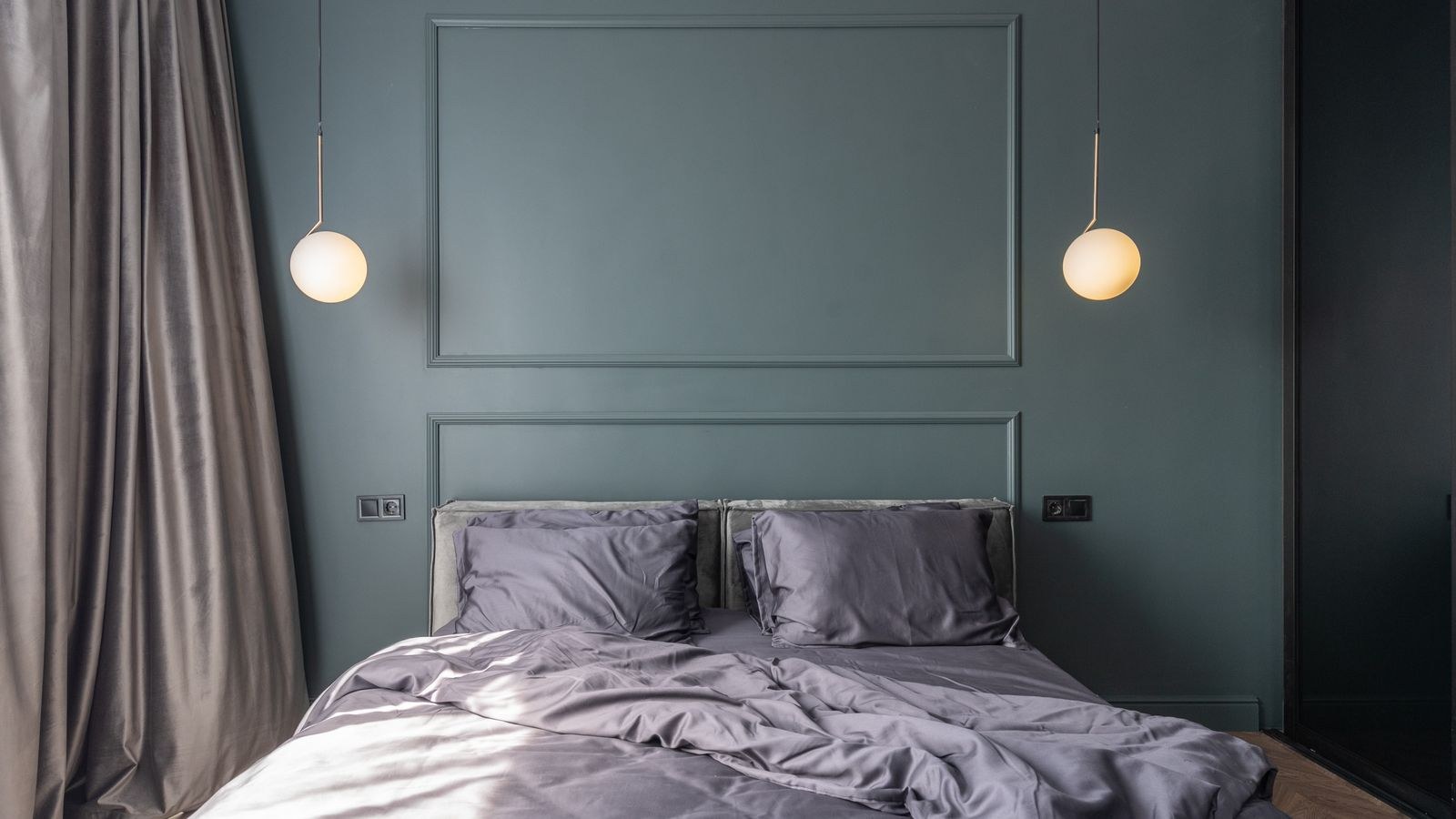
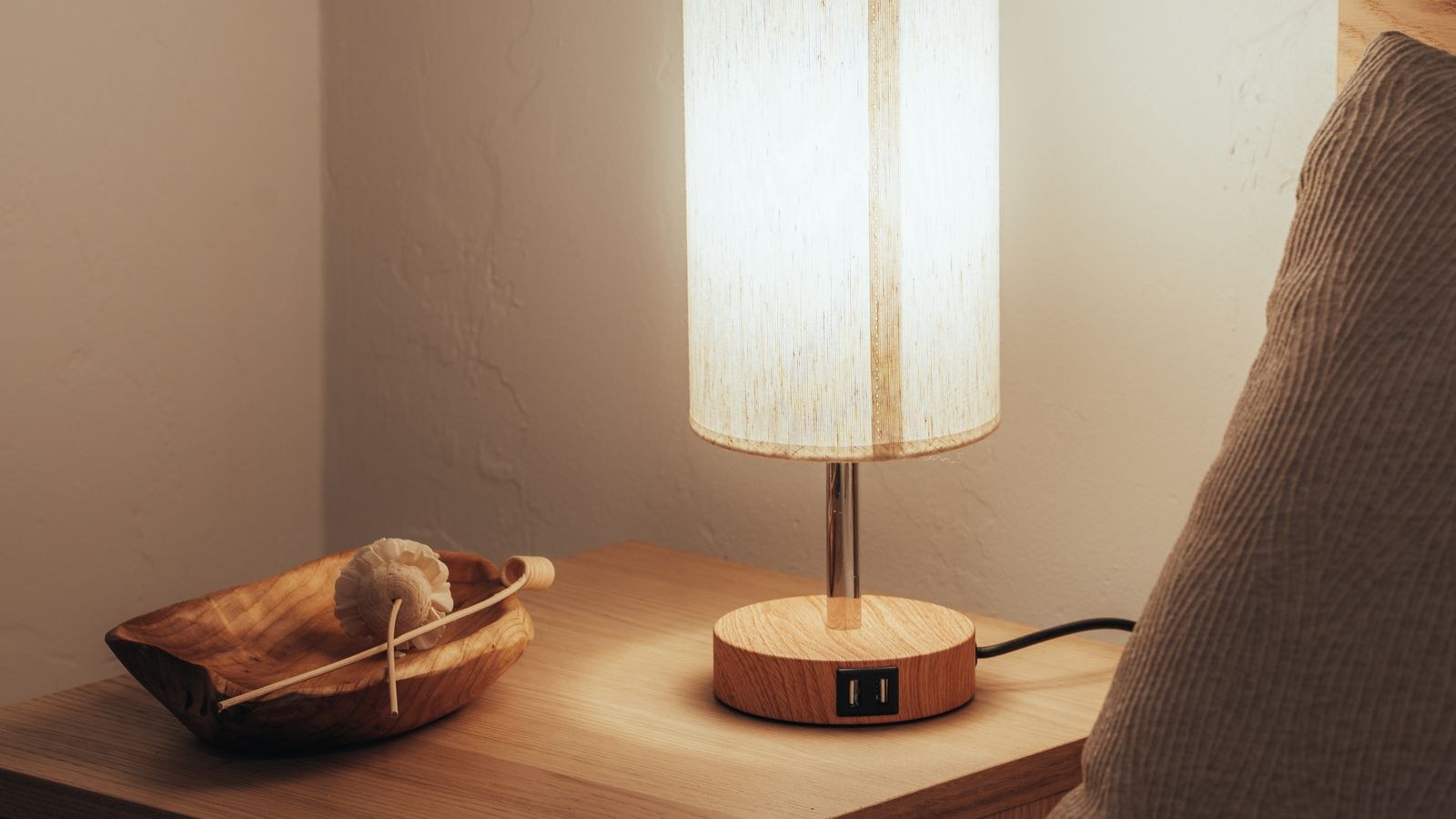
Overhead light is the enemy of a calm bedroom. It shines directly into your eyes when you are lying down and it is almost always too bright. The better architecture is two bedside lamps plus optional accent lighting, with the ceiling fixture reserved for cleaning and finding lost things.
Dedicated smart lamps solve several problems at once: they contain their own controllable light source, they do not depend on a wall switch staying on, and many include physical touch controls so a partner can adjust them without a phone. Some also offer sunrise and sunset simulation built in. Looking through the best smart lamps is worthwhile if you want a single device rather than a lamp plus bulb plus switch combination.
For the specific goal of protecting evening melatonin, some people go further and use dedicated warm amber lighting for the last hour before bed. Very low color temperature bulbs sit in that niche, and reviewing the best red light bulbs for sleep shows the range from deep amber reading lamps to soft nightlight-level options for hallway trips.
Control at the Bedside Without a Phone
Here is the failure mode that kills most smart bedrooms: turning off the lights requires unlocking a phone, opening an app, waiting for it to connect, and tapping. That is a bright screen and a small dose of frustration at exactly the wrong moment. Any bedroom setup that depends on a phone at bedtime will be abandoned.
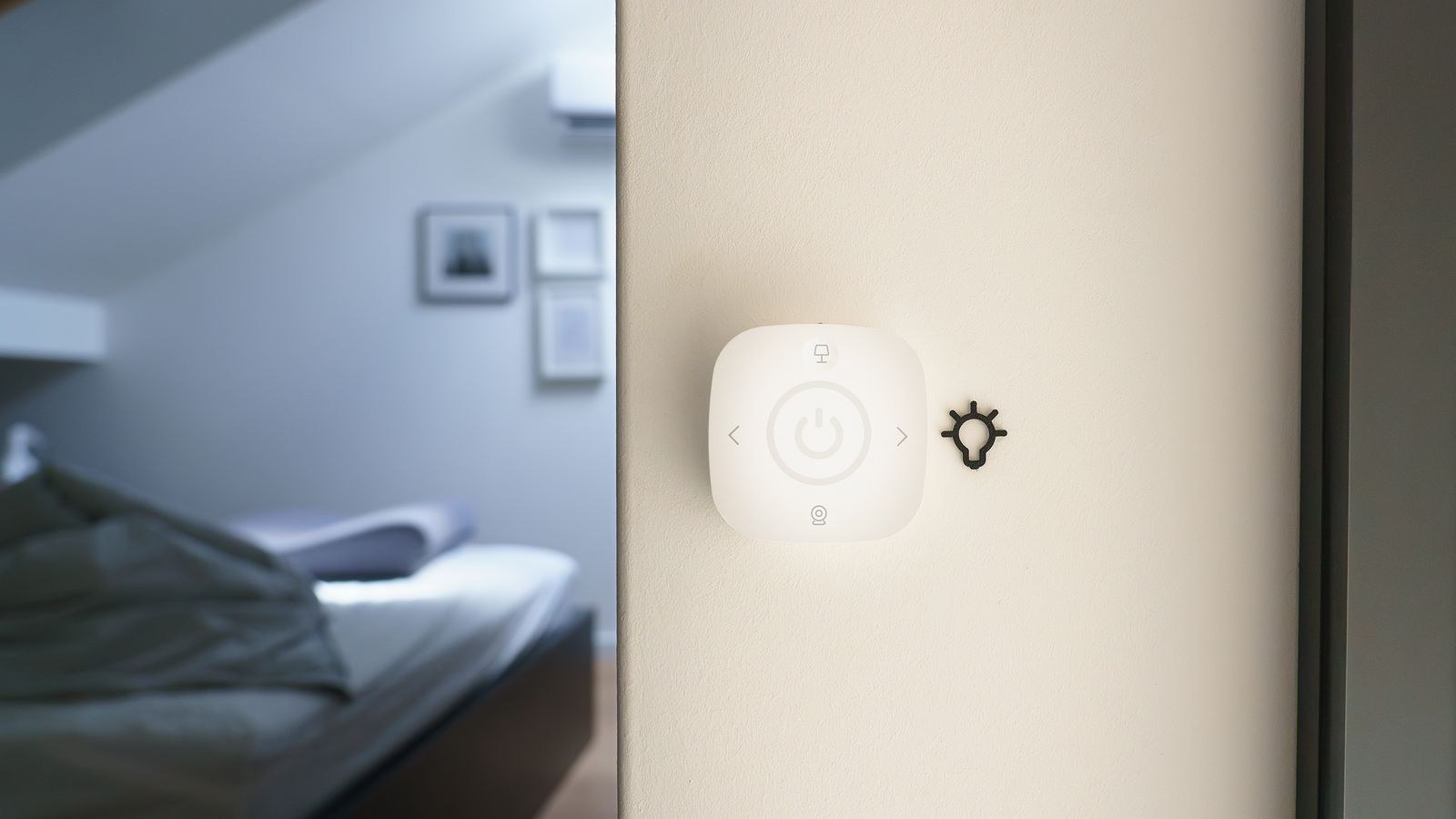
The fix is a physical control at the bed. A battery-powered wireless button or scene controller mounted on the nightstand or stuck to the wall beside the headboard turns off every light in the room with one press. A second button can trigger a dim path light for a bathroom trip. These devices need no wiring, use adhesive or a small screw, and last a year or more on a coin cell. Scanning the best wireless light switches shows options from single paddles to multi-button controllers that handle several scenes at once.
Voice control is the other option, and it works well as a supplement rather than a replacement. Speaking at normal volume wakes a sleeping partner, so a button is usually the better primary control with voice as backup.
Window Coverings and Morning Light
Automated curtains or blinds are the most underrated bedroom upgrade. In the evening they close on schedule and block streetlights and neighbors’ security floods. In the morning they open slowly, letting natural light do the waking rather than an alarm. That gradual light wake-up is noticeably gentler than sound for most people, and it keeps working on weekends when no alarm is set.
Retrofit motors that drive existing curtain rods are the accessible option and require no replacement of the curtains themselves. Full motorized roller blinds cost more and look cleaner. Either way, the key spec for a bedroom is noise: a motor rated above roughly 40 dB will wake a light sleeper, which defeats the purpose. Battery-powered models need charging every few months unless you add a small solar panel at the window. The field of best smart curtains spans both retrofit and replacement approaches at very different price points.
If blackout performance matters, remember that automation does not fix light leaking around the edges of a blind. Side channels or an overlapping curtain do more for darkness than any motor.
Climate, Sound and Air
Bedroom temperature matters nearly as much as light. Most sleep research points to a cooler room than people typically keep, and a scheduled drop of a few degrees an hour before bed is one of the easiest automations to set up. If you cannot change the thermostat, a smart plug on a fan or a small heater achieves a similar effect on a schedule.
White noise from a smart speaker or a dedicated device masks street sounds and household noise. Set it to start with the bedtime routine and stop in the morning rather than running around the clock. Air quality sensors are optional but useful in a closed bedroom, where carbon dioxide climbs overnight and can leave you groggy; a sensor that prompts you to crack a window makes a real difference in a small, sealed room.
Two Routines Worth Building
The Wind-Down
Triggered by time or by a button press. Lights drop to 20 percent and shift to their warmest setting. Curtains close. The thermostat lowers a few degrees. White noise starts. Any lights elsewhere in the house that are still on turn off. This should run without you touching anything, and it should be overridable with one press.
The Wake-Up
Starts 20 to 30 minutes before your alarm. Bedside lamps ramp from zero to a moderate brightness in warm white, gradually shifting cooler. Curtains open partway. Nothing makes a sound until the actual alarm, so the light is doing the work. On weekends, the same routine runs later, or skips the sound entirely.
The Middle-of-the-Night Path
A motion sensor near the floor triggers a very dim amber light along the route to the bathroom, only between midnight and 5 a.m. Set the brightness so low it feels almost too dim. Bright light on a night trip is what makes it hard to fall back asleep. For a deeper look at how these sequences are constructed and layered, the smart lighting automation guide covers triggers, conditions, and how to avoid routines that fight each other.
What to Skip
- Color-cycling light shows. Fun for a week, then never used, and saturated colors are poor for winding down.
- Cameras. A bedroom is the one room where a connected camera creates more risk and discomfort than benefit.
- Bright status LEDs. Any device with an always-on indicator will annoy you at 3 a.m. Cover them or choose devices without them.
- Automations that cannot be overridden. If a partner cannot turn a light on manually, the system has failed.
- Motion sensors aimed at the bed. They trigger every time someone rolls over.
Setup Order
- Two tunable white bulbs or lamps at the bedside, tested at minimum brightness first.
- A wireless button within arm’s reach of the bed for all-off and dim-path scenes.
- A wind-down routine on a schedule, then a gradual wake-up routine.
- A very dim night path light on a floor-level motion sensor with a time condition.
- Automated curtains or blinds, chosen for quiet operation.
- Climate, white noise, and air quality once the lighting layer is solid.
Frequently Asked Questions
Do warm bulbs actually help you sleep?
Reducing bright, blue-heavy light in the hour before bed is one of the better-supported sleep habits. Warm dim lighting makes that habit easy to keep, which is where most of the practical benefit comes from.
What is the best way to turn everything off at night?
A single physical button at the bedside that triggers an all-off scene. It is faster and far less disruptive than a phone or voice command.
Will automated curtains wake a light sleeper?
Some will. Check the noise rating and prefer motors rated below about 40 dB. Slow-opening modes are also quieter than full-speed operation.
Should the bedroom have a smart speaker?
It is useful for alarms, white noise, and voice control, but choose one with a hardware microphone mute and place it away from the headboard so its indicator light is not in your eyeline.
What if my partner hates automation?
Keep every manual control working exactly as before and make routines easily overridable. Automation that removes control is the fastest way to lose household buy-in.
Final Thoughts
Judge every bedroom device against one question: does this help me fall asleep faster or wake up better? Warm dimmable lighting, a bedside button, quiet motorized curtains, and a cooler nighttime temperature all pass. Color shows, cameras, and phone-dependent controls do not. Build the lighting layer properly first, add a wind-down and wake-up routine, and refine from there. Approached this way in 2026, a smart bedroom stops being a collection of gadgets and becomes something closer to a well-designed sleep environment.