Owen Bradley
 When you shop for an all-in-one (AIO) liquid cooler, the radiator size printed on the box is the first number that jumps out at you. A 240mm unit sounds modest, a 360mm unit sounds serious, and it is tempting to assume that bigger is simply better. The reality is more nuanced. Radiator size does matter, but it matters in specific ways that depend on your CPU, your case, your noise tolerance and your budget. This guide breaks down the 240mm vs 360mm AIO debate so you can pick the radiator that actually fits your build instead of defaulting to the largest one on the shelf.
What Radiator Size Actually Measures
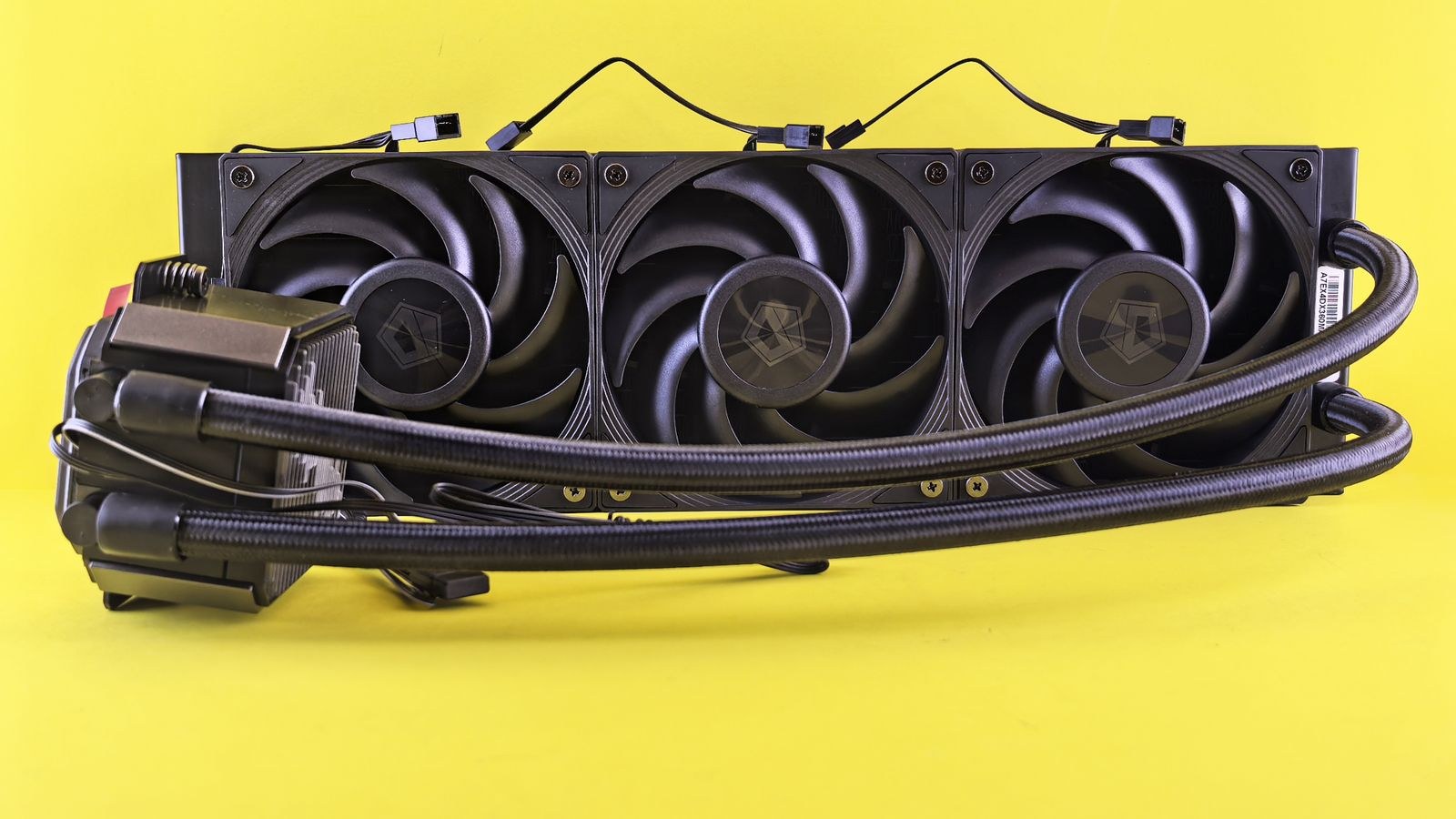
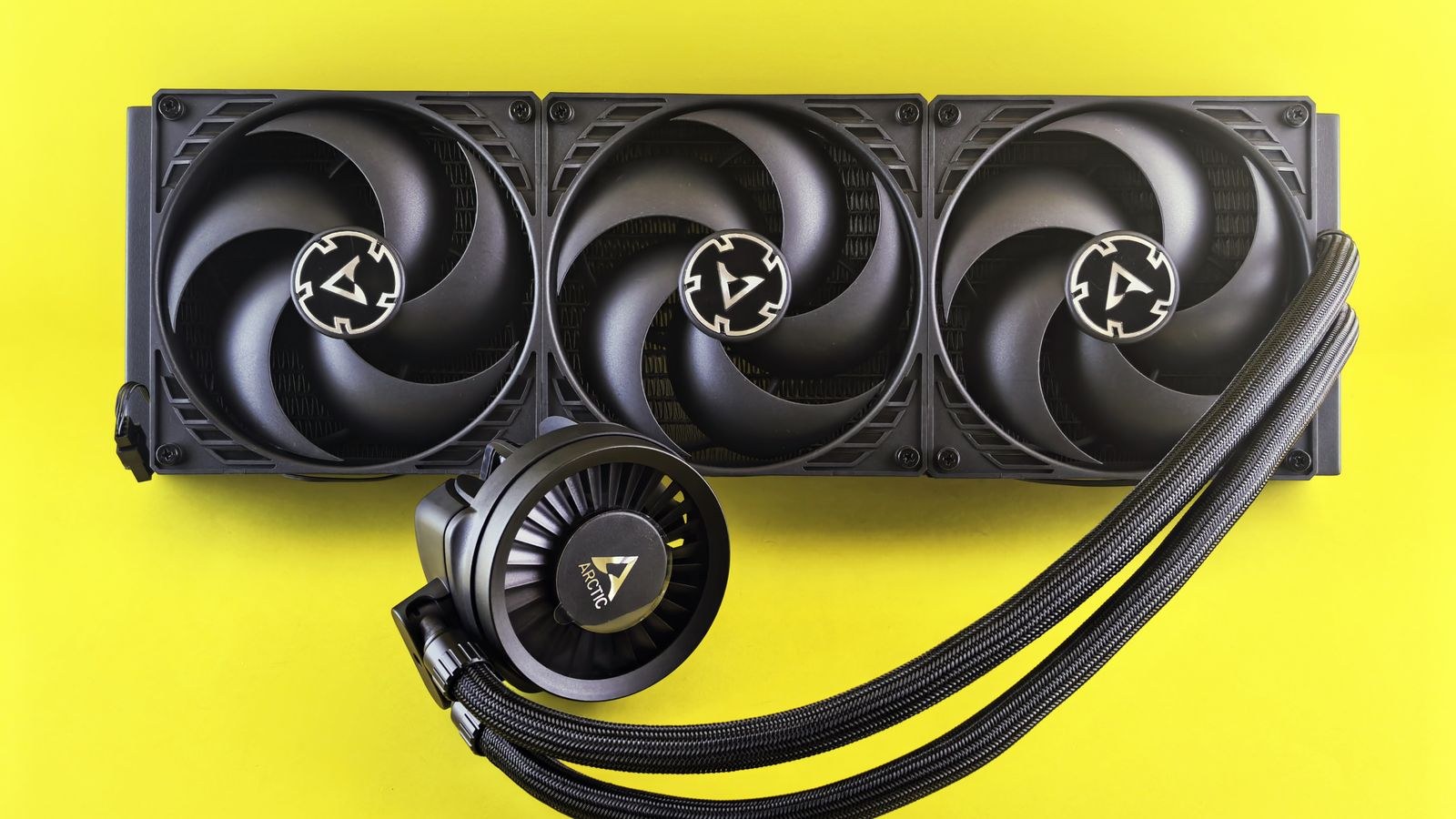
The millimeter figure in an AIO name refers to the length of the radiator, which is determined by how many fans it can hold. A 240mm radiator mounts two 120mm fans in a row, while a 360mm radiator mounts three. Because the fan mounts are the same width, the practical difference is the total surface area available to dissipate heat. More surface area means the cooler can shed more watts of heat energy at a given fan speed, or shed the same amount of heat at a lower, quieter speed.
There is a second variable that many buyers overlook: radiator thickness. A thick 240mm radiator can rival a thin 360mm radiator in raw capacity. Fin density, the tubing layout and pump quality all feed into performance too. So while size is the headline spec, it is never the whole story. Treat the radiator length as a strong indicator of cooling headroom rather than an absolute guarantee.
Cooling Capacity: How Much Extra Do You Get?
In controlled testing, a 360mm AIO typically holds a CPU a few degrees Celsius cooler than a comparable 240mm unit under a sustained full-load stress test. The gap widens as heat output climbs. On a mainstream six or eight-core chip that draws 65W to 125W, the difference between the two sizes is often small enough that both keep the processor comfortably within its thermal limits. On a high-core-count chip pushing 200W or more, that extra radiator area starts to earn its keep and the 360mm pulls ahead in a way you can measure.
The key concept is thermal headroom. A 240mm cooler paired with a modest CPU may already run so cool that a larger radiator would only lower temperatures a couple of degrees you will never notice. In that case the money is better spent elsewhere. If your processor is a genuine heat monster, the story flips, which is why enthusiasts building around demanding silicon often look at the best CPU coolers for high-TDP processors before anything else.
Matching Radiator Size to Your CPU
The single most important pairing decision is the relationship between radiator size and CPU heat output, expressed as TDP or its real-world power draw. Use these rough tiers as a starting point:
- Up to roughly 125W: A quality 240mm AIO is plenty. Mainstream gaming and productivity chips fall here, and you gain little from a larger radiator except lower noise.
- Roughly 125W to 200W: This is the crossover zone. A strong 240mm can cope, but a 280mm or 360mm gives you noise and headroom benefits, especially if you plan to overclock.
- Above 200W: A 360mm or larger radiator is the sensible choice. Flagship many-core processors dump a lot of heat quickly, and the extra area keeps the pump and fans from screaming.
If you are cooling an especially hungry chip and even 360mm feels marginal, it is worth comparing against the best 420mm CPU coolers, which use larger 140mm fans for even more surface area. That said, 420mm support is rare in consumer cases, so always check clearance first.
Noise: The Real Reason to Go Bigger
Here is the counterintuitive truth: for most builders, the biggest benefit of a 360mm radiator is not lower temperatures, it is lower noise at the same temperatures. Because three fans move more air than two, each fan can spin slower to remove a given amount of heat. Slower fans are quieter fans. A 360mm AIO running its fans at 800 RPM can match a 240mm AIO running at 1,200 RPM, and the difference in perceived noise is significant.
If a silent or near-silent PC is your priority and your case supports it, the larger radiator is a legitimate upgrade even on a mid-range CPU. If you already tolerate some fan noise or use headphones, that advantage matters far less and a 240mm unit will serve you well. Fan quality plays a role here too, so it pays to look at coolers built around well-tuned, the best 360mm CPU coolers with good PWM fans rather than the cheapest triple-fan unit you can find.
Case Compatibility: The Deal-Breaker
A 360mm radiator only helps if it physically fits, and this is where many builds hit a wall. Before you buy, confirm three things about your case:
- Radiator length: Your case must list 360mm support on the top or front mount. Many compact and mid-tower cases top out at 280mm or 240mm.
- Clearance around the mount: A top-mounted 360mm radiator can collide with tall RAM, the motherboard VRM heatsinks or the top edge of the board. Front mounting can interfere with long graphics cards or the drive cage.
- Thickness budget: Radiator plus fans needs vertical or horizontal room. A thick radiator with fans on both sides may not clear the motherboard.
Because water cooling puts real demands on internal space and airflow, choosing a chassis designed for it removes most of these headaches. If you are still selecting your enclosure, review the best PC cases for water cooling so radiator support and clearance are guaranteed from the start rather than discovered mid-build.
Price and Value
A 360mm AIO usually costs noticeably more than a 240mm model from the same product line, thanks to the extra fan, longer radiator and more coolant. Whether that premium is worthwhile depends entirely on the context we have already covered. On a modest CPU in a quiet-focused build, the money buys you lower noise. On a high-power CPU, it buys you essential thermal headroom. On a mid-range gaming rig where you already accept some fan hum, the extra spend often delivers only a few degrees you will never feel.
A smart approach is to set a total cooling budget and ask what a 240mm unit frees up. Sometimes the savings let you buy a better case, faster memory or a stronger graphics card, all of which may improve your experience more than a slightly cooler CPU. Value is about where the next dollar does the most good, not about maxing out one spec.
240mm vs 360mm: Quick Decision Guide
To cut through the analysis, run your build through these questions:
- Is your CPU a high-power, many-core chip? Lean 360mm.
- Do you want the quietest possible system? Lean 360mm if the case allows.
- Is your case a compact or mid-tower with limited radiator support? A 240mm may be your only clean option.
- Are you on a tight budget with a mainstream CPU? A 240mm is the value pick.
- Do you plan to overclock aggressively? Lean 360mm for the headroom.
If you land firmly in mainstream territory, a well-built two-fan unit is a smart buy, and comparing options among the best 240mm CPU coolers will get you excellent temperatures without overspending.
Frequently Asked Questions
Does a 360mm AIO cool much better than a 240mm on a normal CPU?
On a mainstream CPU the temperature difference is usually only a few degrees Celsius under full load, and often less at everyday gaming loads. The larger radiator shines more as a noise reducer and as insurance for high-power chips than as a dramatic temperature drop on modest hardware.
Is a thick 240mm radiator as good as a thin 360mm one?
It can come close. A thick, dense 240mm radiator increases surface area through depth rather than length, narrowing the gap. Airflow through a thick radiator needs stronger fans, though, so pairing matters. As a rule the 360mm still wins on quiet performance, but a premium 240mm is more capable than its size suggests.
Will a bigger radiator make my pump louder?
No. The pump speed is independent of radiator size. In fact, because a larger radiator lets the fans run slower, the overall system is often quieter. Pump noise depends on the pump design and its speed setting, not on how many fans the radiator holds.
Can I fit a 360mm radiator later if I start with 240mm?
Only if your case supports 360mm mounting. If it does, upgrading later is straightforward. If your case caps out at 240mm or 280mm, you are locked in, which is why checking case support before you buy either the cooler or the chassis is so important.
Final Thoughts
Radiator size matters, but not in the blunt bigger-is-better way the marketing implies. A 360mm AIO earns its price when you are cooling a high-power CPU, chasing near-silent operation or planning to overclock, provided your case has the room. A 240mm AIO is the smarter, more economical choice for mainstream processors and space-constrained builds, delivering temperatures that keep your chip healthy for years. Match the radiator to your CPU’s heat output, confirm the fit inside your case, and weigh the noise benefit against the price. Do that, and you will buy the right size for 2026 rather than simply the biggest one you can afford.