Owen Bradley
 Front-load washing machines wash better, spin drier and use dramatically less water than the top-loaders most of us grew up with. They also have one well-known weakness: the rubber door gasket that makes the drum watertight is a perfect home for mould. Warm, damp, dark and rarely inspected, the folds of that boot trap detergent residue, lint and hair, and within a few months an untouched machine can start pushing a sour, musty smell into every load of clean laundry. The good news is that this is entirely preventable and almost always reversible. This guide walks through a full deep clean of a front-load washer, then covers the small habits that stop the smell from ever coming back.
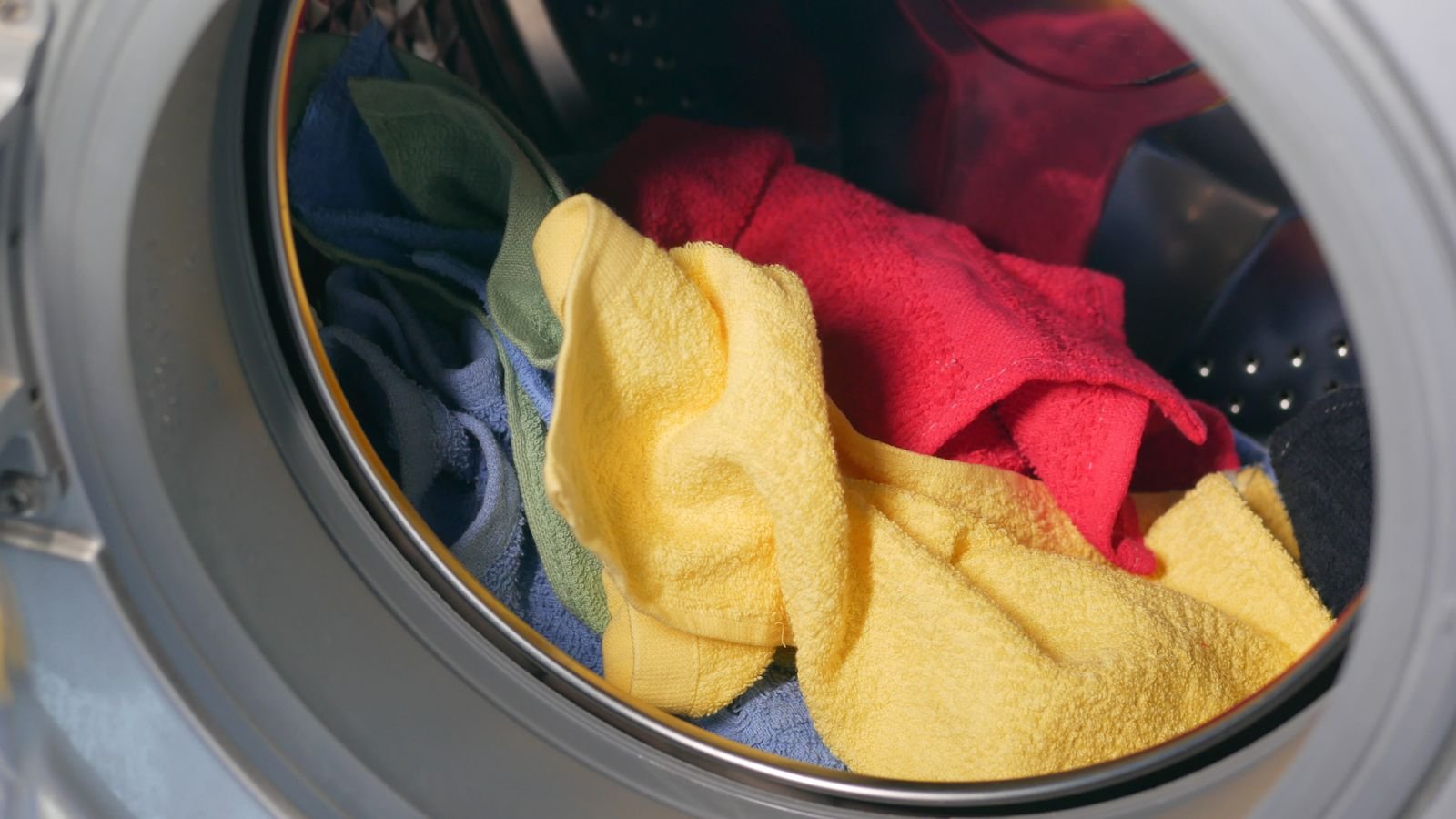
Why Front-Loaders Grow Mould in the First Place
A front-loading drum sits horizontally, so its lowest point is always below the door opening. After a cycle ends, a small amount of water stays trapped in the sump, in the drain hose loop and in the fold of the door gasket. On a top-loader that residue evaporates through a wide, open lid. On a front-loader the door is usually pushed shut the moment the laundry comes out, sealing the moisture inside a warm plastic box.
Detergent choice makes it worse. High-efficiency machines use very little water, so a normal dose of standard detergent, or an overdose of even the correct HE detergent, cannot be fully rinsed away. What is left behind is a soapy film called biofilm, and mould feeds on it happily. Fabric softener adds a waxy layer that is even more nutritious. Washing at cold temperatures — which is otherwise excellent for your clothes and your energy bill — means the machine never gets hot enough to kill what is growing.
The result is the classic front-loader complaint: clothes that come out smelling worse than they went in, black speckles along the gasket, and a stale odour that fills the laundry room every time the door is opened. None of it means the machine is faulty.
What You Will Need Before You Start
- White vinegar — around two cups, for dissolving soap scum and mineral scale.
- Baking soda — half a cup, for deodorising and mild abrasion.
- A dedicated washer cleaning tablet if you prefer a purpose-made product; the range of best washing machine cleaners covers tablets, powders and liquids formulated for HE drums.
- Microfibre cloths — several, because they will get filthy.
- An old toothbrush or soft detail brush for the gasket folds and dispenser channels.
- Rubber gloves and, if you are sensitive to mould, a dust mask.
- A shallow tray and towels for the drain filter, which will release more water than you expect.
- Diluted bleach solution (about a quarter cup in a quart of water) only if the mould is visibly black and established.
Never mix bleach and vinegar, and never use them in the same cycle. Chlorine and acid together produce chlorine gas. Choose one approach per session and rinse thoroughly in between.
Step-by-Step: Deep Cleaning the Machine
- Empty the drum completely and open the door wide. Work on a machine that has been idle for a few hours so nothing is hot and everything is easy to reach.
- Peel back the door gasket and inspect. Pull the rubber lip gently towards you to expose the channel behind it. Expect hair, coins, lint, grit and a grey sludge. Wipe it all out with a damp cloth, working right around the circumference.
- Scrub the gasket folds. Dip the toothbrush in vinegar or your cleaning solution and work into the ribs and drain slots at the bottom of the boot. This is where black mould takes hold, and it will not come out with a flat wipe.
- Treat stubborn black spots. Soak a cloth in the diluted bleach solution, lay it against the stained rubber and leave it for 20 to 30 minutes, then scrub and rinse with clean water. Repeat once rather than increasing the bleach concentration.
- Remove and wash the detergent drawer. Most pull out fully after pressing a release tab. Soak it in hot water, brush out the softener siphon, and clean the cavity it slides into with a bottle brush — the roof of that cavity is often coated in slime.
- Clean the drain pump filter. It sits behind a small hatch at the front bottom of the machine. Put down towels and a tray, unscrew the cap slowly, drain the water, then pull the filter and clear out lint, buttons and hair. Rinse it under the tap and screw it back in firmly.
- Run a hot cleaning cycle. Pour two cups of white vinegar into the drum (not the softener compartment) and run the machine empty on its hottest setting, or use the dedicated tub-clean or drum-clean programme with a cleaning tablet.
- Run a second short rinse with baking soda. Sprinkle half a cup directly into the drum and run a short hot cycle to neutralise any lingering odour and flush the vinegar out.
- Dry everything by hand. Wipe the drum, the glass, the gasket and the door frame with a dry cloth, then leave the door and the detergent drawer open for several hours.
The Parts People Always Forget
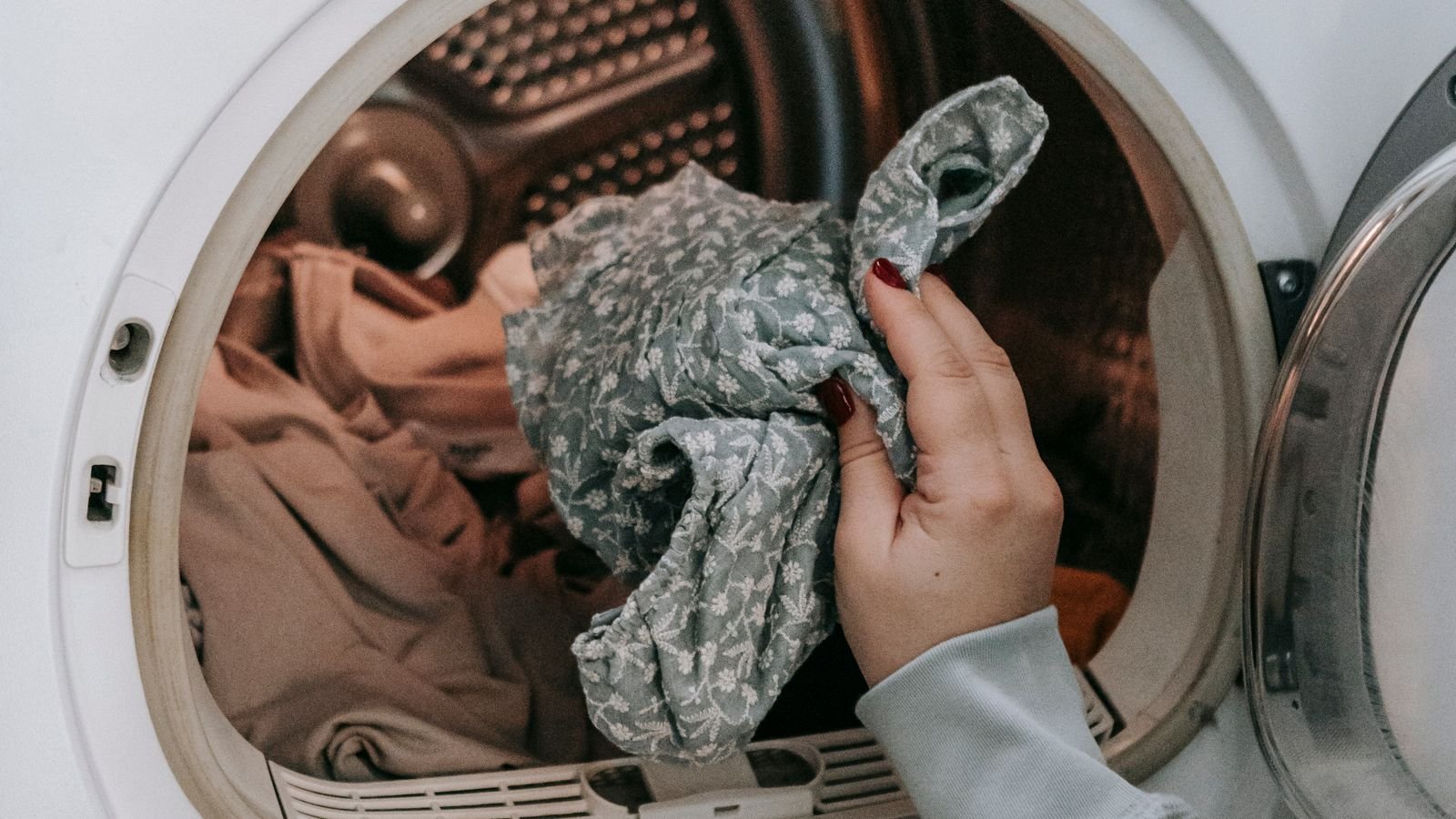
Three areas get skipped in almost every clean. The first is the underside of the door glass, where a rim of residue builds up just out of sight. The second is the small weep holes drilled into the lower gasket — poke them clear with a cotton bud so trapped water can escape instead of pooling. The third is the drain hose. If your machine sits against a wall and the hose has a sagging loop, standing water in that loop will smell no matter how clean the drum is. Make sure the hose rises to the required height and has no low sags collecting water.
If your home has hard water, scale compounds every one of these problems by giving soap scum a rough surface to cling to. Testing your supply and treating it at the source is worth doing before you blame the machine.
How Often to Clean
For an average household running four to six loads a week, a full deep clean like the one above belongs on the calendar every three months. Between those sessions, a monthly hot maintenance wash — empty drum, hottest cycle, cleaning tablet or vinegar — keeps biofilm from re-establishing. The gasket wipe is the highest-value habit of all and takes 30 seconds: after the last load of the day, run a dry cloth around the inside of the seal.
Households with heavy soil loads, pets, sports kit or cloth nappies should shorten those intervals. So should anyone who exclusively washes cold. If you are shopping for a replacement machine and want one that handles this better, current models in the best front load washing machines roundup increasingly include self-clean cycles, vented doors and gasket designs with fewer places for water to sit.
Daily Habits That Prevent Mould Returning
- Leave the door ajar between loads. This single change fixes most odour problems on its own. Door props are available if you have children or pets and cannot leave it fully open.
- Leave the detergent drawer open a couple of inches too — it dries out the compartment and the cavity above it.
- Use the right amount of HE detergent. Most people use two to three times what is needed. Try halving your dose; if clothes still come out clean, keep the smaller dose.
- Skip liquid fabric softener or switch to wool dryer balls. Softener residue is one of the biggest contributors to buildup.
- Remove laundry promptly. Wet clothes left in the drum for hours reintroduce the exact conditions you just cleaned away.
- Run at least one hot wash a week, even if it is only towels, to keep the internal plumbing above the temperature where biofilm thrives.
- Improve laundry-room airflow. A machine in a sealed cupboard needs ventilation, and a small extractor or dehumidifier helps more than any cleaning product.
Troubleshooting Persistent Smells
If the odour survives a full deep clean, the source is probably not the drum. Check the drain pump filter again — a single trapped sock can rot for months. Smell the detergent drawer cavity directly; if that is the source, clean it more aggressively. If the smell is sewage-like rather than musty, the problem is the standpipe or trap the drain hose empties into, not the appliance, and it needs a plumber rather than another cleaning cycle.
Black mould that has grown into the rubber itself, rather than sitting on top of it, will leave permanent staining even after the spores are killed. The gasket is a replaceable part on nearly every machine and is a reasonable DIY job on many models. If the rubber has hardened, cracked or torn, replacement is the correct fix rather than more scrubbing.
Frequently Asked Questions
Can I use bleach in my front-load washer?
Yes, in moderation and never alongside vinegar. A diluted bleach solution applied to visibly mouldy rubber is effective, and a bleach cleaning cycle is fine occasionally. Routine bleach cycles are not recommended because they degrade rubber seals over time.
Is vinegar safe for washing machine seals?
Used a few times a year at normal dilution, vinegar is safe and effective. Weekly vinegar cycles are not a good idea — sustained acid exposure can shorten the life of rubber hoses and gaskets. Reserve it for scheduled deep cleans.
Why do my clothes smell even after a clean cycle?
Almost always because residue remains somewhere the cycle does not reach: the drawer cavity, the drain filter or the outer tub. Clean those by hand, then reduce detergent dosage. If clothes still smell, you are likely overloading the drum, which prevents proper rinsing.
Do washer cleaning tablets actually work?
They do, and they are more convenient than mixing your own solutions because they are formulated to dissolve slowly through a full hot cycle and reach the outer tub. They do not replace hand-cleaning the gasket and filter, which is where visible mould lives.
Should I run the cleaning cycle empty?
Always. Adding laundry dilutes the cleaner, absorbs it into fabric and can bleach or damage clothes. An empty drum also lets the machine reach and hold its maximum temperature.
Final Thoughts
A front-load washer that smells is not a defective washer — it is a washer being asked to stay sealed and damp in a design that needs air. Spend an hour on a proper deep clean, then adopt three habits: door ajar, less detergent, one hot wash a week. Nearly every persistent mould complaint disappears under that routine, and the machine will keep delivering the water and energy savings that made you choose a front-loader in the first place.