Owen Bradley
 Apartment listings love the phrase “washer hookups available,” and almost nobody explains what that actually means until you are standing in a closet holding a machine you may not be able to connect. Washer hookups explained properly comes down to four things: a cold water tap, a hot water tap, a drain, and a suitable electrical outlet. Miss any one of them and your options change completely. This guide walks renters through how to identify what a unit already has, how to measure the parts that matter, and which machines work when the plumbing simply is not there. By the end you will be able to look at a laundry closet and know in about two minutes what you can install in 2026 without calling a plumber or annoying a landlord.
The Four Elements of a Complete Hookup
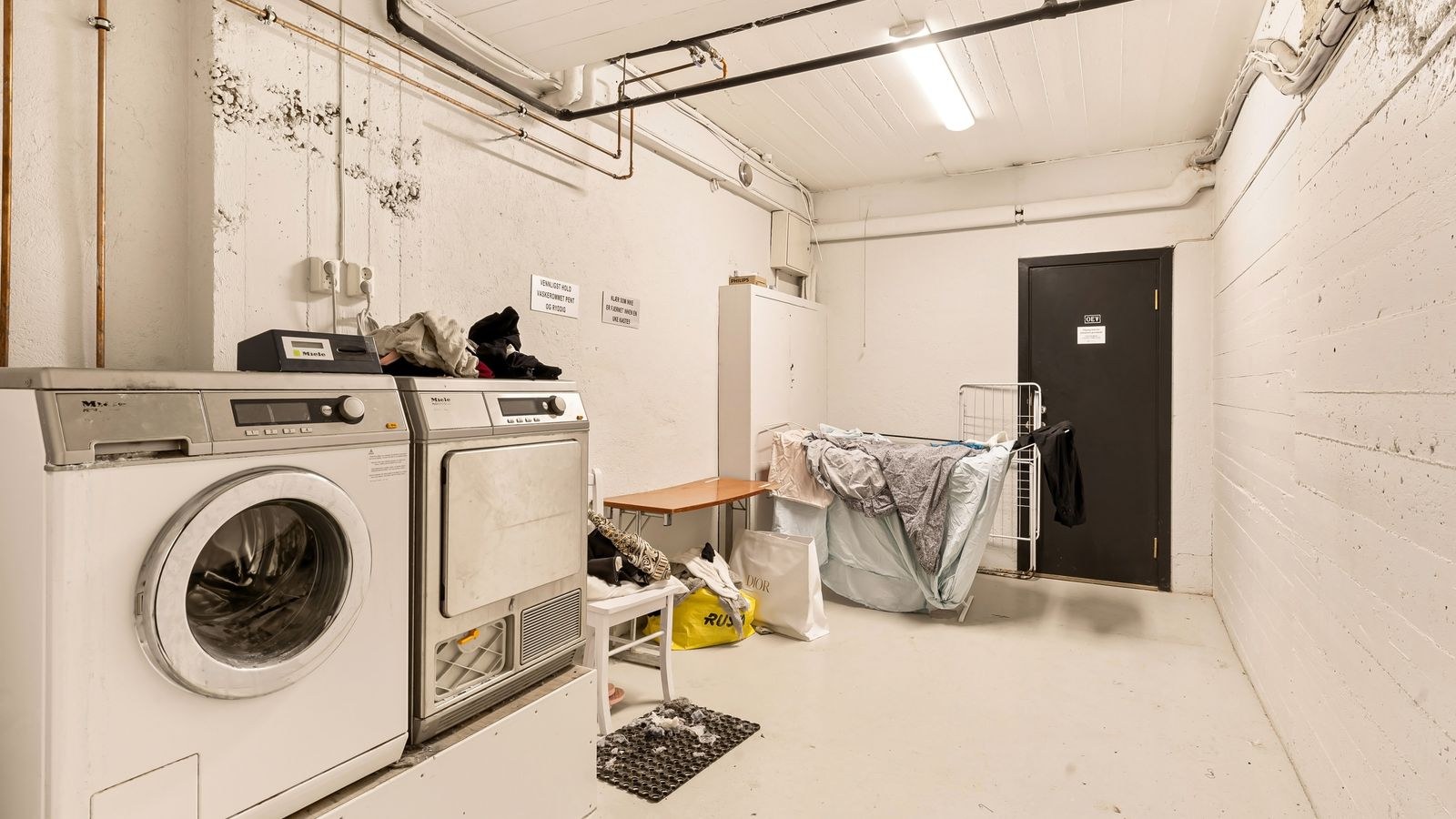
A standard washer connection consists of a cold water supply valve, a hot water supply valve, a drain, and a grounded electrical outlet. In most homes these arrive together in a recessed metal or plastic box set into the wall behind where the machine sits, often called a washer box or laundry outlet box.
The two supply valves have threaded spigots, and the standard thread is three quarter inch garden hose thread, the same size found on an outdoor tap. Hot is conventionally on the left when facing the box, cold on the right, though this gets reversed often enough that checking is worthwhile. Each valve should turn fully off with a quarter turn lever or several turns of a round handle.
The drain is usually a vertical pipe called a standpipe, occupying the middle or side of that same box. The outlet is a normal grounded 120V receptacle for a washer, which draws far less power than a dryer. A washer never needs the heavy 240V connection that an electric dryer requires, so a plain wall socket is entirely normal.
Reading the Standpipe: Height and Diameter
The standpipe is the part renters most often get wrong, because it looks like a simple hole in the wall and is anything but. Its height above the floor matters. Too low and the machine siphons, meaning water drains out during the wash cycle and the tub never fills properly. Too high and the pump struggles to lift water over the top, which shortens pump life and can trigger drain error codes.
Most manufacturers specify a standpipe top somewhere between roughly 30 and 96 inches above the floor, with the sweet spot commonly around 34 to 40 inches. Check the manual for your specific model rather than assuming. Diameter should generally be two inches for a full-size machine, since older one and a half inch pipes can be overwhelmed by the fast drain pumps in modern washers, producing an overflow onto the floor.
Look for a trap and a vent as well. A P-trap below the standpipe stops sewer gas rising into the room, and a vent prevents the draining water from siphoning the trap dry. If you smell drains whenever the washer runs, one of those two is missing or blocked, and that is a landlord conversation rather than a purchase decision.
Measuring Your Space Before You Buy
- Width and depth of the alcove, then subtract clearance for hoses behind the machine, usually four to six inches.
- Height available, especially under a countertop or in a stacking arrangement.
- Doorway and hallway width along the delivery path, which frequently defeats a machine that would have fitted the closet.
- Distance from valves and drain to where the machine will actually stand, so you buy hoses long enough.
- Door swing direction on a front loader, and whether the hinge can be reversed.
Write these down before shopping. If the alcove is tight, focus on the best compact washing machines, which typically run about 24 inches wide instead of the standard 27, and often fit under a counter.
Hoses, Adapters, and the Small Parts That Fail
Supply hoses are the single most common cause of catastrophic water damage in rented homes, and they are also the cheapest thing to get right. Rubber hoses degrade over roughly five years and can burst under constant mains pressure while you are out. Braided stainless steel hoses resist that far better, and auto-shutoff hoses contain a flow sensor that closes the line if it detects a burst.
Fit new hoses with the rubber washer seated properly and tighten firmly by hand plus a quarter turn with pliers. Overtightening cracks the plastic fitting on the machine. Check whether your machine needs both hot and cold, or only cold: many modern washers heat water internally and ship with a single inlet, in which case a supplied Y-adapter or a simple cap on the hot valve handles it. If you are replacing worn lines, our comparison of the best washing machine hoses covers burst ratings and shutoff mechanisms.
Also inspect the drain hose. It should sit in the standpipe to a depth of a few inches only, never pushed all the way down, and it must be secured with the supplied hose form or a cable tie so it cannot whip out during the spin cycle. Leaving it loose in a laundry sink is a reliable way to flood a floor.
When Your Apartment Has No Hookups at All
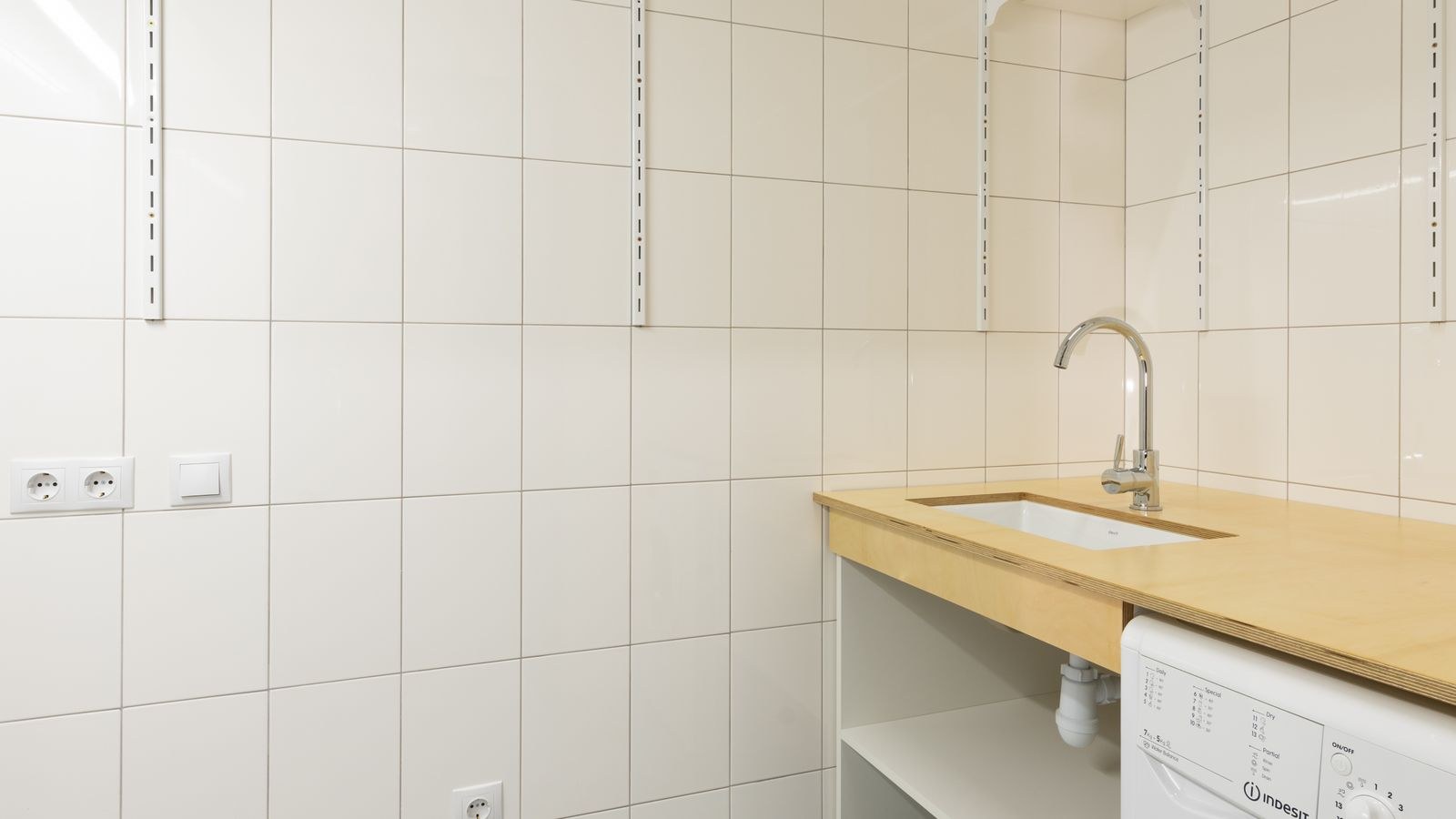
Plenty of rentals have no laundry connection whatsoever, and this is where portable machines become genuinely useful rather than a compromise. A portable washer connects temporarily to a kitchen or bathroom sink using a faucet adapter, fills from that tap, and drains into the same sink through a hooked hose. When the load finishes you disconnect it and roll it into a cupboard.
The critical compatibility question is your faucet. Adapters thread onto the aerator, which means you need a tap with a removable aerator and a standard thread. Pull-out sprayer faucets, many touchless models, and some designer taps have no usable thread and simply cannot accept an adapter. Unscrew your aerator before buying and check that threads are present and undamaged. Universal adapter kits cover most common sizes but not all.
Capacity is the trade-off. Portable units typically handle a fraction of a full-size load, so laundry becomes several small runs rather than one big one. For anyone weighing that against a trip to a laundromat every week, our roundup of the best portable washing machines for apartments lays out the realistic capacities and fill times.
Twin Tub and Mini Machines
A further step down in size, twin tub and mini washers use a separate wash chamber and spin basket. You fill the wash side with a hose or even a bucket, run the cycle, then transfer clothes to the spin side manually. They need no permanent plumbing at all and drain through a simple gravity hose into any floor drain, shower, or bucket.
They suit dorm rooms, studios, and single occupants washing small quantities frequently. They are noisier, more hands-on, and gentler on nothing in particular, but they are also the only category that works in a room with no tap connection whatsoever. Options across that whole segment sit in our list of the best mini washing machines.
Electrical, Flooring, and Landlord Considerations
A washer wants a grounded outlet on a circuit that is not shared with a high-draw appliance. Avoid extension leads entirely; the motor’s startup current is high and thin cords overheat. If the only nearby socket is a GFCI that trips whenever the machine runs, that is a wiring issue to report rather than something to work around.
Floors matter more than renters expect. A washer must sit level, and an unlevel machine walks across the room during the spin cycle, which is loud, damaging, and a fast way to lose a deposit. Adjust the levelling feet with a spirit level across both directions and lock the nuts. On wooden upper floors, an anti-vibration mat noticeably reduces the noise transmitted to the flat below.
Finally, check your tenancy agreement. Some landlords require notification or professional installation for any appliance connecting to plumbing, and many prohibit permanent alterations. A portable machine that connects to a tap and drains into a sink usually sidesteps all of that, which is a large part of its appeal.
Mistakes That Cause Leaks and Fines
Leaving the supply valves permanently open is the most common one. Mains pressure sits against those hoses around the clock, and a single failure while you are at work floods multiple floors. Turn the valves off between washes, or fit a single-lever shutoff that closes both at once.
Pushing the drain hose too deep into the standpipe causes siphoning that quietly ruins wash results. Forgetting to remove the shipping bolts on a new front loader destroys the suspension within a few cycles, and it is a documented reason for a warranty claim to be refused. And buying before measuring the doorway remains the classic error, since a machine that will not enter the room is a machine you are paying to send back. Broader guidance on sizing and features across the whole category sits in our washing machine buying guide.
Frequently Asked Questions
Can I install a washer myself in a rented flat?
If proper hookups already exist, connecting a machine is a screwdriver-free job that takes about twenty minutes: attach hoses, seat the drain, level the feet, plug in. Creating new hookups where none exist is plumbing work and normally requires the landlord’s permission.
What if I only have a cold water tap?
Many current machines are cold-fill only and heat water internally, so a single cold connection is all they need. If your machine has two inlets, a Y-splitter on the cold valve feeds both, though wash performance on hot cycles will rely entirely on the internal heater.
How high should the drain standpipe be?
Check your model’s manual, but a top somewhere around 34 to 40 inches above the floor suits most machines, within a permitted range that is usually much wider. Too low causes siphoning during the wash; too high strains the drain pump.
Do portable washers work with any sink?
No. They need a faucet with a removable aerator and standard threads. Pull-out sprayers and many modern designer taps cannot accept an adapter. Unscrew your aerator and inspect the threads before committing to a portable machine.
Does a washer need a 240V outlet?
No. A washing machine runs on a standard grounded 120V household socket. It is the electric dryer that typically needs a dedicated 240V circuit, which is why some apartments offer washer hookups but no dryer connection.
Final Thoughts
Washer hookups stop being mysterious the moment you break them into their four parts. Find the hot and cold valves, measure the standpipe height and diameter, confirm there is a grounded outlet nearby, then measure the alcove and the route to it. If all four exist, almost any correctly sized machine will fit, and good braided hoses plus careful levelling will keep it trouble-free for years. If they do not exist, a portable or mini machine connected to a sink gives you laundry at home without touching a single pipe. Either way, ten minutes with a tape measure beats a delivery you have to send back.