Owen Bradley
 String lights are the cheapest way to make a space feel finished. A bare patio becomes a dining room, a plain bedroom wall becomes a headboard, and a strip of fence becomes a boundary you actually notice. The trouble is that the category has exploded, and a shopping page will show heavy commercial bistro strands next to hair-thin copper wire fairy lights at nearly the same price. They are not interchangeable. This string light buying guide walks through the four styles you will actually encounter, the specs that decide whether a set survives a winter outdoors, and the power choices that determine how much control you have over when they turn on. By the end of it you should be able to look at any listing in 2026 and know within a few seconds whether it suits your space.
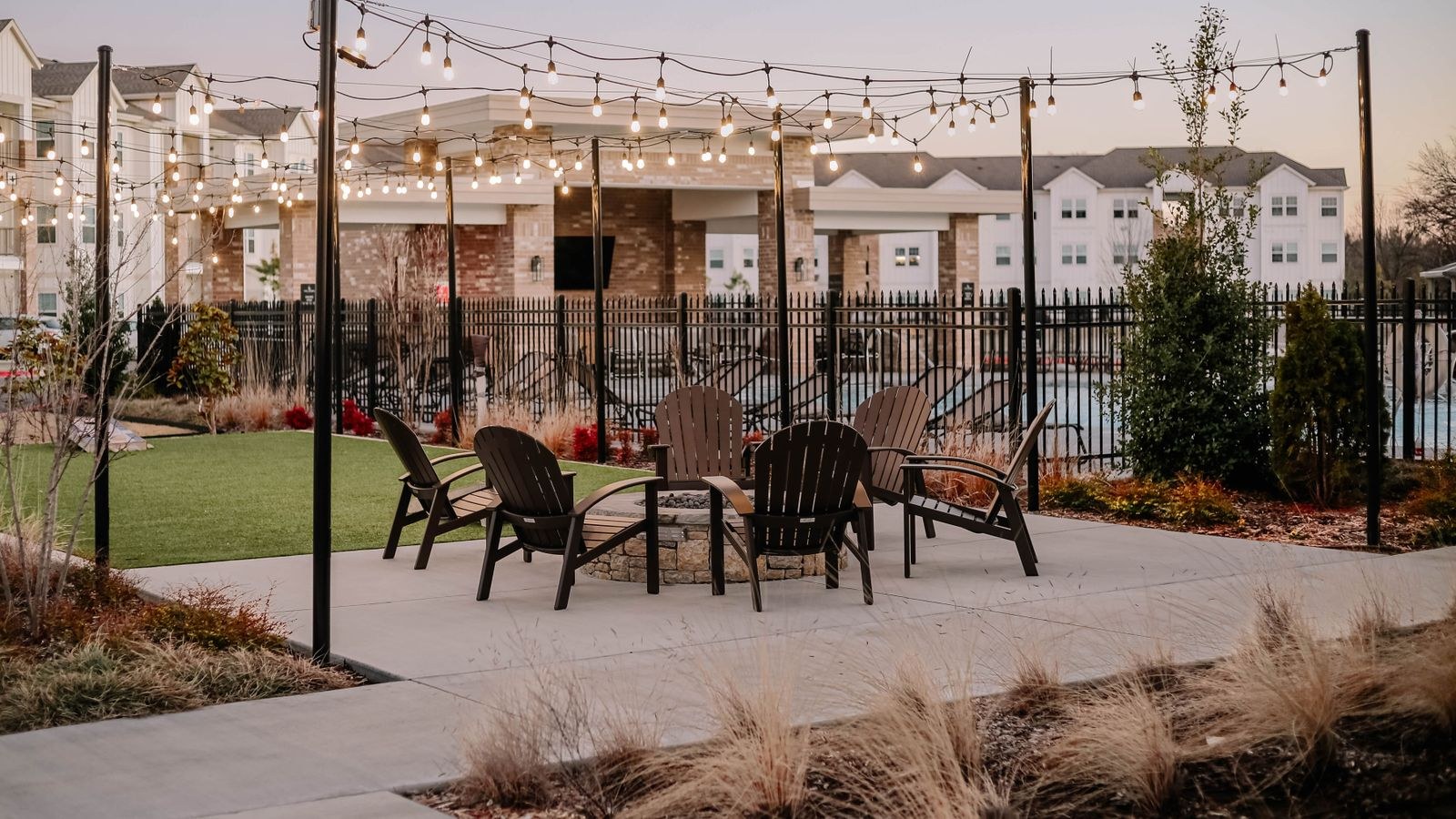
The Four Main Styles of String Lights
Almost everything on the market falls into one of four families, and picking the family first saves an enormous amount of comparison shopping later.
Bistro or cafe lights use a thick rubber or PVC cable with widely spaced sockets holding shatterproof globe bulbs, usually S14 or G40 shapes. Spacing is generous, typically 12 to 24 inches between bulbs, so a 48-foot strand might carry only 24 lamps. They are designed to be strung overhead across a patio or courtyard and to stay up permanently. Cable gauge is heavy, bulbs are replaceable, and many strands can be connected end to end.
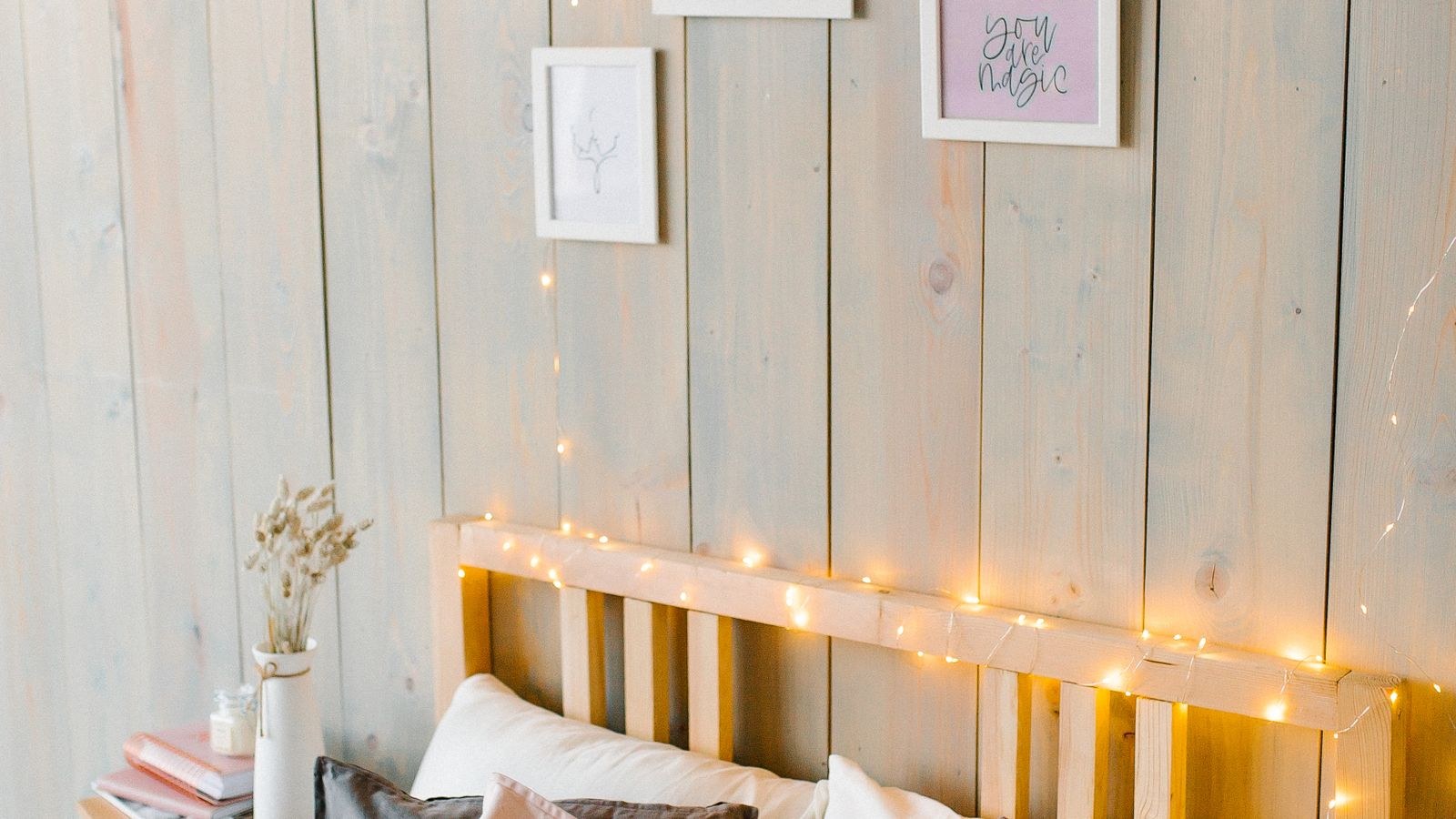
Fairy lights sit at the opposite extreme: bare copper or silver wire, tiny surface-mounted LEDs every two to four inches, and no serviceable parts at all. They bend around anything, disappear against a wall in daylight, and produce a sparkle rather than usable light. They are decorative only.
Globe and G40 decorative strands land in between, with medium-weight cable and bulbs closer together for a denser look on railings, umbrellas and pergola posts.
Curtain and net lights are grids of drops meant for windows, backdrops and headboard walls. They fill a rectangle instead of tracing a line, which makes them far easier to hang neatly on a flat surface than a single strand you have to zigzag.
Which Style Suits Which Space
Match the style to the distance a viewer stands from the light. Overhead spans viewed from ten feet away want bistro strands, because thin wire simply vanishes at that distance and the effect collapses. Close-quarters decoration at arm’s length, such as a shelf, mirror frame or bed canopy, wants fairy wire, because a fat black cable looks industrial indoors. A useful starting point for permanent outdoor spans is our roundup of the best bistro lights, which focuses on strands built to stay outside year-round, while the softer indoor options are covered in the best string lights for bedrooms.
Bulb Spacing and Strand Length
Spacing determines the character of the light more than any other number in the listing. Wide spacing on a bistro strand reads as distinct, individual points of warmth and creates the classic outdoor dining look. Tight spacing reads as a continuous glowing line. Neither is better, but buying the wrong one for the effect you pictured is the most common regret in this category.
To size a strand, measure the actual path the cable will follow, not the straight-line distance. Overhead spans sag, and sag is desirable because a taut cable looks severe and stresses the anchor points. Plan on roughly 10 to 15 percent extra length for the drape on each span, plus enough slack at the end to reach an outlet or a run of extension cable. Then add one more strand length as margin. Nobody has ever regretted having a little extra.
Check the maximum connectable run before you buy multiples. Manufacturers publish a limit, often three to eight strands end to end, based on the total wattage the first plug can safely carry. Exceeding it is a genuine fire risk, not a warranty technicality. LED strands allow far longer runs than incandescent ones because each bulb draws a fraction of a watt instead of five to seven watts.
Bulb Type: LED, Incandescent and Filament LED
Traditional incandescent globes have the warm, slightly uneven glow that people associate with cafe patios, but they burn hot, break easily and consume enough power to limit how many strands you can chain. Plain LED bulbs solve all of that at the cost of looking a little flat and, on cheap sets, a little blue.
The compromise most buyers now choose is the filament LED, which mimics the visible glowing filament of an incandescent bulb inside a shatterproof plastic or glass envelope while drawing about one watt. Look for a color temperature of 2200K to 2700K. Anything at 3000K or above starts to look like a work light rather than ambient decoration, and 2200K is the warm amber tone people describe as candlelight. If energy use and lifespan matter most, browse the best LED string lights for sets that keep the warm tone without the heat.
Dimmability and Shatterproof Bulbs
Not every LED strand dims, and connecting a non-dimmable set to a dimmer causes flicker and buzzing. Confirm dimmability explicitly before pairing one with a dimmer. Separately, prefer shatterproof acrylic bulbs near a pool, a barefoot deck or a space children use.
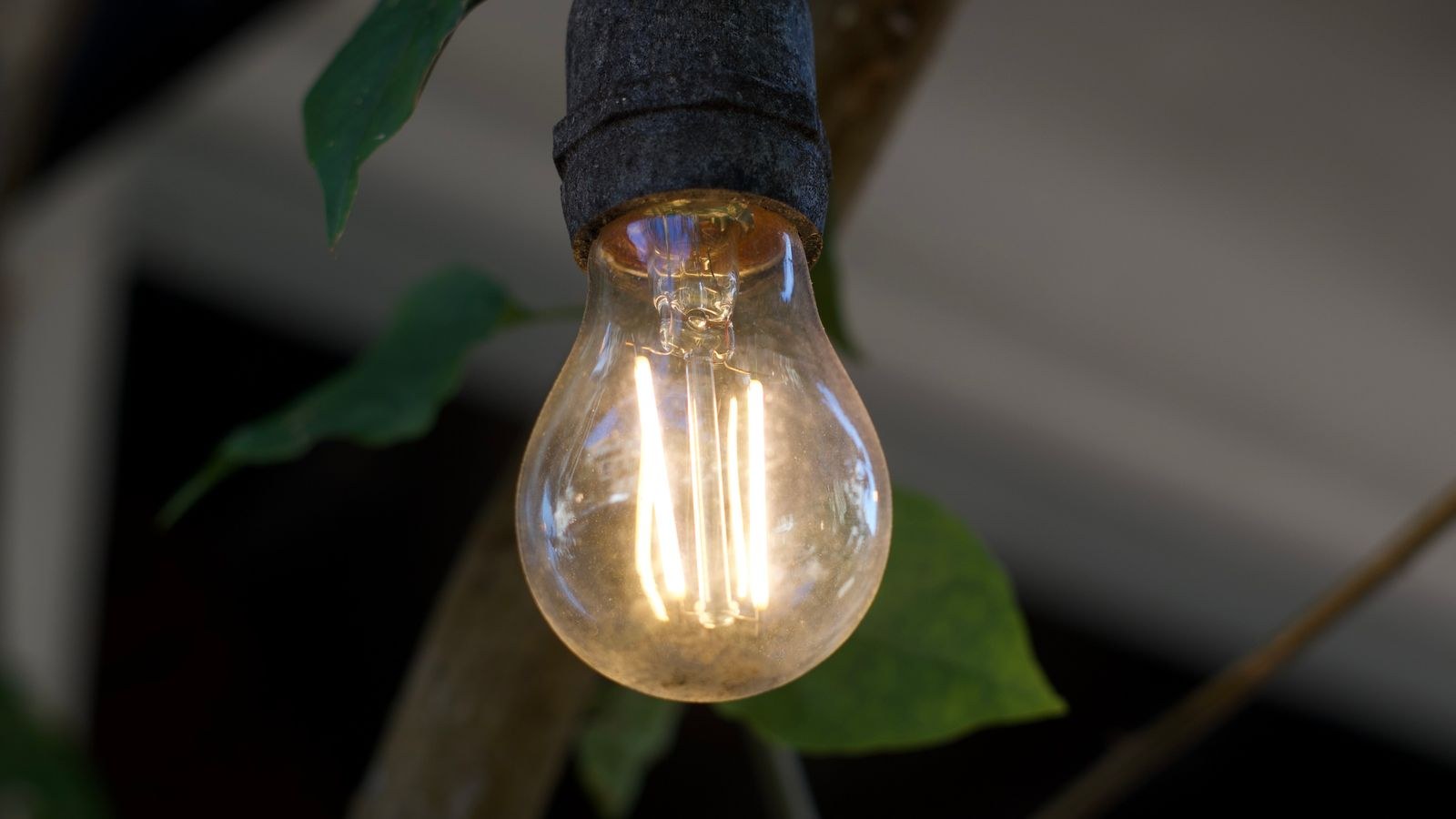
Weather Ratings: The Spec Most People Skip
Outdoor string lights carry an IP rating, and the difference between two adjacent numbers decides whether a set lasts one season or five. IP44 means protection from splashing water, which is adequate under a covered porch or a solid pergola roof but not for open sky. IP65 withstands low-pressure water jets from any direction and is the sensible minimum for a strand exposed to rain. IP67 adds temporary immersion, which matters for lights that touch the ground or sit near sprinkler heads.
Watch the sockets specifically. A strand can be advertised as weatherproof while the sockets themselves rely on a rubber gasket that only seals when a bulb is screwed fully home. Any empty socket becomes an open water path. Manufacturers ship spare bulbs partly for this reason; replace failures promptly rather than leaving a gap.
Cold matters too. Cheap PVC cable stiffens and cracks below freezing, so if you leave lights up through winter, look for rubber or a stated cold-weather rating. Take strands down before an ice storm regardless. Ice loading is what pulls anchors out of stucco.
Power Options: Plug-In, Solar and Battery
Plug-in strands are the most predictable. They give full brightness on demand, they run all night, and they work identically in December and July. The catch is that you need a weather-rated outdoor outlet within reach and a plan for hiding the cable run.
Solar strands trade that certainty for total placement freedom. A small panel charges an internal battery during the day and the lights run automatically at dusk. This works genuinely well in an unobstructed south-facing position and works poorly under a tree, on a north wall, or in a region with short winter days. Expect four to eight hours of runtime from a full charge, dropping sharply in overcast weeks. If you want strands where no outlet exists, compare the best solar string lights, and for the delicate wire style powered the same way, look at the best solar fairy lights.
Battery packs suit short temporary runs, table centerpieces and interiors with no nearby outlet. Most take AA cells and include a timer that runs six hours on, eighteen hours off. They are not a serious solution for a long outdoor span.
Timers, Smart Plugs and Controls
A plug-in strand plus an outdoor-rated smart plug gives you scheduling, voice control and remote shutoff for very little money, and it is more reliable than the controllers built into budget strands. Solar sets usually include a dusk sensor and sometimes a mode button cycling through steady, twinkle and chase patterns. If you only ever want steady light, confirm the set remembers its mode after a power cycle, because some reset to a flashing pattern every night.
Hanging and Installation Basics
The cable is not structural. Every reliable installation runs a stainless steel guide wire between anchor points, tensions it with a turnbuckle, and clips the light strand to that wire with zip ties or S-hooks every foot or two. This keeps the electrical cable free of tension and lets you take strands down without disturbing the anchors.
For spans longer than about 20 feet with no intermediate support, plan for a mid-point post or a wall anchor. Free-standing options include planters filled with concrete, cantilever poles bolted to deck framing, and existing structures like fence posts or house eaves. Never anchor to gutters; they will bend.
Hang overhead strands at least 8 feet above any walking surface. Indoors, use adhesive clips rated well above the strand weight.
Budget Tiers and What Each Buys
Under about $25 you are looking at battery fairy wire or short indoor decorative sets. These are fine for their purpose and will not survive a season outdoors.
The $30 to $70 range covers most quality solar strands and mid-length LED globe sets with IP65 sockets. This is where the best value sits for a typical patio or balcony.
Above $80 you move into commercial-grade bistro strands with heavy rubber cable, replaceable filament LED bulbs and multi-year warranties. For permanent installs this tier is cheaper over five years.
Common Mistakes to Avoid
- Buying by strand length alone and ignoring bulb count, which produces a sparse, disappointing run.
- Choosing cool white LEDs for an outdoor dining area, where anything above 3000K feels clinical.
- Hanging the electrical cable under tension instead of clipping it to a guide wire.
- Chaining more strands than the rated maximum because the plug physically accepts them.
- Installing solar strands in shade and blaming the battery when runtime collapses.
- Leaving empty sockets after a bulb fails, which lets water into the strand.
- Using indoor-only sets outdoors under a porch roof, where wind-driven rain still reaches them.
A Five-Question Checklist Before You Buy
- How far is the actual cable path, including sag and the run to power? Add a strand of margin.
- Is this exposed to open sky, covered, or indoors? That sets your minimum IP rating.
- Do I want distinct points of light or a continuous glow? That picks bistro versus fairy.
- Is there an outdoor outlet within reach, or does this need to be solar?
- Will these stay up permanently or come down seasonally? Permanent installs justify the heavy-cable tier.
Frequently Asked Questions
How many string lights do I need for a patio?
Measure the zigzag path you plan, add 15 percent for sag, and round up to the next full strand. A typical 12 by 16 foot patio with three overhead runs uses 90 to 120 feet.
Can string lights stay outside all year?
Rubber-cabled, IP65 or better strands with sealed sockets are designed to. Budget PVC sets should come down before hard freezes, and every set should come down before an ice storm because of the weight ice adds.
Are solar string lights bright enough to be useful?
They are bright enough for ambience and gentle wayfinding, not for task lighting. If you need to actually see what you are doing at an outdoor table, add a plug-in source or a separate fixture.
Why do half my lights go out?
On older series-wired incandescent strands one failed bulb kills a whole segment. Modern LED strands are usually parallel-wired so a single failure is isolated, which is another good reason to move away from incandescent globes.
Do string lights use much electricity?
LED strands draw roughly 0.5 to 1 watt per bulb, so a 48-bulb run costs pennies per night. Incandescent globes at 5 to 7 watts each add up quickly, which is why the connectable limits are so much lower.
Final Thoughts
Choosing string lights comes down to three decisions made in order: the style that matches your viewing distance, the weather rating that matches your exposure, and the power source that matches your outlets. Get those right and the rest is preference. Buy a heavy bistro strand for anything permanent and overhead, use fine fairy wire only where people see it up close, and never let a marketing photo taken indoors convince you that a splash-rated set belongs under open sky. Spend the extra on cable quality rather than bulb count, plan the guide wire before the shopping cart, and the strand you hang this season should still be lighting the same space several years from now.