Owen Bradley
 Timers are the least glamorous devices in a home, and also among the most useful. A five-dollar mechanical dial can make an empty house look occupied, cut phantom standby draw, water a seedling tray on schedule, and stop a space heater from running all night. The trouble is that the word timer covers at least four genuinely different product categories, and buying the wrong one means a device that either will not fit your box, cannot handle your load, or refuses to keep time after a power cut. This guide breaks down outlet timers, lamp timers, and light switch timers, explains where each belongs, and gives you a clear framework for choosing in 2026.
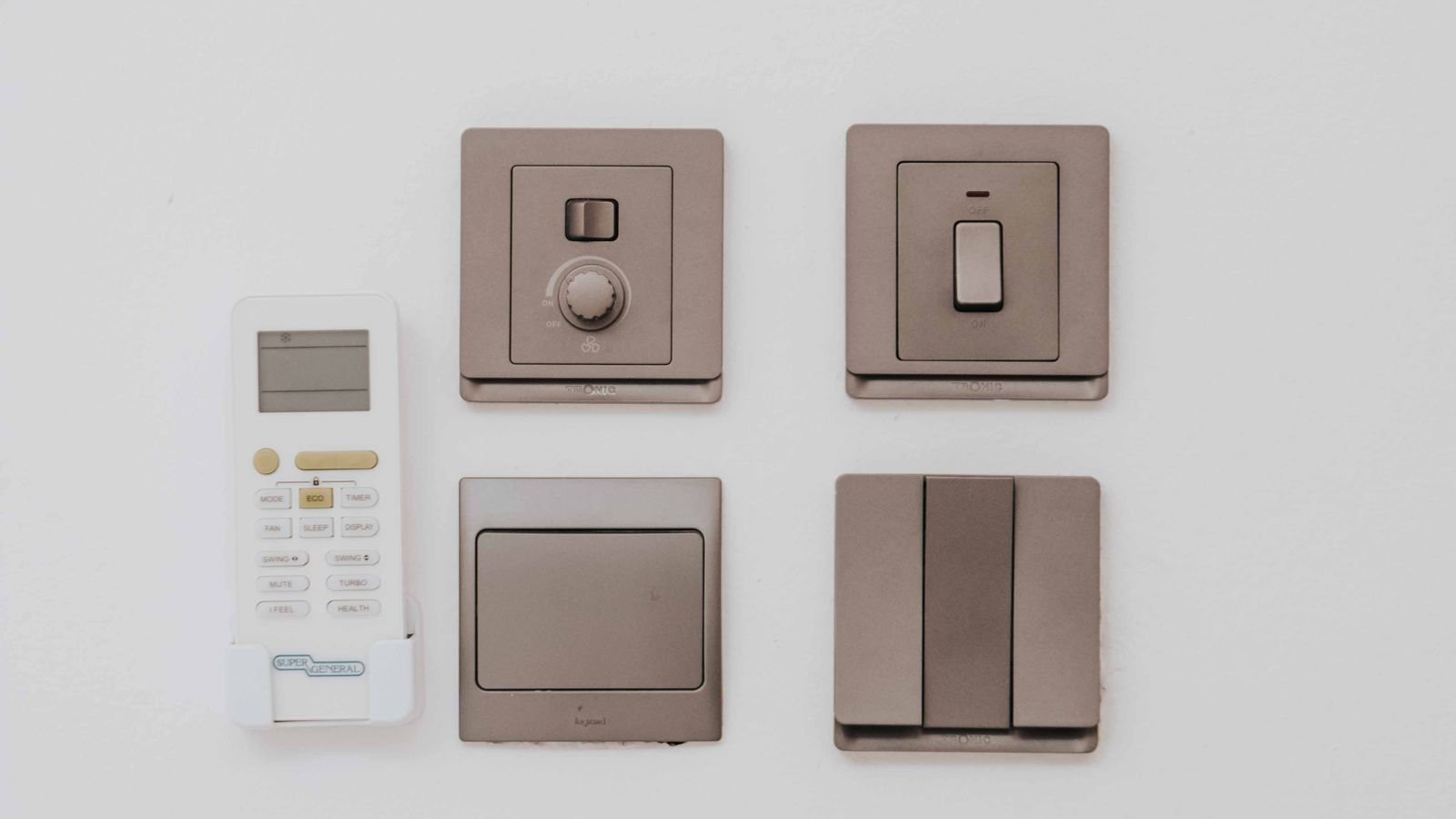
The Three Main Families of Home Timers
Almost every household timer falls into one of three groups, distinguished by where it sits in the electrical path.
- Outlet timers plug into a wall receptacle, and whatever you plug into them inherits the schedule. No wiring, no tools, fully portable.
- Lamp timers are a specialised subset of outlet timers, tuned for lighting loads, often with dusk simulation, random modes, and compact bodies that do not block the second socket.
- Light switch timers replace the wall switch itself, controlling a hardwired circuit such as ceiling fixtures, bathroom fans, or outdoor lights. They require basic electrical work but leave no visible clutter.
A fourth group, in-line and appliance timers, handles specific jobs like pool pumps and water heaters, but for typical residential use the three above cover nearly everything.
Outlet Timers: The Universal Starting Point
An outlet timer is the easiest entry into scheduling because installation is literally plugging it in. They come in mechanical and digital versions, and the choice between the two shapes what you can do.
Mechanical Outlet Timers
These use a rotating dial divided into fifteen or thirty minute segments. You push down pins for the periods you want power on. They are cheap, nearly indestructible, and completely intuitive, which matters if the person operating it does not want to read a manual. The tradeoffs are audible ticking, limited resolution, and the fact that the same schedule repeats every twenty-four hours with no weekday and weekend distinction.
Digital Outlet Timers
Digital models offer multiple daily on and off events, separate weekday and weekend programs, countdown modes, and often a random setting that stutters the schedule to simulate occupancy. They typically include a small backup battery so the program survives an outage. The downsides are fiddlier menus and a screen that eventually fails. For anything beyond simple on-at-dusk-off-at-midnight duty, digital is worth the extra money. Comparing a broad set of the best outlet timers is the fastest way to see how programming depth scales with price.
Load Ratings Matter More Than People Expect
Every timer carries a resistive and sometimes a separate inductive rating. A unit rated 15A resistive may only be rated 500W for motors or ballasts. Space heaters, window air conditioners, and pumps are exactly the loads that overwhelm undersized timers, and an overloaded timer runs hot and welds its contacts shut. Read the label on the appliance, read the label on the timer, and leave headroom.
Lamp Timers: Lighting-Specific Design
Lamp timers do the same basic job as outlet timers but are optimised for lighting. The best of them add three things worth paying for: a built-in photocell or astronomic clock that tracks sunset through the seasons so you never re-program in spring, a genuine randomiser that varies switching by up to thirty minutes for a convincing lived-in look, and a low-profile body that leaves the neighbouring outlet usable.
They also handle modern bulbs better. Cheap timers with mechanical relays can chatter with low-wattage LED loads, and some digital timers leak a tiny current that makes an LED bulb glow faintly when it should be off. Purpose-built lamp models specify LED compatibility explicitly. If your main goal is table lamps, floor lamps, and holiday lighting, review the current best lamp timers rather than defaulting to a generic outlet unit.
For security use, remember that a single lamp switching on at exactly 7:00 p.m. every evening looks more automated than occupied. Two or three timers on different schedules in different rooms is far more convincing than one perfect device.
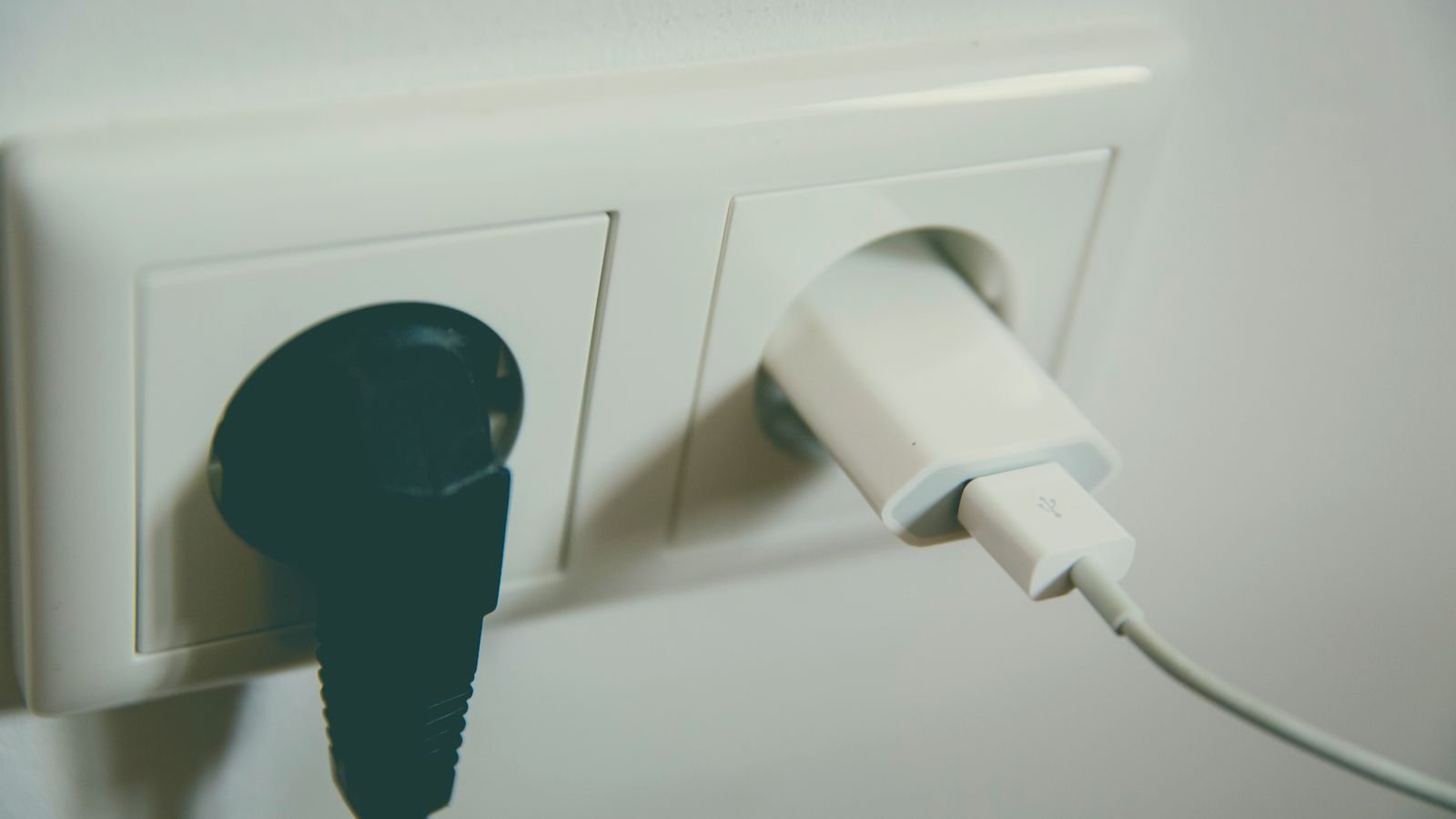
Light Switch Timers: Permanent and Invisible
A switch timer replaces the toggle or rocker in the wall box. Because it sits on the circuit itself, it can control ceiling fixtures, recessed cans, exterior floods, and exhaust fans that no plug-in device can reach. Aesthetically it is the cleanest option: nothing dangles from an outlet and nothing gets unplugged by accident.
Neutral Wire Requirements
This is the single biggest gotcha. Most digital switch timers need a neutral wire to power their electronics. Homes wired before the mid-1980s often have switch boxes with only hot and load conductors and no neutral. Before ordering, pull the plate and look for a bundle of white wires capped in the back of the box. If there is none, you need a specifically no-neutral-required model, and your options narrow considerably.
Single Pole Versus Three Way
If a light is controlled from two locations, such as the top and bottom of a staircase, you need a three-way compatible timer and correct traveller wiring. Installing a single-pole unit in a three-way circuit produces a light that only works when the other switch happens to sit in the right position.
Countdown Versus Scheduled
Countdown switch timers run for a set interval then shut off, which is ideal for bathroom exhaust fans, heat lamps, and garage lighting. Scheduled or astronomic switch timers follow a calendar and are the right pick for porch and landscape lighting. Many models do both. Browsing the best light switch timers alongside general-purpose best light timers comparisons shows how those two behaviours are packaged.
Mechanical, Digital, or Smart?
There is now a fourth axis: whether the timer connects to your network. Smart plugs and smart switches do everything a digital timer does plus remote control, voice commands, and automation triggers like geofencing. They cost more, depend on Wi-Fi, and require account setup.
The honest guidance is this. If the schedule never changes and nobody needs remote control, a dumb timer is more reliable and cheaper, and it keeps working during an internet outage. If you want to adjust from your phone, tie lighting to sunset without any calendar programming, or link devices together, a connected device earns its price. Many homes sensibly run both: mechanical timers on the holiday lights, a smart switch on the porch.
Special-Purpose Timers Worth Knowing About
- Outdoor timers are built into weather-rated enclosures with gasketed covers, and are the only appropriate choice for anything mounted outside a wall.
- Grow light timers need reliable long-duration cycles and enough headroom for ballast inrush current.
- Kitchen and interval timers are countdown devices that do not switch power at all and belong to a different category entirely.
- Digital timers with astronomic clocks compute local sunrise and sunset from your latitude and date, eliminating seasonal reprogramming. If you have ever adjusted a porch light schedule four times a year, this feature alone justifies the upgrade. See how these compare within the wider best digital timers field.
Budget Tiers and What You Get
- Under $15. Basic mechanical outlet dials and simple countdown plugs. Reliable for a single lamp or a fan, no memory through outages, one repeating daily schedule.
- $15 to $35. Digital outlet and lamp timers with several daily events, weekday and weekend splits, battery backup, and random mode. The value sweet spot for most households.
- $35 to $70. In-wall switch timers with astronomic clocks, three-way support, and proper LED-rated switching. Also where quality outdoor-rated units sit.
- $70 and up. Smart switches, multi-circuit controllers, and heavy-duty units for pumps and water heaters. Buy here only if you need the load capacity or the connectivity.
A Short Decision Checklist
- What exactly are you controlling, and what is its wattage and load type?
- Is it plugged into an outlet, or hardwired to a switch?
- Does the schedule need to change with the seasons?
- Do you need remote or voice control, or is a fixed schedule enough?
- Is the location indoors, or exposed to weather?
- If it is a wall switch, is there a neutral in the box, and is the circuit three-way?
Answer those six and the correct product category usually falls out immediately, leaving you comparing three or four models instead of a hundred.
Installation and Safety Notes
Plug-in timers require nothing beyond confirming the load rating and keeping the unit away from moisture. Do not chain a power strip full of appliances into a single timer without adding up the total draw, and never use an indoor timer outside under a plastic bag.
Switch timers require working inside a live box, so kill the breaker first and verify with a non-contact tester before touching conductors. Photograph the existing wiring, note which conductor is the line and which is the load, and cap the grounds properly. If you find aluminium wiring, cloth insulation, or a crowded box with no room for a deeper device, stop and call an electrician. The device costs far less than a repair.
Frequently Asked Questions
Will a timer work with LED bulbs?
Usually, but check for explicit LED compatibility. Very low-wattage LED loads sometimes fall below a timer’s minimum load, and some no-neutral switch timers pass a small leakage current that makes LEDs flicker or glow faintly when off.
Do timers keep their program during a power outage?
Mechanical dials lose their place and need resetting. Better digital models include a rechargeable cell or supercapacitor that preserves both the clock and the program for anywhere from a few hours to several days.
Can I run a space heater on an outlet timer?
Only on a timer explicitly rated for the heater’s full wattage, and ideally a heavy-duty model. Many general-purpose timers are not built for sustained 1500W resistive loads, and running them at the limit is a genuine fire risk.
What is the difference between a photocell and an astronomic timer?
A photocell physically measures ambient light and switches accordingly, so it reacts to storms and shading. An astronomic timer calculates sunset mathematically from your location and date, so it is unaffected by a covered sensor but ignores actual weather.
Are smart plugs better than dedicated timers?
They are more flexible, not inherently better. Smart plugs add remote and voice control and richer automation, but they depend on Wi-Fi and a vendor’s servers. For a fixed, never-changing schedule, a simple timer is the more dependable device.
Final Thoughts
Timers reward a little upfront thinking far more than a bigger budget. Identify the load, identify where it connects, and be honest about whether the schedule needs to move with the seasons or your phone. A mechanical dial on a holiday tree, a digital lamp timer running a random evening pattern, and an astronomic switch timer on the porch will together cover almost every scheduling need a house has, for less than the price of a single premium smart hub. Start with the one problem that annoys you most, buy the correctly rated device for that job, and expand from there rather than trying to automate the whole house in one purchase.