Owen Bradley
 A steam mop makes an appealing promise: sanitize floors with nothing but tap water, no detergent, no bucket, no chemical smell. For the right surfaces that promise largely holds. Superheated steam loosens sticky residue, lifts grease that cold water leaves behind, and kills a good share of common household bacteria on contact. The catch is that steam is not universally safe. Push heat and moisture into the wrong flooring and you can lift laminate seams, cloud a wood finish, or soften an adhesive that took a professional a day to lay. This steam mop buying guide covers the specifications that determine performance, explains exactly which floors tolerate steam and which do not, and helps you choose a model suited to your home rather than to a demonstration video.
How a Steam Mop Actually Cleans
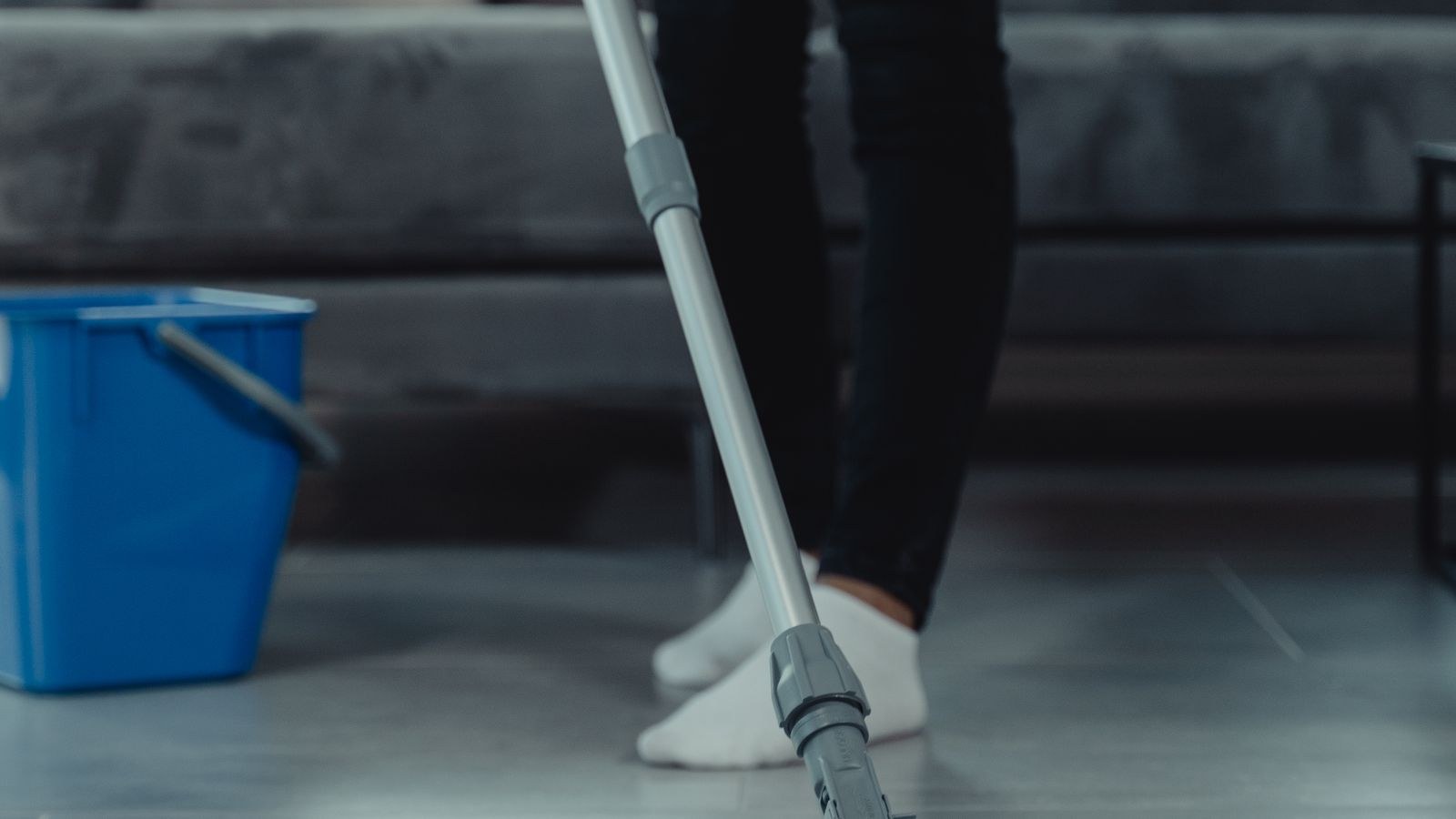
Inside a steam mop, a small boiler heats water well past the boiling point and forces vapour through holes in the head into a microfibre pad pressed against the floor. Three things happen at once. The heat softens dried and greasy soil, the moisture dissolves water-soluble residue, and the pad physically lifts the loosened material away. Sanitizing happens because sustained contact with sufficiently hot vapour disrupts many bacteria and dust mites.
Two details are easy to miss. First, the pad does most of the actual removal, so a saturated or dirty pad simply spreads soil around. Swapping to a fresh pad partway through a large floor makes a bigger difference than any specification on the box. Second, steam mops do not remove loose debris. You must vacuum or sweep first, or grit will be dragged across the floor and driven into the pad.
It also helps to be realistic about sanitizing claims. Steam reduces surface bacteria substantially with proper dwell time, but it is not a disinfectant in the regulated sense and it does not reach into grout lines or textured tile without slow, deliberate passes.
Which Floors Are Safe to Steam
The governing principle is simple: steam is safe on hard flooring that is fully sealed and impermeable to moisture, and unsafe on anything that can absorb water or has a heat-sensitive adhesive or finish.
Generally Safe
- Ceramic and porcelain tile with sound, sealed grout. This is the ideal steam surface and where the technology performs best.
- Sealed natural stone such as granite or slate, provided the sealant is intact and recent.
- Vinyl and linoleum sheet flooring in good condition, using a low steam setting and keeping the head moving.
- Sealed hardwood with an intact modern polyurethane finish, on the lowest setting and with brief contact only.
Avoid Entirely
- Laminate flooring. The core is compressed fibreboard. Moisture entering the seams swells it permanently and lifts the edges.
- Unsealed or waxed wood. Steam clouds wax finishes and raises the grain on unsealed boards.
- Engineered wood with a thin veneer. Repeated steam can delaminate the wear layer from its substrate.
- Unsealed stone, marble, and porous tile. These absorb moisture and can stain or spall.
- Luxury vinyl tile with adhesive backing. Heat can soften the glue and cause tiles to shift or curl at the edges.
- Any floor with visible gaps, cracks, or worn finish. These are direct routes for water to reach the subfloor.
When in doubt, check the flooring manufacturer’s guidance rather than the mop manufacturer’s. Many flooring warranties explicitly exclude damage from steam cleaning, and that exclusion overrides any general claim on the appliance packaging.
Testing Before You Commit
Always trial a new machine in an inconspicuous corner, a closet floor or the area behind a door. Steam a small patch, let it dry fully, then inspect for clouding, whitening, raised grain, lifted edges, or a change in sheen. Wait a full day before judging, because some damage appears only after the moisture works its way in.
Heat-Up Time and Steam Control
Heat-up time is the wait between switching on and producing usable steam, and it varies from around 15 seconds on models with small flash boilers to two minutes or more on machines with larger reservoirs. Fast heat-up matters most for quick kitchen cleanups, where waiting is the thing that stops you bothering. Slower heat-up is a fair trade if it comes with longer continuous run time.
Steam control is more important than raw heat. Single-setting machines deliver one output level regardless of surface, which forces you to manage exposure purely by how fast you move. Multi-level control lets you use a light setting on sealed wood and vinyl, a medium setting for everyday tile, and maximum output for grease or grout. If your home mixes surfaces, adjustable steam is close to essential.
Check how steam is triggered as well. Continuous-output models keep producing vapour whenever they are on, which risks over-wetting when you pause. Trigger or motion-activated designs release steam only while you are actively mopping, which uses less water and reduces the chance of leaving a wet patch.
Tank Size and Run Time
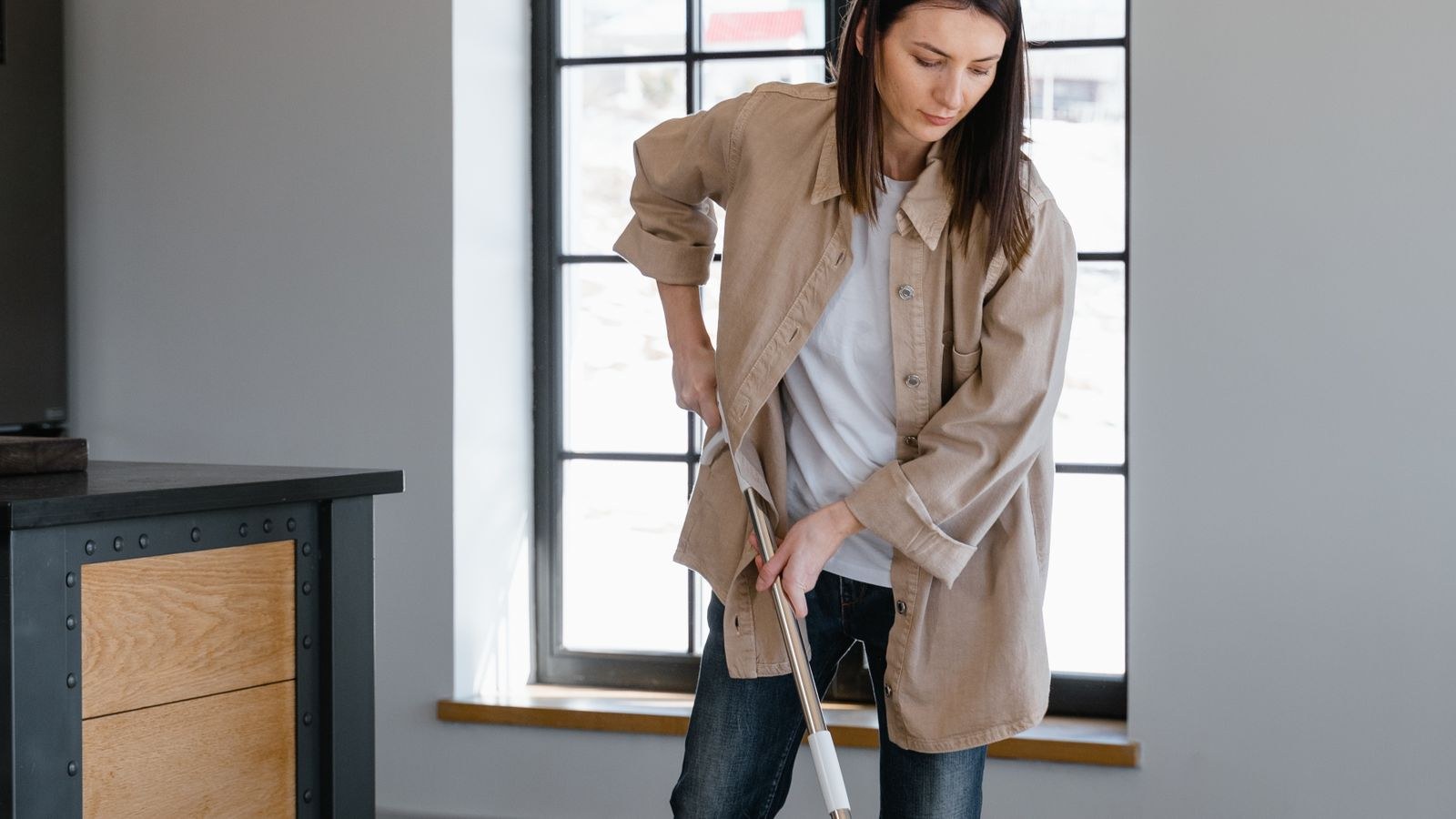
Reservoir capacity typically ranges from about 10 to 25 fluid ounces, translating to roughly 10 to 30 minutes of continuous steaming. That is enough for a kitchen and bathroom on a small tank, or a full ground floor on a larger one. Bigger tanks add weight to a tool you hold upright for the whole session, so a heavy machine with a huge reservoir can be more tiring than a lighter one you refill once.
Look for a removable tank rather than a fixed one with a small filler port, since removable tanks are far easier to fill and empty. Check whether the tank can be refilled mid-session or requires the unit to cool first, because a machine you must wait for is a machine you will use less. Always empty the tank after use rather than leaving water standing inside.
Water Quality Matters More Than You Think
Hard water is the leading cause of premature steam mop failure. Minerals precipitate inside the boiler and gradually block the steam channels, which shows up first as reduced output and eventually as a machine that produces almost nothing. In hard-water areas, use distilled or demineralised water from the beginning, and descale on the schedule the manual specifies. Some models include a built-in filter or an anti-calc cartridge, which is a genuinely useful feature if your supply is hard.
Pad Systems and Head Design
The pad is the working surface, and pad quality varies more between models than steam output does. Look for thick microfibre with a dense pile, which holds more dissolved soil before saturating. Machines that ship with several pads, or that use widely available replacements, are cheaper to live with. Check the attachment method too: hook-and-loop pads are quick to swap, while stretch-on sock pads stay put better but are fiddly when hot.
Head shape determines reach. Triangular heads get into corners and along skirting boards far better than rectangular ones. A swivel joint with a wide range of motion lets you steer around chair legs without lifting the machine. A low profile head that slides under cabinet toe-kicks and beneath furniture saves a great deal of manual finishing.
Some models add a scrubbing strip or a detachable grout brush for textured tile, and a carpet glide accessory that lets you refresh rugs with steam without wetting them through. Those extras are useful, but pad quality and head geometry affect every single pass and should be prioritized.
Steam Mops Versus Vacuum Mops and Regular Mopping
A steam mop is a cleaning tool, not a floor care system. It cannot pick up crumbs, hair, or grit, so it always follows a vacuum. Vacuum mop combination machines take a different route, using suction plus a wet roller to lift debris and liquid in one pass, and they are far more convenient for households that want a single tool. The trade-off is that they use cold or warm water rather than steam, so they lack the grease-cutting and sanitizing effect. The roundup of the best vacuum mops explains how those hybrid machines compare on roller design and drying performance.
For hard flooring generally, matching your vacuum to the surface matters as much as the mop you pair it with. Homes with wood should look at the best vacuum cleaners for hardwood floors, where soft rollers and sealed suction avoid scratching, while tile-heavy homes benefit from the designs in the best vacuums for tile floors comparison, which handle grout lines and textured surfaces better. If your home is entirely hard-surfaced, the broader best vacuum hard floors guide covers the full range, and our vacuums for hardwood floors guide explains which brush and filtration choices protect a wood finish over the long term.
Budget Tiers and What Changes
Entry-level steam mops offer a single steam setting, a small fixed tank, a basic rectangular head, and one or two pads. They work perfectly well on tile in a small home if you accept the lack of surface flexibility. Mid-range models add adjustable steam levels, a removable tank, a swivel triangular head, faster heat-up, and a better pad set. For most households this tier is the right buy.
Premium machines bring rapid heat-up, precise steam regulation, detachable handheld units for worktops and appliances, anti-calc filtration, and accessory kits for grout and upholstery. They justify their price if you have a large hard-floored home, hard water, or a variety of surfaces that need different settings.
Common Mistakes to Avoid
- Steaming laminate. The most frequent and most expensive error, and one that voids most flooring warranties.
- Skipping the vacuum step. Grit under the pad scratches floors and ruins pads quickly.
- Resting the head in one spot. Concentrated steam forces moisture into seams; keep the head moving at all times.
- Reusing a dirty pad. A saturated pad redistributes soil instead of removing it.
- Adding detergent or vinegar to the tank. Additives damage the boiler and clog steam ports unless the manual explicitly allows them.
- Ignoring descaling. Mineral scale is the main reason steam output declines over time.
Frequently Asked Questions
Can I steam mop sealed hardwood floors?
Cautiously, yes, if the polyurethane finish is intact with no gaps or worn patches. Use the lowest steam setting, move continuously, and never linger. Many wood flooring manufacturers still advise against it, so check your warranty before making it a routine.
Do steam mops really sanitize?
They substantially reduce surface bacteria and dust mites when the steam is hot enough and contact is sustained. They are not a replacement for a registered disinfectant in situations where that is genuinely required, and they do not clean deep into grout without slow passes.
How often should I replace the pads?
Wash pads after every use without fabric softener, which clogs microfibre. Replace them when the pile flattens and they stop holding soil, typically after several dozen washes depending on how heavily soiled your floors are.
Why has my steam mop stopped producing steam?
Limescale blocking the boiler or steam ports is the usual cause. Descale according to the manual, switch to distilled water, and check that the tank is seated correctly and the ports in the head are clear.
Can I use a steam mop on carpet?
Only with a carpet glide accessory designed for the purpose, and only to refresh and deodorize rather than deep clean. Without the glide, steam over-wets carpet and can damage the backing.
Final Thoughts
Buying a steam mop starts with your floors, not the machine. Confirm that your surfaces are sealed, impermeable, and not laminate, then choose a model with adjustable steam so you can dial output down for the more delicate areas and up for kitchen grease. Prioritize pad quality, head shape, and a removable tank over headline heat figures, use distilled water if your supply is hard, and always vacuum first. Handled that way, a steam mop is one of the most satisfying cleaning tools in the house, turning a bucket-and-detergent chore into a fast pass that leaves floors genuinely clean and dry within minutes. Shop with those priorities in 2026 and you will avoid both the disappointing machines and the far costlier flooring mistakes.