
 Owen Bradley
 Sitting for eight or more hours a day has quietly become one of the biggest health risks of modern work life. A sit-stand desk offers a simple, evidence-backed way to break up long sitting stretches without disrupting your workflow, and it has moved from a niche ergonomic gadget to a mainstream fixture in home offices everywhere. This guide explains exactly how alternating between sitting and standing affects your body, how to build a healthy routine around it, what features matter most, and how to choose the right setup for your space and budget.
Why Prolonged Sitting Is a Problem
Research consistently links long, uninterrupted sitting with a higher risk of cardiovascular disease, weight gain, poor circulation, and musculoskeletal pain. The issue isn’t sitting itself, but the lack of movement over hours at a time. Muscles that stay inactive burn less fat, blood flow slows, and the lower back and hips absorb constant static pressure. Over months and years, this sedentary pattern compounds, contributing to stiffness, reduced mobility, and metabolic changes that are hard to reverse.
Researchers sometimes describe extended sitting as its own independent risk factor, meaning that even people who exercise regularly can still face elevated health risks if they spend the rest of the day motionless at a desk. That’s the key insight behind sit-stand desks: the goal isn’t to stand all day, but to interrupt long static periods and reintroduce natural movement into the workday. A sit-stand desk directly addresses this by making it effortless to change position every 30 to 60 minutes.
Key Health Benefits of a Sit-Stand Desk
Improved Posture and Reduced Back Pain
Alternating between sitting and standing prevents any single set of muscles from staying under load for too long. Standing engages your core and legs, which can relieve pressure on the lumbar spine that builds up during extended sitting sessions. Many users report noticeably less lower back stiffness within the first few weeks of regular use, particularly those who previously slouched forward toward their monitor for hours at a time.
Better Circulation and Lower Cardiovascular Risk
Standing periodically keeps blood flowing more efficiently through your legs, reducing the pooling that contributes to varicose veins and swelling in the lower limbs. Some studies associate regular standing breaks with modest improvements in blood sugar regulation, especially after meals, and with small but meaningful benefits to cardiovascular markers over time.
Increased Energy and Focus
Movement, even light shifts like standing up or gently swaying, boosts alertness compared to remaining static. Many remote workers find that standing during calls or reading tasks helps combat the mid-afternoon energy slump without needing extra caffeine. The simple act of changing posture appears to reset attention and reduce the drowsy, foggy feeling that creeps in during long sitting stretches.
More Calories Burned Throughout the Day
Standing burns modestly more calories per hour than sitting. While it won’t replace exercise, the cumulative effect of standing for a few hours daily adds up meaningfully over weeks and months, especially when paired with short walks. The bigger benefit is often the incidental movement standing encourages, such as shifting weight, pacing during a call, or stepping away more readily.
Reduced Risk of Weight Gain and Metabolic Slowdown
Because standing keeps your metabolism slightly more active and encourages more incidental movement, it can help offset the sedentary nature of desk-based work. Combined with a habit of walking during breaks and staying hydrated, a sit-stand routine supports steadier energy and can help prevent the gradual weight creep many desk workers experience over the years.
Less Neck and Shoulder Tension
When your desk and monitor are set at the correct standing height, you’re less likely to hunch or crane your neck forward. Properly configured, standing intervals can relieve the upper-back and shoulder tightness that often accompanies long hours locked in a single seated position.
How to Choose the Right Sit-Stand Desk
Not all standing desks are created equal, and the right choice depends on your space, budget, and how often you plan to switch positions. When comparing options, check out this roundup of the best sit-stand desks for models that balance stability, adjustment speed, and price.
Electric vs Manual Height Adjustment
Electric desks use a motor to raise and lower the surface at the push of a button, making transitions effortless and encouraging more frequent position changes. Manual crank desks cost less but require more effort, which can discourage consistent use. If your budget allows, electric adjustment is worth the investment for long-term consistency, since the easier a transition is, the more likely you are to actually make it several times a day.
Desktop Converters vs Full Desks
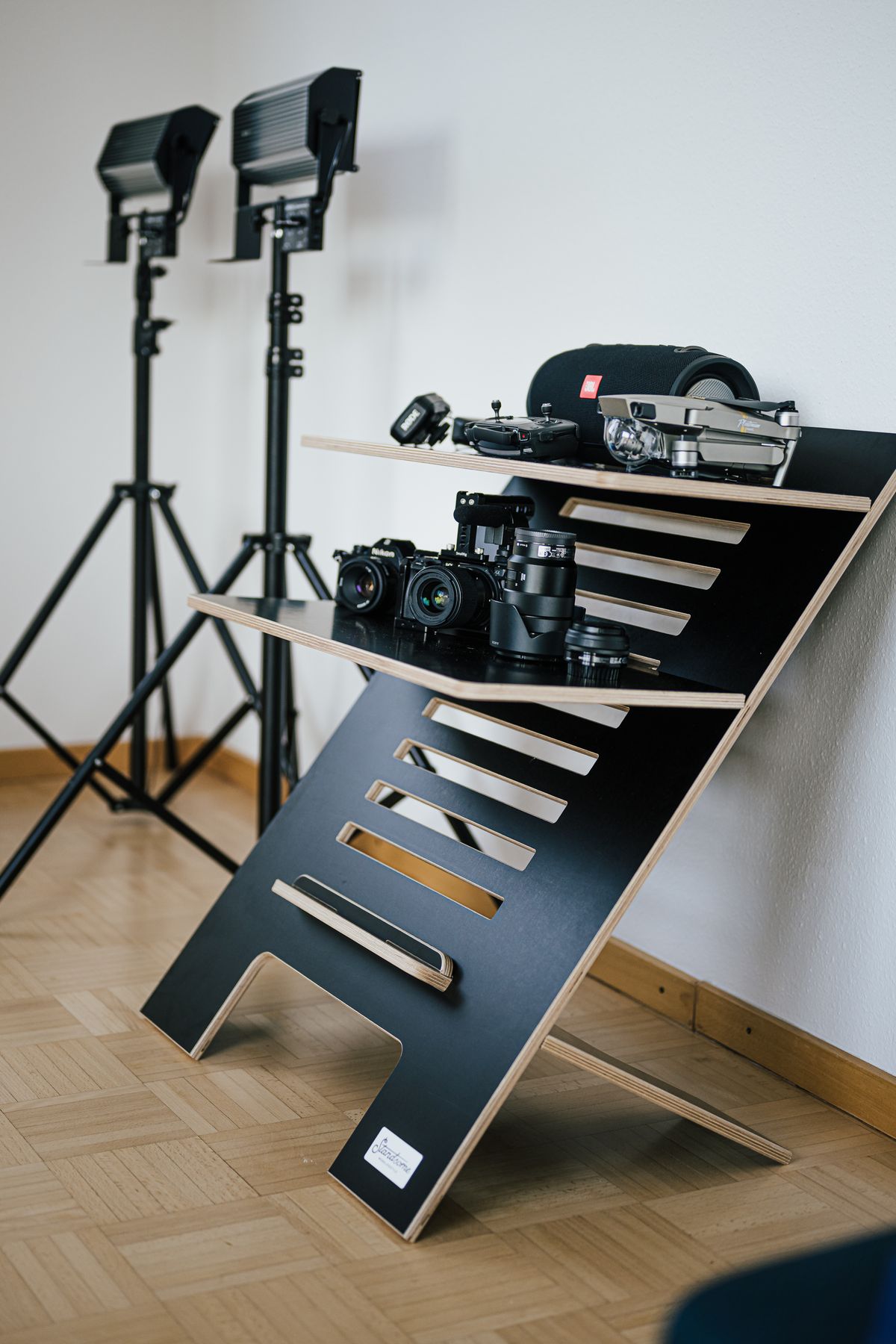
If you already own a desk you like, a converter that sits on top and raises your monitor and keyboard can deliver similar benefits at a lower cost. Full sit-stand desks, on the other hand, offer more surface space and a cleaner look, and many of the best standing desks now include memory presets for saving your preferred sitting and standing heights so you can switch with a single button press.
Stability at Full Height
A wobbly desk at standing height is distracting and can even damage sensitive equipment like monitors. Look for a sturdy frame, ideally with dual motors and crossbar or telescoping leg support, especially if you plan to type actively while standing or place heavier equipment on the surface.
Height Range and Weight Capacity
Check that the desk’s lowest and highest settings actually suit your body, since taller and shorter users can fall outside a limited range. Also confirm the weight capacity accommodates your monitors, laptop, and accessories with room to spare, as motors strain and wear faster when consistently loaded near their limit.
Building a Healthy Sit-Stand Routine
Simply owning a standing desk isn’t enough; the benefits come from actually alternating positions throughout the day. A common approach is the 30:30 or 45:15 rule, switching between sitting and standing roughly every half hour to 45 minutes. Set a phone or desktop reminder until the habit becomes automatic, and tie transitions to natural breakpoints like finishing an email or joining a call.
Start Gradually
If you’re new to standing while working, ease into it. Begin with 15 to 20 minutes of standing per hour and slowly increase as your legs and lower back adapt. Jumping straight to several hours of standing can cause its own discomfort, including foot and knee soreness that discourages you from continuing.
Use an Anti-Fatigue Mat
Standing on a hard floor for extended periods can strain your feet and joints. An anti-fatigue mat cushions your stance and encourages subtle shifts in weight that keep circulation active. Supportive footwear helps too, so avoid standing barefoot on hard flooring for long stretches.
Pair Standing With Movement
Standing still for long stretches isn’t much better than sitting still. Use standing time to stretch, shift your weight, or take short walking breaks to maximize the circulation and energy benefits. A few calf raises or a short walk to refill your water bottle turns a passive standing interval into genuine movement.
Dial in Your Ergonomics
When standing, your elbows should rest at roughly a 90-degree angle with your wrists straight, and the top of your monitor should sit near eye level so you’re not looking down. Recheck these angles for both your sitting and standing presets, since a height that’s correct for one position is almost never correct for the other.
Common Mistakes to Avoid
Many people set their desk height incorrectly, leading to shoulder or wrist strain. Others treat standing as an all-or-nothing switch, standing all day until their feet ache and then abandoning the habit entirely. Avoid locking your knees or standing on one leg for long periods, as this creates uneven strain. Finally, don’t buy a desk that wobbles at full height just to save money, since instability quickly kills your motivation to raise it at all.
Budget Considerations
Desktop converters are the most affordable entry point and work well if you’re testing whether a sit-stand routine suits you. Mid-range electric desks offer the best balance of stability, quiet motors, and convenience for most home offices. Higher-end models add faster motors, sturdier frames, memory presets, and better warranties, which matter most if you plan to use the desk heavily for years. Whatever your budget, prioritize frame stability and motor quality over cosmetic extras.
Frequently Asked Questions
How long should I stand at my desk each day?
Most experts recommend building up to a total of two to four hours of standing spread across the day, alternated with sitting and short walking breaks rather than done all at once.
Can a sit-stand desk help with chronic back pain?
Many users experience relief because alternating positions reduces sustained pressure on the spine, though it should complement, not replace, good posture, an ergonomic chair, and movement.
Is an electric standing desk worth the extra cost?
If you plan to switch positions multiple times a day, an electric desk makes the habit far easier to maintain, which usually translates into greater long-term health benefits.
Do I still need a good chair if I have a standing desk?
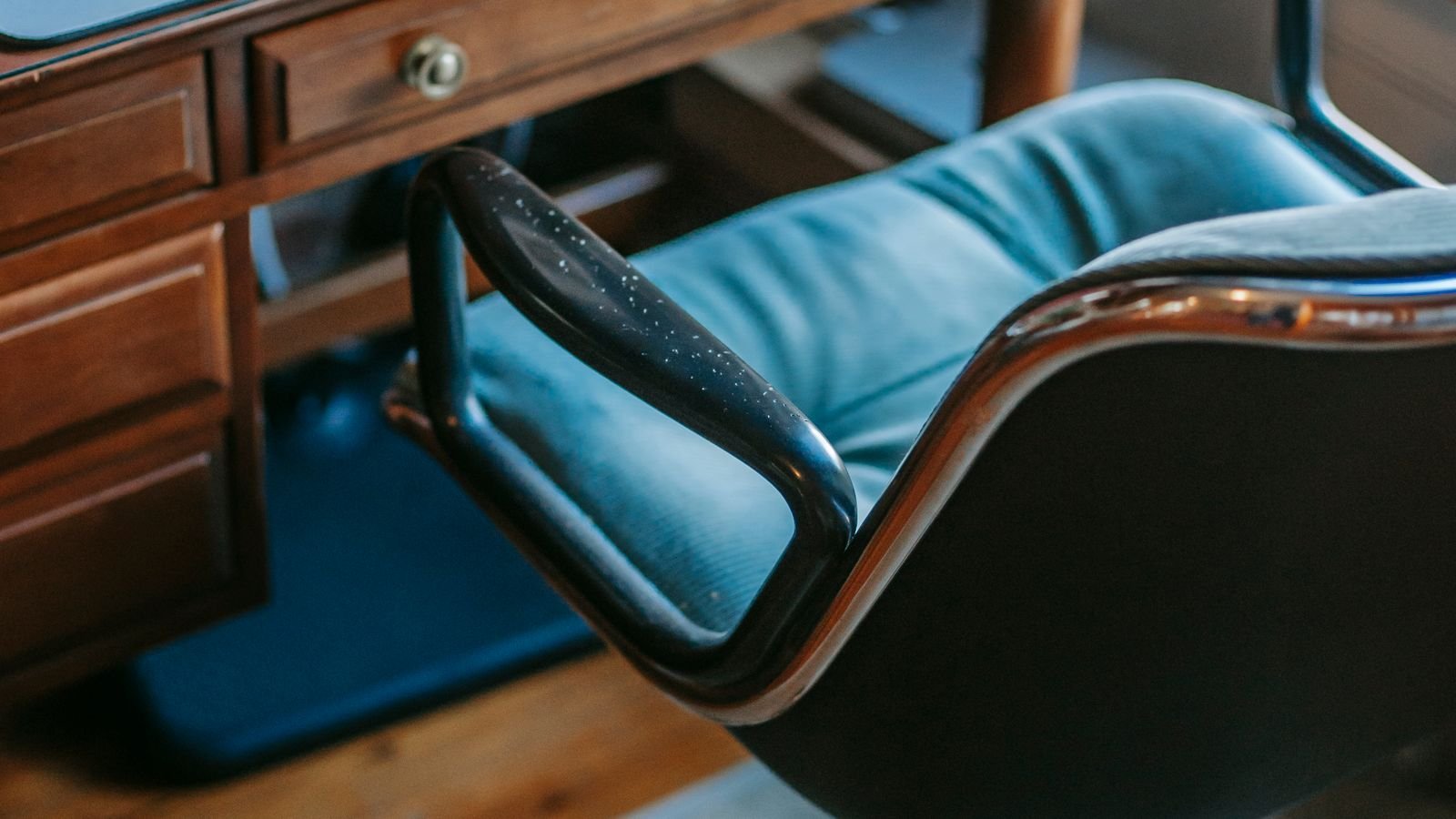
Yes. Even with regular standing intervals, you’ll spend significant time seated, so a supportive ergonomic chair remains essential for a healthy setup.
Will a standing desk fix bad posture on its own?
Not by itself. Standing with poor posture is still harmful, so proper monitor height, elbow angle, and mindful alignment matter as much as the desk itself.
Final Thoughts
A sit-stand desk is one of the simplest upgrades you can make to a sedentary workday, offering real benefits for posture, circulation, energy, and long-term health when used consistently. Pair the right desk with a gradual routine, supportive accessories, correct ergonomics, and regular movement breaks to get the most out of your setup and turn a static workday into a more active, comfortable one.






Comments are closed.
No reviews yet. Be the first to share your experience!