Owen Bradley
 Every parent who has tried to manage screen time eventually hits the same fork in the road: control it at the router, so the rules apply to everything on the home network, or install an app on each device so the rules follow the child wherever they go. Both approaches work, both have obvious blind spots, and the marketing for each conveniently ignores what the other does better. Router parental controls are invisible, unbypassable on your own Wi-Fi and free with hardware you already own. Apps are granular, portable and far better at content filtering, but they cost money and can often be uninstalled. This guide compares them on coverage, bypass resistance, cost and practicality so families can choose a setup that survives mobile data, private browsing and a determined teenager in 2026.

How Router Parental Controls Work
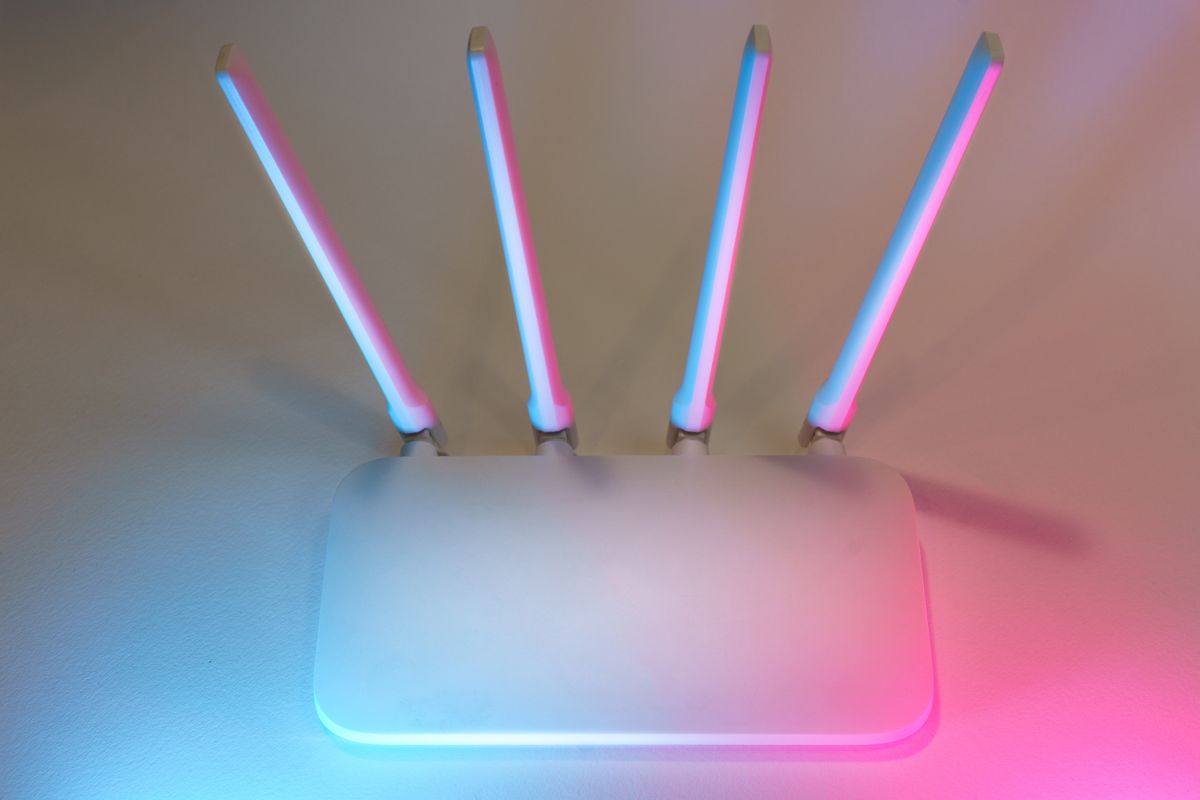
Router controls operate at the network level. The router sees traffic from each connected device, identified by its hardware address, and applies rules such as blocking certain categories of website, pausing internet access entirely, or enforcing a schedule that cuts off access at bedtime. Because the enforcement happens on the router, nothing needs to be installed on the child’s device and nothing can be uninstalled by them.
Most filtering at this layer is DNS-based: when a device asks for the address of a site, the router checks the domain against a category list and refuses to answer if it is blocked. This is fast, uses no meaningful processing power and works on every device including consoles and televisions. It is also blunt, because it blocks whole domains rather than specific content within them.
What Routers Do Well
Scheduling is where router controls shine. Cutting Wi-Fi to a set of devices at a fixed hour is trivial, reliable and needs no cooperation from the child. Profiles let you group all of one person’s devices together, so a pause applies to their phone, tablet and console at once. Time budgets, where a device gets a daily allowance rather than a fixed window, are increasingly common on better hardware.
Coverage is the other strength. Games consoles, smart televisions, streaming sticks and handheld devices cannot run parental control apps, so the router is the only place to govern them. If most of the friction in your house involves a console or a TV, network-level control is the obvious answer. Our roundup of the best parental control routers covers models with proper profile systems rather than a single crude on-off switch.
How Parental Control Apps Work
Apps install on the device itself and hook into the operating system. That position gives them information the router will never have: which app is running, for how long, what was typed, what a screenshot contains, and where the device physically is. Built-in options from the major mobile platforms are free and well integrated, while third-party subscription services add cross-platform reporting, keyword alerts and more aggressive filtering.
Because they sit on the device, apps keep working on mobile data, on a friend’s Wi-Fi and at school. That portability is the single biggest thing routers cannot match, and for a child with a smartphone it usually decides the argument. Apps also handle encrypted content and in-app browsing far better, since they see the application rather than just a domain name.
Where Apps Fall Short
Apps must be installed on every device, which means one per phone, tablet and computer, and they often behave differently across platforms. Some can be removed, disabled or defeated by factory resetting the device. On desktop operating systems a child with an administrator account can usually undo anything. And good third-party options are subscriptions, so the cost recurs indefinitely.

Bypass Resistance: The Honest Comparison
This is where families get caught out. Router controls are unbypassable on your own network by a child without admin access, but they evaporate the moment the device uses mobile data or connects to a neighbour’s Wi-Fi. They can also be defeated by changing the device’s DNS settings manually, or by installing a VPN app that tunnels straight past the filter. A determined teenager will find both of these within an afternoon.
App controls survive network changes but not device-level tampering. On managed platforms with a properly locked account they are quite robust; on a laptop where the child is an administrator, they are decorative. Neither approach handles the simplest workaround of all, which is using someone else’s device entirely.
The practical conclusion is that layering beats choosing. Router controls for the home network and the devices that never leave it, plus app controls on portable devices, closes most of the gaps each leaves individually.
Closing the DNS and VPN Loopholes
Better routers can force all DNS requests through the router regardless of device settings, which shuts down the manual DNS workaround. Some can also block known VPN traffic for specific profiles. If bypass resistance matters to you, look for these two capabilities specifically rather than assuming any router with a parental control tab has them. The best routers with parental controls roundup notes which models offer enforced DNS and per-profile blocking rather than basic scheduling alone.
Cost, Setup and Ongoing Effort
Router controls are typically free with the hardware, though several manufacturers gate the good features, including detailed reporting and category filtering, behind a subscription. Read the fine print before buying, because a router advertised as having parental controls may only include them for a trial period.
Setup is a one-off evening: identify each child’s devices, group them into profiles, set schedules, choose filtering categories. If you have never done it, our walkthrough on how to set up parental controls on your router covers the admin steps in order. The ongoing effort is small but not zero, mainly because new devices join and must be assigned to the right profile, and because devices that randomise their hardware address can appear as strangers and slip outside the rules. Turning off address randomisation on your children’s devices for the home network solves that.
Apps need per-device installation and per-platform learning, and third-party services charge monthly or annually. Their reporting is much richer, which is either valuable insight or an unwelcome time commitment depending on your family.
Coverage Problems in Bigger Homes
One practical trap: parental controls only work on devices connected through the router doing the enforcement. In a house with range extenders or a mixed setup, some devices may connect through equipment that bypasses the rules entirely. Mesh systems avoid this because the whole home operates as one managed network with a single set of profiles, which is why families in larger houses often find controls only became reliable after upgrading. Our guide to the best mesh WiFi systems covers whole-home options that keep one policy across every access point.
Security hygiene matters here too, because a child who can reach the router’s admin page can simply delete the rules. Use a strong admin password different from the Wi-Fi password, and keep firmware current. Our list of the best secure WiFi routers highlights models with solid update records and locked-down management interfaces.
Choosing the Right Mix
- Young children, home devices only: router controls alone are usually enough and need nothing installed.
- Primary-age children with a tablet: router schedules plus the platform’s built-in free controls on the tablet.
- Teenagers with smartphones: apps are essential because mobile data makes router rules irrelevant away from home.
- Console-heavy households: router profiles are the only way to enforce limits on the console itself.
- Shared family computer: use separate non-administrator accounts, then layer router scheduling on top.
Common Mistakes Parents Make
The first is relying on one layer and assuming it is complete. Router-only setups fail the instant a phone switches to mobile data; app-only setups miss the television and the console entirely. The second is setting rules secretly. Controls discovered rather than explained become a challenge to defeat, and the technical arms race that follows is one parents rarely win.
A third mistake is blocking by category and considering the job done. Category lists are imperfect, they over-block harmless sites and under-block new ones, and no filter substitutes for conversation about what to do when something upsetting appears. Finally, many families never revisit the settings, so a fourteen-year-old lives under rules written for a nine-year-old, which guarantees they will be circumvented. Review limits as children grow and hand back control gradually.
Frequently Asked Questions
Can my child bypass router parental controls?
On the home network, only by changing DNS settings, using a VPN or reaching the router admin page. Enforced DNS, VPN blocking and a strong admin password close all three. Off the home network, router rules simply do not apply.
Are free built-in app controls good enough?
For most families, yes. The platform tools handle screen time, app limits and content ratings well. Paid services mainly add cross-platform dashboards, keyword monitoring and detailed reports, which matter more for older children.
Do parental controls slow down the internet?
DNS-based filtering has no noticeable effect. Deeper inspection on a low-powered router can reduce throughput, so check whether the feature is DNS filtering or full traffic analysis if you have a fast connection.
Will controls block YouTube or gaming chat?
Router filtering blocks entire domains, so it is all-or-nothing for a platform. In-app content filtering requires the platform’s own settings or a device-level app, which is a genuine limitation of network-only approaches.
What about devices that change their address randomly?
Address randomisation can make a known device appear new and escape its profile. Disable the feature for your home network in each child’s device settings so profiles stay attached reliably.
Final Thoughts
Router parental controls and parental control apps are not competitors so much as different halves of the same job. The router covers everything in the house, including the devices that can never run software, and enforces bedtimes without argument. Apps travel with the child, understand what is happening inside applications and keep working on mobile data. Families who pick one and stop are the ones who later discover an obvious gap. The most workable setup in 2026 is a capable router with real profiles, enforced DNS and consistent coverage across the whole home, plus the built-in controls on each portable device, wrapped in an honest conversation about why the limits exist. Technical controls buy time; the conversation is what actually lasts.