Owen Bradley
 Every home has places wiring never reached: a closet with no fixture, a basement stairwell, the back of a deep pantry, a shed, a garage corner, a rental where drilling is not an option. Until recently the answer was a flashlight or a clip lamp trailing an extension cord. Rechargeable and battery-powered lighting has quietly become good enough to solve these problems properly, with real brightness, real runtime, and a real place in a home’s lighting plan rather than as an emergency stopgap. The category also spans radically different products — from bulbs that keep working during a power cut to strip lights that stick to a cabinet — and the buying criteria differ sharply between them. This guide covers what to look for across the whole category in 2026.

The Main Categories and What Each Solves
- Rechargeable bulbs — screw into a normal socket and charge from mains power while switched on, then keep working when the power fails. Ideal for outage resilience and for lamps you occasionally move.
- Battery-powered LED strips — adhesive tape lights with a battery pack. Perfect for cabinets, closets, shelves, and rentals where no outlet is nearby.
- Puck and disc lights — small round units, often motion-activated, for closets, cupboards, and stair treads.
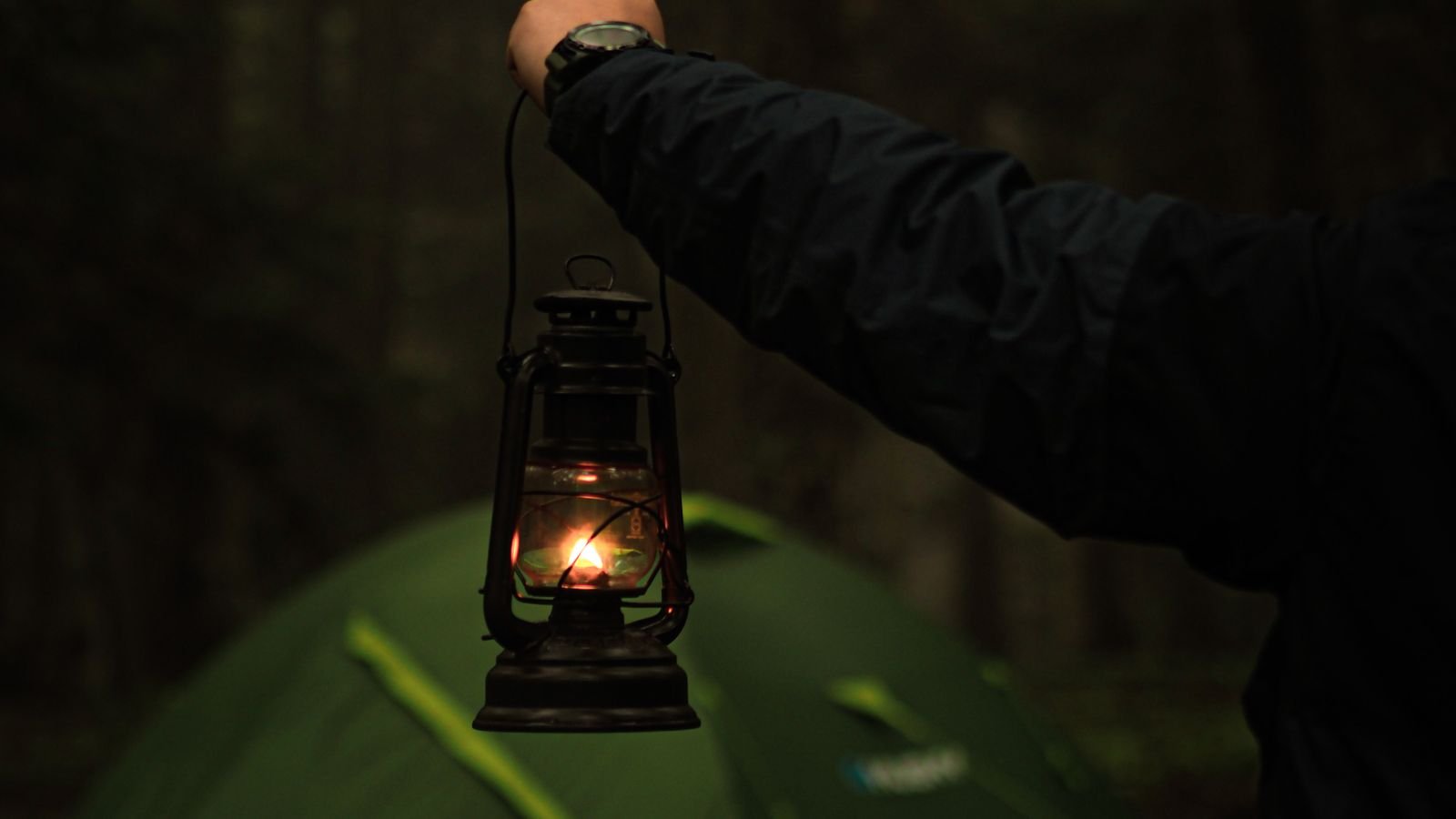
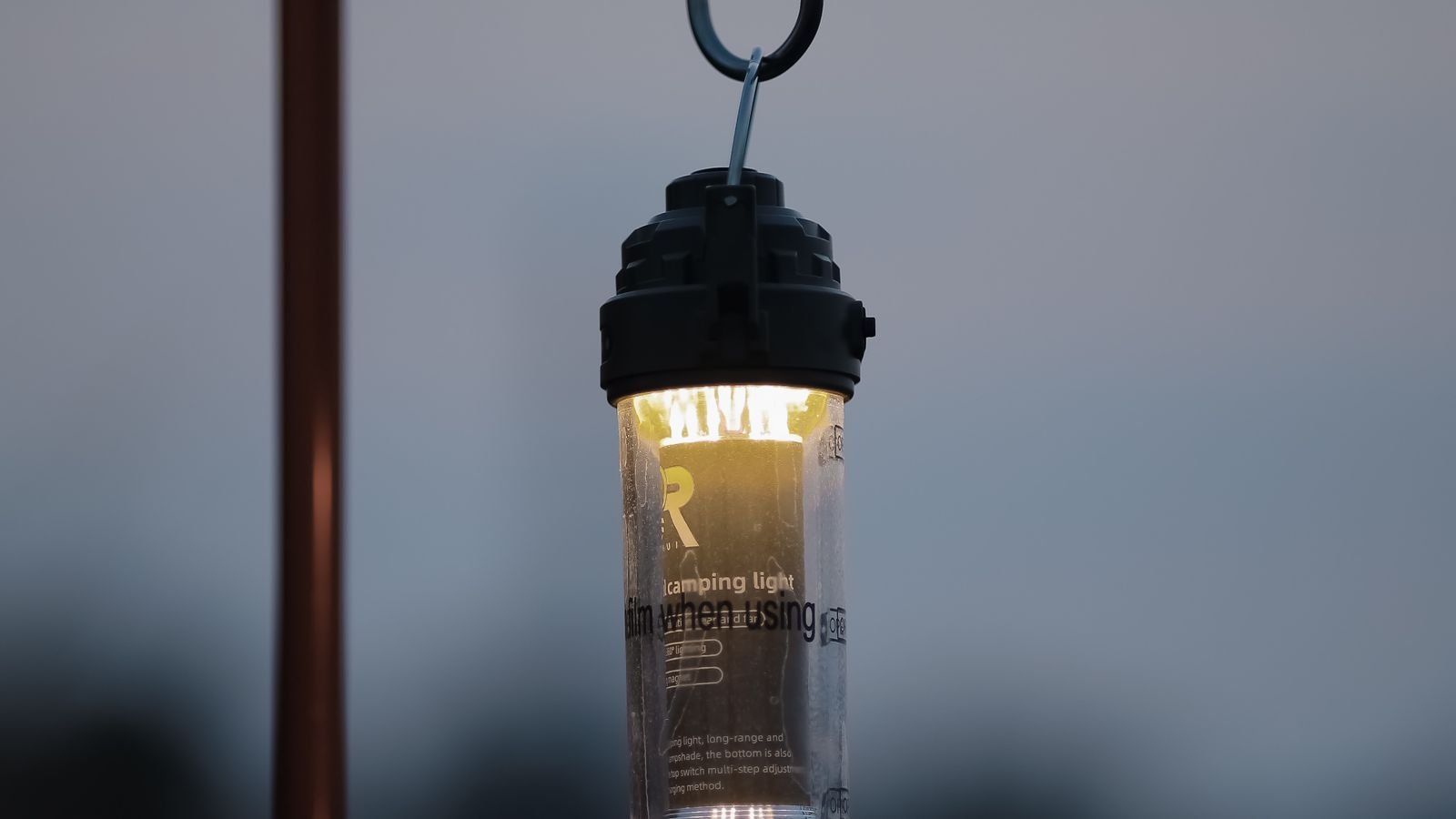
- Rechargeable lanterns — omnidirectional area light for camping, outages, and outdoor use.
- Portable table lamps — cordless lamps with several hours of runtime for patios, balconies, and dinner tables.
- Motion sensor lights — battery-powered fixtures for hallways, garages, and entries, activating only when needed.
- Under-cabinet bars — rechargeable linear lights for kitchen counters and workbenches.
Identify which of these actually matches your problem before comparing specs, because a great lantern is a poor closet light and vice versa.
Battery Technology: The Spec That Determines Everything
The battery decides runtime, recharge convenience, lifespan, and long-term cost, and it deserves more attention than the lumen figure on the box.
Lithium-ion rechargeable is the mainstream choice. It offers high energy density, hundreds of charge cycles, and no memory effect, and it holds voltage well so brightness stays consistent rather than fading gradually. Most quality products use it.
LiFePO4 is a lithium chemistry variant with a much longer cycle life and better thermal safety, appearing in premium and solar-charged products. It costs more and stores slightly less energy per gram, but it lasts far longer.
NiMH rechargeable AA/AAA cells offer flexibility — you can swap in fresh cells rather than waiting for a recharge — at the cost of lower energy density and gradual self-discharge.
Disposable alkaline batteries make sense only for very low-drain applications like a motion-activated closet light that runs a few minutes a day. For anything used regularly, the ongoing cost and waste quickly outweigh the lower purchase price.
Look for capacity stated in milliamp-hours (mAh) alongside the claimed runtime, and treat runtime claims as best-case figures measured at the lowest brightness setting.
Understanding Runtime Claims
Runtime is where marketing is at its most creative. A product advertising “up to 100 hours” is almost always quoting its dimmest setting, and the same unit might manage four hours at full output.
Look for a runtime table across brightness levels rather than a single headline number. Be aware that runtime drops substantially in cold conditions — lithium cells can lose a third of their capacity near freezing, which matters for garage, shed, and outdoor use. Also note that most quality lights taper output as the battery depletes rather than cutting off abruptly, so effective usable time is often longer than the specification suggests, just at reduced brightness.
For practical planning, assume roughly half the advertised runtime at a brightness you would actually want to use.
Charging Methods and Convenience
How a light recharges shapes whether you will actually keep it charged, which is the difference between a useful tool and a dead one in a drawer.
USB-C is now the standard to look for. It is reversible, fast, and uses the same cable as your phone and laptop. Older micro-USB ports still appear on budget products and are worth avoiding where you have the choice.
Magnetic charging bases and docks are excellent for products you return to the same spot, since dropping the light on its base is effortless and the light stays permanently topped up.
Solar charging suits outdoor products, though panel size matters far more than the marketing suggests and cloudy weeks will leave you short.
Charge time is worth checking against runtime. A light offering eight hours of use but requiring ten hours to charge is impractical for daily use; look for a ratio that lets you recharge overnight.
Brightness Expectations by Use Case
Battery-powered lighting cannot match mains lighting for sustained output, because brightness and runtime trade directly against each other. Set expectations accordingly.
- Closet and cabinet lighting — 50 to 150 lumens is plenty. These run briefly and only need to reveal contents.
- Stair and hallway safety lighting — 20 to 80 lumens, ideally motion-triggered so runtime lasts months.
- Task lighting at a workbench — 300 to 800 lumens, expect a few hours per charge.
- Area lighting during an outage — 200 to 600 lumens from a lantern lights a room adequately.
- Rechargeable bulbs in a lamp — 400 to 800 lumens, giving normal lamp performance on mains with backup capability.
- Outdoor and patio ambience — 100 to 300 lumens, warm, with long runtime prioritized over output.
The habit worth building is buying for the dimmest setting you will genuinely accept, because that is where the runtime lives.
Rechargeable Bulbs for Power Outages
Rechargeable bulbs deserve special attention because they solve a problem nothing else solves as elegantly. They screw into any standard socket and behave like ordinary bulbs, drawing mains power and topping up an internal battery. When the power fails, they keep running for a few hours on that stored charge — the lights simply stay on.
Two details matter when shopping. First, the wall switch must be left on for the bulb to charge, and some models will not illuminate on battery if the switch is off, while others include a pull-out or remote override. Second, battery capacity determines emergency runtime, typically three to six hours; check whether the bulb runs at full brightness or drops to a lower emergency level.
They are especially worthwhile in stairwells, hallways, and bathrooms — the places where an unexpected blackout is genuinely hazardous. Comparisons of the best rechargeable light bulbs lay out capacity and emergency runtime clearly, which is usually the deciding factor.
Battery-Powered Strips for Cabinets and Rentals
Battery strip lighting has found its niche in exactly the places wiring cannot reach: inside a wardrobe, under a kitchen cabinet, along a bookshelf, inside a pantry, or in a rental where you cannot run new circuits.
Look for motion activation with an adjustable timeout, which stretches battery life from weeks to many months by running the light only when the door opens. Check the mounting method — adhesive plus magnetic backing is ideal because it lets you remove the strip for charging without peeling anything. Consider whether the battery pack is integrated or separate; separate packs are easier to recharge but need somewhere discreet to sit.
Runtime here is governed almost entirely by usage pattern rather than capacity. A closet strip triggered twenty times a day for fifteen seconds will run for months on a single charge. Reviews of the best battery-powered LED strip lights are the fastest way to see which combine decent output with sensible motion handling.
Solar as an Alternative Where Daylight Is Available
Outdoors, solar charging removes the need to remember anything. Garden path lights, shed lighting, fence-line strips, and porch fixtures all work well on solar, provided the panel gets several hours of direct sun daily.
The realistic limitations are worth stating plainly: output is modest, winter performance in northern latitudes drops sharply, and panels lose efficiency as they accumulate dust and pollen. Solar is excellent for decorative and wayfinding light and poor for anything you depend on. For continuous accent runs along a fence or deck, outdoor solar LED strip lights cover ground that individual stake lights cannot. Products in the best solar LED lights category vary enormously in panel and battery quality, and that is where the price differences actually go.
Budget Guidance
- $10–$25 — basic motion pucks, small closet strips, simple rechargeable bulbs. Adequate for low-demand jobs.
- $30–$70 — the value tier: proper lithium cells, USB-C charging, multiple brightness levels, honest runtime specs. Right for anything you will use weekly.
- $80–$200 — premium lanterns, cordless designer lamps, high-capacity work lights, LiFePO4 chemistry, weather sealing, and multi-year warranties.
The trap in this category is the very cheap end, where undersized cells and inflated lumen claims produce a light that is dead within a year. Buying once at the middle tier is almost always cheaper than replacing three budget units.
Care That Extends Battery Life
Lithium batteries respond well to a few simple habits. Avoid storing them fully depleted for long periods — a light left flat in a drawer for months may never recover. If you are storing a unit long-term, charge it to roughly half and top it up every few months. Keep batteries out of extreme heat, which is the single biggest cause of premature capacity loss, so avoid leaving a rechargeable lantern on a sunny dashboard or in an uninsulated attic.
Charge with the supplied cable or a reputable USB-C source rather than the highest-wattage charger you own, and stop using any unit whose battery has visibly swollen. Wipe solar panels a few times a year, since a dusty panel can lose a substantial share of its charging capacity.
Mistakes to Avoid
- Taking headline runtime claims at face value instead of checking the figure at usable brightness.
- Buying disposable-battery products for anything used daily.
- Choosing micro-USB charging in 2026 when USB-C costs nothing extra.
- Expecting solar lights to perform through a cloudy winter week.
- Mounting a strip with adhesive only, then having to peel it off every time it needs charging.
- Storing lithium products fully discharged over winter.
- Buying maximum lumens for a closet, where it only shortens runtime.
Frequently Asked Questions
How long do rechargeable light bulbs last during a power outage?
Typically three to six hours, depending on battery capacity and whether the bulb runs at full or reduced brightness on backup. Check that the wall switch stays on so the bulb can charge, and look for a model with a remote or pull-switch override if the switch is often turned off.
Are battery-powered strip lights bright enough for a kitchen?
For under-cabinet accent and finding things in a pantry, comfortably yes. For genuine counter task lighting used daily, a wired under-cabinet system is the better answer — battery strips bright enough for that job will need charging every few days.
Do rechargeable batteries in these lights wear out?
Yes. Lithium-ion cells typically deliver 300 to 500 full cycles before capacity noticeably declines, which for occasional use means many years. LiFePO4 models last considerably longer. Products with user-replaceable cells extend usable life well beyond that.
Can I leave a rechargeable light plugged in all the time?
With modern products, generally yes — they include charge management circuitry that stops charging when full. Rechargeable bulbs are designed for exactly this. The one thing to avoid is continuous charging in a hot location, since heat combined with a full charge accelerates capacity loss.
Final Thoughts
Cordless lighting has moved from novelty to a legitimate part of a well-planned home. Match the product type to the actual problem, prioritize lithium chemistry and USB-C charging, read runtime figures at a brightness you would really use, and choose motion activation wherever a light only needs to run for seconds at a time. Keep expectations realistic for solar, treat the very cheap tier as disposable, and store lithium cells partially charged rather than flat. Do that and you will have light in every corner of the house that wiring never reached — including, usefully, on the night the power goes out somewhere in 2026.