Owen Bradley
 Putting a television outdoors sounds simple until the first thunderstorm, the first frosty night, or the first afternoon when the screen becomes an unreadable mirror of the sky. Outdoor TVs solve real problems that indoor sets cannot, but they also cost considerably more, and plenty of people spend that money when a covered porch and a well-chosen indoor set would have done the job. This outdoor TV buying guide explains weatherproof ratings, how much brightness a patio really needs, mounting and power considerations, and when an indoor TV can survive a sheltered deck in 2026.
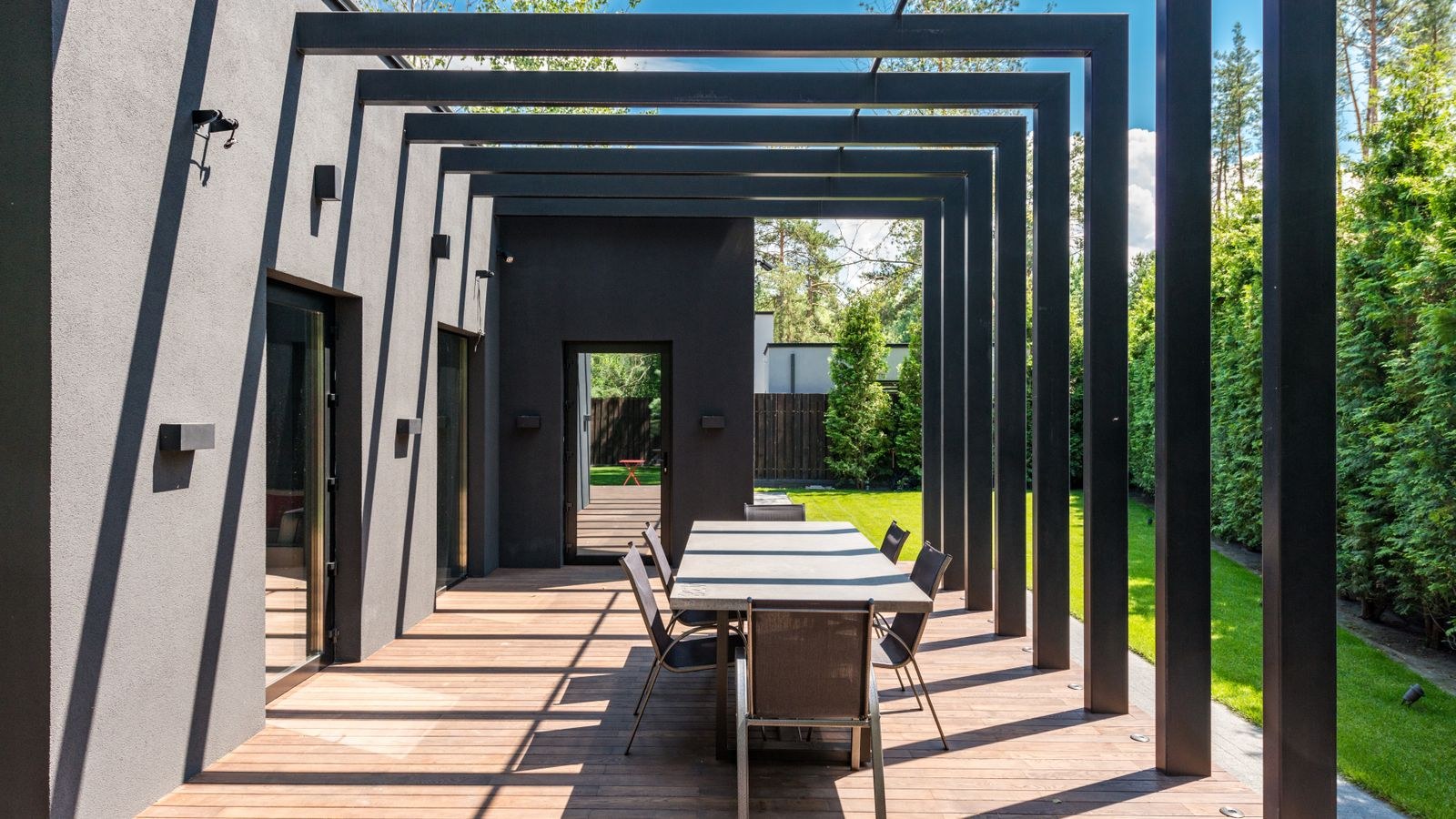
First Decide What Kind of Outdoor Space You Have
Manufacturers of outdoor TVs generally group installations into three categories, and this classification drives almost every other decision.
- Full shade: a covered porch, screened room, or deep patio where the screen never sees direct sun and rarely sees driven rain.
- Partial sun: a pergola, awning, or overhang where sun reaches the screen for part of the day and wind-driven rain occasionally lands on it.
- Full sun: an open deck, poolside, or rooftop with no cover at all, exposed to direct sunlight, rain, and everything else.
The cost difference between these tiers is dramatic. A full-shade model needs moderate brightness and basic sealing. A full-sun model needs extreme brightness, aggressive anti-reflective treatment, active thermal management, and complete weather sealing, which is why those sets carry the prices they do. Be honest about your space rather than buying the flagship tier as insurance.
Weatherproof Ratings Explained
The number to look for is an IP rating, written as two digits. The first describes protection against solids like dust and insects, the second against water. IP55 handles dust and low-pressure water jets from any direction. IP65 seals dust out entirely and still resists jets. IP66 adds resistance to powerful jets, which matters if the screen might be hosed down or hit by driving rain.
For a fully covered porch, IP55 is generally adequate. For partial sun with occasional rain exposure, aim for IP65. For fully exposed installations, IP66 or better is the sensible floor. Look for the rating to cover the whole unit including the connection panel, since a sealed screen with an exposed input bay is only partially protected.
Temperature Range and Insects
Weatherproofing is not only about water. Check the operating temperature range against your climate, because both extremes cause problems. Cold can prevent an LCD panel from starting properly, and heat can cause thermal shutdown or, in a sealed enclosure, permanent damage. Good outdoor sets specify a range, often something like minus 24 to 125 degrees Fahrenheit, and include heaters or fans to extend it.
Insects are the underrated enemy. Ants and small bugs get into indoor TVs left outside and take up residence between the panel layers, producing dark spots that cannot be cleaned. A properly sealed outdoor set prevents this entirely, which is one of the strongest arguments for buying a purpose-built unit rather than improvising.
How Much Brightness a Patio Needs
Outdoor brightness requirements dwarf indoor ones. A typical living room TV peaks somewhere between 300 and 1,000 nits. Outdoors, the numbers scale up sharply:
- Full shade: roughly 700 to 1,000 nits is comfortable.
- Partial sun: 1,500 to 2,500 nits to stay readable when sun reaches the area.
- Full sun: 2,500 nits and upward, with the brightest models exceeding 4,000.
Just as important is the anti-reflective coating. Outdoors, the sky itself is an enormous diffuse light source, and a glossy panel will reflect it across the entire screen. Purpose-built outdoor sets use heavy matte treatments and often optically bonded panels, where the glass is laminated directly to the display to eliminate the internal reflection layer that causes washout. If your space is genuinely shaded and you are comparing high-brightness indoor options, our roundup of the best bright gaming TVs covers panels that push hard enough to work under cover.
Fighting Glare With Placement
No screen wins against the sun directly behind the viewer. Orient the TV so it faces north or into the shaded side of the space, and think about where the sun sits during the hours you actually use the patio. A retractable awning or a well-placed pergola panel often does more for readability than paying for another thousand nits.
Sound Outdoors Is a Separate Purchase
Outdoor audio is harder than indoor audio for a simple physical reason: there are no walls or ceiling to reflect sound back toward you. Everything dissipates into open air, so built-in TV speakers, already weak indoors, become nearly useless on a patio with ambient noise from traffic, wind, or a pool.
Plan for dedicated speakers from the start. Weather-rated models handle moisture and temperature swings that would destroy indoor drivers within a season. Our guide to the best outdoor speakers covers mounting styles and coverage patterns, while the best patio speakers roundup focuses on compact options suited to smaller decks and balconies.
- Mount speakers under an eave or soffit, angled down toward the seating rather than out toward neighbours.
- Two speakers placed reasonably close together beat one loud speaker for intelligibility.
- Run speaker wire rated for direct burial or outdoor use, not indoor cable.
- Keep volume modest; outdoor sound travels much further than you expect.
Power, Cabling, and Safety
An outdoor TV needs an outdoor-rated power source, and this is not a place to improvise with an extension lead run through a window. Use a properly installed exterior receptacle with a weather-resistant in-use cover, protected by a ground fault circuit interrupter. That combination is both a code requirement in most places and genuinely the thing that prevents shocks in wet conditions.
If your patio does not have a suitable outlet yet, budget for one. Our best outdoor outlets roundup covers weatherproof receptacles and covers, and the outdoor outlet buying guide explains ratings, placement, and what an electrician will need to know.
- Position the outlet behind the TV so the cable never dangles in the weather.
- Use an in-use bubble cover that closes over a plugged-in cord.
- Protect the circuit with a GFCI device, tested periodically.
- Run signal cables through conduit or a weatherproof channel rather than leaving them exposed.
- Add a surge protector rated for outdoor conditions, since exterior circuits are more exposed to lightning-induced surges.
- Have the circuit installed by a licensed electrician if any new wiring is involved.
Mounting an Outdoor TV Properly
Outdoor sets are heavier than their indoor equivalents because of the sealed housings, cooling hardware, and reinforced glass. Check the actual weight and choose a mount rated well above it. Stainless steel or powder-coated hardware resists corrosion far better than standard steel, which will streak rust down a wall within a season.
The mounting surface matters as much as the bracket. Masonry needs appropriate anchors, wood framing needs solid attachment into structural members rather than siding, and any penetration through an exterior wall needs sealing to prevent water intrusion. Wind load is a real consideration on exposed decks; a large panel acts like a sail, and a full-motion arm extended in a gale puts serious leverage on the fixings.
Should You Use a Cover?
A fitted cover is worthwhile even on a weatherproof set. It keeps pollen, dust, bird mess, and salt spray off the screen, reduces UV exposure to the housing, and adds a layer of protection during storms. For seasonal installations, covering or removing the TV over winter extends its life considerably.
Can an Indoor TV Survive Outside?
Sometimes, with caveats. On a fully enclosed, three-sided porch that stays dry and never drops below the set’s operating temperature, an indoor TV can last for years. The failure modes to watch are humidity causing internal condensation, insects entering through vents, temperature extremes outside the specified range, and insufficient brightness for daytime viewing.
Manufacturers void warranties for outdoor use, so you are accepting the risk. A reasonable middle path is an indoor TV inside a weatherproof enclosure, which adds sealing and some thermal management at lower cost than a purpose-built outdoor set. For anything less sheltered than a fully covered porch, buy the outdoor unit; the replacement cost of a failed indoor set quickly erases the saving.
Common Outdoor TV Mistakes
- Buying a full-sun model for a fully shaded porch and overspending badly.
- Buying a shade-rated model for an exposed deck and finding it unreadable by noon.
- Ignoring the operating temperature range in a climate with hard winters.
- Relying on built-in speakers outdoors where sound simply disappears.
- Running an indoor extension cord out to the patio instead of installing a proper receptacle.
- Using a standard indoor mount that corrodes within a year.
- Mounting without considering wind load or sealing the wall penetration.
- Skipping a cover and letting UV, pollen, and bird mess accumulate.
Frequently Asked Questions
What IP rating do I need for a covered patio?
IP55 is usually sufficient under full cover. Step up to IP65 if wind-driven rain can reach the screen, and IP66 for fully exposed installations.
How bright does an outdoor TV need to be?
Around 700 to 1,000 nits in full shade, 1,500 to 2,500 in partial sun, and 2,500 or more in direct sun. Anti-reflective coating quality matters as much as the number itself.
Can I leave an outdoor TV out all winter?
Purpose-built models are rated for it, but check the specified low temperature against your climate and cover the screen when not in use to extend its life.
Why are outdoor TVs so expensive?
Sealed housings, reinforced and optically bonded glass, far higher brightness, heaters or fans, corrosion-resistant hardware, and much lower production volumes all add cost.
Do I need a special antenna or streaming setup outside?
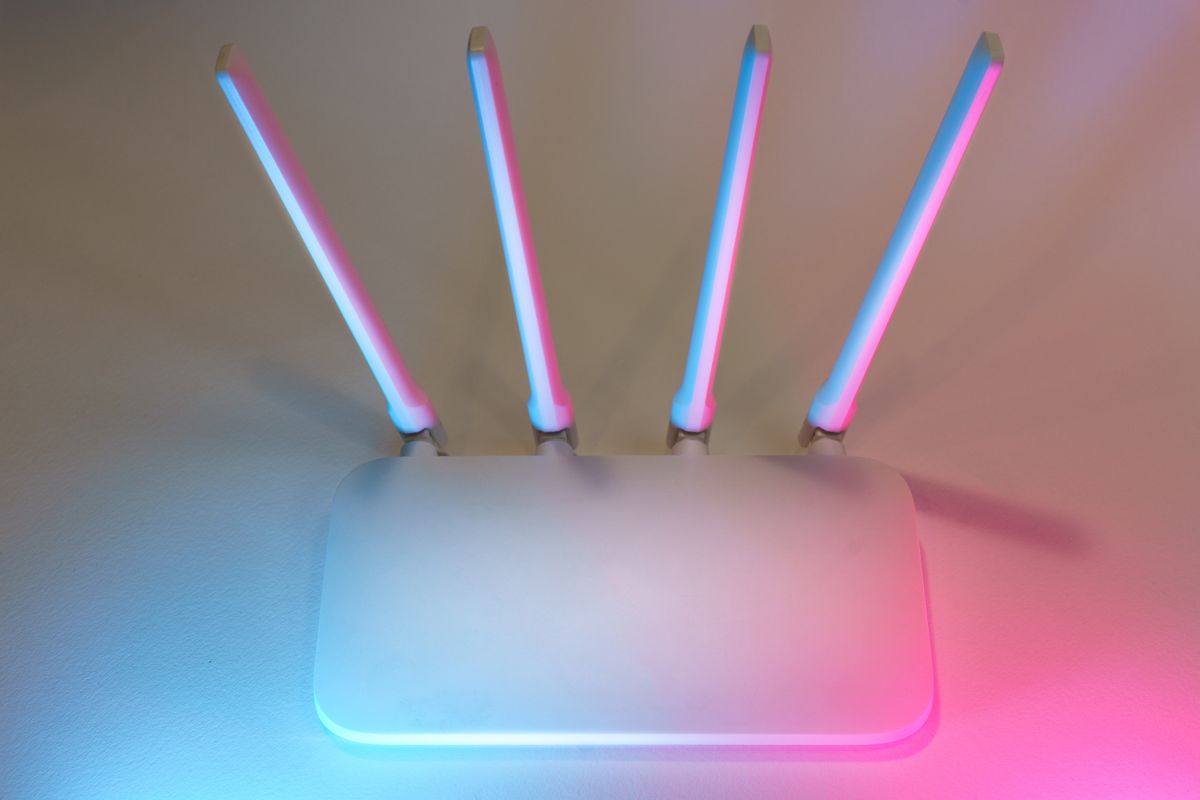
Wi-Fi often weakens outdoors, so plan for a mesh node, an outdoor access point, or a wired connection if streaming will be the main source.
Final Thoughts
An outdoor TV is a genuinely enjoyable addition to a patio, but only when the specification matches the exposure. Classify your space honestly as shade, partial sun, or full sun, then choose brightness and IP rating to suit rather than buying the most expensive tier for peace of mind. Budget separately for weather-rated speakers, a properly installed exterior outlet, corrosion-resistant mounting hardware, and a cover. Get those four supporting pieces right and the screen itself will do its job for years, whatever the weather decides to do.