Owen Bradley
 Backrest height is the first thing you notice about an office chair and the last thing most people research before buying. The high back vs mid back question looks like a styling choice, but the two designs solve different problems and suit different bodies, desks and working habits. A tall backrest that supports your shoulders and skull sounds objectively better until it blocks your view in a shared room, collides with a low shelf, or encourages you to slump backward all afternoon. Equally, a compact mid-back chair that keeps you upright and mobile can leave you unsupported if you recline for calls or have a long torso. This guide compares the two on support, recline behaviour, desk clearance, room fit and cost, so you can pick the backrest height that matches your real setup in 2026.
Where the Line Between the Two Actually Falls
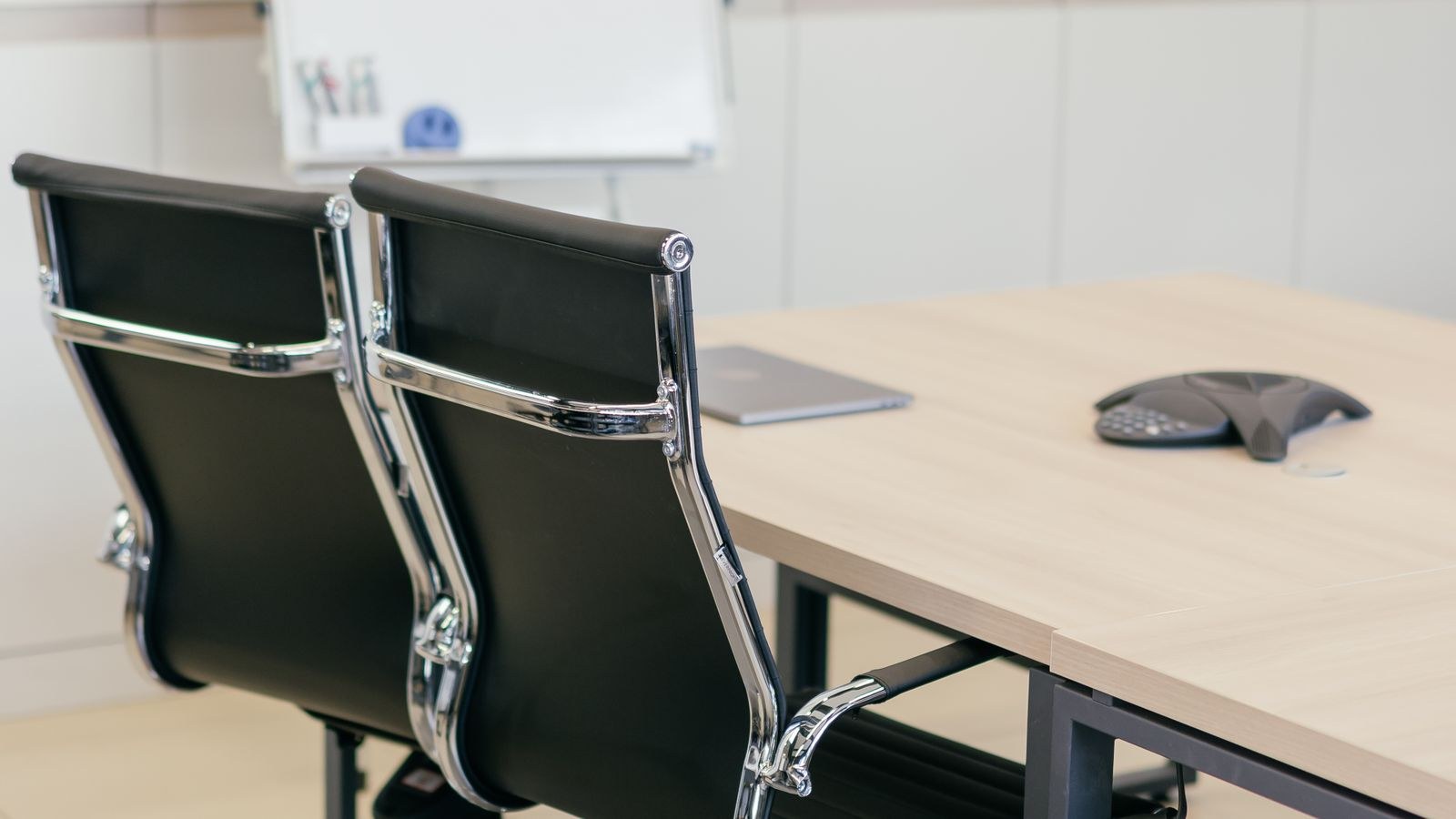
There is no legal standard, but the industry uses reasonably consistent proportions. A mid-back chair has a backrest that ends somewhere between the shoulder blades and the top of the shoulders, typically 20 to 24 inches of back height measured from the seat. A high-back chair continues past the shoulders to support the upper back and usually the head, generally 26 to 32 inches from the seat, often with an integrated or attachable headrest.
The important consequence is not the number but what the top edge touches. A mid-back chair supports your lumbar and thoracic spine and deliberately leaves the shoulder blades free. A high-back chair adds shoulder and cervical support, which changes how your body distributes weight when you lean back. Neither is automatically more ergonomic. What matters is whether the support arrives at the right point on your particular spine.
Support: What Each Height Actually Does for Your Spine
Sitting upright at a keyboard, the region that needs help is the lumbar curve, the inward arch just above your belt. Both categories address this with a contoured or adjustable lumbar section, and a good mid-back chair does it just as well as a tall one. Above the lumbar, your thoracic spine mostly needs freedom rather than pressure, which is why some experienced desk workers actively prefer a shorter back that lets their shoulders rotate while reaching for a mouse or a phone.
The picture changes once you recline. Past roughly 15 degrees of tilt, your upper body weight shifts backward and needs something to land on. A mid-back chair leaves your head and shoulders cantilevered, so your neck muscles work to hold your skull up. A high-back chair catches that load, which is why it feels dramatically more restful during long calls or reading sessions. If reclining is a regular part of your day, backrest height stops being cosmetic.
Torso Length Matters More Than Total Height
Two people of the same height can have very different torso lengths, and the torso is what the backrest has to cover. A long-torsoed user in a mid-back chair may find the top edge pressing into the middle of their shoulder blades, which is genuinely uncomfortable over hours. A short-torsoed user in a tall chair may find the headrest sitting against the back of their skull rather than the base of the head, pushing their chin forward.
The practical test is simple. Sit upright, and see where the top edge of the backrest lands. For a mid-back chair you want it at or just below the bottom of the shoulder blades or, at most, level with the shoulders. For a high-back chair with a headrest, the headrest pad should meet the base of your skull when you recline, and be adjustable if it does not.
Recline, Tilt Mechanisms and Balance
Backrest height interacts with the tilt mechanism in ways buyers rarely anticipate. A tall backrest is a longer lever, so it applies more force to the tilt spring. Cheap high-back chairs with a basic tension knob often feel either uncomfortably stiff or alarmingly loose, because the spring was not calibrated for that leverage. Look for a tension dial with a wide range, or a synchro-tilt mechanism where the seat rises slightly as the back reclines, keeping your feet planted.
Multi-position recline locks matter more on tall chairs too. If you plan to work reclined at 110 to 120 degrees, you want a lock that holds firmly at intermediate angles rather than only fully upright and fully back. Guides to the best high back chairs are worth scanning specifically for how many lock positions each mechanism offers, because that single spec changes how usable the recline is day to day.
Desk Clearance, Room Size and Sightlines
This is where mid-back chairs quietly win for a lot of home setups. A shorter backrest lets the chair tuck fully under a desk when not in use, which matters enormously in a bedroom corner, a small study or a shared dining table workspace. A high-back chair almost never tucks away, and its top edge can block a window, a wall-mounted shelf or a bookcase door.
Sightlines matter in shared rooms and in video calls. A tall padded backrest fills the frame behind you on camera, which some people like for a formal look and others find visually heavy. In open-plan or family spaces, high backs create visual barriers that can make a small room feel more cramped than the floor space suggests. Measure the vertical clearance behind your desk before committing, and remember that recline pushes the top edge backward as well as down.
There is also a mobility consideration. Mid-back chairs are lighter and easier to spin, roll and reposition, which suits work that involves moving between a desk, a printer and a second surface. Comparison lists such as the best mid back chairs tend to highlight this compactness alongside the adjustment specs.
Headrests: The Feature That Blurs the Line
Many chairs are sold as high-back purely because a headrest is bolted on top of an otherwise mid-height backrest. That distinction matters. A genuine high-back has continuous support from lumbar to shoulders; an add-on headrest on a short back leaves a gap where your upper back gets no contact at all.
If you want a headrest, insist that it adjusts in at least height and angle. A fixed headrest that sits too high or juts forward will push your head into a chin-tucked position, which is worse for your neck than having no headrest at all. It should feel like an optional resting place during recline, not something you fight against while typing upright. Roundups of the best office chairs with headrests are useful for separating real multi-axis headrests from decorative ones.
Do You Actually Recline Enough to Need One?
Spend a normal working day paying attention to your posture. If you recline past roughly 15 degrees for more than about an hour in total, whether for calls, reading, thinking or breaks, a high back with a headrest will pay for itself in reduced neck fatigue. If you sit upright almost the entire day and your breaks involve standing up rather than leaning back, the extra height mostly adds bulk, weight and cost.
Materials, Breathability and Weight
Backrest height changes how much your body heat has to escape. A tall padded leather or faux-leather back covers most of your torso and traps warmth against your shirt, which becomes noticeable in a warm room. Mesh backs solve this, and a tall mesh back is often the most comfortable option in hot climates. Fabric over foam sits in between, breathing better than leather but worse than mesh.
Weight and base quality also scale with backrest height. A tall, heavy backrest raises the centre of gravity, so the base and casters have to work harder to stay stable during recline. Prefer a five-star metal base on any high-back chair, and be cautious about very tall chairs with lightweight nylon bases and small casters.
Style, Setting and Perceived Authority
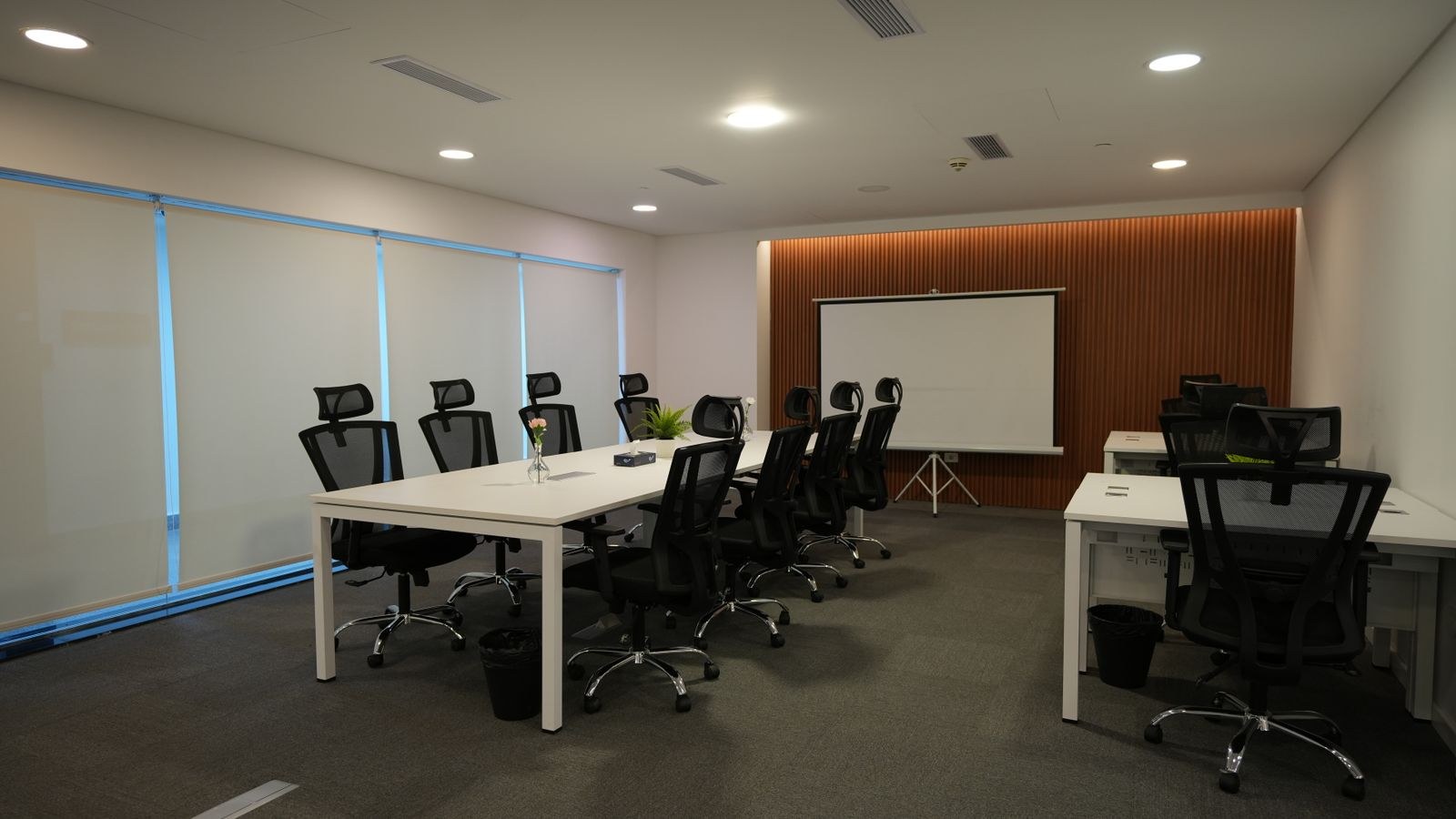
Backrest height carries social signals whether or not you want it to. Tall backs read as senior, formal and traditional, which is why boardrooms and private offices default to them. Mid-back chairs read as modern, practical and collaborative, which is why they dominate open-plan floors and design studios. If your workspace is visible to clients or appears regularly on camera, that impression is a legitimate factor alongside ergonomics.
For a formal room with a large desk and plenty of vertical clearance, the taller silhouette usually looks proportionally correct, and shortlists of the best executive chairs are almost entirely high-back for that reason. For a compact desk, a standing desk converter or a room that doubles as a living space, a mid-back chair keeps the setup visually light.
Budget: What You Pay for the Extra Height
All else equal, a high-back version of the same model typically costs $40 to $120 more than the mid-back version, reflecting extra frame, upholstery and often a headrest assembly. That premium is worth paying only if you will actually use the added support. A common and costly mistake is spending the difference on height while accepting a chair with fixed armrests and no lumbar depth adjustment.
Ranked by impact per dollar, adjustable lumbar support, seat depth adjustment and height-adjustable armrests all matter more than backrest height for upright desk work. Buy those first, then add height if the budget allows. Broad shortlists such as the best ergonomic office chairs make this trade-off easier to see, because they list adjustment counts alongside price rather than leading with silhouette.
Common Mistakes to Avoid
The first mistake is assuming taller equals more ergonomic. A high-back chair with a fixed lumbar shape and no seat depth adjustment is worse for most bodies than a well-adjusted mid-back chair. The second is ignoring the tilt tension range, which leaves tall chairs feeling either rigid or unnervingly springy. The third is buying a high back for a desk with an overhead shelf or a low sloped ceiling, then discovering the chair cannot roll into position.
Another frequent error is treating the headrest as free. If it is fixed and badly positioned, it actively works against you every time you sit upright, and many owners end up removing it entirely. Finally, buyers often forget that reclining requires floor space behind the chair. Measure the clearance from your desk to the wall before choosing a chair built to lean back.
Frequently Asked Questions
Is a high-back chair better for neck pain?
It can be, but only if you recline. During upright typing, neck strain usually comes from monitor height and screen distance rather than the chair. Fix the monitor position first, then add a headrest for reclined periods if fatigue persists.
Are mid-back chairs only for short people?
No. Plenty of tall users prefer mid-back chairs for the shoulder freedom and the ability to tuck under a desk. What matters is that the backrest top edge lands at or below your shoulder blades, which many mid-back models achieve even for tall frames.
Can I add a headrest to a mid-back chair?
Sometimes. Aftermarket clamp-on headrests exist, but they rarely align well and can loosen over time. If a headrest is important to you, buying a chair designed with one is more reliable than retrofitting.
Which is better for gaming or long sessions?
Long sessions with frequent reclining favour a high back with a proper headrest and a strong tilt lock. Sessions dominated by upright, mouse-intensive play often favour a mid-back chair because the shoulders stay free to move.
Does backrest height affect chair stability?
Indirectly. A taller back raises the centre of gravity, so a high-back chair needs a wider, heavier base to feel planted during recline. On a well-built chair with a metal five-star base this is a non-issue.
Final Thoughts
The high back vs mid back decision comes down to one honest question: how much of your day do you spend leaning back? If the answer is a meaningful chunk, whether for calls, reading or thinking, the shoulder and neck support of a tall backrest genuinely reduces fatigue and is worth the extra cost and bulk. If you sit upright for nearly all of your working hours, work in a compact room, or need the chair to tuck under a desk, a mid-back model gives you the same lumbar support with better mobility, better sightlines and money left over for the adjustments that matter more. Whichever way you lean, prioritise adjustable lumbar depth, seat depth and armrest height before you spend anything on backrest inches, and measure the vertical and rear clearance around your desk before the box arrives.