Owen Bradley
 Replacing a heating system is one of the largest single decisions a homeowner makes, and the heat pump vs furnace question has become genuinely close in the last decade. A furnace burns fuel to create heat. A heat pump moves heat that already exists, which lets it deliver several units of warmth for every unit of electricity it consumes. That difference sounds decisive on paper, but install cost, climate, existing fuel prices, ductwork, and even your thermostat all shift the answer. This guide compares the two on running cost, cold-weather output, installation price, lifespan, and control requirements, so you can work out which system genuinely suits your house rather than following whichever option the last contractor happened to prefer in 2026.
How Each System Actually Produces Heat
A furnace generates heat by combustion, burning natural gas, propane, or oil in a sealed chamber. A heat exchanger transfers that heat to air, a blower pushes the warmed air through ducts, and exhaust gases vent outside through a flue. Electric furnaces skip combustion and use resistance elements instead, but the principle of creating heat from scratch is the same.
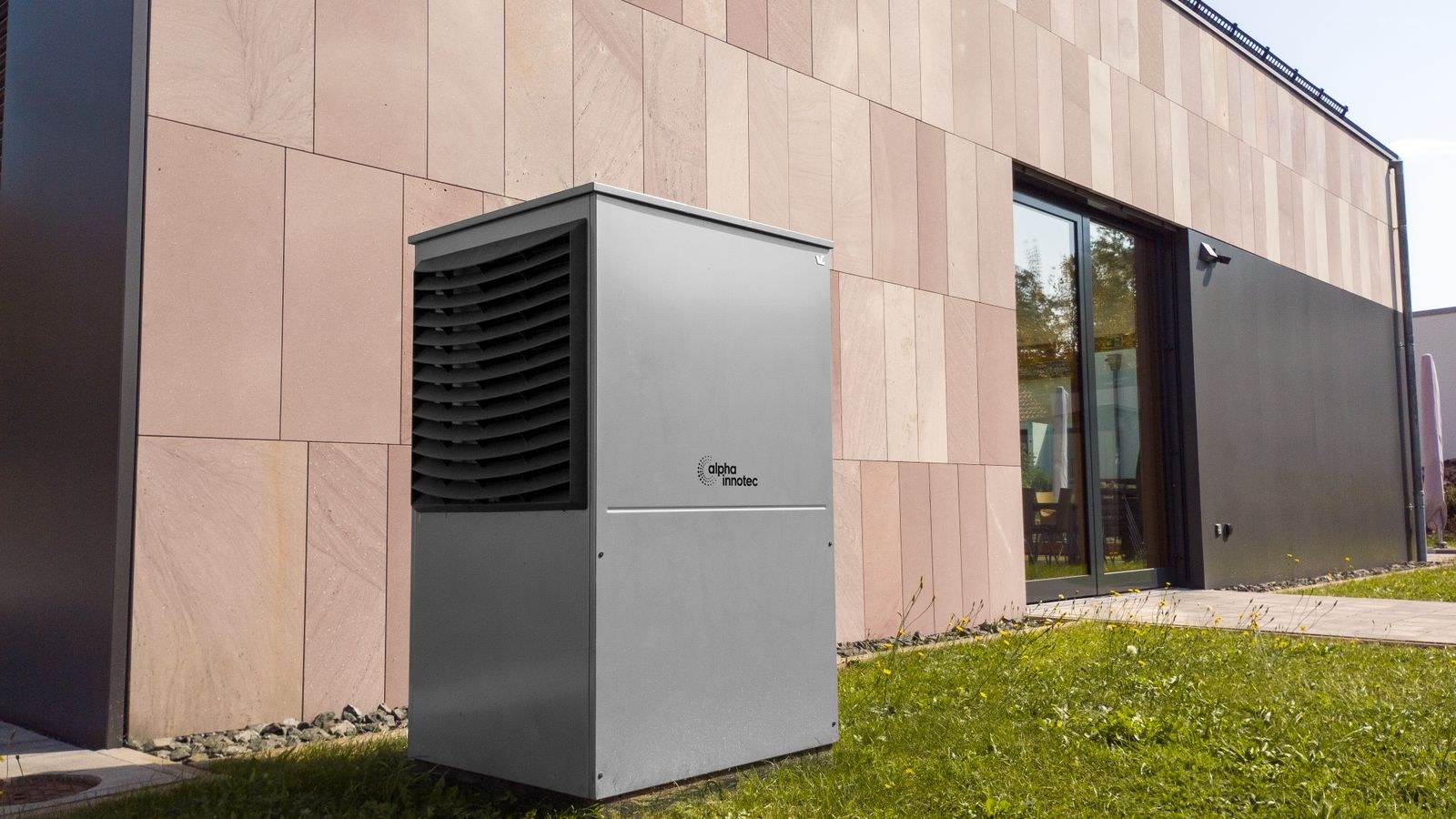
A heat pump does not create heat at all. It uses a refrigerant cycle, the same physics as a refrigerator run in reverse, to extract heat energy from outdoor air and release it indoors. Even air that feels cold to you contains substantial thermal energy, and the refrigerant cycle concentrates it. In summer the cycle reverses and the same equipment becomes an air conditioner.
That dual function is worth noting immediately. A heat pump replaces both your furnace and your air conditioner with one system, which changes the cost comparison meaningfully if you were facing replacement of both anyway.
Why Efficiency Numbers Look So Strange
A high-efficiency gas furnace might be rated 95 to 98 percent AFUE, meaning it converts nearly all the fuel’s energy into usable heat. It cannot exceed 100 percent, because it is converting fuel to heat.
A heat pump’s coefficient of performance is commonly between 2.5 and 4, meaning it delivers two and a half to four units of heat per unit of electricity. That is not a violation of physics, because it is transporting heat rather than generating it. Comparing 95 percent against 300 percent is comparing two different measurements, which is why the real comparison must be made in currency per unit of delivered heat.
Running Cost: The Comparison That Actually Matters
To compare fairly, convert both to cost per unit of heat delivered into the house. That requires your gas price per therm and your electricity price per kWh, both of which are on your bills.
In regions with cheap natural gas and expensive electricity, a modern gas furnace often remains cheaper to run through a cold winter, even against an efficient heat pump. In regions with moderate electricity prices, or where heating is currently electric resistance, propane, or oil, a heat pump usually wins clearly, sometimes cutting heating energy costs substantially.
Against electric resistance heating the outcome is not close. Resistance heating delivers one unit of heat per unit of electricity; a heat pump delivers two to four. Anyone currently heating with baseboards, an electric furnace, or portable heaters will see the largest gain from switching.
Against oil or propane, heat pumps also tend to win in most markets, since those fuels are typically priced well above natural gas per unit of energy.
Cold Weather: Where the Old Objection Lives
The historical criticism of heat pumps is that they lose capacity as outdoor temperature drops, because there is less ambient heat to extract. That was a real limitation, and older units struggled below roughly 30 to 35 degrees, falling back on electric resistance backup heat that erased much of the saving.
Modern cold-climate heat pumps changed this substantially. Variable-speed compressors and improved refrigerant cycles allow many current units to maintain most of their rated capacity into the single digits and to keep operating, at reduced output, well below zero. In much of the country, a properly sized cold-climate model can now handle the entire heating season without significant backup.
Two caveats remain. First, capacity still declines as temperature falls, so sizing must be based on your design temperature rather than average conditions. Second, efficiency also declines, so the running-cost advantage narrows during the coldest stretches even when output is adequate.
The comfort profile differs too. A furnace delivers air at perhaps 120 to 140 degrees in short, intense bursts. A heat pump delivers air at closer to 90 to 105 degrees over longer runtimes. The room reaches the same temperature, but the air from a vent feels cool to the hand, which surprises people used to a furnace. Longer, steadier operation actually produces more even temperatures and better humidity control, though it takes adjustment.
The Dual-Fuel Middle Ground
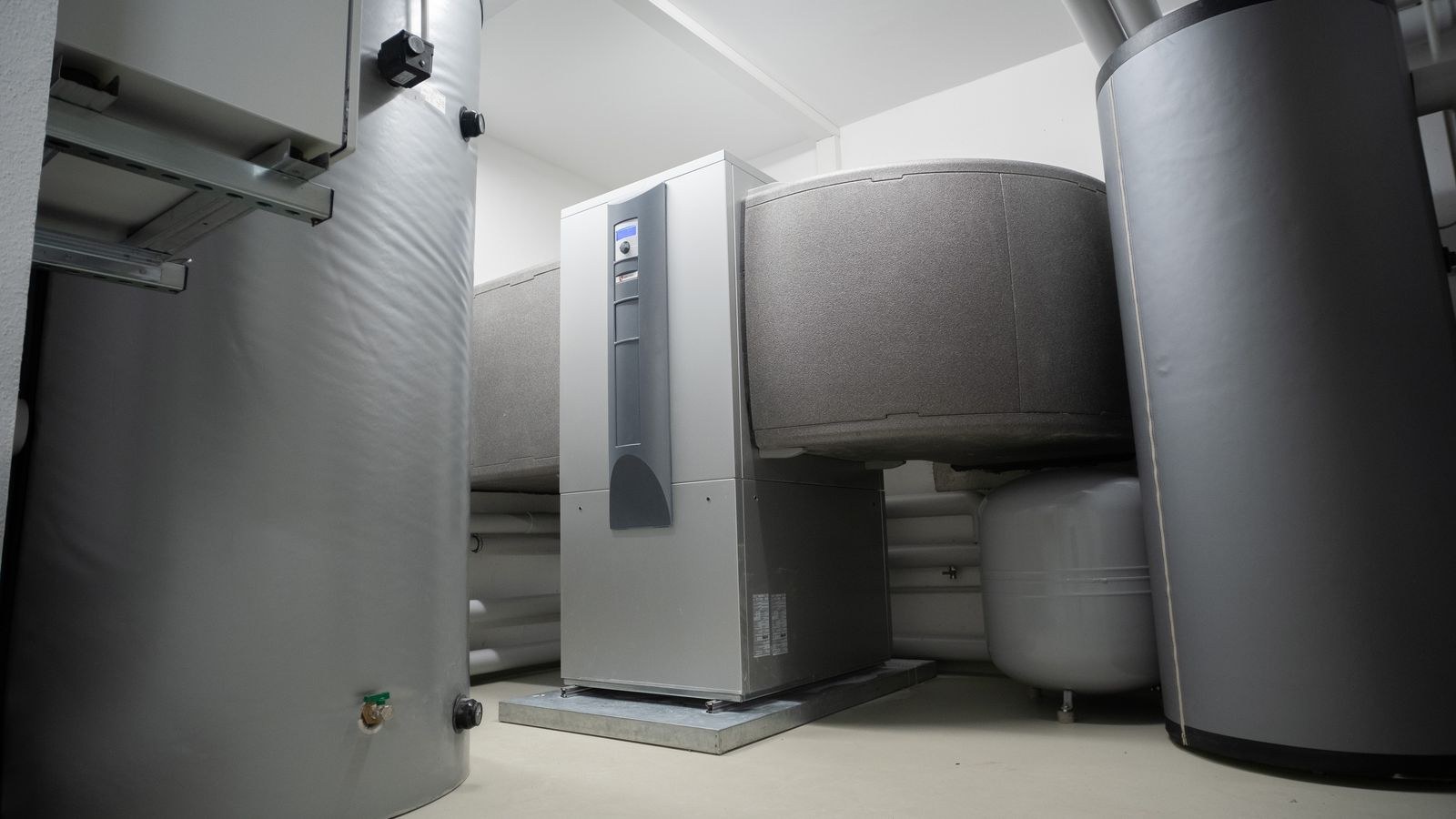
You do not have to choose exclusively. A dual-fuel or hybrid system pairs a heat pump with a gas furnace and switches between them based on outdoor temperature. The heat pump handles mild and moderate conditions, where it is cheapest, and the furnace takes over below a crossover point where gas becomes the better economic choice.
This suits cold climates with cheap gas particularly well, and it is often the pragmatic option when replacing an air conditioner while a serviceable furnace remains. You gain most of the heat pump’s seasonal savings while keeping guaranteed output on the coldest nights.
The complication is control. A dual-fuel system needs a thermostat capable of managing the changeover intelligently, which is not something a basic controller can do.
Installation Cost and Practical Requirements
Furnace replacement is generally the cheaper single job, particularly when replacing like with like in a home that already has gas service, a flue, and ductwork. The equipment is mature and installation is routine for most contractors.
Heat pump installation costs more upfront in most cases, and the gap widens if your home lacks the electrical capacity to support it. Panel upgrades, new circuits, and outdoor unit placement all add cost. Ductwork designed for a furnace’s high-temperature, short-burst delivery sometimes needs modification to handle a heat pump’s higher airflow at lower temperature, and undersized ducts are a common cause of disappointing performance.
Against that, a heat pump replaces two appliances. If your air conditioner is also near end of life, the true comparison is a heat pump against a furnace plus an air conditioner, and on that basis the numbers often favour the heat pump. Incentives and rebates for efficient heat pumps are also widely available and can materially change the arithmetic, so check what applies locally before deciding.
If you are weighing a combined system replacement, our overview of the best furnace and air conditioners covers how paired systems are specified, and our guide to the best HVAC air conditioners explains the cooling side ratings that also apply to a heat pump in summer mode.
Lifespan, Maintenance, and Safety
A well-maintained gas furnace commonly lasts 15 to 20 years or more, because it only operates during the heating season. A heat pump typically lasts 12 to 15 years, since the same equipment runs year-round for both heating and cooling. That shorter service life needs to be factored into any long-run cost comparison.
Maintenance requirements differ in character. Furnaces need annual inspection of the heat exchanger, burners, and flue, plus regular filter changes. The heat exchanger check is a genuine safety matter, since a cracked exchanger can leak combustion gases. Any home with a fuel-burning appliance needs working carbon monoxide detection, without exception.
Heat pumps have no combustion and therefore no carbon monoxide risk and no flue. They need coil cleaning, refrigerant charge verification, filter changes, and clearance around the outdoor unit so airflow is not obstructed by vegetation, snow, or debris.
Thermostat and Control Requirements
This is where many otherwise good installations disappoint. A furnace works well with almost any thermostat, including simple ones, because it is essentially an on-off appliance producing a fixed high-temperature output.
A heat pump is different. It relies on long, steady runtimes and needs a controller that understands staging, backup heat, and the changeover between heating and cooling. A thermostat that calls for aggressive deep setbacks can trigger expensive electric backup heat during recovery, wiping out the efficiency advantage. Controllers designed for heat pumps manage that recovery intelligently instead. Our comparison of the best heat pump thermostats covers the specific capabilities to look for.
For homes weighing a broader controller upgrade alongside a system replacement, our roundup of the best thermostats compares options across system types, and our smart thermostat buying guide explains which connected features genuinely affect running cost rather than simply adding an app.
Which System Fits Which Home
- Currently heating with electric resistance, oil, or propane: A heat pump is very likely the cheaper system to run and the strongest upgrade available.
- Cheap natural gas and a very cold climate: A high-efficiency furnace, or a dual-fuel pairing, usually makes more economic sense.
- Mild or moderate climate: A heat pump is generally the clear winner, handling the whole season efficiently and covering cooling too.
- Furnace and air conditioner both near end of life: Compare a heat pump against replacing both, which often tips the balance.
- No existing ductwork: A ductless mini-split heat pump avoids the large expense of installing ducts for a furnace.
- Limited electrical panel capacity: Budget for an upgrade before assuming a heat pump is affordable.
Common Mistakes When Choosing
The most damaging error is sizing by rule of thumb rather than by a proper load calculation. An oversized system short-cycles, wastes energy, and controls humidity poorly; an undersized one runs constantly and leans on backup heat. Insist on a room-by-room load calculation rather than a match to whatever was there before.
The second is comparing headline efficiency ratings across technologies, which is meaningless without converting to cost per unit of delivered heat at local fuel prices.
The third is ignoring the building envelope. Insulation and air sealing lower the heat you need in the first place, which lets you install a smaller, cheaper system of either type and cuts bills permanently. Spending on the envelope first frequently returns more than upgrading equipment alone.
The fourth is pairing new equipment with an unsuitable thermostat, which is a small cost that can quietly undo a large one.
Frequently Asked Questions
Do heat pumps work in freezing weather?
Modern cold-climate models do, maintaining useful output well below freezing and continuing to operate at reduced capacity in far colder conditions. Sizing must be based on your local design temperature, and older or standard-range units are far more limited.
Why does the air from my heat pump feel cool?
Heat pumps deliver air at a lower temperature than a furnace over longer runtimes. The room still reaches the setpoint, and the steadier operation usually produces more even comfort, but supply air below body temperature feels cool to the hand.
Is a heat pump cheaper than a gas furnace?
It depends on local gas and electricity prices. Where gas is cheap and winters are severe, a furnace can still be cheaper to run. Where electricity is moderately priced or the current fuel is oil, propane, or resistance electricity, the heat pump generally wins.
Can I keep my existing ductwork?
Often yes, but not always. Heat pumps move more air at a lower temperature, so ducts sized tightly for a furnace can restrict airflow and hurt performance. A contractor should assess duct capacity as part of the quote.
Should I replace a working furnace with a heat pump?
Usually not on its own. The stronger moment is when the furnace or the air conditioner needs replacing anyway, or when a dual-fuel setup lets you add a heat pump alongside a furnace that still has years of service left.
Final Thoughts
There is no universal winner in the heat pump versus furnace comparison, only a right answer for a specific house. Work out your cost per unit of delivered heat using your own gas and electricity prices, check your local design temperature against the cold-weather rating of any heat pump you consider, price the installation as a whole-system decision rather than a single appliance, and account for the fact that a heat pump also replaces your air conditioner. Then insist on a proper load calculation, address insulation and air sealing before sizing anything, and pair the system with a controller designed for it. Do that groundwork and whichever system you choose in 2026 will run efficiently for its full service life instead of underperforming from the day it was installed.