
 Owen Bradley
 If you want to work standing but are not sure whether to buy a full standing desk or a converter that sits on your existing desk, you are weighing two very different solutions to the same goal. Both let you alternate between sitting and standing, but they differ in cost, space, flexibility, and feel. This guide compares standing desk converters and full standing desks so you can choose the option that fits your room, your budget, and the way you work.
What Each Option Actually Is
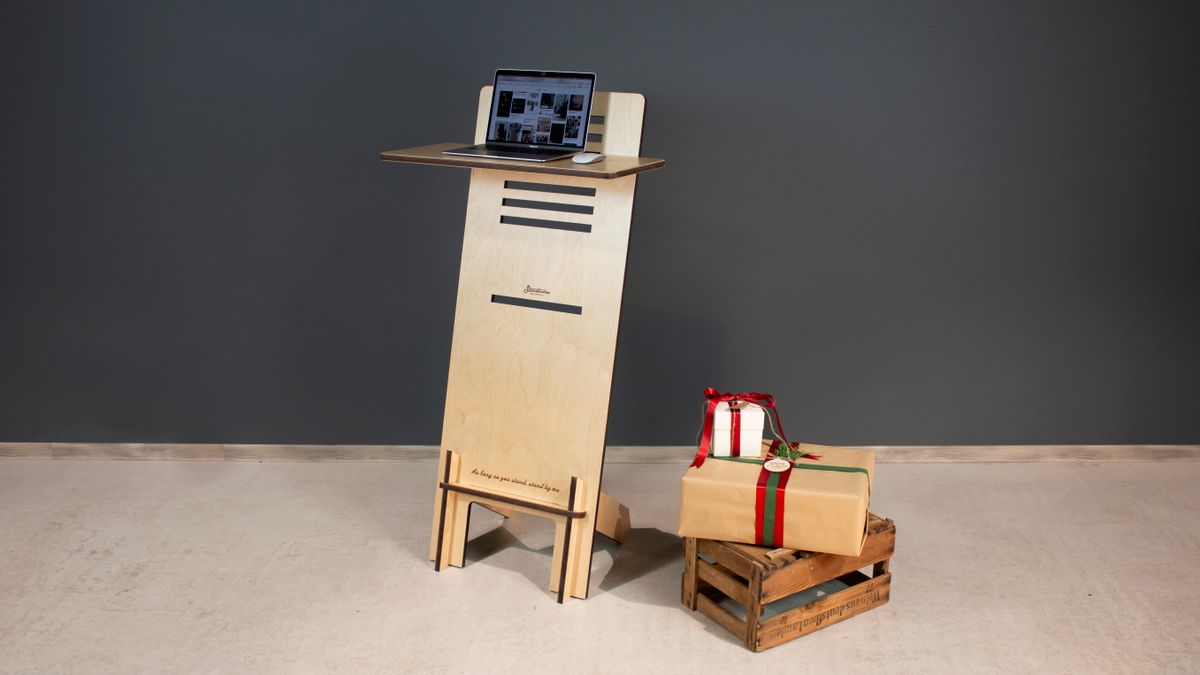
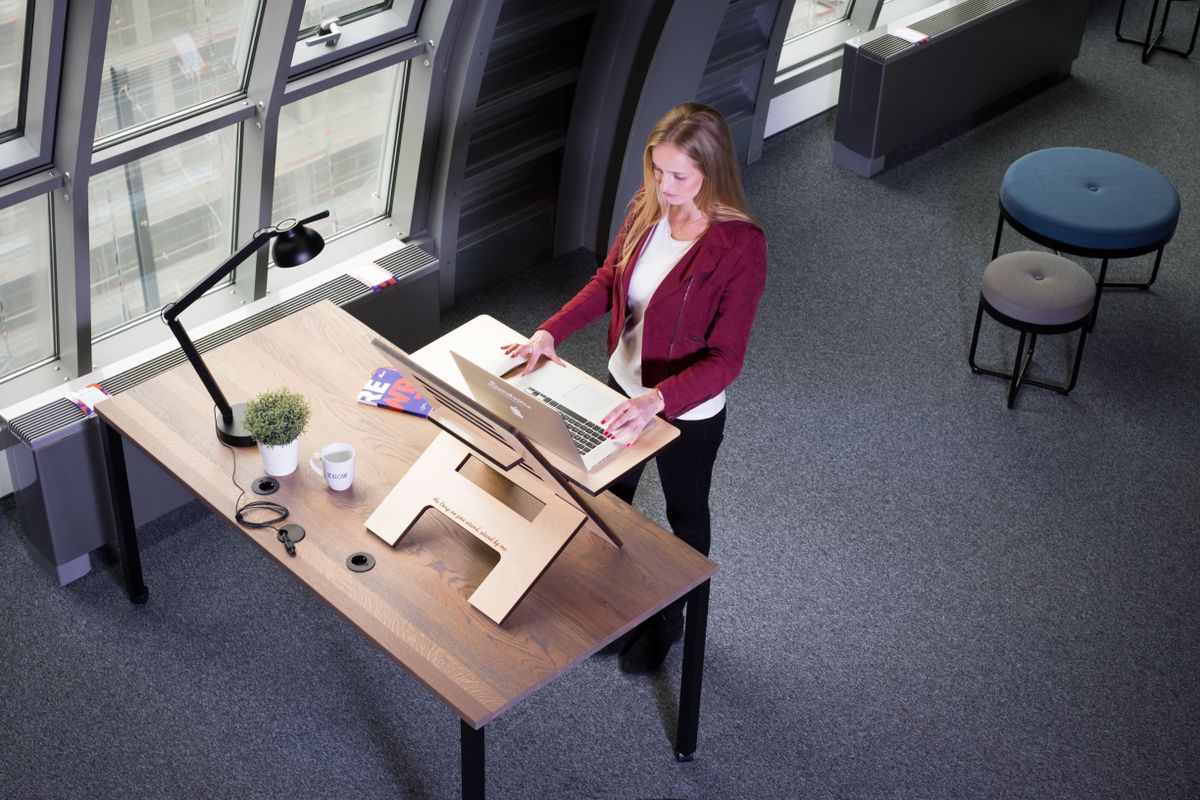
A full standing desk is a complete desk whose entire surface rises and lowers, usually on an electric or manual frame. A standing desk converter is a riser that sits on top of a desk you already own, lifting your monitor and keyboard to standing height while the desk underneath stays put. One replaces your desk; the other upgrades it. That single difference drives most of the trade-offs that follow.
Cost
Converters are almost always cheaper because they use less material and no full frame. If you already own a desk you like, a converter delivers sit-stand ability for a fraction of the price of a new desk. Full standing desks cost more but replace your furniture entirely and offer a cleaner result. If budget is your main concern, browse the best standing desk converters and the best stand-up desk converters to see how much you can save while still gaining sit-stand flexibility.
Space and Footprint
This is where the two diverge sharply. A converter needs an existing desk sturdy enough to hold it, and it occupies part of that desktop even when lowered, which can crowd a small surface. A full standing desk uses only the floor space of the desk itself and keeps the whole surface usable. If your desk is large and solid, a converter fits neatly; if your desk is small or wobbly, a full standing desk is the better long-term answer.
Stability
Full standing desks, especially dual-motor electric models, tend to feel more stable at standing height because the whole structure is engineered to rise as one unit. Converters rely on the desk beneath them, so if that desk wobbles, the converter will too. A quality converter on a solid desk feels steady, but the tallest, heaviest setups favor a purpose-built standing desk.
Ease of Use
Electric full standing desks change height with the push of a button and often include memory presets, making the switch effortless. Converters lift with a spring-assisted or gas mechanism you raise by hand; good ones move smoothly, but the motion takes more effort than pressing a button. Because ease of switching is what keeps people alternating between sitting and standing, this difference matters more than it first appears.
Desktop Space and Ergonomics
A full standing desk gives you the entire surface at every height, so your layout never changes. A converter typically offers a two-tier surface: a keyboard tray and a monitor shelf. That works well for a computer setup but leaves less room for paperwork or extra gear when raised. For ergonomics, both can position your monitor at eye level and your elbows near 90 degrees, provided you choose a model with enough height range for your body.

Portability and Commitment
Converters are easier to move, remove, or try out, making them a low-commitment way to test whether standing work suits you. If you decide it does not, you simply lift the converter off. A full standing desk is a bigger commitment: heavier, harder to move, and a full replacement of your furniture. For renters or the undecided, a converter is a flexible first step, while a full desk is the choice for those ready to commit.
Which Should You Choose?
Choose a converter if you already own a sturdy desk, want to save money, need a low-commitment or portable option, or have limited ability to replace your furniture.
Choose a full standing desk if you want the most stability, the easiest one-button height changes, a clean single-surface setup, and you are ready to replace your desk entirely.
Both paths lead to the same healthy habit of alternating postures. If you decide to go all-in on a full desk, the best standing desks offer sturdy frames and smooth height adjustment across a range of budgets, and the best electric standing desks add one-button height changes for effortless switching.
Setting Up Whichever You Pick
Whatever you choose, correct setup unlocks the benefit. At standing height, keep the top of your monitor at eye level, your wrists neutral, and your elbows near a right angle. Stand on an anti-fatigue mat or wear supportive shoes, and start with short standing intervals before building up. Alternate regularly rather than standing rigidly for hours, because variety and movement are what make sit-stand working feel good.
Frequently Asked Questions
Are converters as good as full standing desks?
For many people, yes. A quality converter on a solid desk delivers most of the sit-stand benefit at a lower price. Full desks win on stability, one-button ease, and a clean single surface, but converters are a smart, flexible choice.
Will a converter fit my desk?
Check the converter’s footprint against your desktop and confirm your desk is sturdy enough to hold the added weight without wobbling. A large, solid desk is the ideal base for a converter.
Can I switch from a converter to a full desk later?
Absolutely. Many people start with a converter to test standing work, then upgrade to a full desk once they know they like it. The converter is easy to remove or repurpose.
Matching the Choice to Your Situation
The clearest way to decide is to picture your specific situation rather than comparing specs in the abstract. If you rent your home, move often, or share the room with family, a converter’s low commitment and portability are hard to beat, since you can add or remove it without changing your furniture. If you own your space and have settled into a dedicated office, a full standing desk rewards that permanence with a cleaner, sturdier, one-piece setup. Consider your desk, too: a large, rock-solid existing desk is the perfect base for a converter, whereas a small or wobbly desk practically demands a purpose-built standing desk. Finally, weigh how often you plan to switch heights. Frequent switchers benefit most from the one-button ease of an electric full desk, while occasional standers do fine with a converter’s manual lift. By grounding the decision in your room, your desk, and your habits, the right answer usually becomes obvious, and you avoid paying for capability you will not use or settling for a setup that frustrates you daily.
Final Thoughts
Standing desk converters and full standing desks solve the same problem in different ways. Converters are affordable, flexible, and quick to try, making them ideal if you already own a good desk or want a low-commitment start. Full standing desks cost more but deliver superior stability, effortless height changes, and a cleaner setup for those ready to replace their furniture. Match the choice to your desk, your space, and your budget, set it up with good posture, and either option will help you move more and feel better through the workday.









