Owen Bradley
 Graphics cards rarely die cleanly. They start with a flicker of coloured dots in one game, then a black screen that clears itself, then a driver crash that only happens after twenty minutes of load. Every one of those symptoms can also be caused by a bad driver, a marginal power supply, an overheating card that just needs cleaning, or memory that has been unstable all along. This guide walks through how to tell if your graphics card is failing, in an order that eliminates the cheap and reversible causes before you conclude the hardware is finished.
Symptoms That Point to a Failing Graphics Card
- Visual artifacts. Coloured dots, flickering triangles, stretched polygons or repeating patterns across the screen. Artifacts that appear only in 3D applications are the most specific single symptom of failing video memory.
- Black screens under load. The display drops out mid-game while audio continues, then recovers or forces a reboot.
- Driver timeout errors. Repeated messages that the display driver stopped responding and has recovered.
- Crashes that scale with temperature. The machine is fine for the first ten minutes and unreliable after that.
- Fans running at full speed constantly, or one fan that has stopped turning entirely.
- Performance that has dropped noticeably in familiar games at settings you have not changed.
- No display output at all, with the machine posting and the fans spinning.
Symptoms that appear in the firmware screen, before any driver loads, are far more likely to be genuine hardware faults. Symptoms that appear only inside the operating system leave software firmly on the suspect list.
Rule Out Drivers, Heat and Power First
Three causes account for most cards that are wrongly declared dead. Start with the driver: uninstall it completely using a clean removal tool in safe mode rather than simply installing a newer version on top, then fit the current stable release. Layered driver installs cause exactly the timeout errors people attribute to failing hardware.
Then check temperatures. Run a monitoring utility and watch the core and memory temperatures during a demanding game. Sustained readings in the high eighties or above suggest a thermal problem, and the cause is usually clogged fins, a stopped fan, or thermal paste that has dried out after several years. Cleaning the heatsink and replacing the compound with quality GPU thermal paste restores a surprising number of cards that people were ready to bin.
Finally, consider power. A card that shuts the system down under load, or black-screens the instant a scene gets heavy, is often being starved rather than failing. Check that every PCIe connector is filled with a separate cable rather than a daisy-chained pair, and compare your card’s rated draw against the power supply’s capacity. If the supply is old or marginal, the best PSUs for high-end GPUs cover the wattage and transient headroom modern cards actually need.
How to Test a Suspect Graphics Card
- Reseat the card and its cables. Power down, cut mains, drain the capacitors, then remove and refit the card until the slot latch clicks. Reseat both ends of the PCIe power leads and the display cable. Loose connections mimic failure convincingly.
- Try a different display cable and port. A failing cable or a damaged port on the card produces flicker, signal dropouts and no-display faults that look identical to a dying GPU. Swap both before going further.
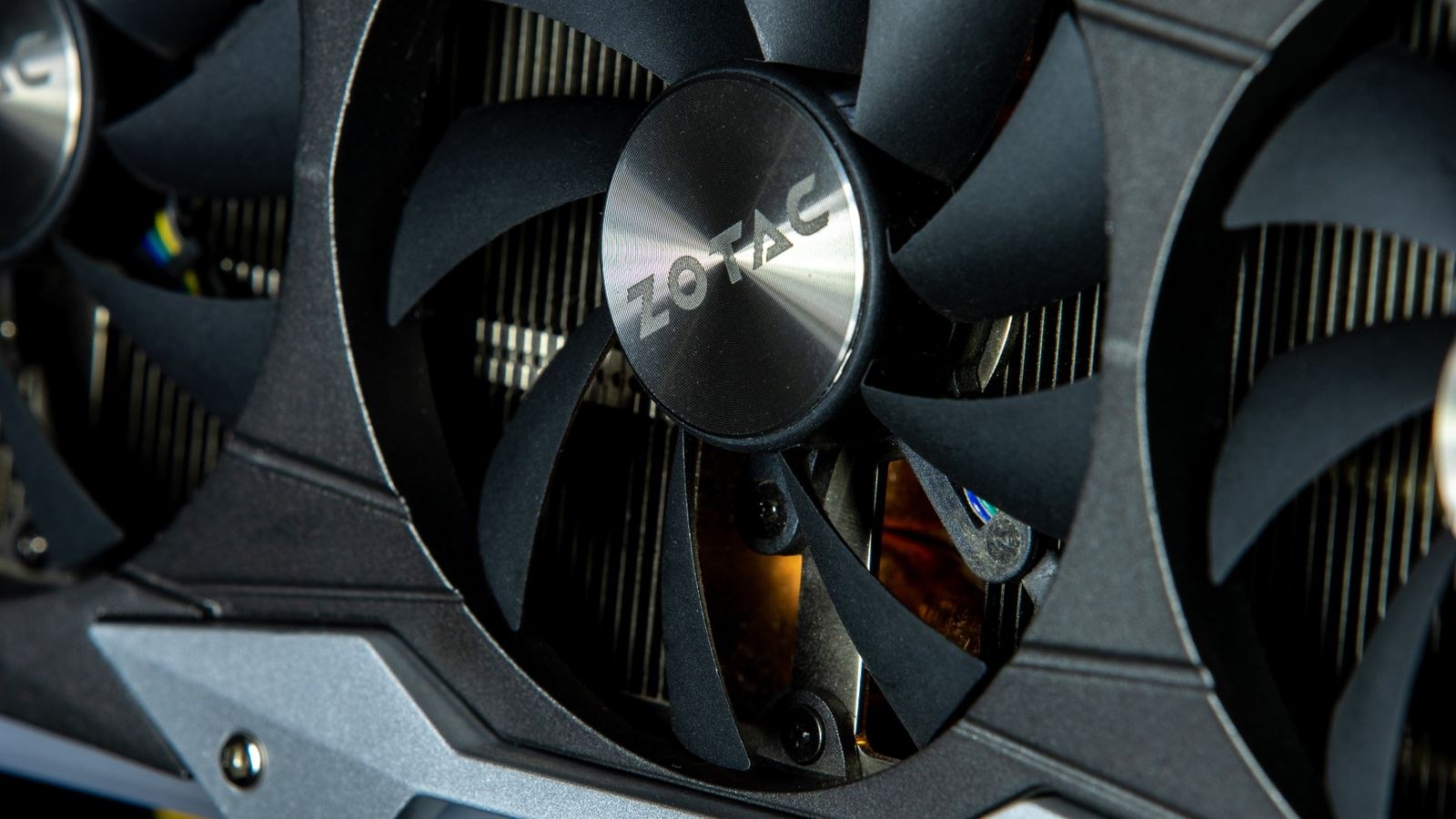
- Clean the cooler and check the fans. With the card out, inspect the fins for dust, spin each fan by hand to feel for grinding bearings, and look for scorch marks or bulging components on the board. Any visible damage settles the question immediately.
- Check the card in a clean driver state. Boot to safe mode. If the artifacts and crashes vanish entirely at basic display settings, the fault is more likely software or thermal than a dead GPU.
- Run a graphics stress test with temperature logging. Use a benchmark loop and watch for artifacts appearing at a specific temperature threshold. Faults that begin at a repeatable temperature usually mean solder or memory degradation. Faults present from the first second point to something more fundamental.
- Test the video memory specifically. Dedicated VRAM test tools loop patterns through the card’s memory and report errors. A card that returns errors in that test with the fans running cool has a genuine memory fault.
- Compare benchmark scores against expected results. Run a standard benchmark and compare your score against typical figures for that model. A result far below normal usually means throttling or a downclocked card rather than an intermittent fault.
- Check the PCIe link and clocks under load. Monitoring software should show the card at full link width and boosting normally. A card stuck at low clocks or reduced link width is often reacting to a power or slot problem rather than dying.
- Swap in a different card. Fit any known-good card, even a basic one. If the problems disappear, the original card is the fault. If they persist, look at the motherboard slot, the power supply or the memory instead.
- Test your card in a different machine. The mirror of the previous step and the most conclusive test available. A card that misbehaves identically in a second, healthy system is genuinely failing.
Safety Precautions While Testing
Always shut down, switch the power supply off at the rear, unplug the mains, and hold the case power button for ten seconds before touching a connector. Ground yourself on bare chassis metal before handling the card, and hold it by its bracket and edges rather than the circuit board or the connector fingers. When cleaning the cooler with compressed air, hold the fan blades still so they cannot spin freely, and never open the power supply casing while investigating a power-related symptom.
Distinguishing a Dying Card From a Dying Power Supply
These two produce overlapping symptoms and get confused constantly. A failing graphics card typically shows visual corruption: artifacts, distorted geometry, wrong colours. Those are memory and core faults, and a power supply cannot cause them. A failing power supply typically shows clean shutdowns and reboots with no visual warning at all, and the failures scale with total system load rather than graphics load specifically.
The practical test is to reduce the card’s power draw without changing anything else. Cap the frame rate, lower the power limit in a tuning utility, or run at reduced settings, and see whether the crashes stop. If lowering draw fixes it, the supply is the weak link. If artifacts continue at any setting, the card is the problem. Watching whether the fault appears in the firmware screen also helps, since that runs the card at minimal load with no drivers involved.
Repair, Live With It, or Replace
Some failures are worth fixing. A stopped fan can often be replaced for very little, and a card throttling on dried paste comes back to life with a clean and a repaste. Sagging cards that flex in the slot benefit from a support bracket, which can resolve intermittent contact issues.
Other failures are terminal. Artifacts that persist in a second machine, errors in a VRAM test, visible scorch marks, or a card that no longer produces any output are not repairable at home. If the card is still under warranty, start a claim before attempting anything invasive, since disassembly usually voids coverage.
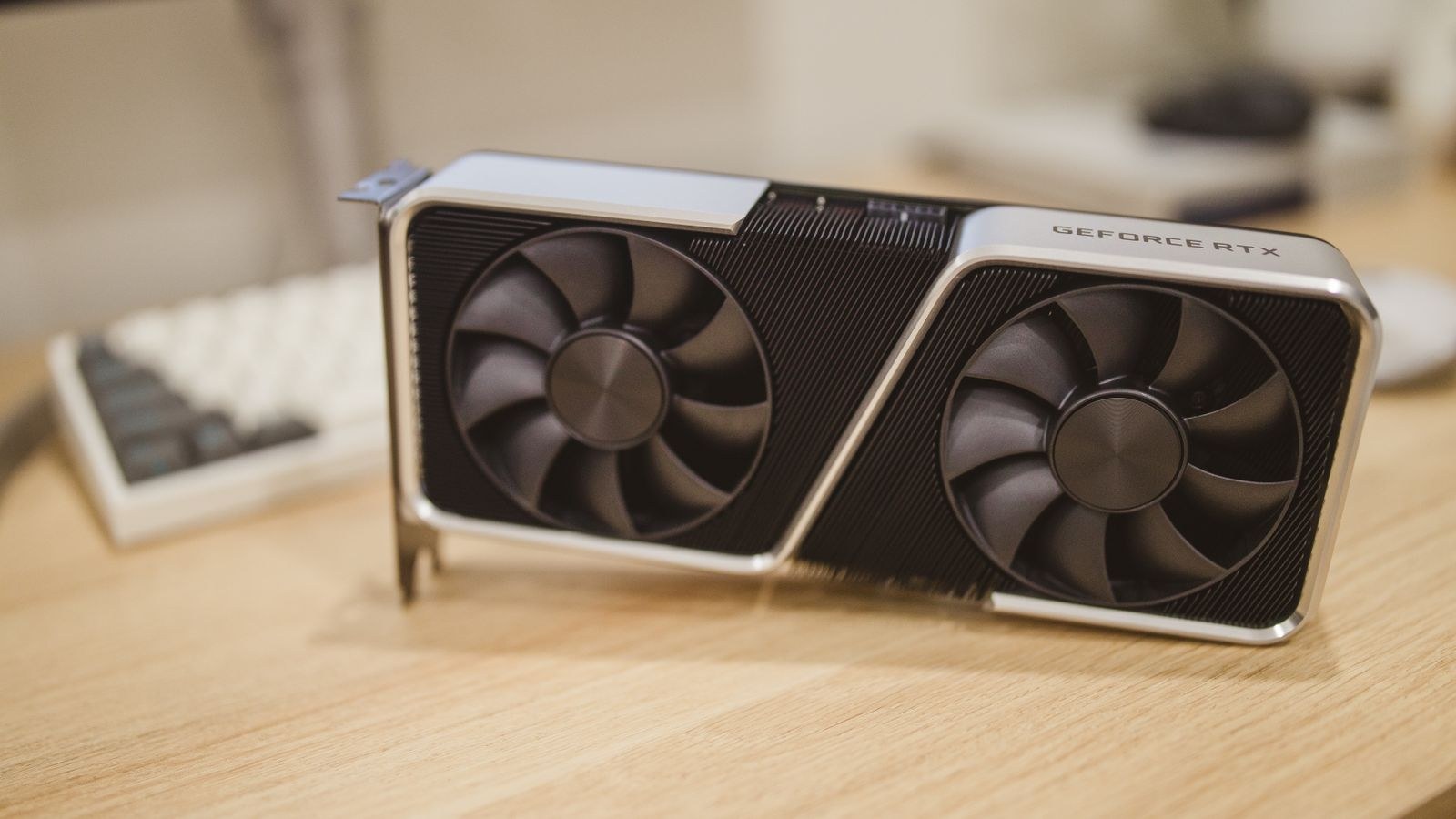
When replacement is the answer, match the card to your monitor rather than to whatever failed. Our roundup of the best GPUs for gaming groups cards by the frame rates they actually deliver at each resolution, the best RTX series GPUs covers models with strong ray tracing and upscaling support, and the best GPUs under 500 shows what a firm budget buys at 1440p.
Common Mistakes When Diagnosing GPU Problems
- Installing a new driver over a broken one. Always remove cleanly in safe mode first, or you carry the fault forward.
- Ignoring temperatures because the fans are loud. Loud fans mean the card is struggling, not that cooling is adequate.
- Blaming the card for whole-system shutdowns. Sudden reboots with no visual corruption point at power, not graphics.
- Skipping the cable swap. A cheap display cable causes flicker and dropouts that mimic hardware failure exactly.
- Baking or reflowing the card. A temporary fix at best that destroys the warranty and usually finishes the card off.
- Testing only in one game. One title can fail for its own reasons. Confirm the fault across multiple applications before concluding anything.
Frequently Asked Questions
Are artifacts always a sign of a dying GPU?
Usually, but not always. Overclocking that has become unstable, an overheating card, or a corrupt driver can all produce artifacts. Return every clock to stock, clean the cooler and reinstall the driver cleanly before concluding the card is failing.
Can a failing graphics card damage other parts?
Rarely. A shorted card can trip the power supply’s protection, which cuts power safely rather than passing damage on. The more common risk is a marginal supply being pushed into faults by a card drawing more than it should.
How long should a graphics card last?
Most cards run reliably for six to eight years or more when kept cool and clean. Heat and dust are what shorten that, so an annual clean and a repaste after several years does more for lifespan than anything else.
Does a black screen mean the GPU is dead?
Not by itself. Check the display cable, the monitor input, the PCIe power connectors and the seating of the card first. Only a card that produces no output in a second known-good system is genuinely finished.
Final Thoughts
Working out whether a graphics card is failing is a matter of subtraction. Clear the driver properly, confirm temperatures under load, verify that power delivery is adequate, and swap the display cable before you accept any diagnosis. Then look at the character of the symptom: visual corruption points at the card, silent shutdowns point at the supply, and faults that begin at a repeatable temperature point at degradation rather than a driver bug. A test in a second machine settles the argument. Work through it in that order in 2026 and you will either recover a card that only needed cleaning or replace one with the confidence that you fixed the actual problem.