Owen Bradley
 Ask a group of competitive players what they wear and you will get a split answer. Half swear by an open back gaming headset for the sense of space it creates, and half refuse to give up the isolation and thump of a sealed cup. Neither camp is wrong, because the two designs solve different problems. The choice comes down to how much outside noise you tolerate, how much you are allowed to make, and whether you value positional accuracy over low-end impact. This guide explains what the earcup design changes, how it affects footstep audio and imaging, and which style suits your room, your games, and the people who share your space.
What Open-Back and Closed-Back Actually Mean
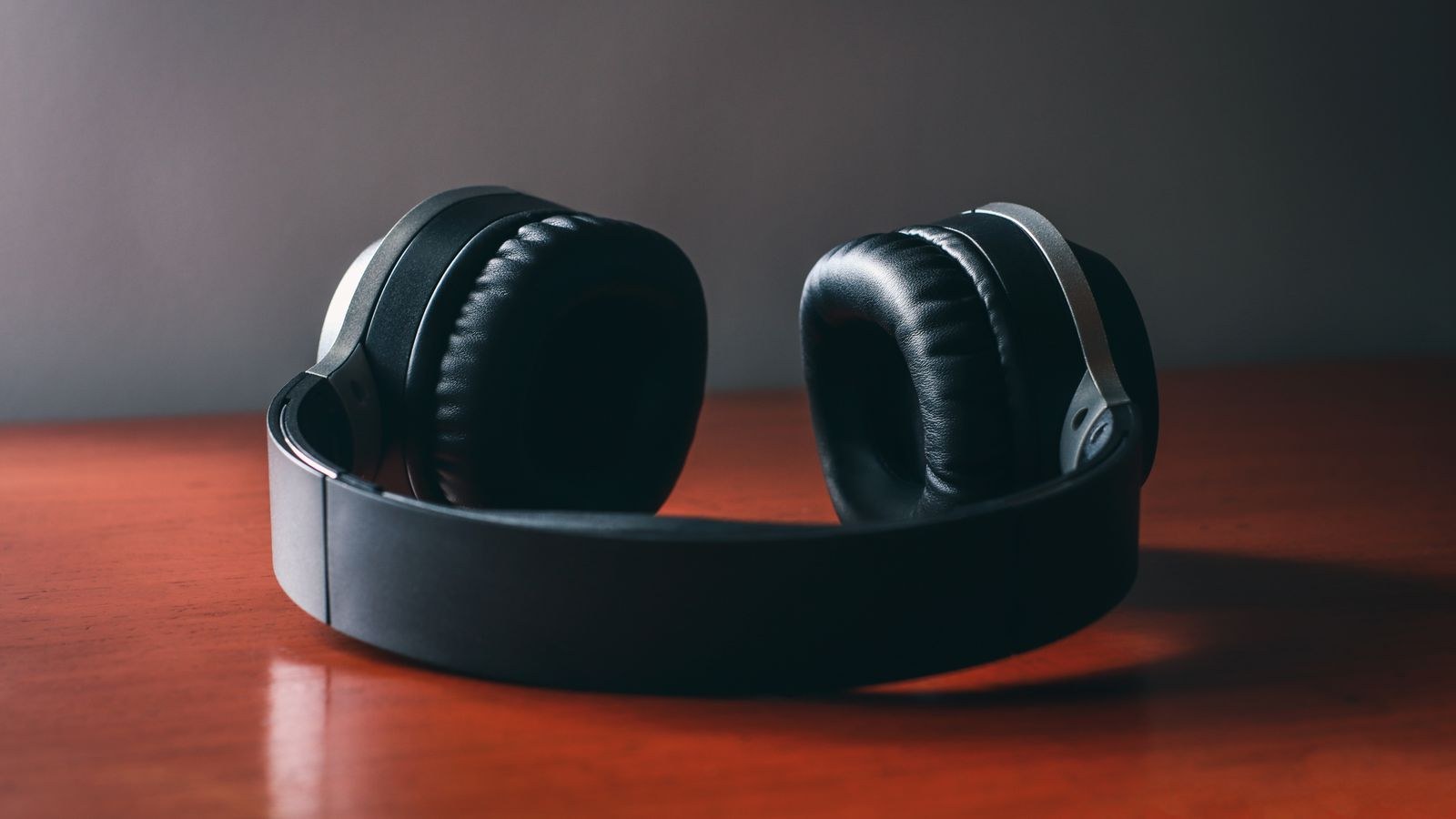
The terms describe the outer shell behind each driver. A closed-back headset seals that rear chamber with solid plastic, metal, or wood, so air pressure builds behind the diaphragm and almost no sound escapes. An open-back headset replaces that shell with a grille, mesh, or perforated plate, letting air and sound move freely in both directions.
That single construction difference cascades into everything else. Sealing the cup gives you isolation and reinforced bass, but it also creates internal reflections that can muddy detail and produce a slightly boxed-in presentation. Venting the cup removes those reflections and lets the soundstage breathe, but it also means you hear the room and the room hears you. Semi-open designs sit between the two, using a partially vented shell to keep some bass reinforcement while easing the closed-in feeling. There is no universally superior option, only the one that matches your listening environment.
Soundstage, Imaging, and Footstep Audio
Competitive players care about two related qualities. Soundstage is the perceived size and shape of the space around you. Imaging is how precisely you can place a specific sound inside that space. Open-back designs generally win on soundstage because the driver is not fighting its own reflections, so sounds seem to come from outside your head rather than between your ears. That extra room makes it easier to tell a footstep forty metres away from one directly behind a wall.
Imaging is less about the shell and more about driver quality, tuning, and how well the two channels match. A well-tuned closed-back can image beautifully; a poorly tuned open-back can smear cues despite feeling spacious. Still, open designs make life easier at the same price point, because the engineer does not have to tame a sealed chamber first. For competitive shooters where hearing a reload or a distant plant matters, most players find an open or semi-open design gives them more usable information.
Bass tells the opposite story. Sealed cups hold pressure, so sub-bass extends deeper and hits harder, which flatters explosions, engine notes, and cinematic soundtracks. Open designs roll off the lowest octave because that pressure escapes, producing bass that is tight and accurate but noticeably lighter. If explosions carrying physical weight matter more to you than hearing a crouched opponent, that trade-off is worth knowing before you buy.
Isolation and Leakage: The Practical Deal-Breaker
This is the factor that decides the argument for most people. Closed-back headsets block a meaningful amount of outside noise passively, typically enough to soften keyboard clatter, a nearby television, or traffic through a window. Open-backs block almost nothing. Sitting in an open pair is closer to listening to speakers in a quiet room than to wearing earplugs.
Leakage runs the other way. Anyone within a few feet of an open-back can hear your game clearly, which is fine in a private room and unacceptable in a shared bedroom, a dorm, an open-plan office, or beside a sleeping partner. Because you hear ambient noise, you also tend to raise the volume in a loud room, which increases leakage further and pushes your listening level higher than it needs to be. If you are shopping specifically for a spacious pair and already have a quiet space, our roundup of the best open back headsets is the right starting point. If you need to keep sound in and noise out, compare the best closed back headsets instead.
A Quick Environment Test
Sit at your desk and listen for thirty seconds with nothing playing. If you can hear a fan, traffic, a housemate, or a television, an open-back will let all of that through while you game. Then consider whether someone else in the room would object to hearing your audio at conversational volume. Two yes answers point firmly to closed-back. Two no answers give you the freedom to enjoy an open design.
Comfort, Heat, and Long Sessions
Open-back designs run cooler because air moves through the cup rather than being trapped against your ear. Over a four-hour session, that ventilation is the difference between mild warmth and damp, sweaty earpads. They also tend to weigh less, since there is less shell material, and they exert less pressure because they do not need a tight seal to perform.
Closed-backs need clamp force to maintain that seal, which can cause hotspots on the jaw and above the ears. Good pads offset a lot of this: thick memory foam or perforated hybrid pads spread pressure and breathe better than thin protein leather. Weight distribution matters too, because a suspension strap or a well-padded headband stops the shell resting on one point of the skull. Whichever design you choose, comfort is worth prioritising heavily, since the finest sound in the world is useless if you take the headset off after an hour. Our list of the best comfortable headsets covers models tuned for all-day wear in both styles.
Microphones and Voice Chat
Both designs come with boom microphones, so the shell type does not directly dictate voice quality. What it does change is what your microphone picks up. An open-back leaks game audio into the room, and a nearby boom mic can capture some of that spill along with your keyboard and any household noise, particularly if the mic has an omnidirectional pattern.
Look for a cardioid or noise-cancelling boom that rejects sound from the sides and rear, and position it roughly two finger-widths from the corner of your mouth rather than directly in front of it. Detachable booms are a bonus if you want to use the same pair for music without a plastic arm hanging off your face. If your teammates constantly ask you to repeat yourself, the microphone, not the earcup design, is almost always the culprit.
Which Games Favour Which Design
Match the headset to what you play most, not to what a highlight reel suggests. Tactical shooters, battle royales, and extraction games reward spatial precision, so an open or semi-open pair often gives a genuine edge in locating opponents. Fighting games and rhythm titles care more about timing and clarity than distance cues, so either design works well.
Single-player cinematic games, racing sims, and horror titles lean on atmosphere and low-end weight, where a sealed cup is genuinely more satisfying. MMOs and strategy games sit in the middle and are usually decided by comfort, because sessions run long. Tournament and LAN play is the one context where closed-back is close to mandatory, since crowd noise and neighbouring players make isolation non-negotiable. Competitive players building around that reality should look at the best headsets for esports, which prioritise isolation and clear midrange over spectacle.
Wired Versus Wireless in This Comparison
Open-back models skew heavily wired, because the design already assumes a stationary listener in a quiet room, and a cable removes battery life and latency concerns entirely. Closed-back models dominate the wireless market, since isolation pairs naturally with the freedom to move around. If wireless is a firm requirement, you are realistically shopping closed or semi-open. Choose a low-latency 2.4GHz dongle over standard Bluetooth for gaming, and treat Bluetooth as a convenience mode for music and calls rather than your primary connection.
Virtual Surround and Spatial Audio
Both designs support virtual surround processing, and both benefit from it inconsistently. Because open-backs already present a wider natural stage, heavy processing can sometimes smear the accuracy you paid for. Test with processing off first, then enable it and decide whether it helps you place sounds faster. Never stack a game engine’s spatial mode on top of a driver-level effect, since layering usually makes everything vaguer.
Budget Tiers and What Your Money Buys
Entry-level headsets under roughly $70 are almost exclusively closed-back, because a sealed shell is cheaper to tune convincingly and buyers at that price expect strong bass. Expect plastic construction, a fixed boom, and serviceable rather than remarkable imaging.
The $80 to $180 range is where open-back options appear in force and where the biggest jump in sound quality happens. Drivers get better matched, pads improve, and headbands gain proper adjustment. Above roughly $200 you are paying for build materials, wireless features, detachable cables, better microphones, and refinement rather than dramatic leaps in fidelity. Spending more on pads, a decent boom mic, and room treatment often improves your experience more than moving up a headset tier. For a broad view of what each price bracket delivers across both designs, our guide to the best headsets for gaming breaks options down by budget and use case.
Common Mistakes Buyers Make
The first mistake is buying an open-back for a noisy or shared environment because a review praised the soundstage. Reviewers often test in treated, silent rooms, and that context does not transfer to a living room with a television on. The second is assuming closed-back automatically means poor imaging; plenty of sealed models image superbly, and design alone is not the whole story.
A third error is chasing enormous bass in a competitive title, where an inflated low end masks the mid-range detail that footsteps and reloads live in. Finally, many buyers overlook fit entirely and end up with a headset that clamps painfully, which no equaliser setting can fix.
How to Decide in Five Questions
- Is your room quiet and private? Yes points to open-back; no points to closed-back.
- Will your audio disturb anyone nearby? If yes, closed-back is effectively required.
- Do you play mostly competitive shooters? If yes, weight soundstage and mid-range clarity heavily.
- Do you want deep, physical bass? If yes, a sealed cup will satisfy you more.
- Do you need wireless? If yes, you are shopping closed or semi-open by default.
If your answers split evenly, a semi-open design is the honest compromise, giving most of the airiness with modest isolation.
Frequently Asked Questions
Do open-back headsets really help you hear footsteps better?
Often yes, but indirectly. The advantage comes from a cleaner mid-range and a wider stage, which makes distance and direction easier to judge. A well-tuned closed-back with a flat response can match it. The bigger factor is whether your headset exaggerates bass, since heavy low-end masks the frequencies footsteps occupy.
Can I use an open-back headset in an office?
Generally no. Colleagues within a few metres will hear your audio, and you will hear the office. If you take calls in a shared workspace, choose a sealed design. Sealed options intended for remote work are covered in our guide to headsets for home and office use.
Are open-back headsets more fragile?
The exposed grille means dust and debris can reach the driver, so keep them off the floor and away from food and drinks. Otherwise durability depends on the headband, hinges, and cable, not the shell type. Replaceable pads and a detachable cable extend the life of any headset far more than the earcup design does.
Do I need an amplifier for an open-back headset?
Most gaming-oriented open-backs run fine from a motherboard jack or a controller port. Higher-impedance audiophile models, typically rated at 250 ohms or above, do benefit from a dedicated amplifier. Check the impedance and sensitivity figures before buying; anything at 32 to 80 ohms with reasonable sensitivity is comfortably driven by standard hardware.
Final Thoughts
The open versus closed debate is really a question about your room, not about which technology is superior. Open-back designs deliver a spacious, natural presentation with excellent positional cues and cooler comfort, provided you have a quiet space and nobody within earshot to disturb. Closed-back designs give you isolation, privacy, and stronger low-end weight, which makes them the safer default for shared homes, offices, travel, and competitive events.
Decide on the environment first, then shortlist within that category and pick on comfort, microphone quality, and honest tuning rather than headline features. Do that and you will be happy with your choice long after the specification sheet stops mattering, whichever design you take home this 2026.