Owen Bradley
 The material under you decides how a chair feels after four hours far more than any feature listed on the box. Two chairs with identical mechanisms and identical adjustment ranges can feel completely different simply because one uses moulded cold-cure foam and the other uses tensioned suspension mesh. Yet product descriptions rarely explain the difference in useful terms, defaulting instead to words like breathable and supportive that apply to almost anything. This guide compares office chair seat materials honestly, covering foam types, suspension mesh, hybrid constructions and the upholstery layered over them, so you can tell which surfaces hold their shape after years of daily use and which ones flatten out by month eight.
How a Seat Actually Supports You
Sitting concentrates most of your upper body weight onto two small bony points, the ischial tuberosities under your buttocks. A good seat spreads that load across a much wider area so no single spot bears extreme pressure. It does this either by deforming around you, which is what foam does, or by suspending you across a tensioned surface, which is what mesh does. Both approaches work; they simply distribute pressure through different physics.
The failure mode differs too. Foam fails by compressing permanently, so the seat gradually becomes a hollow that no longer supports the edges of your thighs. Mesh fails by losing tension or fraying at the frame edge, producing a hammock effect that tips your pelvis backwards. Knowing which failure you are looking for makes secondhand inspection and warranty claims much simpler.
Why Seat Material Matters More Than Back Material
Your back has a lumbar support pushing into it and a backrest angle you can change. Your seat has none of that, so whatever the material does is what you get. This is why a chair with a superb mesh back and a cheap flat foam seat still becomes uncomfortable, and why upgrading the seat surface has such a disproportionate effect on how long you can sit without fidgeting.
Foam: Density Matters More Than Thickness
Almost every foam seat uses polyurethane, but the manufacturing method changes everything. Cut foam is sliced from a large block, which is cheap and produces a flat pad that compresses evenly and quickly. Moulded foam is poured into a shaped tool, giving contours, a waterfall front edge and variable firmness across the pad. Cold-cure or high-resilience moulded foam is the best of the three, keeping its shape for years because its cell structure recovers rather than collapsing.
The specification to look for is density, usually quoted in kilograms per cubic metre. Higher density means more material per unit volume and dramatically longer life, and it is not the same as firmness. A thick pad of low-density foam feels plush on day one and flat within a year, whereas a thinner high-density pad may feel firmer initially and still be supportive years later. If a listing quotes thickness but never density, that is a meaningful omission.
Memory Foam and Gel Layers
Memory foam conforms closely to your shape, which spreads pressure beautifully but also traps heat and slows recovery between sittings. Used as a thin top layer over a supportive high-resilience base it works well. Used as the entire seat it tends to bottom out, leaving you sitting on the seat pan. Gel inserts address the heat problem by conducting warmth away, though they add weight and cost and their benefit fades once the whole seat reaches body temperature.
Suspension Mesh: Cool, Even and Frame-Dependent
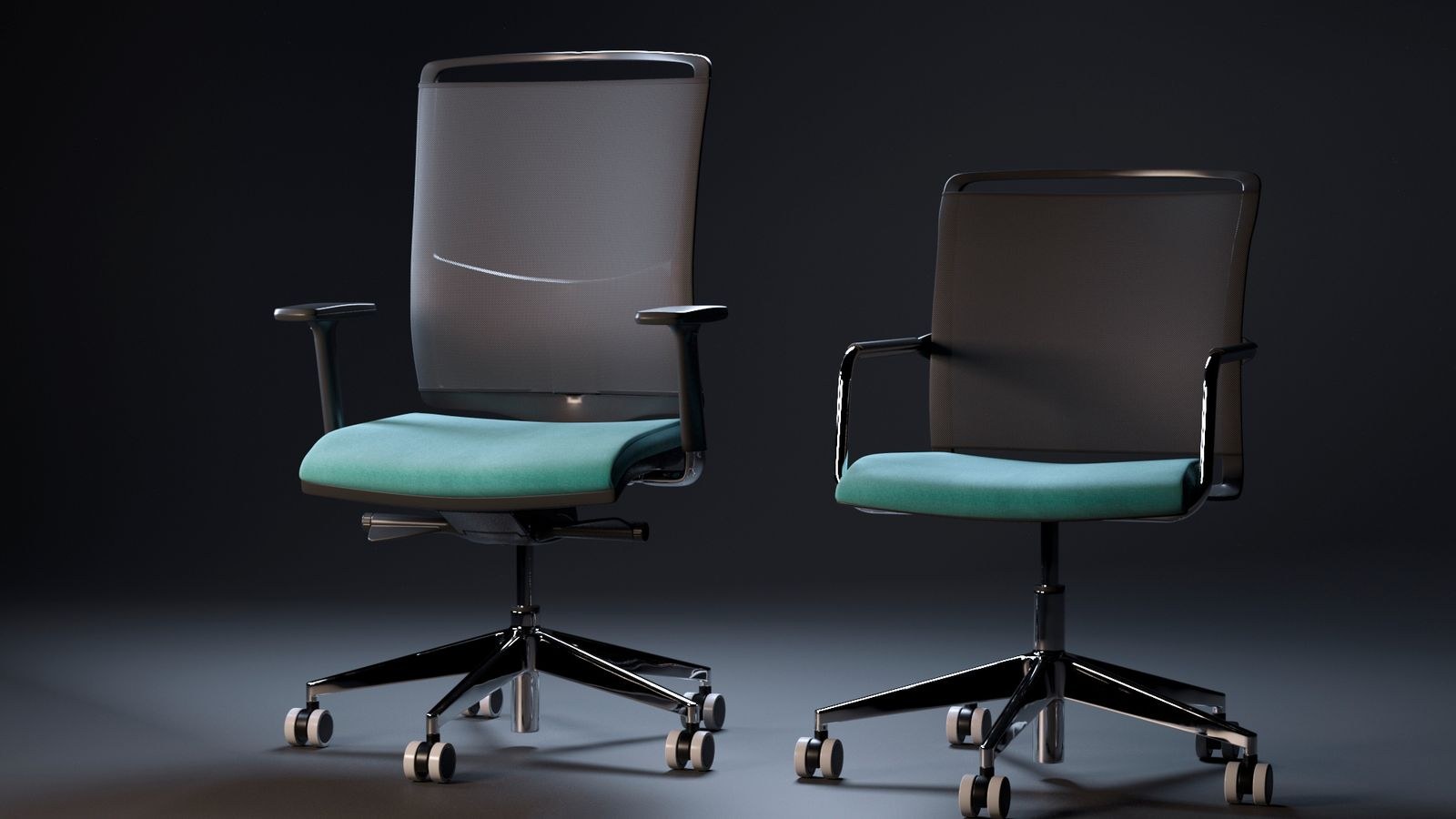
Suspension mesh is an elastomeric fabric stretched across a rigid frame. It supports you by tension rather than compression, which produces very even pressure distribution and, crucially, allows air to move freely. For anyone who sits in a warm room or runs hot, that ventilation is the single biggest comfort advantage available.
The catch is that mesh quality varies enormously and the frame matters as much as the fabric. Good mesh uses engineered polymer yarns with consistent elasticity, mounted to a frame that maintains tension across the full surface. Cheap mesh uses generic knit fabric that stretches unevenly and sags into a hammock within months, tilting your pelvis and undoing any ergonomic benefit. The best mesh office chairs roundup is a useful reference for which constructions hold tension properly, and the best mesh desk chairs list covers the same technology in home-office sizing.
Front Edge Design on Mesh Seats
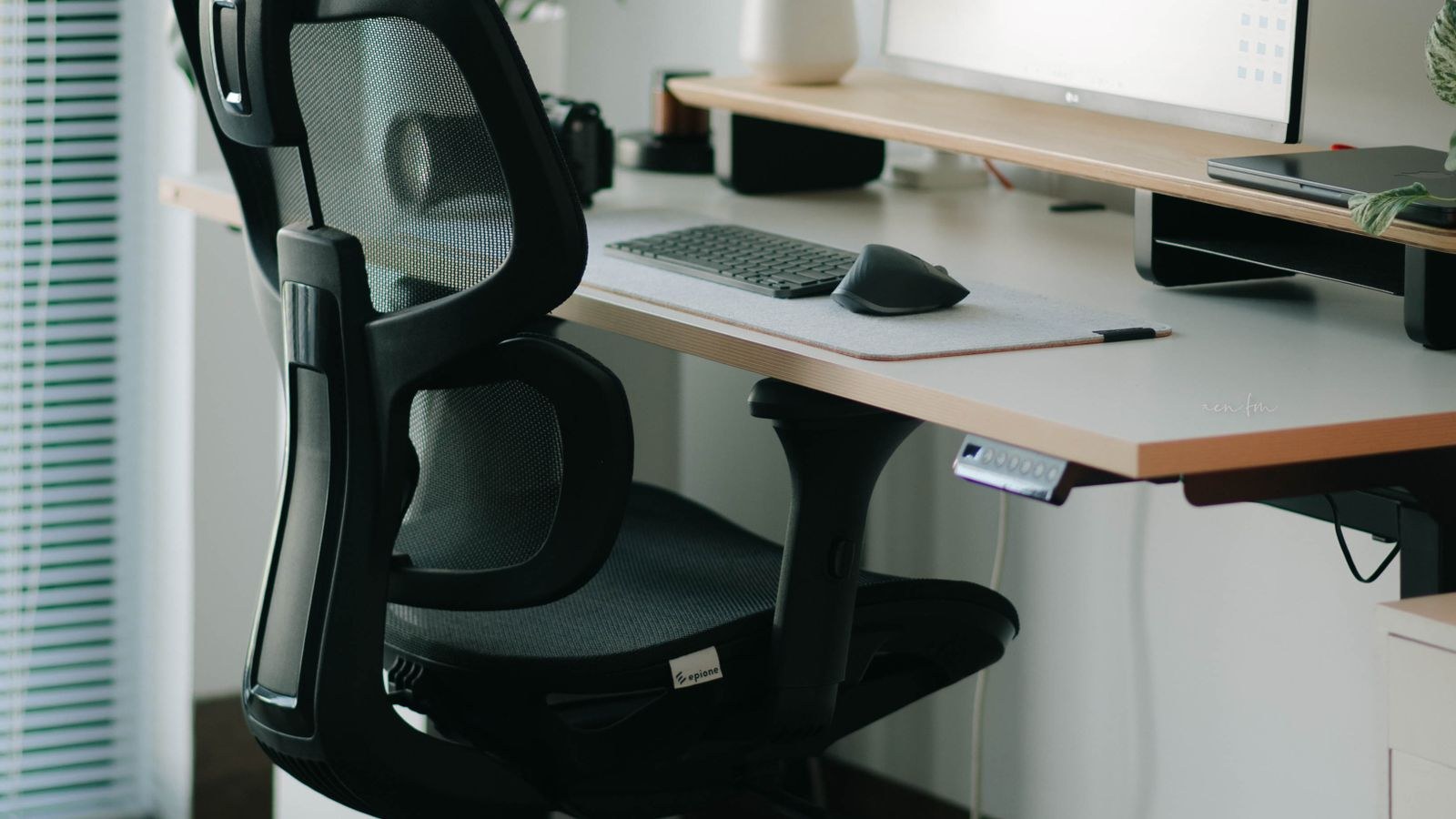
Mesh seats need a soft or flexible front edge, because a rigid frame rail at the front presses directly into the underside of your thighs and restricts circulation. Better designs use a flexing polymer lip, a separate tensioned front section or a padded rail. When people say mesh seats hurt their legs, this edge is almost always the reason, not the mesh itself.
Hybrid Seats: Foam Over Mesh or Mesh Over Foam
Hybrids try to combine mesh ventilation with foam cushioning. The most common approach is a thin layer of moulded foam over a suspension deck, giving you some airflow through the sides and edges plus a softer contact surface. Another approach uses a mesh upper layer stretched over a foam core, which improves breathability at the surface while the foam does the load-bearing work.
Hybrids are genuinely useful for people who find pure mesh too firm and pure foam too warm, but they inherit both failure modes. If the foam layer is low density it will still flatten, and if the mesh is poor it will still sag. Evaluate each layer on its own merits rather than treating hybrid as a category that is automatically superior.
Upholstery: What Covers the Cushion
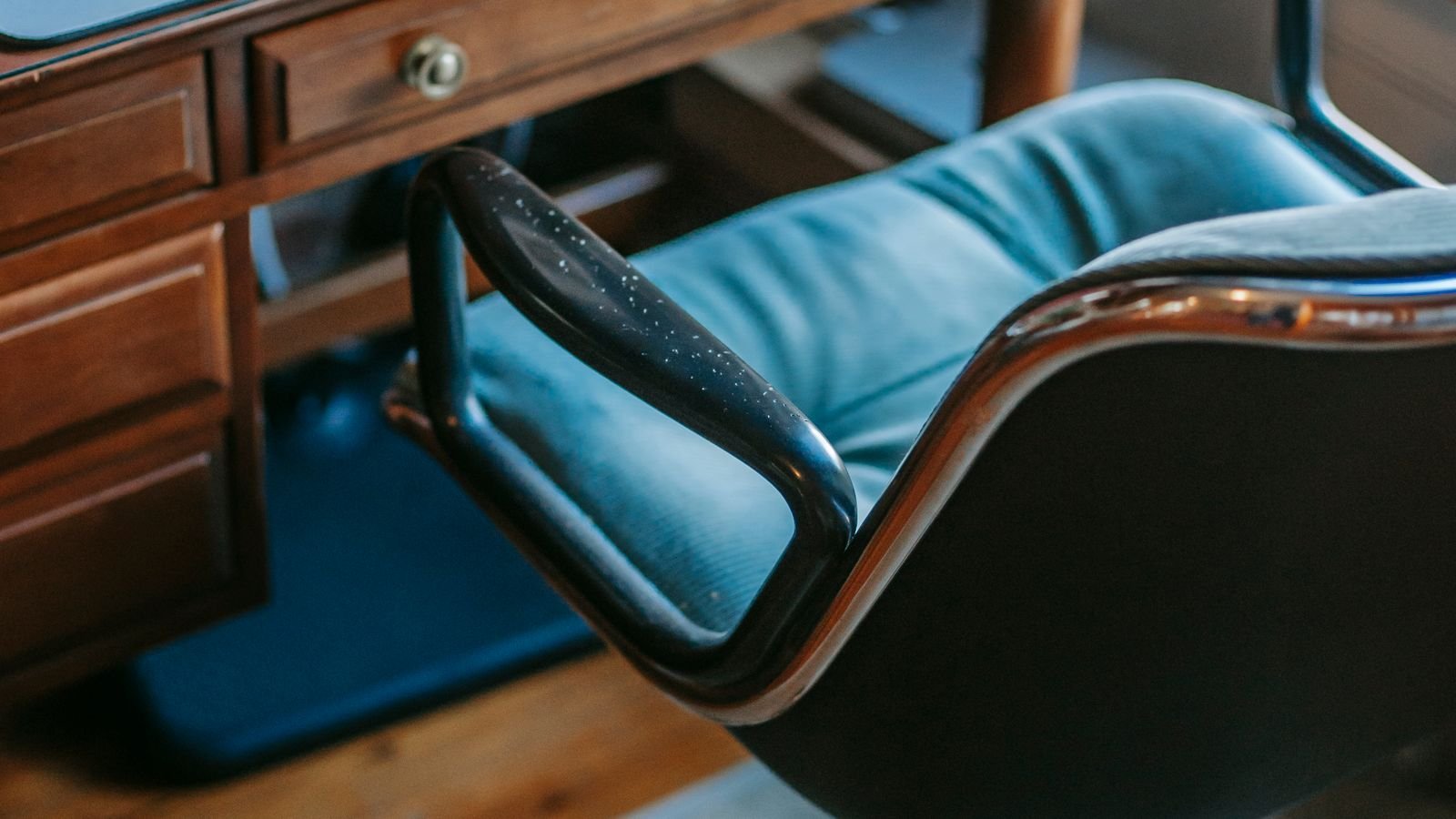
Over a foam seat sits a cover, and the fabric choice affects durability, temperature and cleaning more than support. Woven polyester and nylon blends are the workhorse, offering good abrasion resistance and reasonable breathability. Wool blends feel excellent and regulate temperature well but cost more. Bonded leather looks like leather at a low price and reliably peels within a few years, making it the worst value in the category. Full-grain leather is durable and ages well but runs hot and needs occasional conditioning.
The specification worth checking is the abrasion rating, often given in Martindale rub cycles. Contract-grade upholstery typically exceeds 40,000 cycles, which comfortably survives daily office use. A detailed comparison of how these surfaces behave over time is covered in mesh vs fabric vs leather desk chairs, and if you have already decided on woven upholstery the best fabric chairs guide narrows the field further.
Cleaning and Maintenance by Material
Woven fabric hides marks well but absorbs spills, so it needs prompt blotting and occasional upholstery cleaner. Mesh sheds crumbs and dust easily and can be vacuumed with a brush attachment, but stains sit on the surface fibres and can be stubborn. Leather wipes clean instantly, which is why it remains popular in shared environments despite the heat. Whichever you choose, avoid saturating the material, since water reaching the foam core takes days to dry and can cause odour.
Matching Material to Your Situation
- Warm room or you run hot: suspension mesh, or a hybrid with an open-sided deck.
- Long unbroken sitting sessions: high-resilience moulded foam with a waterfall front edge.
- Lighter body weight: softer foam or lower-tension mesh, since firm surfaces do not deform enough to spread load.
- Heavier body weight: high-density foam or a robustly framed mesh rated for the load, to avoid bottoming out.
- Shared or high-traffic use: contract-grade woven fabric or leather for cleanability and abrasion resistance.
If your existing chair is otherwise fine but the seat has flattened, a well-chosen cushion can extend its life considerably rather than replacing the whole chair. The best desk chair cushions guide covers which shapes work with which seat pans, including the coccyx cutouts that help if the original waterfall edge has compressed away.
How to Test a Seat Before Committing
If you can sit in the chair, stay in it for at least fifteen minutes rather than the usual ten seconds. Pressure problems reveal themselves slowly. Pay attention to the front edge against the back of your thighs, whether you feel the frame or seat pan through the material, and whether you find yourself shifting position repeatedly.
Buying online removes that option, so lean on specifications instead: foam density figures, mesh frame construction, whether the front edge is described as flexible or waterfall, and the abrasion rating on upholstery. Then check the return policy. A generous trial period is worth more than any marketing claim, because seat comfort is genuinely personal and no specification predicts it perfectly for every body.
Common Mistakes When Choosing Seat Material
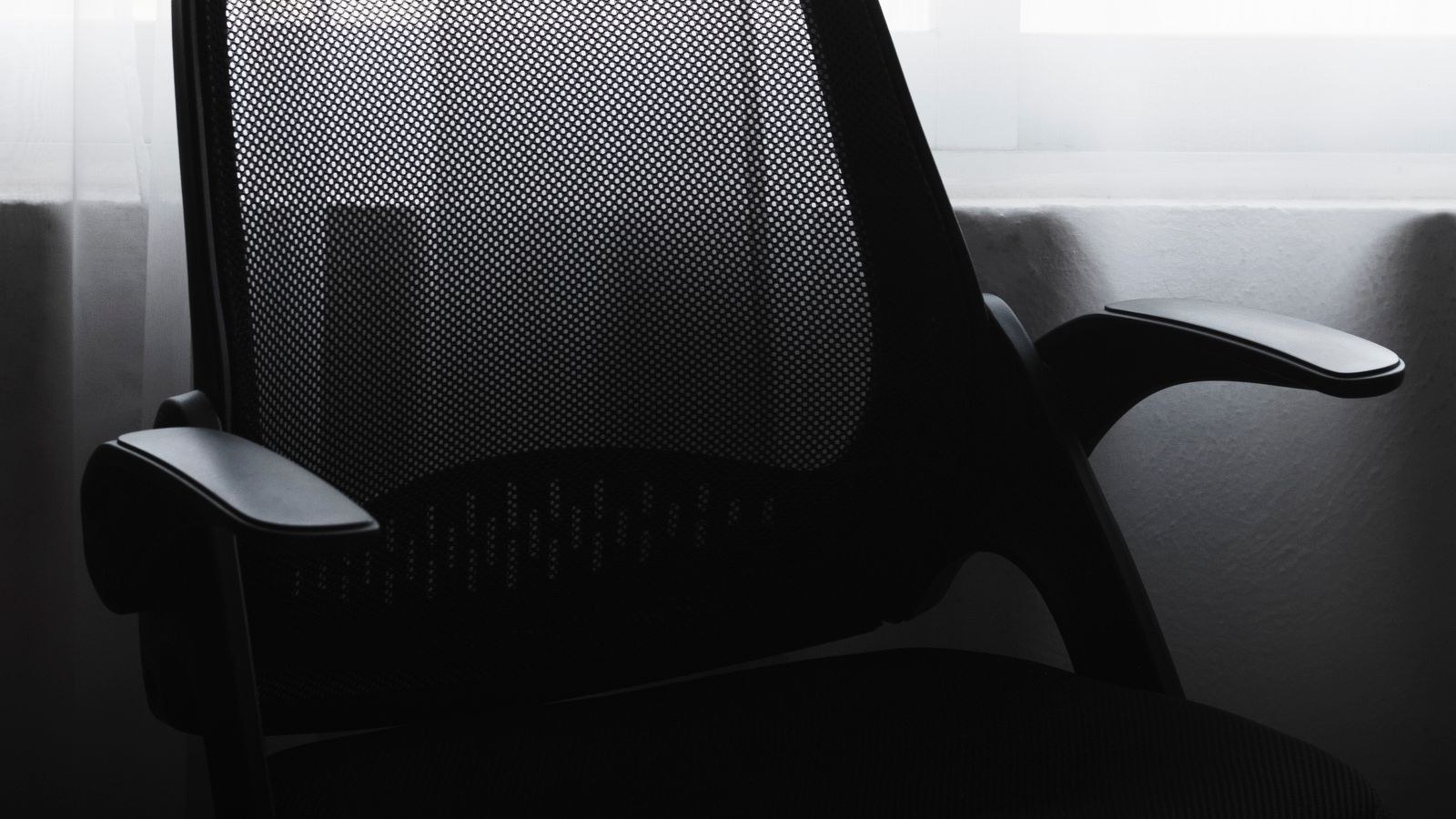
The first mistake is equating soft with comfortable. Deep plush foam feels wonderful for the first hour and then lets you sink until the seat pan does the supporting. Firm, resilient support that keeps your pelvis level is what sustains comfort across a whole day. The second is assuming all mesh is equivalent, when the difference between engineered suspension fabric and generic knit is the difference between years of even support and a sagging hammock.
A third error is choosing material based on a showroom sit in a cool building when your actual office is warm and stuffy, or vice versa. Temperature changes perceived comfort dramatically. Finally, many buyers overlook seat depth entirely, and no material can compensate for a seat that is too long or too short for your thigh length, since the pressure lands in the wrong place regardless of what it is made from.
Frequently Asked Questions
Does mesh wear out faster than foam?
Good suspension mesh usually outlasts mid-grade foam because it does not compress permanently. Poor-quality mesh, however, sags faster than good foam flattens. Construction quality decides the answer far more than the material category.
What foam density should I look for?
Higher is better for longevity. Treat density as the durability number and firmness as the feel number, and be cautious with any product that advertises thickness without ever mentioning density.
Is a mesh seat uncomfortable for long sitting?
Not inherently. Discomfort usually comes from a rigid front frame rail pressing into the thighs or from mesh tension that is too low. A well-designed mesh seat with a flexible front edge suits long sessions perfectly well.
Can I add a cushion to a mesh chair?
You can, though it cancels most of the ventilation benefit and can sit unstably on a curved suspension deck. If the mesh seat is uncomfortable, adjusting seat depth and tilt usually helps more than layering a cushion on top.
Is leather worth the premium?
Full-grain leather is durable and easy to clean, which suits shared or executive settings. It runs warmer than fabric or mesh. Bonded leather, despite the similar name, is a coated composite that peels and is best avoided.
Final Thoughts
Office chair seat materials come down to a simple choice between deforming around you and suspending you, and both work when they are executed properly. Judge foam by density and moulding method rather than thickness, judge mesh by frame construction and front edge design rather than the word breathable, and treat hybrids as two materials to assess separately. Match the result to your room temperature, your body weight and how long you sit in one stretch. Get that right in 2026 and the seat will still be holding its shape and supporting you properly long after cheaper alternatives have flattened into a hollow.