Owen Bradley
 Renting does not have to mean living with beige walls, a bare bulb, and furniture that came with the flat. It does mean every change you make has to come back off cleanly, because the deposit depends on it. Renter friendly decor is the art of getting a genuinely personal, well-finished home out of materials that are removable, freestanding, or tension-mounted rather than screwed, glued, and painted into place. This guide covers what your tenancy agreement actually restricts, the removable finishes worth using and the ones that will pull paint off, how to add lighting without wiring, how to fix window treatments and storage without drilling, and how to reverse everything at move-out so the inspection is uneventful.
Read the Lease First, Then Ask
Before buying anything, find the clauses covering alterations, decoration, fixtures, and cleaning obligations at the end of the tenancy. Leases vary far more than tenants assume. Some prohibit any nail or screw. Some permit small picture hooks but not painting. Many allow painting provided you return the walls to the original colour, which turns a free change into a paid one at move-out. A few say nothing at all, which is not the same as permission.
Where the lease is ambiguous, ask the landlord or agent in writing and keep the reply. An emailed yes to shelf brackets or a paint colour costs nothing and removes the entire argument later. Photograph every room in detail on the day you move in, including existing marks, scuffs, and holes, and store those photos somewhere permanent. That record is worth more at the final inspection than anything else in this guide.
Walls: Colour and Art Without Paint or Nails
Walls carry most of a room’s character and are the most restricted surface in a rental, so this is where removable products earn their keep.
Peel-and-stick wallpaper gives a full wall of pattern or colour and lifts off in sheets when heated gently with a hairdryer. It performs best on smooth, fully cured, satin or eggshell walls. On textured, chalky, or freshly painted surfaces it either fails to stick or takes the top layer with it, so always test a small square in a corner and leave it a week before committing to a whole wall.
Adhesive strips and hooks hang art without holes, provided you respect the weight rating and pull the tab straight down and slowly at removal. Overloading them is the most common cause of the paint damage they are meant to prevent, so treat the stated limit as a maximum, not a target.
Leaning art avoids the wall entirely. A large framed piece propped on a console, a mantel, or the floor against the wall looks deliberate and modern, and layering two sizes reads as a designed arrangement rather than a compromise.
Freestanding panels and screens let you introduce colour, texture, or a full pattern to a room without touching any surface, and they double as a divider in an open-plan space.
Removable tile decals transform a dated kitchen splashback or bathroom floor and peel off with heat, provided the surface underneath is sealed and non-porous.
Test Everything in an Inconspicuous Spot
The single habit that protects a deposit is testing adhesives before committing. Apply a small piece behind a door, in a wardrobe, or low on a wall that furniture will cover, leave it for at least a week through a normal temperature and humidity cycle, then remove it and inspect. If it lifts paint on a two-inch square it will lift paint on an entire wall, and you will find out at the worst possible moment.
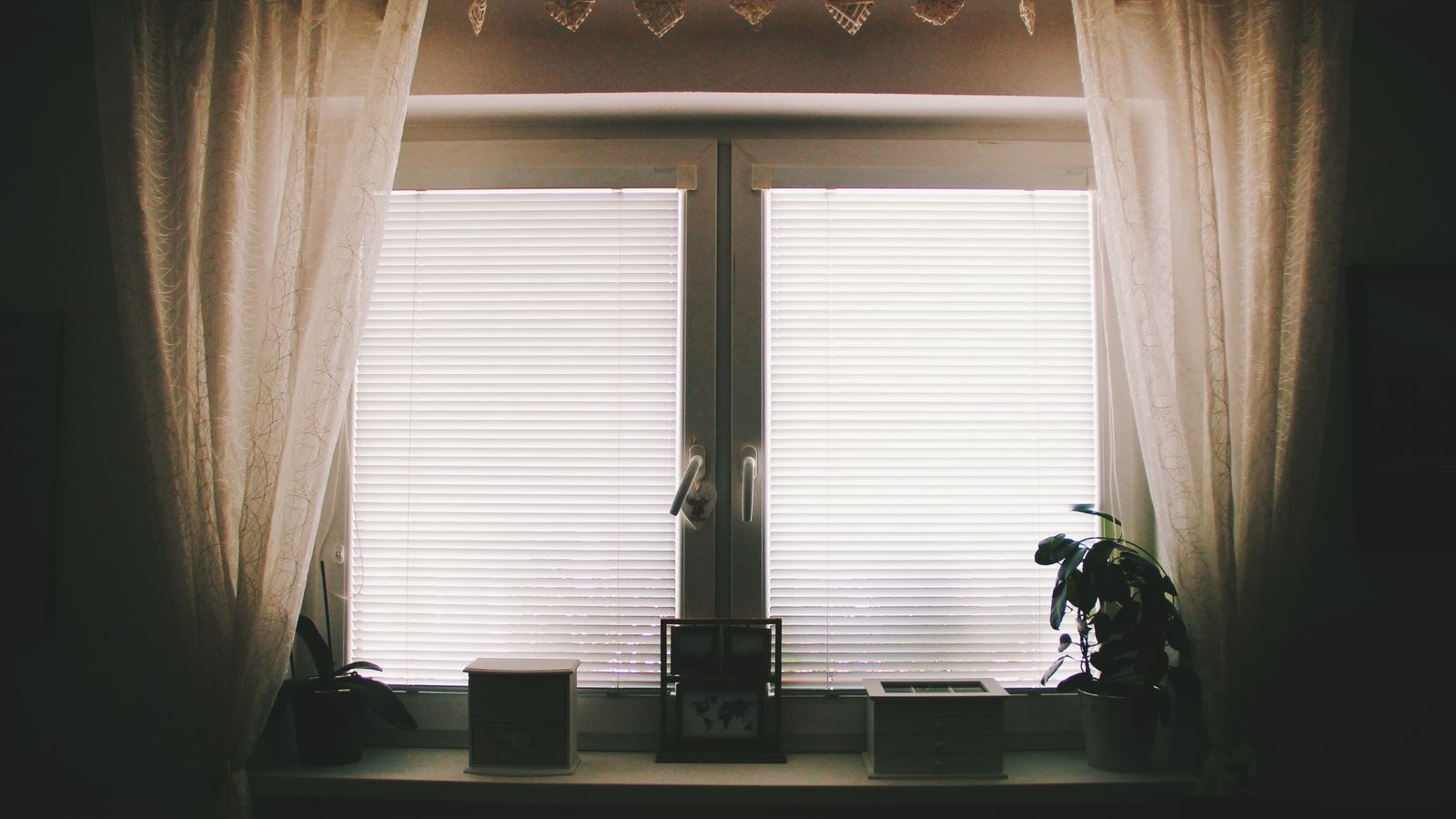
Windows: Curtains Without Drilling
Rental blinds are usually the cheapest thing in the flat, and replacing them changes a room more than almost any other single move. The trick is fixing the hardware without screws.
Tension rods wedge inside a window recess using spring pressure and hold light to medium curtains with no fixings at all. They need a genuine recess with two parallel surfaces, and they will not carry heavy lined drapes.
Adhesive curtain rod brackets mount above the window on a flat wall and support a surprising amount of weight when installed on a clean, dry, degreased surface and left the full cure time before loading. Rushing the cure is why most of them fail.
Twist-fit and no-drill blind brackets clamp onto the top edge of a uPVC window frame without penetrating it, which suits most modern rental windows.
Whichever hardware you use, hang the curtains as high and as wide as the fixing allows. Mounting close to the ceiling and extending beyond the window frame on both sides makes the window look considerably larger and the ceiling higher, and it costs nothing extra. Standard drops and widths that fit typical rental windows without alteration are covered in our roundup of the best ready-made curtains, which saves paying for custom sizing on a home you will leave.
Lighting Without an Electrician
Bad lighting is the defining feature of most rentals: one central bulb, cold and unflattering, controlled by one switch. You cannot rewire, but you can make the ceiling fitting almost irrelevant.
Build layers with plug-in fixtures instead. A corner floor lamp, a table lamp beside the seating, and a small shelf light produce a warmer, deeper room than any overhead fitting. Use warm-white bulbs around 2700K and add smart plugs so several lamps switch together without wiring.
Where you want the effect of built-in lighting, adhesive and battery options do the job. Rechargeable puck lights stick under a shelf, battery wall sconces with remotes mimic hardwired fittings, clip-on lamps attach to shelves and headboards, and portable table lamps move between desk and dining table. The plug-in and no-wiring options suited to leased homes are gathered in our guide to apartment lighting.
Adhesive LED strip runs behind a headboard, under a shelf, or along the top of a wardrobe add ambient light that reads as architectural. Choose a strip with a moderate-strength adhesive rather than the strongest available, since industrial-grade backing on painted plaster is difficult to remove cleanly, and warm the strip with a hairdryer before peeling it at move-out. The colour options and mounting approaches are covered in our roundup of LED strip lights for bedrooms.
Storage That Stands on Its Own
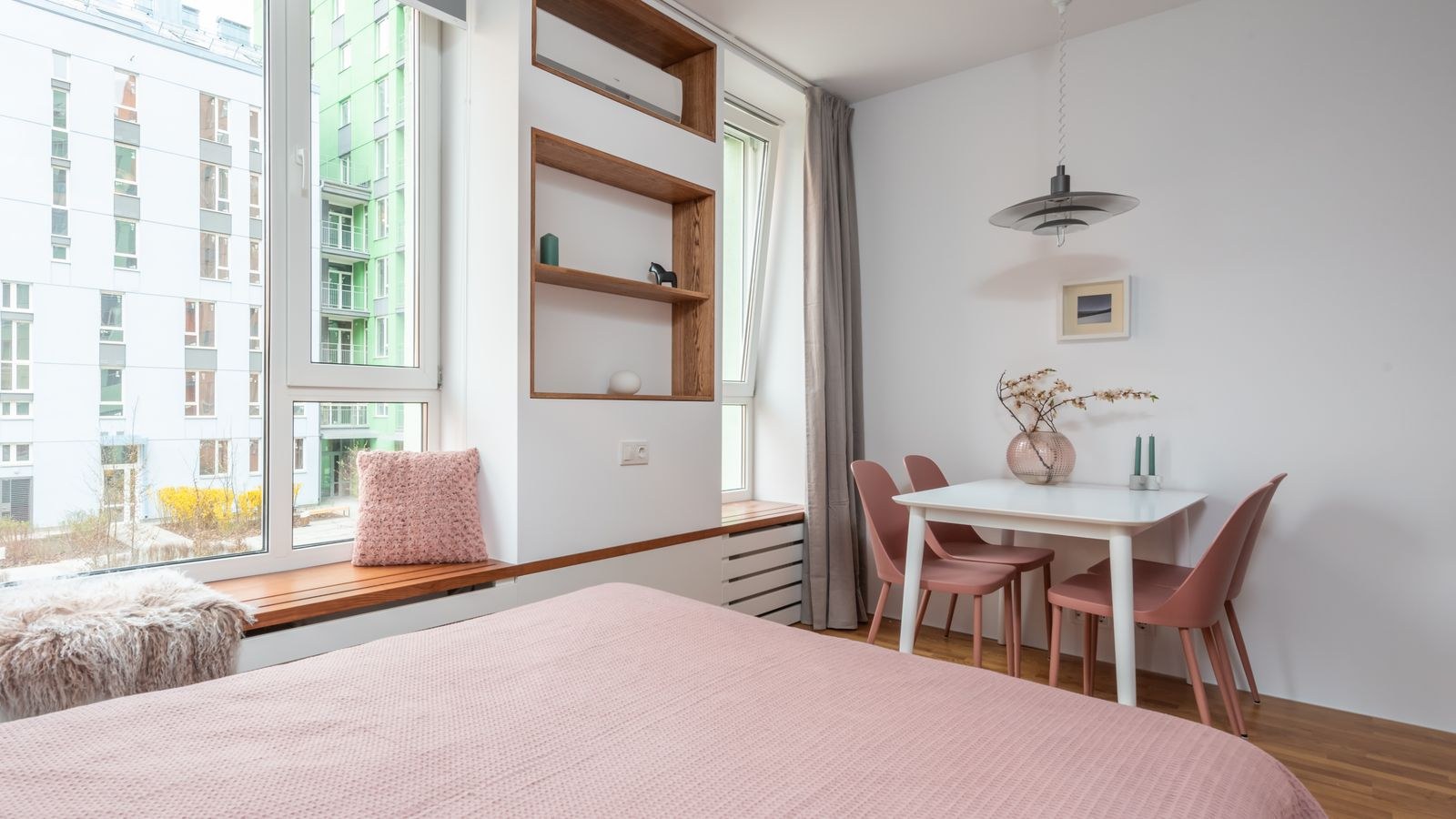
Fitted storage is out, so freestanding and tension-based systems do the work instead. Tall narrow shelving units deliver the capacity of a fitted run in a fraction of the floor area and simply walk out of the door at the end of the tenancy. Freestanding clothes rails add wardrobe space in a flat with one small closet. Over-door hook racks and hanging organisers use the back of every door in the property without a single fixing.
Tension-based hardware is the renter’s most useful category. Tension rods work inside alcoves as improvised hanging rails, inside cupboards as extra shelving supports, and in the bathroom as a shower curtain rail. The bathroom is where they matter most, since a shower curtain rail is one thing you cannot go without and one thing you should never drill into tiles for. Fitting a tension rod correctly, with the right diameter and enough pressure to hold under a wet curtain, is a five-minute job covered step by step in our tutorial on how to install a tension shower curtain rod.
Anything tall and freestanding still needs an anti-tip strap if children or pets are in the home. Removable adhesive versions secure a unit without a screw in the wall.
Furniture as Architecture
Because you cannot change the walls much, furniture has to define the rooms. A floated sofa back divides an open-plan space without a partition, a large rug creates a zone the flooring never gave you, and a tall bookcase acts as a screen. Choose pieces that will fit a future home too, since renters move often. The apartment-scale proportions and lighter frames that survive several moves are what our roundup of the best apartment sofas selects for.
Floors, Kitchens, and Bathrooms
Rugs are the whole floor strategy. A large area rug over tired carpet or cold laminate changes the room and protects the surface underneath, which helps at inspection. Use a rug pad to stop slipping and marking. Peel-and-stick vinyl tiles work over sealed hard floors, but not on unsealed wood.
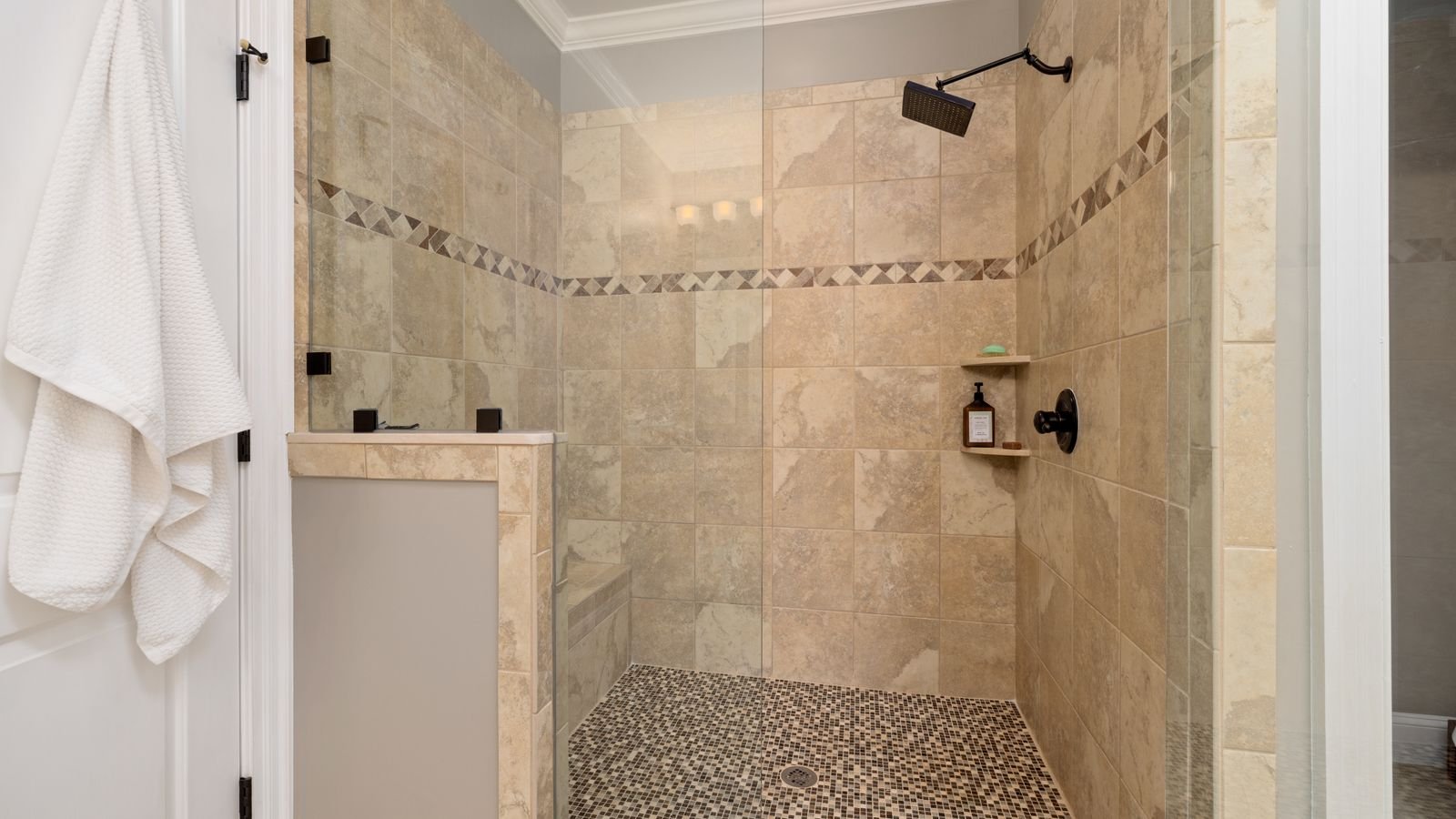
In kitchens, the highest-impact reversible changes are removable splashback panels, adhesive contact paper on dated cabinet fronts, and simply swapping cabinet handles while storing the originals in a labelled bag for reinstatement at move-out. In bathrooms, a new shower curtain, a freestanding storage tower over the cistern, adhesive hooks, and a good mirror leaning or hung on strips deliver most of the improvement available without touching a tile.
Plants and Textiles Do the Rest
These two categories are entirely reversible and disproportionately effective. Plants add height, colour, and softness, and hanging planters on tension rods or freestanding plant stands avoid ceiling hooks. Textiles carry colour into a room that will not let you paint: cushion covers, throws, a large rug, and a fabric wall hanging on a tension rod between two walls can change a scheme completely and pack into a box when you leave.
Reversing It All at Move-Out
- Start a week early, because adhesive removal always takes longer than expected and rushing it causes the damage.
- Warm every adhesive product with a hairdryer on low before peeling, and pull slowly at a shallow angle rather than straight out from the wall.
- Remove adhesive strips by pulling the tab straight down parallel to the wall, never outward.
- Reinstate original cabinet handles, blinds, shower rails, and light fittings from the labelled bags you stored them in.
- Clean residue with a gentle adhesive remover tested first in a hidden spot, then wipe with a mild detergent solution.
- Fill any small holes with a matching filler, sand flush when dry, and touch up with the correct paint if the lease requires it.
- Photograph every room after cleaning and compare against the move-in photos before handing back the keys.
Mistakes That Cost Deposits
Using the strongest adhesive available is the leading cause of damage, because industrial-strength backing on rental-grade emulsion takes the paint with it. Skipping the test patch comes next, followed by applying peel-and-stick products to paint that has not fully cured, overloading hooks past their rating, and throwing away the original handles, blinds, or light fittings. Painting without written permission, or not budgeting for the repaint at the end, turns a cheap change into an expensive one.
Frequently Asked Questions
Will peel-and-stick wallpaper damage rental walls?
Usually not, on smooth, fully cured, satin or eggshell paint. It is far riskier on textured, chalky, matte, or newly painted surfaces. Always test a small square for a week before covering a wall, and warm it with a hairdryer before removal.
How do I hang curtains without drilling?
Use a tension rod inside the window recess for light curtains, adhesive brackets on a clean flat wall above the frame for heavier ones, or no-drill clamps on a uPVC window frame. Let adhesive brackets cure fully before hanging anything.
Can I improve rental lighting without an electrician?
Easily. Layer plug-in floor and table lamps with warm-white bulbs, add battery-operated sconces and rechargeable puck lights where wiring is impossible, and link everything with smart plugs so multiple lamps switch together.
Are adhesive hooks safe for painted walls?
Generally yes if you stay well under the weight rating, apply to a clean dry surface, and remove by pulling the tab straight down against the wall. Overloading them and yanking them outward is what pulls paint and plaster away.
What gives the biggest visual change for the least money?
Lighting and textiles. Two or three warm lamps and a large rug transform a room more than any wall treatment, cost less, require no permission, and travel with you to the next home.
Final Thoughts
The best rental decorating is not about disguising the fact that you rent; it is about investing in things that leave with you. Read the lease, get any grey areas confirmed in writing, and photograph everything on day one. Then spend on lighting, textiles, rugs, freestanding storage, and furniture scaled to move, rather than on anything permanent. Where you do use removable products, test them first, choose moderate rather than maximum adhesion, and keep every original fitting in a labelled bag. Done that way, the flat feels like yours for the whole tenancy, the move-out takes an afternoon rather than a weekend, and almost everything you bought is still useful in the next place.